January 3, 2026
- Updated visa policy: suspended visa-on-arrival for most nationalities effective March 1, 2025
- Added split-system explanation distinguishing Federal Iraq (Baghdad) and Kurdistan Region (KRG) visa systems
- Included specific costs, processing times, and validity: Federal e‑visa ~US$160 (6–72 hrs, 1–7 days, 30 days); KRG e‑visa ~US$75 (within 5 days, 30 days)
- Added entry-point and geographic restrictions: Federal e‑visa valid nationwide; KRG visa valid only inside KRG with penalties for crossing into Federal Iraq
- Added embassy-based guidance: up to 90 business days processing and recommendation to apply 90 days before travel
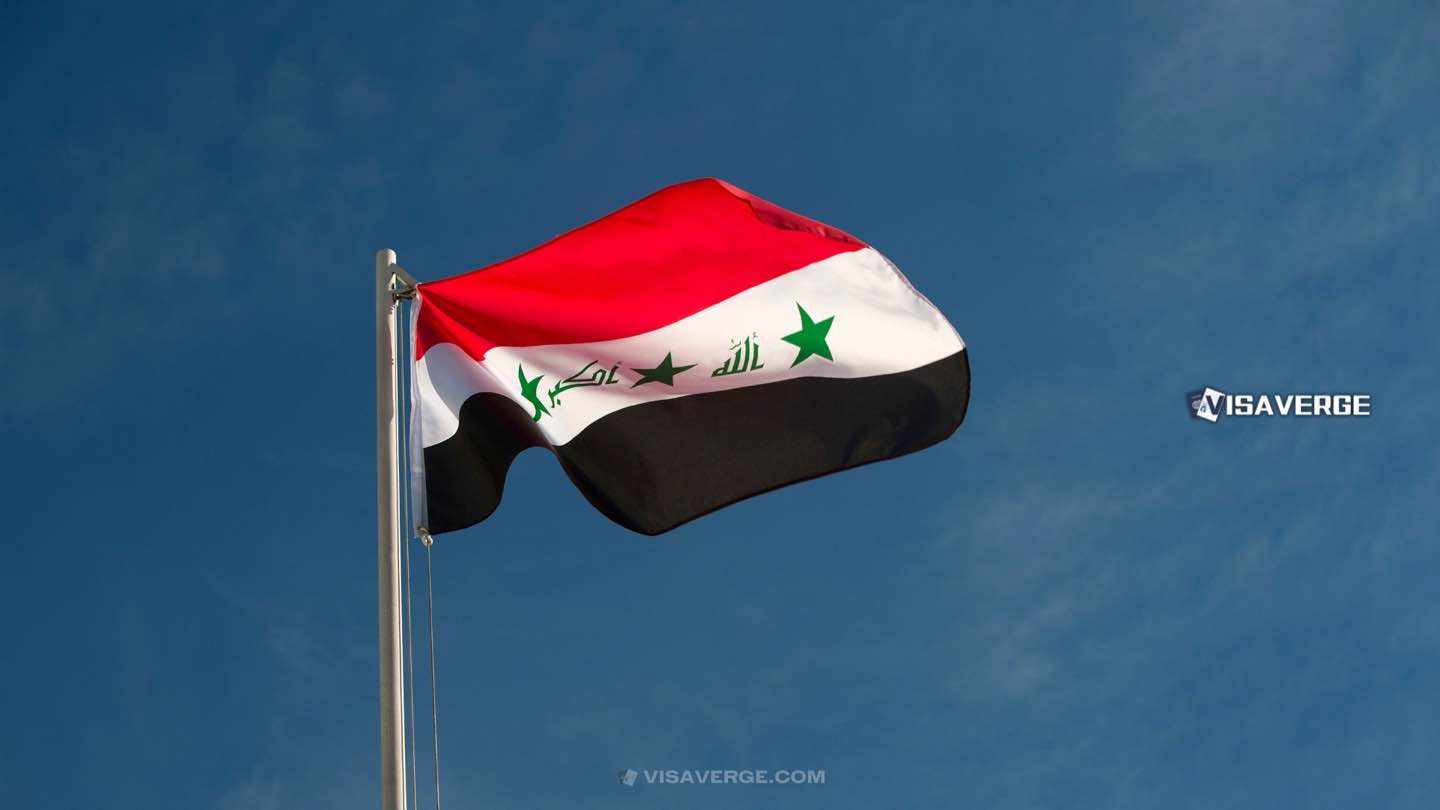
(IRAQ) Iraq visas in 2026 come in two main routes: e-visa options for citizens of 37 countries and embassy-based visas for everyone else or for special purposes like media and some work cases. Since March 1, 2025, Federal Iraq has suspended visa-on-arrival for most nationalities, so many travelers now must get approval before they fly.
That split matters because Iraq runs two entry systems at once. Federal Iraq (Baghdad’s system) issues visas that work across the whole country, including the Kurdistan Region. The Kurdistan Region (KRG) runs its own visa system that works only inside the KRG area, not in Baghdad or southern Iraq.
According to analysis by VisaVerge.com, the biggest planning mistake is choosing the wrong system for a multi-city trip. If your itinerary includes Baghdad, Basra, or Najaf, start with the Federal Iraq process, even if you also plan to visit Erbil.
Match your trip to the right visa type
Pick the visa category that fits what you will do on the ground. Iraqi officers expect your documents to match your purpose of travel.
Common categories include:
- Tourist visa: leisure and cultural visits, typically 30 days.
- Business visa: meetings and commercial activity without taking a job, often with sponsorship from an Iraqi company and sometimes multiple entries.
- Pilgrimage visa: for visits to shrine cities such as Najaf and Karbala, often arranged through pilgrimage groups.
- Work visa: for employment and residence, with sponsorship and added paperwork.
- Family visit visa: to visit relatives or friends in Iraq, with proof of relationship and stay plans.
- Media visa: for journalists, filmmakers, and researchers, generally handled through embassies rather than e-visa systems.
Federal Iraq e-visa journey (Baghdad system)
For eligible travelers, the Federal e-visa is now the main gateway. It is also the fastest path for many visitors who used to rely on airport visa-on-arrival.
Key facts to plan around
– Cost: approximately US$160
– Processing time: 6–72 hours, with 1–7 days typical depending on demand
– Validity: typically 30 days
– Where it works: valid throughout Iraq, including the Kurdistan Region
– Entry points: accepted at Baghdad, Basra, and Najaf airports, plus select land and sea borders
Apply only through the official portal and keep a paper copy for travel. The official Federal application site is the Iraq e‑Visa Portal (eligibility checks, online application, and status tracking).
The application steps (simple and accurate)
- Confirm eligibility and create your online account on the Federal portal.
- Prepare your documents before you type anything into the form.
- Complete the application and upload files that are clear and readable.
- Pay the fee online using a credit or debit card, then submit.
- Track the decision and print the approval to carry with your passport.
Documents Federal Iraq commonly expects
Bring the same set you used online, because officers can ask for proof at the airport.
- A passport valid for 6+ months
- A recent passport-style photo
- Accommodation details, such as a hotel booking in your name
- A travel itinerary
- Proof of employment (requested for some applicants)
Small mismatches cause big delays. Make sure names, passport numbers, and dates match exactly across your passport, hotel booking, and application form.
What happens at the airport after e-visa approval
A printed approval does not override border screening. At immigration, officers review your passport and ask basic questions about your plan.
Expect questions like:
- Where will you stay, and for how long?
- What cities will you visit?
- Are you coming for tourism, business meetings, pilgrimage, or family?
Keep answers short and truthful. Carry your hotel confirmation and itinerary in your hand luggage, not in checked bags.
Kurdistan Region pathway (KRG system) and its limits
The Kurdistan Region offers a more flexible entry process for many Western travelers. It usually provides an e-visa or visa-on-arrival at Erbil and Sulaymaniyah airports for many nationalities, and it runs separately from the Federal system.
Key facts to plan around
– Cost: approximately US$75
– Processing time: typically within 5 days online
– Validity: typically 30 days
– Extensions: up to 90 days total with two 30-day extensions through local residency offices
The geographic limit is critical: a Kurdistan-only visa is valid only within the KRG. It cannot be used for Baghdad or southern Iraq. Travelers who try to cross into Federal Iraq with only a KRG visa face entry denial.
The same rule affects departures. If you entered Kurdistan through approved entry points but try to exit through other regions, penalties can include fines, deportation, or a two-year entry ban, according to guidance tied to KRG stay rules.
KRG documents and extensions
KRG applications commonly ask for:
- Passport copy with 6+ months validity
- Passport-style photo taken within the last 6 months
- Hotel reservations with your name
- Proof of employment
For extensions, applicants go in person to residency offices in Erbil, Duhok, or Sulaymaniyah and apply before the visa expires. Each extension requires a fee, and overstaying can trigger fines and removal.
Work conversion inside the Kurdistan Region
A tourist status does not allow employment. Still, KRG rules allow a practical switch after you find a job. Visitors may convert a KRG e-visa into a work visa after securing employment and getting a work permit through administrative offices.
This process involves paperwork and employer involvement. Travelers should plan for time in country and avoid informal work while waiting.
Embassy-based visas: when the traditional route is required
If you are not eligible for e-visa options, or your trip falls into categories Iraq channels through embassies, plan on a longer timeline. Media visas, and many work or NGO-related cases, are typically handled this way.
The Embassy of Iraq in Washington, DC has estimated processing times of up to 90 business days, and it advises applying 90 days prior to departure. Processing time is controlled by the embassy and can change, so travelers should build in buffer days and avoid last-minute flights.
What embassy applications often require
Embassy checklists are document-heavy. A typical package includes:
- Original, signed passport with at least 6 months validity beyond the intended stay
- Completed and signed visa application form
- Two recent photos, 2″ x 2″, color, white background
- Color copy of driver’s license or state-issued ID
- Color copy of birth certificate
- A personal letter to the Embassy of Iraq explaining trip purpose, dates, cities, and accommodation details
Business travelers often add:
- Approval letter or reference number from the corresponding Iraq Ministry
- Business or invitation letter from Iraqi authorities, a host company, or organizers in Iraq
Embassy-based visas offer structure, but they require patience. They also demand consistency across every document, including your personal letter.
Timing and cost snapshot
Iraq visas vary widely in speed and price, and that affects flight choices.
| Route | Approx. cost | Typical processing time |
|---|---|---|
| Federal Iraq e-visa | US$160 | 6–72 hours (often 1–7 days) |
| Kurdistan e-visa | US$75 | up to 5 days |
| Business e-visa via service providers | US$249–$279 | 4–20 business days |
| Embassy visa | varies | up to 90 business days |
If you have fixed dates, choose the route that matches your timeline, not just your budget.
Extensions, overstays, and passport requirements
Both Federal Iraq and the Kurdistan Region generally allow 30-day extensions through local residency offices when you have a valid reason such as tourism, business, or pilgrimage.
- Apply a few days before expiration.
- Overstaying without authorization can lead to fines, deportation, and a ban from entering Iraq for up to two years.
Also check your passport validity for the full trip. Iraq requires at least 6 months validity, and amendment pages in the back of a passport cannot be used for entry or exit stamps or visa issuance.
Hard-stop rules travelers often overlook
Two issues can end a trip before it starts:
- Israeli nationality and passport stamps
– Israeli nationals are prohibited from entry to Federal Iraq, and travelers with Israeli stamps in their passports are refused entry to Federal Iraq.
– The Kurdistan Region is described as the only area open to Israeli passport holders.
- Mixing visa systems without planning
– A KRG visa does not substitute for Federal permission, and a Federal visa is the safer choice for travelers who want to move between Erbil and Baghdad.
Key takeaway: For most travelers in 2026, the smoothest path is to apply early, match your documents to your trip purpose, and choose between e-visa options and embassy-based visas based on exactly where you will go in Iraq.
Iraq’s 2026 visa policy requires most travelers to secure electronic or embassy-based approvals before flying. The dual-system setup means Federal visas allow nationwide travel, while Kurdistan visas are limited to the north. With the suspension of visa-on-arrival for many, visitors must carefully match their visa type—tourist, business, or pilgrimage—to their activities and ensure their passports have at least six months of validity to avoid deportation.