Key Takeaways
- On February 28, 2025, Iraq suspended visa-on-arrival for travelers from the U.S., EU, Australia, Canada, China, Japan, and South Korea.
- New requirements include applying for visas via Iraqi consulates, valid passports, accommodation proof, and processing times of 10–15 business days.
- Kurdistan region offers e-visas for 30-day stays, but they apply only to Kurdish-administered areas, not the rest of Iraq.
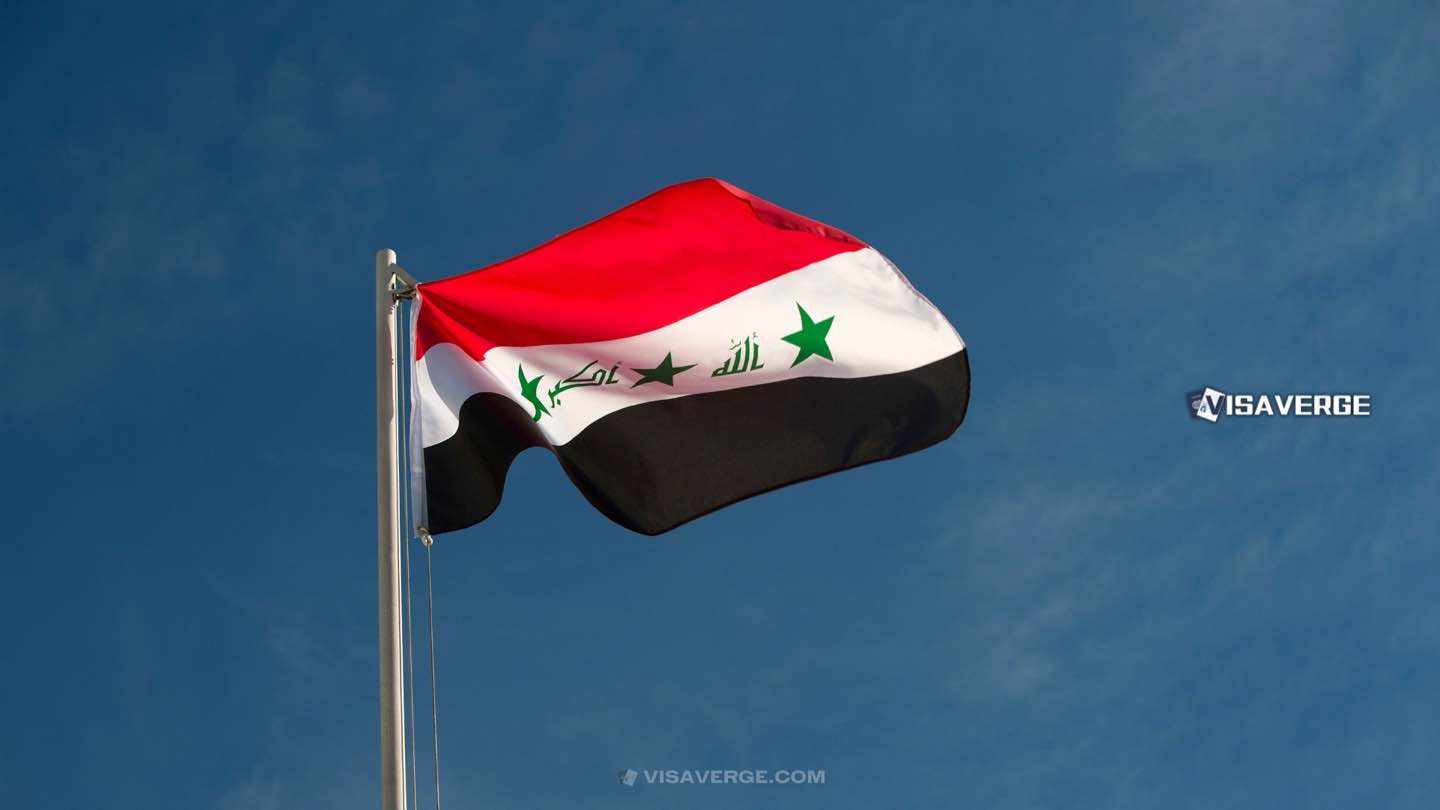
On February 28, 2025, Iraq ?? suspended its visa-on-arrival program for travelers from several countries, including the United States ??, all European Union (EU) ?? nations, along with Australia ??, Canada ??, China ??, Japan ??, and South Korea ??. This policy change represents a major shift in Iraq’s approach to facilitating entry for foreign visitors and has immediate consequences for those planning trips to the country.
Why Iraq Made This Change
The Iraqi Ministry of Foreign Affairs explained that this decision was made to bolster national security by implementing stricter vetting processes for foreign arrivals. This aligns Iraq with a growing global trend of countries tightening border controls due to security considerations. The move aims to reduce potential risks while ensuring only properly screened visitors are allowed entry.
With national security concerns driving this decision, travelers from the affected countries must now apply for visas ahead of their trips. This involves going through Iraqi embassies or consulates in their home countries. The visa-on-arrival program, which previously allowed streamlined entry for hundreds of thousands of visitors annually, is no longer an option for these nations.
Free toolDS-160 Form Filling Online Helper ToolWhat Are the New Requirements?
Under the updated system, citizens of the impacted countries now need to prepare for a more traditional visa application process. The key steps include:
- Submitting a valid passport where at least six months of validity remains
- Completing a detailed visa application form
- Providing recent passport-size photographs
- Showing proof of accommodation such as hotel bookings
- Demonstrating sufficient funds for the stay with bank statements
- Including a complete travel itinerary
- In some cases, providing an invitation letter for business visits
Processing times for visa applications are expected to range from 10 to 15 business days. However, this may vary depending on the applicant’s nationality, purpose of travel, and the local embassy or consulate’s requirements.
How This Affects Different Groups
This abrupt policy shift creates ripples across multiple sectors, complicating travel and business operations in Iraq for various stakeholders. Key impacts include:
Travel Planning
Travelers now face longer preparation times as they must secure visas before leaving their countries. This requires careful coordination and might interrupt last-minute travel plans previously facilitated by the visa-on-arrival program.
Costs
Applying for a visa through embassies can be more expensive than obtaining a visa on arrival. Travelers must account for consular processing fees, additional documentation requirements, and any related costs.
Businesses
International companies operating in Iraq might experience disruptions. For example, delays in employee travel could lead to postponed projects or missed business opportunities, particularly in industries such as oil, gas, and construction, which are integral to Iraq’s economy.
Tourism
The policy might hurt Iraq’s tourism recovery efforts. In recent years, the country’s historic sites and religious landmarks have started to attract more global interest. Requiring prior visa approval may deter casual tourists or those seeking easier visits.
Diplomatic Relations
Revoking visa-on-arrival privileges for specific countries could have broader diplomatic and economic consequences. Affected nations might perceive this change as unfriendly, potentially straining relationships with Iraq.
New Developments in Iraq’s Immigration Rules
The visa-on-arrival suspension occurs in the context of other notable changes to Iraq’s immigration framework:
- Health Insurance Requirement
A new regulation, effective February 26, 2025, mandates that all foreign visitors present proof of Iraqi health insurance upon arrival. Travelers can obtain this insurance through the National Electronic Insurance platform. The insurance fee includes a visa activation cost and must be paid online before travel. -
Modernized Visa Stickers
Iraq has begun replacing manually issued visa stickers with printed electronic versions as part of its efforts to streamline the immigration process. -
Kurdistan Region Offers E-visas
Notably, the Kurdistan Region of Iraq ?? operates an independent online visa system despite broader visa-on-arrival restrictions. Tourists and business visitors can apply for an e-visa granting stays of up to 30 days in the Kurdish-administered areas, including major cities like Erbil and Sulaymaniyah. However, this e-visa is only valid in the Kurdistan Region and does not cover the rest of Iraq. -
U.S. Travel Restrictions Considered
Separately, the U.S. government is weighing a potential reinstatement of travel restrictions for specific nationalities, which could include Iraqi citizens. This possibility follows an executive order issued on January 20, 2025, aiming to tighten the American immigration process. Although this development is unrelated to Iraq’s visa-on-arrival changes, its timing may influence travel decisions for Iraqis heading to the U.S.??.
Exemptions to the Iraqi Visa Suspension
Though general visa-on-arrival is no longer in place for most foreign travelers, Iraq has kept some exceptions under the new policy. Special regulations include:
- Diplomatic and Service Passports
Holders of diplomatic and service passports from countries like China ??, Iran ??, Turkey ??, Lebanon ??, Serbia ??, and Russia ?? remain exempt, allowing them to enter Iraq visa-free for periods between 30 to 90 days. -
Iranian Nationals
Regular Iranian passport holders may visit Iraq without a visa for 30 days if traveling by air. However, other forms of travel still require a pre-arranged visa. -
Turkish Citizens
Turkish travelers under the age of 15 or over 50 are allowed to enter without a visa for stays up to 30 days.
These exceptions introduce some flexibility to an otherwise strict policy but apply only to specific cases.
Iraq’s Special Immigrant Visa and Related Changes
Though the visa-on-arrival suspension affects short-term visitors, it does not apply to Iraq’s Special Immigrant Visa (SIV) program. However, the SIV program itself has undergone significant shifts over the years:
- Program End
Iraq’s SIV program stopped accepting new applications on September 30, 2014. -
Iraqi P-2 DAP Pathway
To replace the SIV program, the Iraqi Priority 2 Direct Access Program (Iraqi P-2 DAP) was introduced for individuals affiliated with the U.S. and at risk in Iraq. -
Funding Suspension
As of January 24, 2025, funding for travel assistance programs that support SIV applicants was suspended. This applies to services previously facilitated by the International Organization for Migration (IOM).
Conclusion
Iraq’s decision to suspend visa-on-arrival for the U.S., EU, and several Asian countries marks a considerable change in the nation’s immigration policy. With immediate effects ranging from increased travel planning times to higher costs for businesses, this step underscores Iraq’s focus on national security. The Kurdistan Region’s separate policy offering online visas adds a layer of flexibility to an otherwise strict process.
As global security concerns shape government policies worldwide, Iraq’s tightened controls are part of a larger trend observed in border management. Consequently, travelers and businesses alike should stay updated on these changes and prepare well in advance to navigate these new requirements effectively.
For official details about Iraqi visa processes, visit the Iraqi Ministry of Foreign Affairs website. You can also explore updates about these changes and related implications on VisaVerge.com, a trusted global resource for immigration policies.
Learn Today
Visa-on-arrival → A system allowing travelers to obtain entry visas upon arrival at their destination, bypassing pre-travel application procedures.
Consulate → A diplomatic office, often in foreign cities, assisting nationals abroad and issuing visas to foreign citizens.
Vetting Process → A thorough evaluation procedure to assess the credibility and security of individuals applying for visas or entry.
E-visa → An electronic visa application system allowing travelers to obtain travel authorizations online without visiting an embassy or consulate.
Diplomatic Passport → A specialized passport issued to diplomats granting privileges, including eased visa requirements, during official international travel.
This Article in a Nutshell
Iraq’s February 28, 2025, visa-on-arrival suspension for nations like the U.S. and EU signals a sharper security focus. Travelers must now pre-apply for visas, extending preparation time and costs. While bolstering safety, this policy may hinder tourism, business, and diplomacy. However, Kurdistan’s e-visas offer flexibility within Iraq’s stricter framework.
— By VisaVerge.com
Read more:
• Ukrainians, Iraqis Flee to Armenia as Top Asylum Seekers Amid Surges
• Syria Raises Visa Fees for Iraqi Visitors by Five Times, Sparking Debate
• Iraqi Asylum Seeker Wins Right to Stay in UK Amid ID Dispute
• Iraq Controls Undocumented Foreign Workers
• Iraq e-Visa: New System to Boost Investment