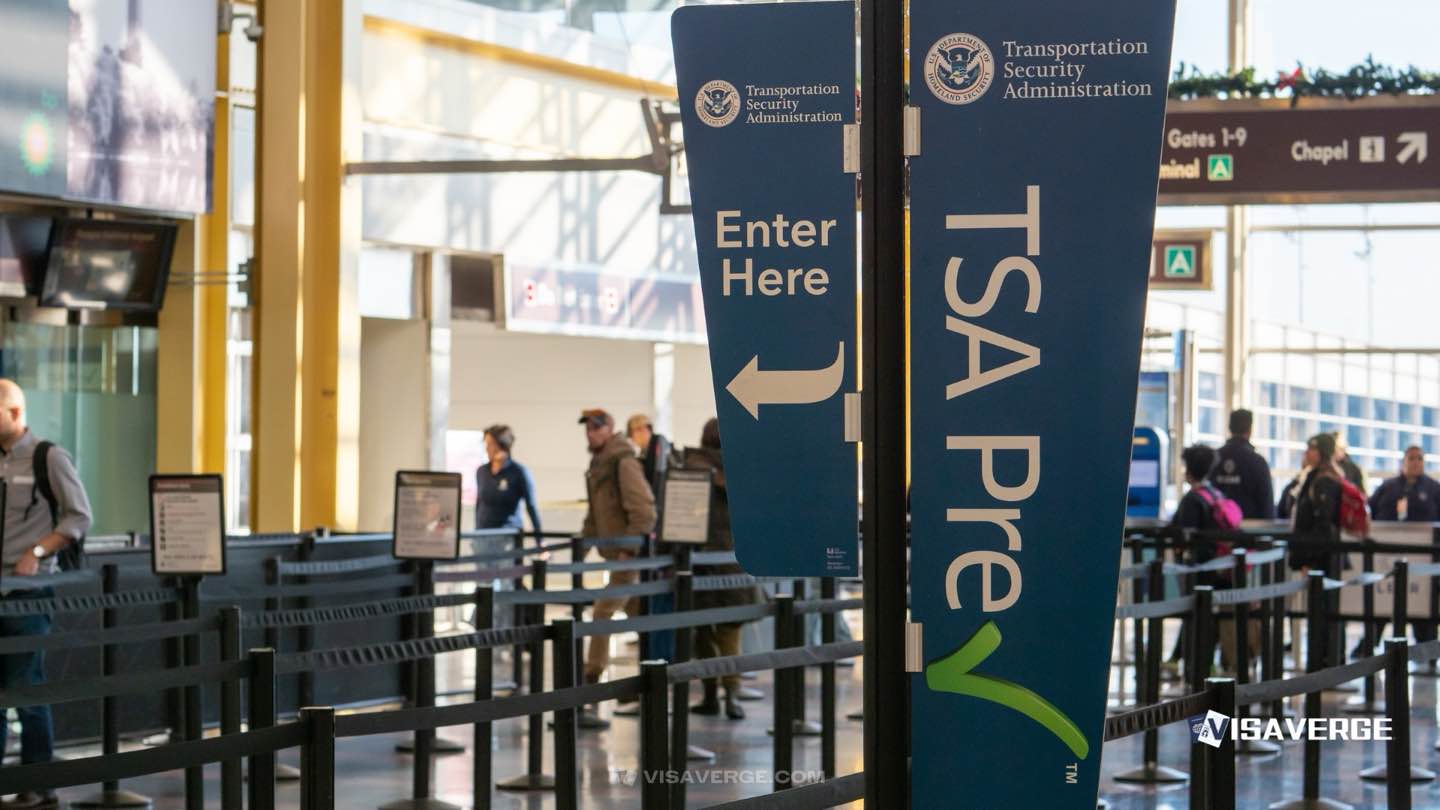
- American Airlines canceled over 10,000 flights following Winter Storm Fern’s severe operational impact.
- Delta and United showed better recovery resilience compared to American’s prolonged systemwide disruptions.
- Travelers should book alternative carriers for time-sensitive trips until American’s network stability fully recovers.
American Airlines just suffered a Winter Storm Fern meltdown that canceled more than 10,000 flights in four days. If you’re traveling this week, the smarter play is simple. Book away from American’s hubs where you can, and favor Delta or United for time-sensitive trips until American’s recovery tail clears.
That doesn’t mean you should never fly American right now. If you already hold an American ticket, the best move is often to rebook early, choose wider routings, and protect yourself with refunds or points backups.
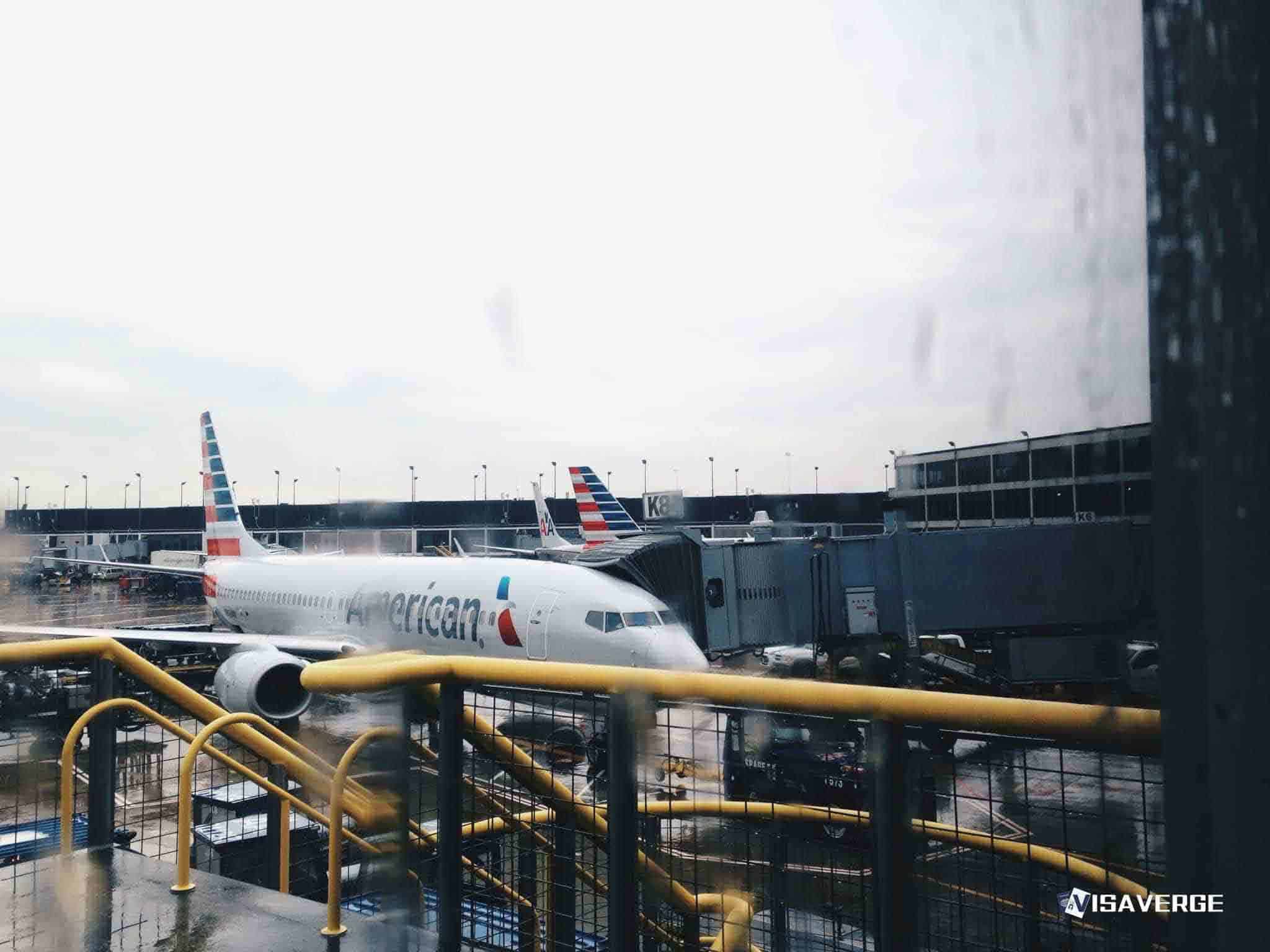
Delta vs United vs American Airlines during Winter Storm Fern (quick recommendation)
Choose Delta or United if you need reliability this week. Their networks recovered faster during the same storm window. Choose American Airlines only if you can accept higher cancellation risk, or you can use waivers and flexibility to your advantage.
Here’s the traveler-first comparison.
| Category | American Airlines | Delta Air Lines | United Airlines |
|---|---|---|---|
| Storm performance (Jan 23–26 window) | Severe disruption with systemwide crew and comms breakdown | Much lower cancellation rate during the same period | Much lower cancellation rate during the same period |
| Operational story | Weather trigger, then recovery failures amplified cancellations | More resilient recovery and better schedule integrity | More resilient recovery and better schedule integrity |
| Best for right now | Flexible travelers, local nonstop flyers, travelers with points backup | Time-sensitive trips, connections, business travel | Time-sensitive trips, hub-to-hub, complex itineraries |
| Rebooking experience | Waivers offered, but inventory and phone/app congestion can be brutal | Usually stronger self-serve rebooking and recovery cadence | Usually strong re-accommodation options and partner alternatives |
| Loyalty angle | AAdvantage members can keep trips alive with partner awards and holds | SkyMiles can be pricey, but rebooking stability is valuable | MileagePlus flexibility can shine with alternate routings |
| When to avoid | Tight connections, last flight of day, must-be-there events | When award prices spike and you lack backup options | When hubs are congested and you’re on regional feeders |
1) What broke at American, and why it mattered to you
Winter Storm Fern was the spark, but American’s recovery problems poured fuel on it. In disruptions, airlines win or lose on recovery mechanics. That means crew tracking, communications, aircraft positioning, and gate flow.
At American, the passenger experience matched a degraded operation. Travelers saw app and website instability at the worst moments, very long hold times, slow-moving airport lines due to triage, and flights canceling even after weather improved.
- App and website instability at the worst moments.
- Hold times that stretched into the double digits.
- Airport lines that moved slowly due to triage.
- Flights canceling even after weather improved.
The biggest operational issue was crew control. Airlines must track where every pilot and flight attendant is, and track legal duty time and rest. If those records are delayed or incomplete, crews “time out” on paper and flights get canceled even when planes exist.
One-way communication makes it worse. If crews can’t confirm location and availability fast, dispatch can’t assign them. That creates “phantom shortages” and the system then cascades.
Cascades happen fast. A canceled morning flight can strand an aircraft in the wrong city, miss later legs, clog gates, and leave crews arriving while their legal duty clocks keep ticking.
For passengers, the harsh truth is this. In a systemwide disruption, the airline can’t instantly “fix your flight.” It can only reassemble the puzzle, one crew and aircraft at a time.
American’s multi-day cancellation total was enormous. The tool in the next section breaks out the exact totals and shares.
2) Scale and scope: why percentages matter more than scary raw counts
Raw cancellations grab headlines. Percent of schedule tells you whether the airline’s network is functioning. When an airline cancels a small share, you still have options: seats open on later flights and rotations mostly work.
When cancellations jump into the tens of percent, the airline’s network goes partially offline. American hit that “offline” zone during the Fern period. The day-by-day pattern mattered too.
- A spike tells you the storm hit hard.
- Persistence tells you the recovery system is failing.
- Partial recovery followed by fresh deterioration is the worst sign.
It means the airline is still chasing its own tail: planes and crews remain out of position.
Competitor context matters because Delta and United flew through the same national weather environment. Their lower cancellation rates suggest better recovery resilience, which can come from staffing buffers, tech stability, and more effective crew re-positioning.
If you’re booking new travel, that peer comparison is the whole ballgame. You’re not choosing “weather.” You’re choosing how well an airline recovers after weather.
3) Why crew shortages and logistics slow recovery, even after skies clear
Many travelers assume cancellations end when the forecast improves. Crew rules say otherwise. Pilots and flight attendants have strict duty-time and rest requirements that are legal and contractual. Once a crew times out, the flight can’t depart even if the airplane is ready.
Storms create mispositioning: crews stranded away from their next assignment, hotels selling out near hubs, ground transportation stalling. Even a simple van ride becomes a bottleneck.
Then there’s the “support layer.” Airlines rely on hotel desks, transport coordinators, and scheduling teams. When those fail, crews are left waiting. A crew that sleeps on an airport floor is not just a sad photo; it is a signal that logistics collapsed.
American also leaned on premium pay to entice extra flying. That helps at the margin. It does not instantly move a flight attendant from the wrong city to the right gate.
Regional affiliates add another wrinkle. If feeders cancel, mainline flights lose connections. Loads shift and misconnects pile up. Even if your mainline flight operates, your trip can still unravel.
4) Rebooking during a waiver: how to keep flexibility and avoid traps
Waivers are supposed to help. In a meltdown, they can also lure you into a bad move. Most waivers follow the same structure: purchase date cutoffs, covered travel windows, rebooking deadlines, usually one-time changes, and same origin/destination rules online.
American’s waiver for the Fern period follows that typical template. The exact booking and travel windows were published, with rebooking deadlines that vary by departure date.
- If your flight is still scheduled: decide how much risk you can tolerate. If it’s a must-attend trip, don’t wait for the last-minute cancel.
- If you need to travel: rebook earlier rather than later. Inventory disappears quickly when thousands of passengers re-accommodate.
- Consider a different time, not just a different flight number. Midday often recovers faster than first departures or last flights.
- Consider alternate airports within driving range. This can break you out of a congested hub cycle.
- Don’t burn your one-time change too early. If you rebook into a fragile connection, you might need that bullet later.
Common friction points are predictable: seats vanish, apps lag, phone waits explode. Airport agents triage to get the most people moving, not to perfect every itinerary.
Your best tactic is to show up with options. Have two alternates you can accept, and include a different connection city if needed.
⚠️ Heads Up: If you accept a rebooked itinerary you cannot use, you may complicate a later refund. Decide first whether you still want to travel.
5) Refunds and compensation basics during a storm disruption
Here’s the baseline most travelers miss. If the airline cancels your flight and you choose not to travel, you can generally request a refund for the unused parts. That is true even when weather caused the cancellation.
The decision that matters is what you accept: a refund, a voucher/travel credit, or rebooking. In weather events, airlines often limit cash-like compensation but may offer help with hotels or meals in some cases. Policies vary by carrier and situation.
- Refund: money back to original payment, for unused segments.
- Voucher or travel credit: value locked to future travel rules.
- Rebooking: you still travel, often later, sometimes via a new route.
Documentation is your leverage. Keep receipts for meals, hotels, and ground transport you paid for. Save screenshots of cancellation notices and rebooking offers. Retain your original itinerary and ticket number, and notes on agent interactions and promised assistance.
The tool in this section breaks down what you can claim and how to file. The fastest results usually come from clean documentation and a focused request.
6) Leadership response and what it signals for near-term reliability
American’s executives apologized and pointed to record conditions at key hubs. Labor voices were louder, calling out leadership and operational fragility.
For travelers, the politics matter less than the signal. Public union criticism during an active recovery often points to structural issues such as tech, staffing, and operational control systems.
This event invites comparisons to past meltdowns at other airlines. Those comparisons matter because recovery playbooks are real: airlines that invested in crew scheduling tech and irregular operations staffing recovered faster in past crises.
- Watch for a recovery tail of disruptions for several days after the storm.
- Avoid tight connections, especially at American hubs.
- Book earlier flights when possible to give yourself more same-day options.
7) Why the financial hit can show up in customer service
Big disruptions cost airlines money in several buckets: crew pay and premium pay, hotels and transport, refunds and lost revenue, and call center overtime and contractor support.
American disclosed a large estimated cost range from this event and the stock moved down after the news. For passengers, stock moves don’t change your rights, but they hint at corporate pressure that can show up as slower response times and tighter goodwill offers.
When an airline is bleeding cash operationally, it tends to get stingier and overwhelmed.
8) Hubs, geography, and smarter reroutes when the map turns hostile
During storms, hubs become chokepoints, especially when the hub is also a crew base. If crews can’t reach the base, the whole network suffers.
- Deicing queues slow departures and break aircraft rotations.
- Gates fill with aircraft waiting for crews or slots.
- ATC flow programs reduce arrival rates into busy metros.
- Nearby hotels sell out, stranding crews longer.
If you’re rerouting, think geographically. Your goal is to escape the jam.
- Connect through a city outside the worst weather band.
- Use a nearby alternate airport and drive the last leg.
- Add a longer connection buffer and avoid final flights of the day.
Before you switch airports, check three things: whether your checked bag can follow, whether you’ll need to recheck bags on a new itinerary, and whether late-night ground transport is realistic.
Miles and points: how to protect your trip when schedules fall apart
This is where frequent flyers can save a trip. If you have AAdvantage miles, you may find last-seat partner options when American metal is melting down. Even a one-way award can rescue half your itinerary.
If you have Delta SkyMiles or United MileagePlus, you may be able to “buy” reliability with points. It can be worth it for must-attend travel.
A practical play in a week like this is a two-wallet approach: hold a refundable cash ticket or a points booking on a second airline, and cancel whichever one you don’t need once your primary plan looks stable.
This also helps status chasers. If American cancellations threaten your elite progress, shifting a trip to United or Delta could preserve travel plans. It won’t help your AAdvantage metrics, but it may save your week.
Choose American vs Delta vs United: real-world scenarios
Choose American Airlines if you can fly nonstop and avoid connections, your trip is flexible by a day or two, you can drive to an alternate airport, or you have points or a backup plan ready.
Choose Delta if you have a tight schedule and need a higher chance of operating, you’re connecting through Atlanta, Detroit, or Minneapolis with enough buffer, or you value smoother rebooking during irregular operations.
Choose United if you need more routing options across hubs like Chicago or Houston, can accept longer routings to keep the trip alive, or want strong network flexibility during recovery periods.
American can still get you there, and sometimes at a better price. But during a week defined by Winter Storm Fern and 10,000 flights canceled, reliability is the product you’re buying.
If you must fly in the next 72 hours, book Delta or United where possible. If you’re already on American, rebook before the waiver deadline closes, and avoid tight connections through the hardest-hit hubs.
Live Government Data
State Dept • CBPBusiest Border Crossings
- Nogales 180 min
- San Ysidro 160 min
- Otay Mesa 150 min