A powerful 8.8-magnitude earthquake struck off Russia’s Kamchatka Peninsula on July 29, 2025, triggering tsunami warnings and advisories across the Pacific. As a result, flights to and from Hawaii, Japan, and other Pacific regions faced major disruptions, with airlines and emergency agencies taking swift action to protect travelers and residents.
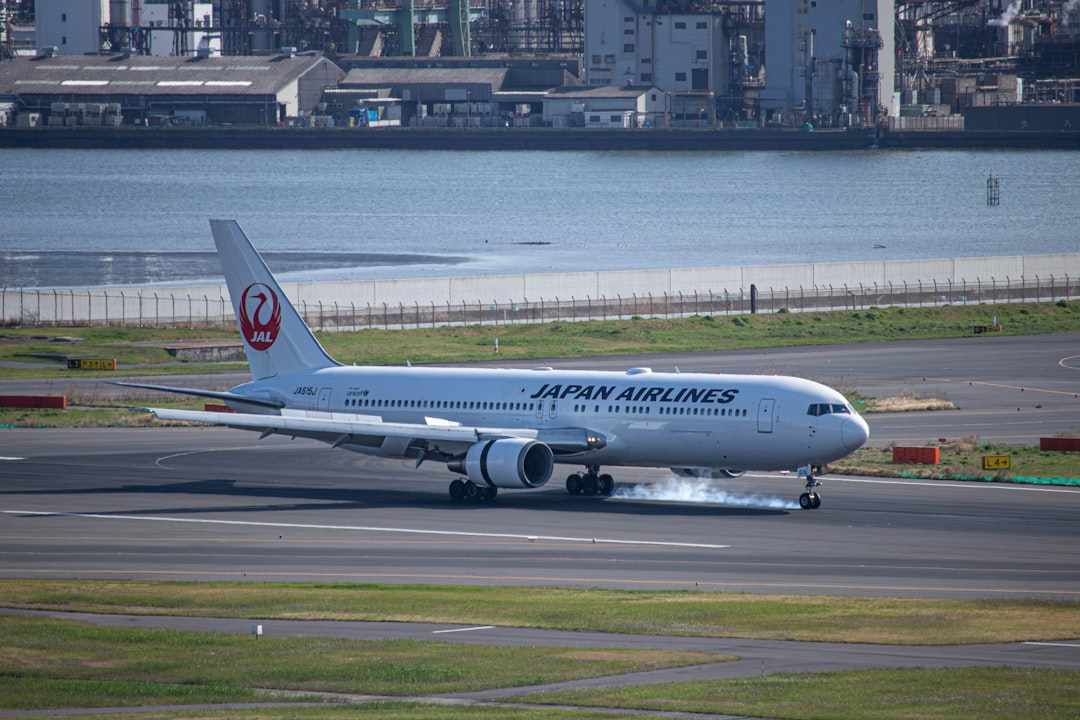
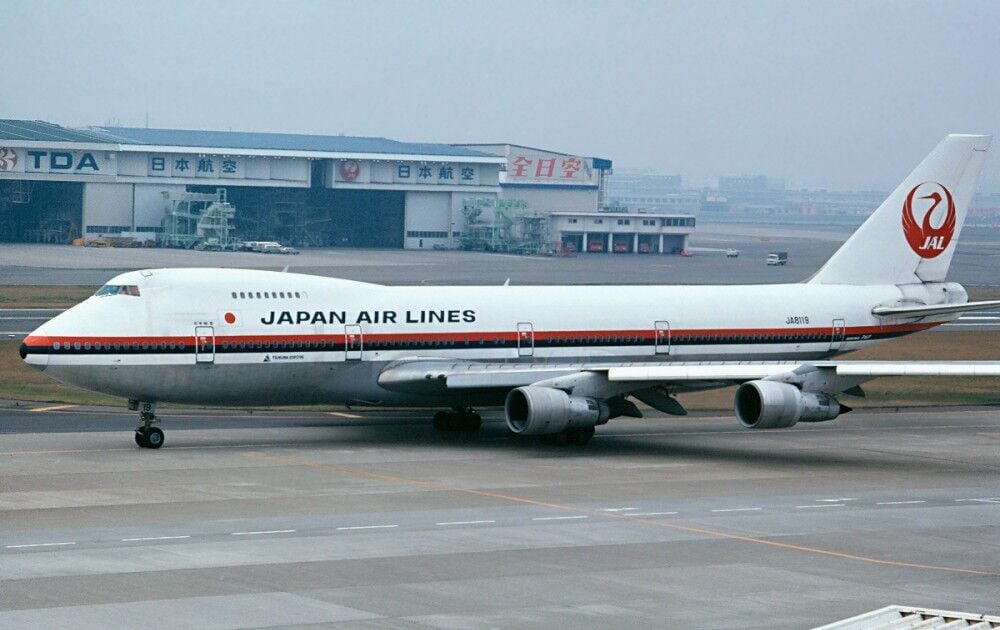
Japan Airlines and All Nippon Airways canceled all flights to and from Sendai, Japan, after tsunami warnings forced Sendai Airport to close. US carriers, including Alaska Airlines and Hawaiian Airlines, paused all flights bound for Hawaii while the tsunami warning remained in effect. Some planes already in the air turned back or returned to the mainland. International carriers like HK Express and EVA Air also suspended Sendai flights. Hawaiian Airlines resumed operations by the evening of July 30, while Alaska Airlines planned to restart service the next morning. Flexible waivers allowed affected travelers to change or cancel flights without penalty.
Free toolB1/B2 Tourist Visa Stay Calculator online
The Pacific Tsunami Warning Center (PTWC) first issued a full warning for Hawaii, later downgrading it to an advisory after the first waves arrived and proved smaller than expected. Hilo, Hawaii, recorded a tsunami height of 4.9 feet, and Kahului, Maui, saw four feet. Japan’s Meteorological Agency ordered evacuations for Pacific coastal cities, warning of waves up to 10 feet. The US West Coast, including California, Oregon, and Washington, as well as British Columbia and Alaska, were placed under tsunami advisories, with waves of 1–2 feet observed.
Hawaii Governor Josh Green urged everyone in low-lying coastal areas to evacuate, warning, “it will not just hit one beach—it will wrap around the islands.” Emergency shelters opened, and Black Hawk helicopters and high-water vehicles stood ready for rescues. California Governor Gavin Newsom confirmed that local officials were prepared for possible impacts.
Travelers faced uncertainty as tsunami warnings led to airport closures, flight delays, and hotel evacuations. Some passengers could not return to hotels due to evacuation orders. Airlines and airports worked closely with government agencies to provide real-time updates and prioritize safety. According to analysis by VisaVerge.com, these disruptions highlight the importance of strong communication and flexible policies during emergencies.
Tsunami warning systems have improved since the 2004 and 2011 disasters, with real-time ocean data and better modeling helping reduce false alarms. Japan’s preparedness, including evacuation drills and coastal sirens, allowed for smoother evacuations. Russia’s remote Pacific outposts suffered the most severe damage, exposing gaps in disaster response.
8.8-magnitude earthquake struck off Kamchatka Peninsula
Tsunami warnings issued across the Pacific
Hawaiian Airlines resumed operations
Alaska Airlines planned to restart service
Tsunami height recorded at Hilo, Hawaii
Looking ahead, air travel disruptions may continue for several days as airlines clear backlogs and airports finish safety checks. Policy reviews and upgrades to early warning systems are expected, especially in Russia and other vulnerable areas. Climate change and tectonic activity may increase the risk of future events, making ongoing investment in resilience and preparedness essential.
For the latest tsunami warnings and travel updates, visit the Pacific Tsunami Warning Center’s official website. Travelers should check airline notifications and local emergency alerts, as conditions can change quickly. Flexible airline waivers and strong emergency response plans remain key to protecting communities and travelers during natural disasters.
Learn Today
Tsunami Warning → An alert issued to warn about possible large ocean waves caused by underwater earthquakes.
Pacific Tsunami Warning Center → US-based agency that monitors and issues tsunami alerts for the Pacific region.
Flexible Waivers → Policies allowing travelers to change or cancel flights without penalties during emergencies.
Evacuation Orders → Official instructions for people to leave dangerous areas to ensure safety.
Flight Disruptions → Delays or cancellations of airline flights due to safety concerns or emergencies.
This Article in a Nutshell
A massive earthquake off Russia’s Kamchatka Peninsula on July 29 disrupted Pacific flights and triggered widespread tsunami warnings, causing evacuation orders and cancellations in Japan and Hawaii. Emergency agencies responded swiftly with shelters, flexible airline policies, and preparedness measures, highlighting increased disaster readiness and communication improvements in the Pacific region.
— By VisaVerge.com