- ICE deportation flights using military aircraft cost taxpayers up to $852,000 per mission.
- Military planes like the C-130E are nearly 100 times pricier than standard DHS charter flights.
- Critics argue using defense assets weakens military preparedness and strains diplomatic relations with partners.
(UNITED STATES) — U.S. Immigration and Customs Enforcement has drawn renewed scrutiny over deportation flights that can cost taxpayers up to $852,000 each when the agency uses military aircraft instead of standard Department of Homeland Security charters.
Those costs have fueled a debate over fiscal efficiency inside a broader immigration enforcement strategy shaped by President Donald Trump’s use of military resources for removals. Critics have questioned why flights carrying about 80 deportees can cost many times more than charter alternatives.
Why Military Aircraft Drive Up the Cost
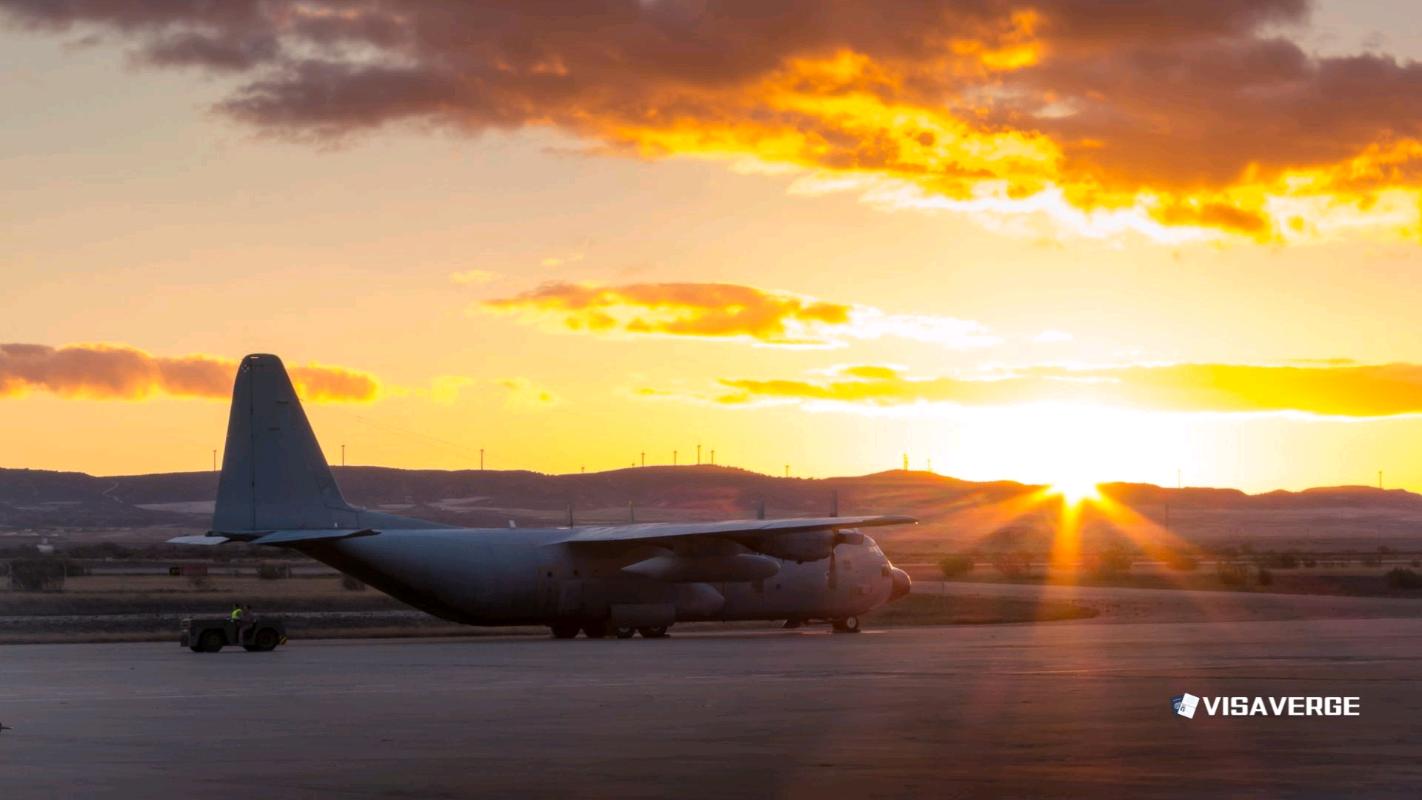
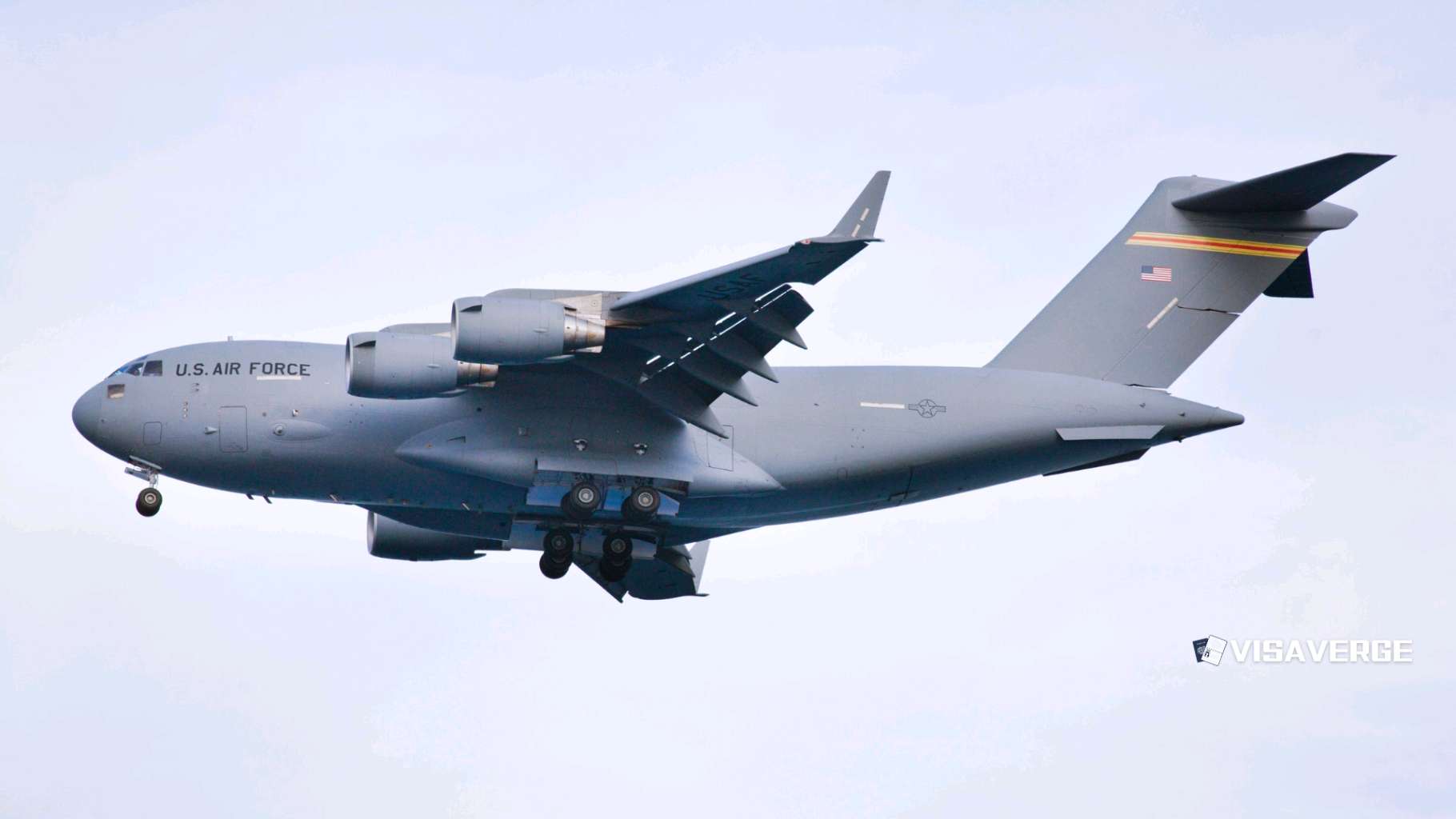
At the center of the cost gap is the aircraft itself. ICE began relying on U.S. military planes such as the C-17 and C-130E for some removals under Trump, even though those aircraft were built for defense missions and cost far more to operate than the charter planes DHS typically uses for deportation flights.
Operating the C-17 costs around $21,000 per hour. A 12-hour flight from El Paso, Texas, to Guatemala City carrying 80 deportees can cost approximately $252,000.
The C-130E is even more expensive. Its operating cost ranges from $68,000 to $71,000 per hour, pushing a similar route to between $816,000 and $852,000.
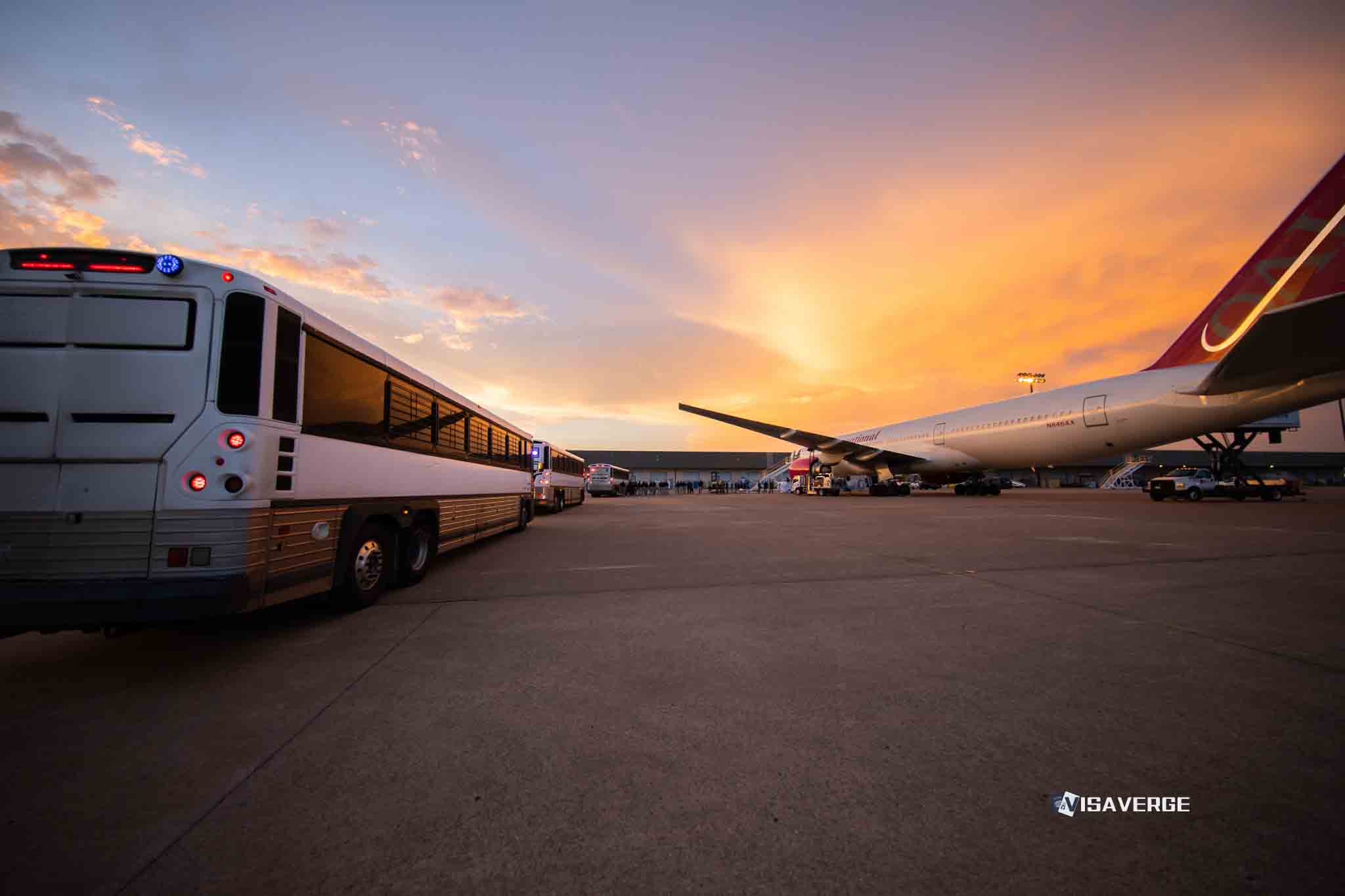
By contrast, DHS charters for the same route would cost roughly $8,577. That comparison has sharpened questions about how ICE and the administration use taxpayer funds, and whether military aircraft serve an immigration purpose that cheaper civilian options could handle.
Several factors drive the higher per-flight and per-person costs. Military aircraft require specialized crews, heightened security and extra resources, all of which add to the total expense.
Those operational demands matter when a plane carries a limited number of deportees. With around 80 people on board, a flight costing $252,000 works out to roughly $3,150 per person, while a flight costing $852,000 comes to about $10,650 per person.
The use of military planes also carries a separate policy cost because those aircraft are diverted from defense-related roles. Critics have argued that assigning them to deportation flights weakens military preparedness and imposes indirect costs beyond the flight bill itself.
Trump’s Policy Framework for Military Involvement
Trump’s immigration approach gave that shift a policy framework by declaring immigration enforcement a national emergency. That declaration allowed the use of Department of Defense equipment and personnel in deportation efforts and tied removals more closely to military assets.
The administration also paired costly flight operations with other aggressive enforcement measures, including nationwide raids. One raid in Newark involved alleged Fourth Amendment violations, including the detention of U.S. citizens and a military veteran.
That hard-line posture came with heavy financial investment in enforcement, not only in aircraft but in the broader machinery needed to arrest, detain and remove people. Critics have said those spending choices do not show clear evidence of better immigration outcomes.
Historically, the United States has not deported more than half a million immigrants annually. Against that backdrop, the use of planes carrying around 80 deportees at a time has raised questions about whether the operational model matches the money being spent.
The debate also extends beyond military aircraft versus charter flights to a comparison with commercial removals. Charter operations are the standard tool for DHS because they can move groups at far lower cost, while commercial travel is generally a more routine civilian option than putting deportees on defense aircraft.
Military aircraft sit at the most expensive end of that spectrum. Charter flights cost a fraction of the price, and commercial removals do not require the same specialized military crews, security posture or defense equipment.
Funding for the flights ultimately comes from taxpayers, because ICE carries out the removals as part of federal immigration enforcement. That has put the spending under pressure from lawmakers and advocacy groups who want a closer look at what they see as an expensive use of public money.
Rep. Bennie Thompson (D-MS) said, “We must ensure fiscal accountability at all levels of immigration enforcement.”
Deportation Flight Numbers and Destination Patterns
Questions over cost have grown alongside the regularity of removals to certain destinations. From 2020 to 2024, approximately 475 flights deported individuals from the United States to Colombia ??.
In 2024 alone, 124 deportation flights reached Colombia. That placed Colombia fifth among deportation destinations behind Guatemala ??, Honduras ??, Mexico ??, and El Salvador ??.
Those figures show how routine deportation flights have become within U.S. immigration enforcement. They also show why even a small number of very expensive military aircraft missions can have an outsized effect on the overall bill.
Diplomatic Fallout and Human Rights Concerns
Diplomatic friction has added another layer to the issue. Colombia’s President Gustavo Petro refused to accept a deportation flight conducted with U.S. military planes, citing concerns over the treatment of deportees and the nature of U.S. deportation policies.
The standoff widened into a larger dispute when Trump threatened Colombia with steep tariffs on imports and introduced visa restrictions for Colombian ?? officials. After negotiations, Colombia allowed the deportation flights, including those using military aircraft.
That episode showed how deportation tactics can affect relations with partner countries. A removal flight is not only a transport operation; it can also become a diplomatic flashpoint when receiving governments object to the way deportees are handled or to the symbolism of military involvement.
Human rights organizations have also criticized the use of military aircraft in deportations. Their concerns focus on the treatment of deportees, the harsh conditions some face, and the psychological toll of being transported on a military plane.
Critics have argued that the money spent on high-cost flights could be redirected toward other responses to migration, including development programs in home countries and efforts to address problems in U.S. immigration processing. They have also questioned whether expensive removals do much to reduce illegal border crossings or visa overstays.
That challenge goes to the heart of the enforcement case for militarized removals. Analysts have said aggressive deportation strategies under Trump may not have substantially reduced illegal immigration, even as they consumed large sums and drew public attention.
The policy has also reopened questions about civilian and military boundaries. Using defense aircraft for civilian immigration enforcement blurs that line and raises ethical and legal concerns that go beyond the cost of any single flight.
The Cost Comparison at a Glance
For ICE, the financial comparison remains stark. A charter flight at roughly $8,577 stands far below a C-17 mission at approximately $252,000 and even farther below a C-130E mission costing between $816,000 and $852,000.
That means the most expensive military aircraft option can cost nearly 100 times as much as the charter figure cited for the same El Paso-to-Guatemala City route. Even the lower military estimate far exceeds the cost of a standard charter.
Per-person costs tell the same story. A charter flight costing $8,577 for 80 deportees comes to about $107.21 per person, while the C-17 and C-130E figures are vastly higher.
Supporters of tougher enforcement have argued that the operations were necessary to secure U.S. borders. Critics have countered that the expense, the military role and the diplomatic fallout show an enforcement model that places symbolism above cost control.
That tension has defined the argument over deportation flights as public scrutiny has grown. One side sees a show of force aimed at deterring illegal immigration, while the other sees a costly system that strains budgets, blurs missions and tests relations with foreign governments.
Pressure has mounted for ICE and DHS to rely more on cost-effective methods, especially standard charter flights, when removals go forward. Better coordination with partner countries has also been raised as a way to reduce the need for the most expensive aircraft.
The broader question is whether enforcement spending aligns with immigration goals. Critics say a strategy built around costly military flights risks missing the chance to pursue more balanced measures, including legal visa reform, humanitarian support and work on the root causes of migration.
For now, the numbers continue to drive the debate. A deportation flight costing up to $852,000 to remove about 80 migrants has become a symbol of the wider fight over how ICE enforces immigration law, how military aircraft are used, and how much taxpayers should pay for that approach.