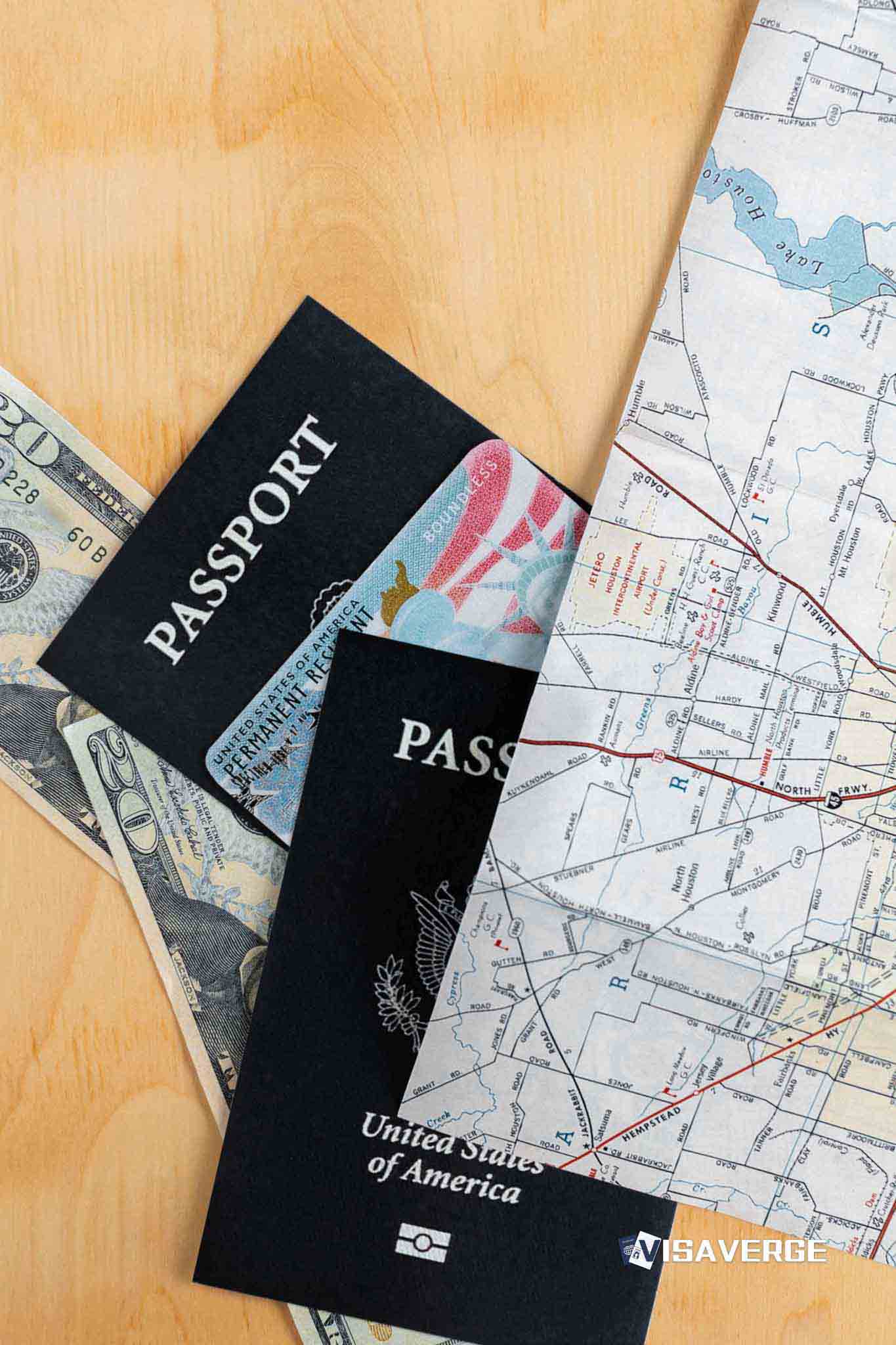
- Adult travelers must now present REAL ID-compliant identification for all domestic flights in the U.S.
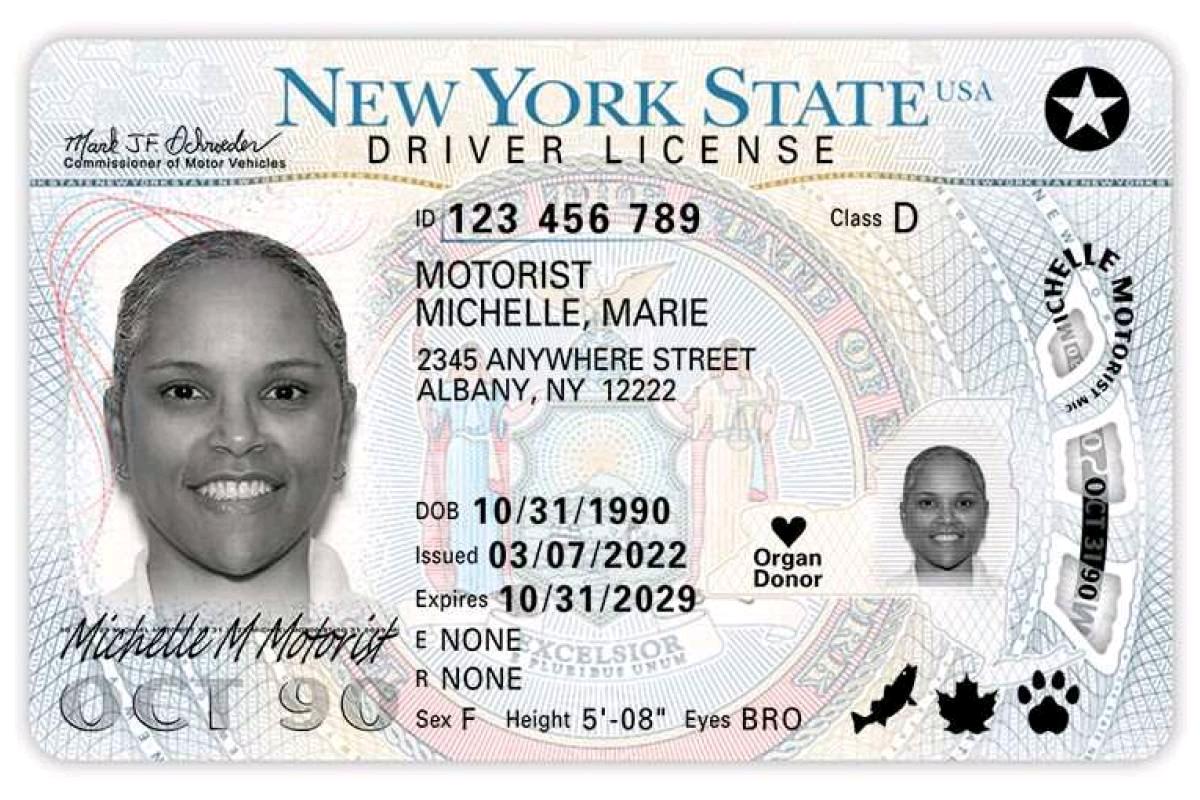
- A compliant card is typically identified by a star in the upper corner of the license.
- Passports, military IDs, and permanent resident cards remain valid alternatives for airport security checkpoints.
(UNITED STATES) REAL ID is now the standard TSA accepts for adult passengers on domestic flights, and the old grace periods are over.
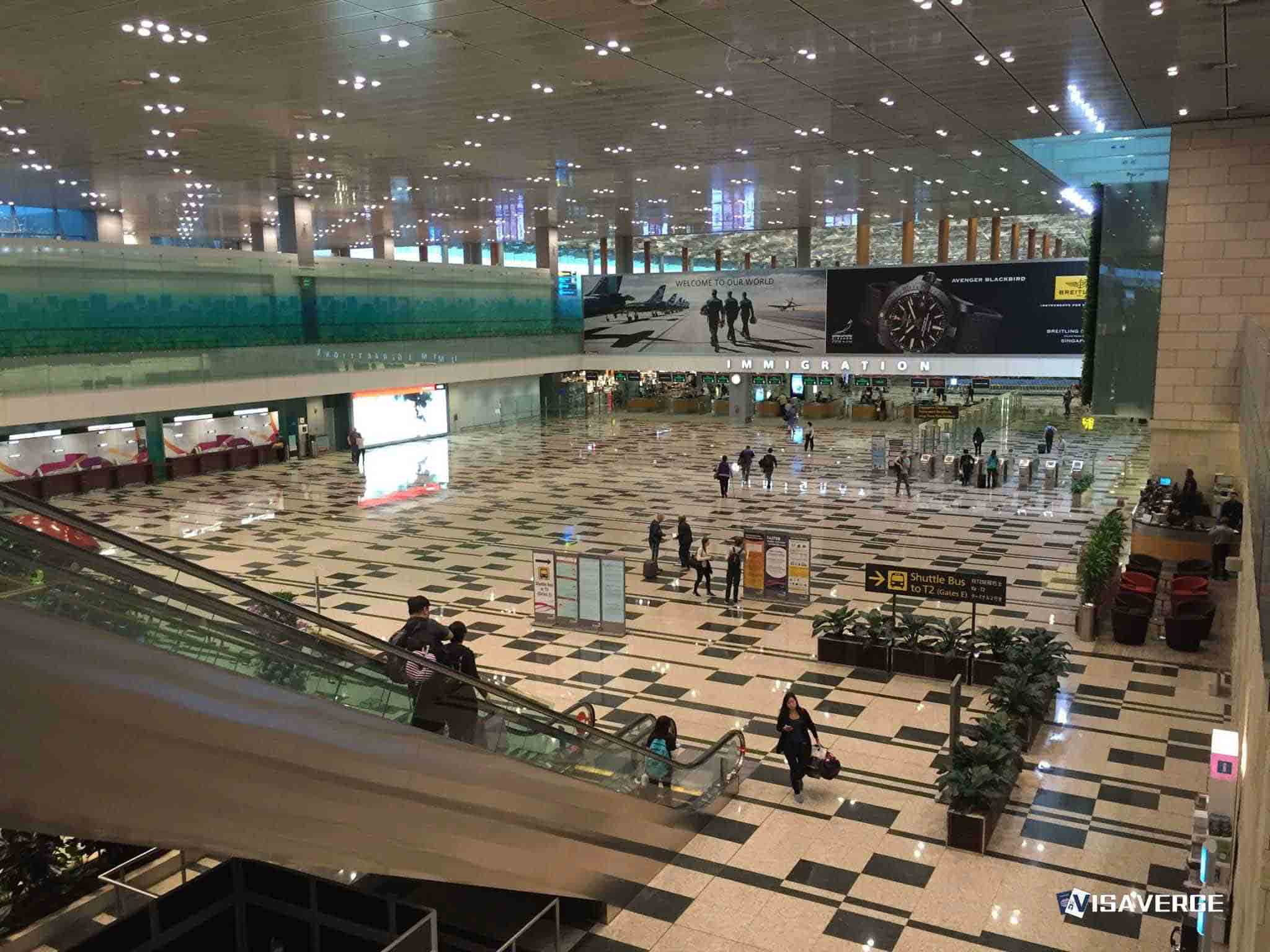
Since May 7, 2025, adults 18 and older have needed a REAL ID-compliant license or another accepted document to get through airport security on flights within the United States.
The rule comes from the REAL ID Act of 2005, which set federal security standards for state-issued IDs after 9/11. For travelers, the change is simple but strict. A standard driver’s license without the star no longer works at TSA checkpoints for domestic flights.
Airport screening under the post-May 7, 2025 rule
TSA officers now check IDs more closely at security lanes nationwide. A compliant card usually shows a star in the upper corner, often gold or black. That star tells TSA the card meets federal standards.
Children under 18 do not need their own REAL ID when traveling with a compliant adult. International trips still require a passport, even if the traveler has a REAL ID. The rule only covers domestic air travel and access to certain federal facilities.
TSA also pushed other screening changes into the same period. Many major airports now use advanced CT scanners, which let passengers keep laptops and 3.4-ounce liquids in carry-ons. In July 2025, TSA ended the shoe-removal rule for most passengers. Facial recognition and automated lanes now speed up identity checks at many airports.
These changes were designed to move lines faster while keeping screening tight. TSA has also expanded TSA PreCheck, which still gives members faster lanes and simpler screening. But PreCheck does not replace the ID rule. Travelers still need a REAL ID or another accepted document.
According to analysis by VisaVerge.com, the biggest pressure point is not security screening itself. It is the mismatch between what people expect and what airport checkpoints now require. That gap has kept airport staff busy and has caused missed flights for travelers who arrive with the wrong card.
Accepted documents when a REAL ID is not available
A REAL ID is not the only document TSA accepts. Several federally approved alternatives work at domestic checkpoints, and many travelers already carry one of them.
- U.S. passport or passport card: Works for domestic flights and international travel.
- Military ID or Common Access Card: Accepted for active-duty service members, dependents, and some Defense Department staff.
- Enhanced Driver’s License: Issued by certain states and accepted by TSA.
- Trusted traveler cards: Global Entry, NEXUS, SENTRI, and FAST cards are accepted, and many include PreCheck benefits.
For immigrants, the backup document often matters as much as the license itself. A valid passport from another country can work at TSA checkpoints when paired with the right immigration documents. Green card holders, students, visitors, refugees, and asylees should carry status papers that match their travel record.
How the REAL ID process works
The process usually starts at the state motor vehicle office. All 50 states, Washington, D.C., and U.S. territories issue REAL IDs. The steps are similar across states, though appointment systems and fees differ.
- Check the card you already have. Look for the star. If it is there, the card is usually REAL ID-compliant.
- Gather the required documents. Most states ask for proof of identity, Social Security number, and residency. If your name changed, bring marriage or court records.
- Visit the DMV in person. Full online issuance is not allowed. Many offices require appointments, and some charge a small extra fee.
- Wait for the new card. Some states issue it right away. Others mail it later.
For official federal guidance, travelers can review the DHS REAL ID page. It explains the federal standard and points travelers to state-level steps.
Why immigrants, students, and temporary residents feel the pressure
REAL ID has a special impact on people who are new to the United States or hold temporary status. Many of them already have valid legal documents, but they do not always know which paper TSA will accept.
Permanent residents can apply with a green card and related identity records. Students on F-1, J-1, or M-1 visas usually rely on a passport, visa stamp, and documents such as the I-20 or DS-2019. Refugees and asylees use their immigration papers and state ID systems.
Undocumented immigrants face the hardest limit. Some states issue driver’s licenses that are valid for driving, but they do not carry the REAL ID star. Those cards fail at TSA checkpoints for domestic flights. A passport from a home country, when available, remains the cleaner backup for airport travel.
The timing also matters. TSA says over 80% of U.S. adults now hold compliant IDs, but airport problems still appear at busy hubs such as Atlanta, Los Angeles, and Chicago. In the first months of enforcement, 1% to 2% of passengers ran into ID trouble, which translated into thousands of people each day.
The new ConfirmID option and its limits
A major change arrived on February 1, 2026. TSA launched ConfirmID, a paid identity-check tool for travelers who show up without an accepted ID. The fee is $45.
Travelers submit their name and travel dates through TSA’s website or airport QR codes. They then receive a receipt that stays valid for 10 days. That receipt can help verify identity at the checkpoint. It does not guarantee smooth screening, and travelers should expect extra time.
TSA says the option prevents outright denial in some cases, but it is not a real substitute for compliance. Airlines have also warned passengers that missed flights can lead to rebooking costs. Alaska and United both told travelers to handle identity issues before arriving at the airport.
The new tool also carries limits for government travel. It is not reimbursable for official Department of Defense travel. For many passengers, the message is blunt: pay now for a workaround, or update the ID and stop the problem at the source.
What travelers should expect at the airport
Travelers without a REAL ID should expect longer screening time and more questions. Those with ConfirmID should expect even more delay. TSA checkpoints are moving faster in many airports because of new scanners and automated lanes, but the ID check still comes first.
Holiday periods remain the toughest time. TSA advises arriving 2 hours early for domestic flights. That advice matters more now, because a missing star can stop a traveler before the rest of the screening process even begins.
For families, the process is easier when documents are organized before leaving home. For business travelers, the cost of a missed flight can be much higher than the price of a compliant ID. For immigrants, the safest move is to keep a passport and immigration papers ready every time they fly.
Compliance, myths, and the practical reality
A few myths still confuse travelers. REAL ID does not change voting rules. It does not change basic driving privileges. It also does not create a new surveillance system. It is an ID standard tied to federal security checks.
The practical reality is more direct. If an adult traveler wants to board a domestic flight in the United States, TSA now expects a REAL ID or an accepted substitute. For many people, the best backup is a passport. For others, the answer is a DMV visit well before the next trip.
States with high demand, including Texas, continue processing large volumes of applications. Some offices have seen record demand since enforcement began, and issuance rates have climbed sharply in places such as Florida. For travelers who still need the card, early action matters more than airport improvisation.
The federal shift has already reshaped airport behavior, and it will keep shaping it. Travelers who keep their documents current move faster, face fewer questions, and avoid the stress of last-minute checkpoint problems.