Steps to Immigrate to the US Permanently After F-1 Studies
Are you an international student currently studying in the United States and hoping to transition to permanent residency after your studies? The process may seem complex, but with accurate information and proper guidance, it’s achievable. Let’s explore the options available for F-1 students to immigrate permanently to the US.
Transition to Work Visa
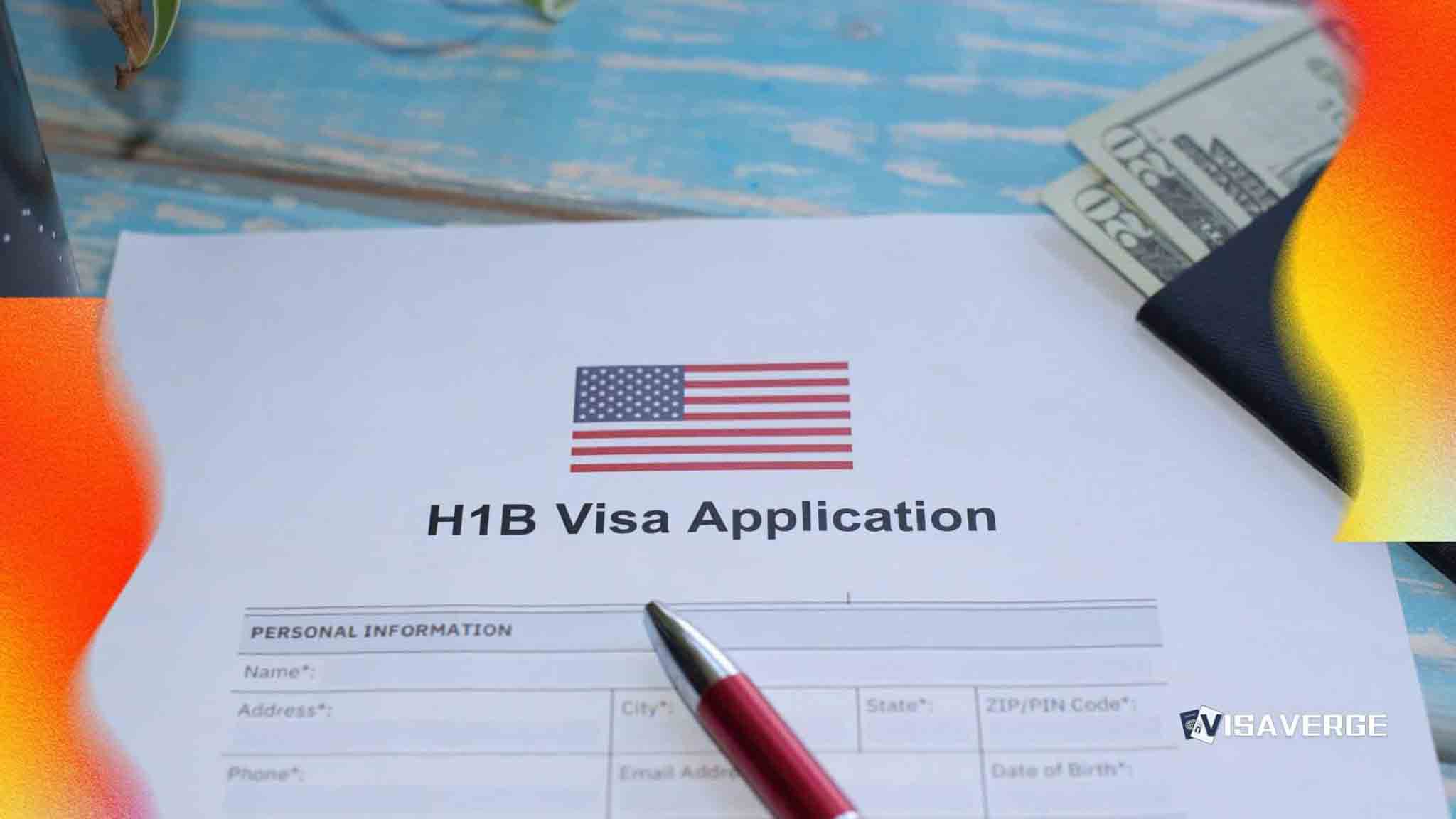
One popular route is transitioning from an F-1 student visa to a work visa which can eventually lead to permanent residency. This is commonly done through an H-1B visa, which is for specialty occupations.
Free toolOPT Timeline Calculator OnlineThe Optional Practical Training (OPT)
The Optional Practical Training (OPT) provides an opportunity for F-1 students to gain up to 12 months of work experience in their field of study (24 additional months for STEM graduates). It’s essential to apply for OPT before the completion of your academic program. Upon securing a job offer, you can then seek employer sponsorship for an H-1B visa.
The H-1B Visa Process

Employers submit a petition to the U.S. Citizenship and Immigration Services (USCIS) during the H-1B application period, typically starting April 1. This visa has a cap that limits the number of petitions granted annually, so it’s crucial to prepare your documents beforehand for timely submission.
Employment-Based Green Cards
Once on an H-1B visa, the next step is applying for an employment-based green card. There are different categories depending on your qualifications:
- EB-1: For outstanding professors, researchers, or individuals with exceptional abilities.
- EB-2: For professionals with advanced degrees or exceptional ability.
- EB-3: For skilled workers, professionals, and other workers.
Your employer must usually undergo a Labor Certification process to prove that no suitable American worker is available for your job. This is a prerequisite for EB-2 and EB-3 categories.
Marriage to a U.S. Citizen or Permanent Resident
Marrying a U.S. citizen or lawful permanent resident provides another path to a green card. The U.S. citizen or permanent resident spouse can petition for you to adjust your status to that of a lawful permanent resident.
Diversity Visa Lottery
The Diversity Visa Lottery (DV Program) is another avenue, albeit less certain due to its random selection process. Annually, the Department of State conducts this lottery to issue about 50,000 immigrant visas to individuals from countries with low immigration rates to the U.S.
Seek Legal Advice
Navigating through the immigration process can be complicated. Seeking legal advice from an immigration attorney is advised to help you understand the best course of action personalized for your situation.
Conclusion
Immigrating to the US permanently after F-1 studies takes patience and careful planning. Whether it’s through employment, a family relationship, or even the Diversity Visa Lottery, there are multiple avenues to explore. Remember, always keep yourself informed and consult with immigration experts when needed.
For official information and guidance on U.S. immigration processes, always refer to U.S. Citizenship and Immigration Services (USCIS) or the U.S. Department of State. These resources are invaluable in keeping you abreast of the latest policies and procedures regarding your journey to U.S. permanent residency.
And there you have it, my friend! Navigating the path to permanent residency in the US after F-1 studies may seem like tackling a Rubik’s Cube, but armed with this info, you’re well on your way. Remember, for more in-depth guidance and tailored advice, check out visaverge.com. They’re the wizards of all things immigration-related and will help you conquer any visa challenges that come your way. Keep dreaming and stay committed to your American dream!
FAQ’s to know:
FAQ 1: How can F-1 students transition to permanent residency in the US?
Answer: F-1 students can transition to permanent residency in the US by exploring different options such as transitioning to a work visa like the H-1B visa, applying for an employment-based green card, getting married to a US citizen or permanent resident, or participating in the Diversity Visa Lottery program.
FAQ 2: Can F-1 students apply for a work visa after completing their studies?
Answer: Yes, F-1 students can apply for a work visa after completing their studies by utilizing the Optional Practical Training (OPT) program. Through OPT, F-1 students can gain work experience in their field of study for up to 12 months (24 months for STEM graduates) and then seek employer sponsorship for an H-1B visa, which is a common route to transitioning to permanent residency in the US.
FAQ 3: What are the different employment-based green card categories for F-1 students?
Answer: F-1 students can apply for employment-based green cards under different categories based on their qualifications. These include the EB-1 category for outstanding professors, researchers, or individuals with exceptional abilities, the EB-2 category for professionals with advanced degrees or exceptional ability, and the EB-3 category for skilled workers, professionals, and other workers. Generally, the Labor Certification process is required for the EB-2 and EB-3 categories to demonstrate that there are no suitable US workers available for the job.
What did you learn? Answer below to know:
- True/False: The Optional Practical Training (OPT) allows F-1 students to gain up to 12 months of work experience in their field of study.
- Which employment-based green card category is specifically for skilled workers, professionals, and other workers? a) EB-1 b) EB-2 c) EB-3
- What is the recommended step when navigating the immigration process to the US after F-1 studies? a) Marry a US citizen or permanent resident b) Apply for the Diversity Visa Lottery c) Seek legal advice from an immigration attorney