

VAWA Self-Petition Timeline: 41.5-Month Wait and Key Steps
VAWA self-petitions (Form I-360) currently face a benchmark processing time of 41.5 months, leading to a total 4–5…

How long can a green card holder stay out of US?
Green card holders can typically stay out of the US for up to six months without any issues.…

Student Visa Holders Beware: Shoplifting in the USA Could Cost You More Than You Think!
If caught shoplifting in the USA while on a student visa, consequences can be severe, including arrest, potential…

Can Employer File H-1B Petition from Abroad?
Yes, your employer can sponsor and file an H-1B petition for you when you are outside the USA.…

Working for a Different Employer on H1B from India: H1B Regulations for Remote Work Outside the USA
Working for a different employer on weekends while in H1B status outside the US is not a violation.…

USA Travel Checklist for Students 2024
Complete USA Travel Checklist: A guide for Indian students preparing for their 2024 study journey in the United…
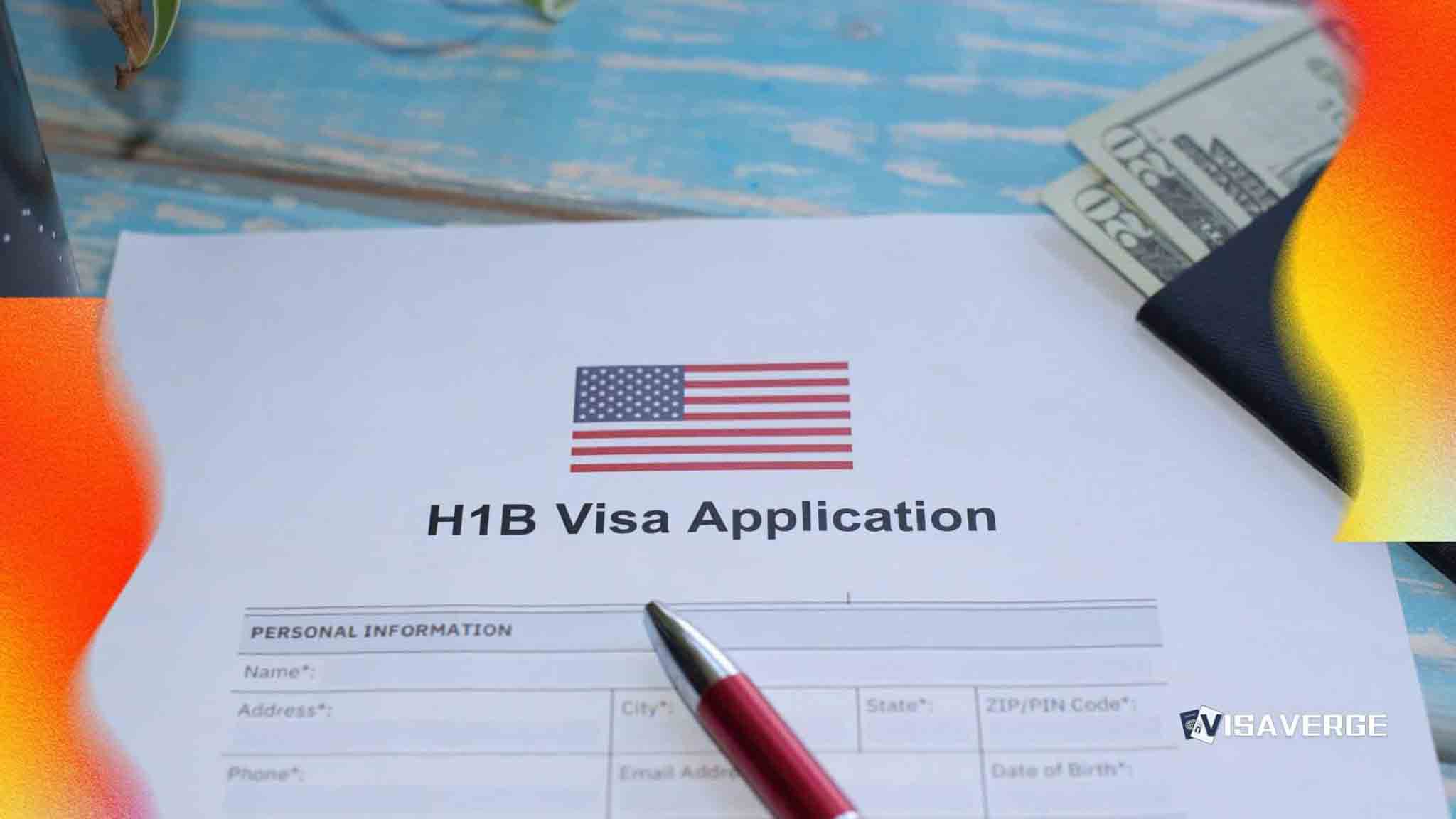
H-1B Visa Stamping with a Class a Misdemeanor: What to Expect
Guide to H-1B visa stamping with a misdemeanor in 2026. Learn about mandatory DS-160 disclosure, administrative processing risks,…

Rules for Working on a Student Visa in Spain: Everything You Need to Know
If you're studying in Spain on a student visa, you can work up to 30 hours per week.…

What to Do If Your H1B Visa Holder Friend Goes Missing: Check Visa Status and Report in the USA
If a friend on an H1B visa goes missing, you can check their H1B visa status and report…

NRE vs NRO Account: Benefits and When to Choose Each for NRIs in India
Learn about the differences between NRE and NRO accounts for NRIs in India. Discover their benefits, pros and…

UK Citizen Studying in the US: Process for Attending a US University and Staying in the US
The process of a UK citizen studying in the US involves applying for a student visa, meeting the…

How to Contact IRCC About Immigration Delays: Direct Methods for Updates and Inquiries
Wondering how to contact IRCC about immigration delays? Learn about the webform, email, phone, and GCMS notes as…
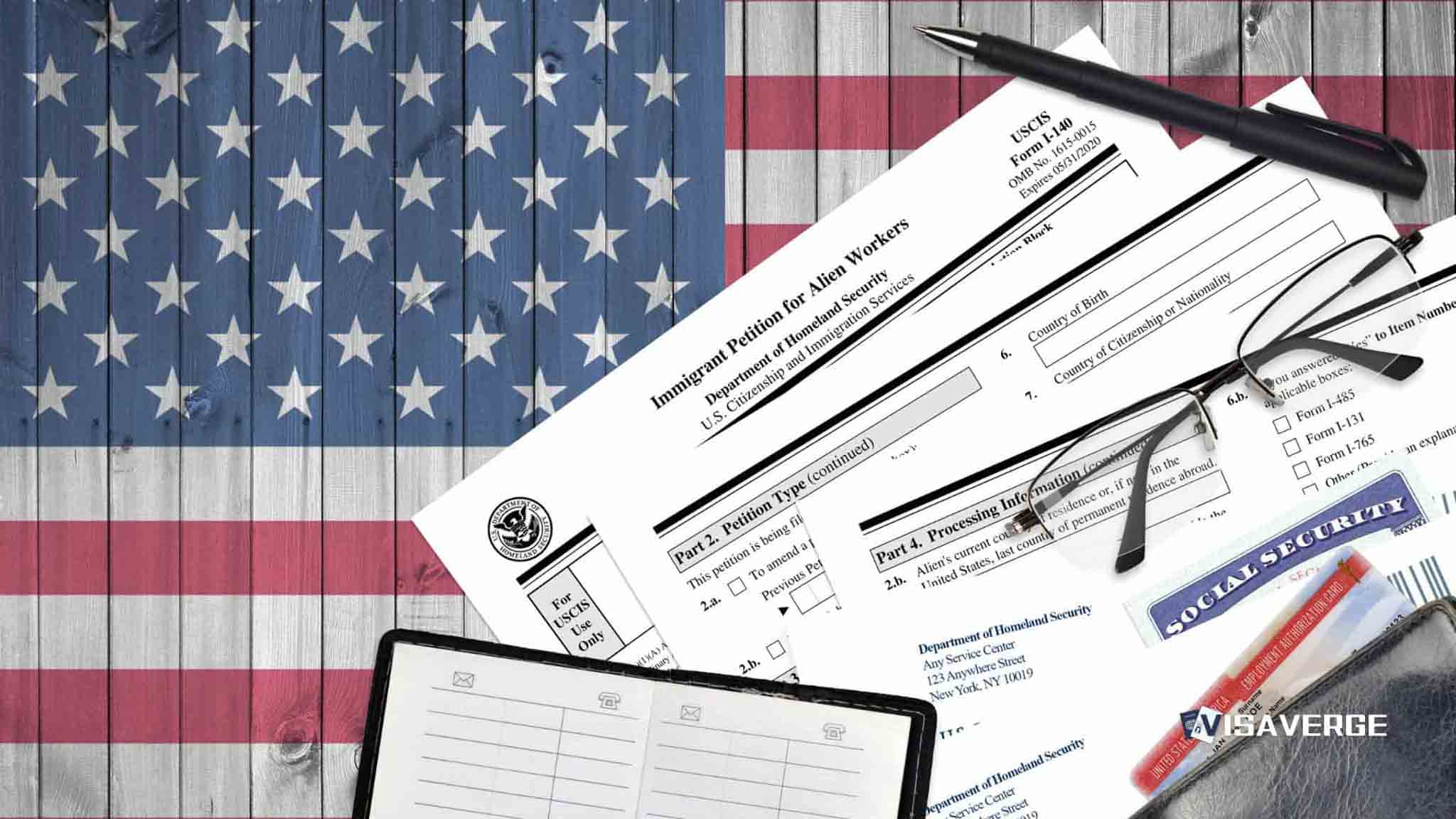
H1B Visa Bankruptcy Options: Can I File for Credit Card Debt?
Learn about the bankruptcy options for H1B visa holders with credit card debt and find out if it's…

Aadhaar Card for NRI: How to Apply and Requirements
NRIs can now apply for Aadhaar cards in India upon arrival. Valid Indian passport is accepted as proof…