

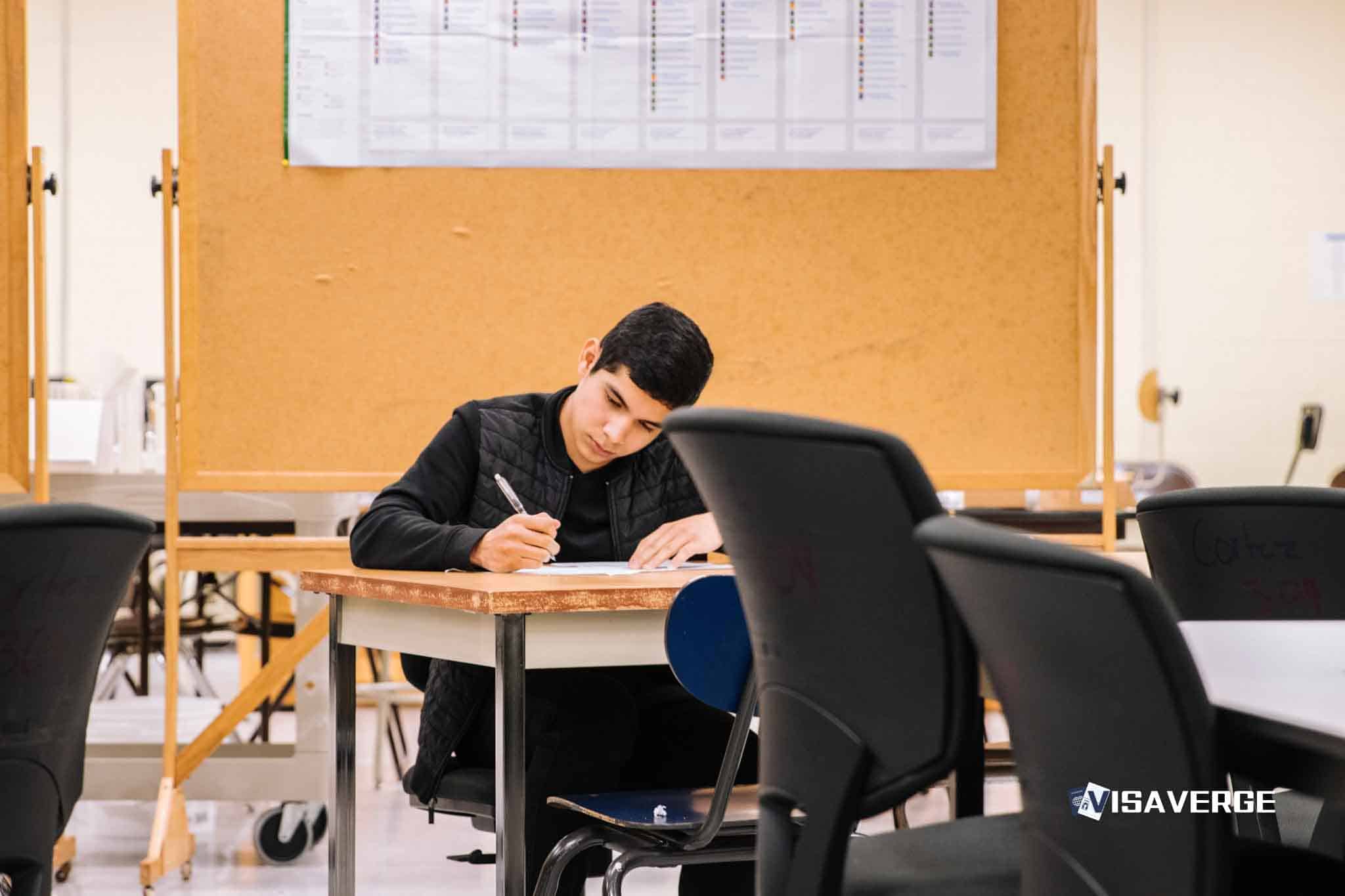
Can I Travel Out of UK on a Study Visa Post Classes?
Yes, you can travel out of the UK on a study visa after classes finish and before your…

UK Spouse Visa: Is a Housing Report Required?
Yes, a housing report is often required for a UK spouse visa application. This report demonstrates suitable living…
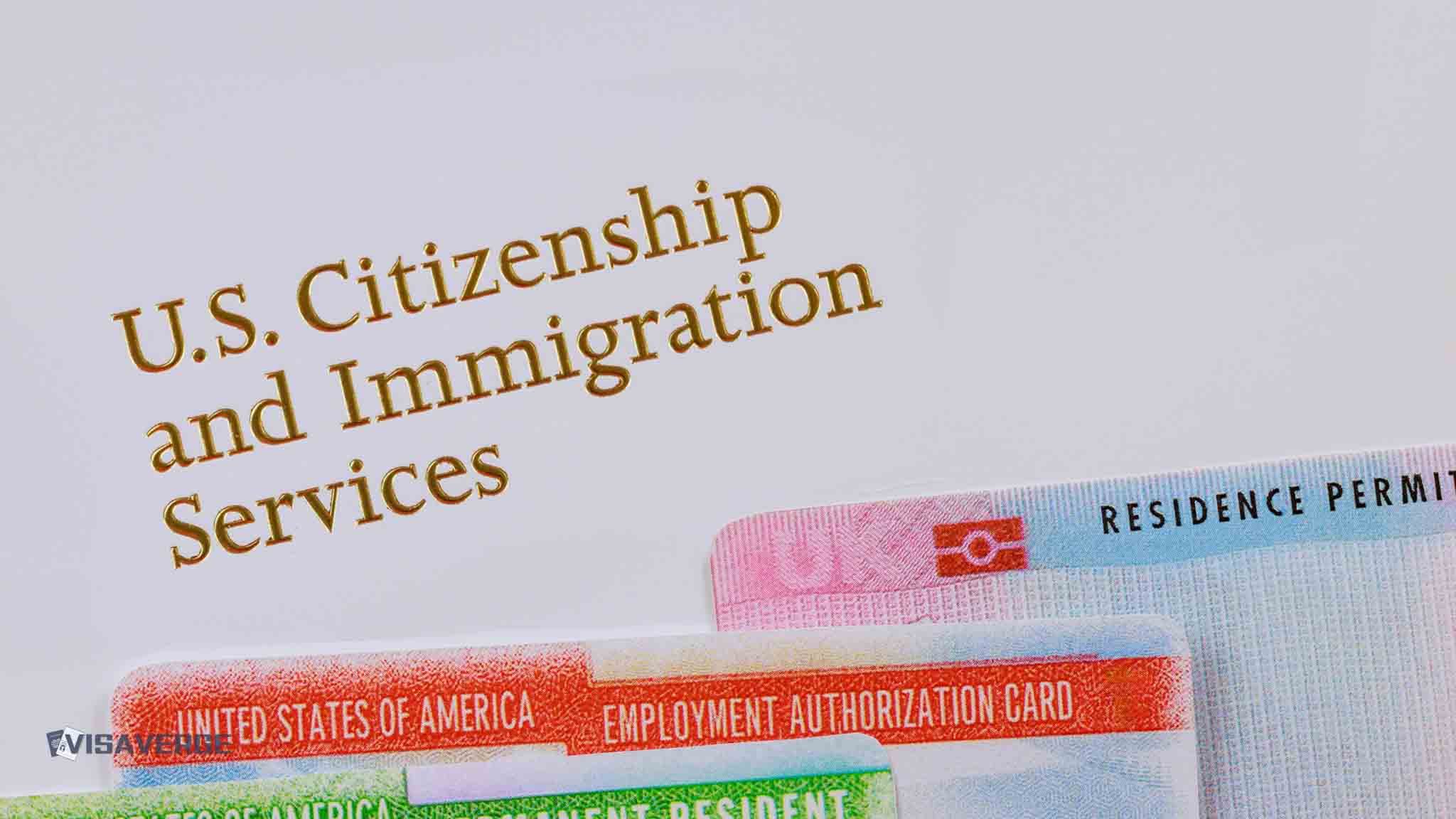
When Does USCIS Use My New Address After Online Change of Address Submission?
After submitting a change of address online, USCIS typically updates their system immediately. However, it might take a…

F1 International Student: Managing High Hospital Bills Not Covered by Insurance
F1 students in the U.S. with high uncovered medical bills can negotiate with hospitals, apply for charity care,…
How Old Can an Employer Letter Be for Applications?
Employment letters vary in age requirements: Immigration applications usually need letters not older than three months for current…

Tesla Tax Credit Eligibility for H1B Visa Holders
H1B visa holders can qualify for up to $7,500 in federal EV tax credits when buying a Tesla,…
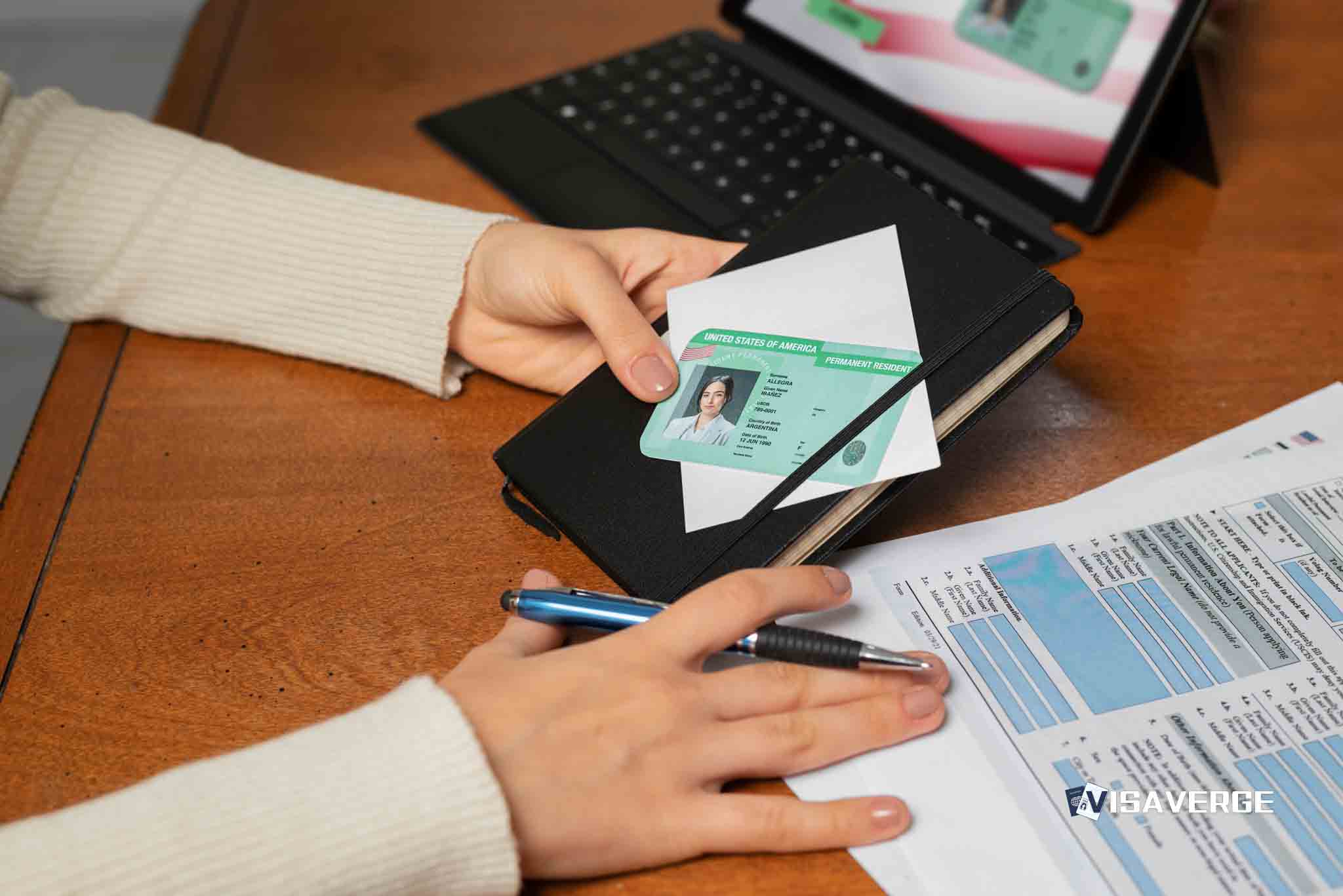
What Happens to I-130 if I-485 is Denied?
If Form I-485, Application to Register Permanent Residence or Adjust Status, is denied, Form I-130, Petition for Alien…
Does the DV Lottery Impact J1 Visa Applications?
Applying for the DV lottery does not automatically affect your J1 visa application unless you win and proceed…
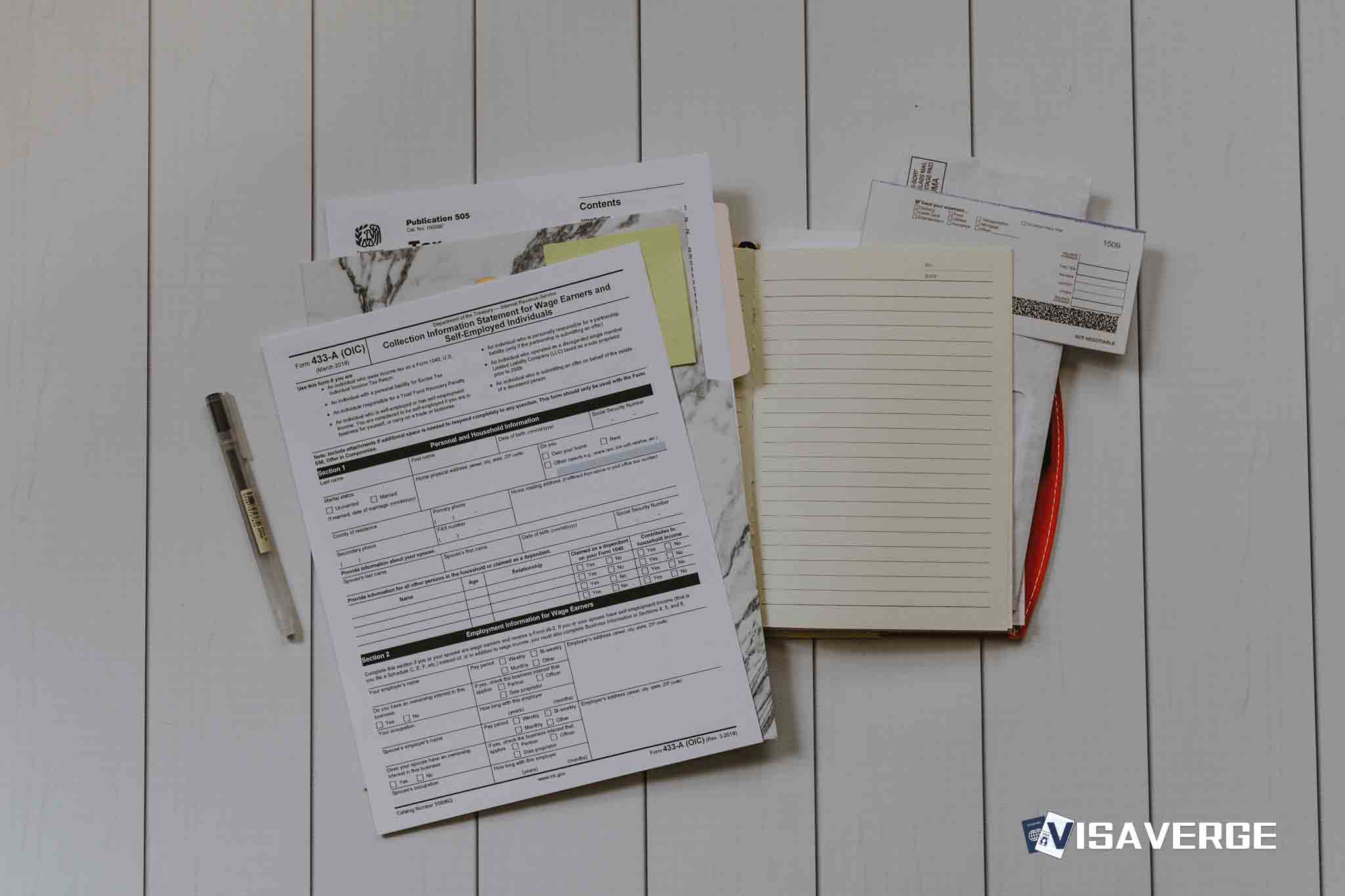
Overpaid on Part-Time CPT: What to Do?
Being overpaid during part-time Curricular Practical Training (CPT) means you received more money than your work contract or…
Change of Status: USA Tourist Visa to Spousal Guide
To change from a US tourist visa to a spousal visa, file Form I-130 for the spousal relationship…

Is Premium Processing Available for OPT?
Yes, you can use Premium Processing for OPT (Optional Practical Training) applications. It speeds up the approval process…
Apply for a Work Permit and Green Card Without a Lawyer
Filing for a work permit and green card without a lawyer requires careful attention to USCIS guidelines. Key…

Do I Need to Update My SSN Card After N400?
Yes, updating your Social Security Number (SSN) card is recommended after naturalization (N400 approval) to reflect your new…

USCIS Weekend Processing for National Visa Applications
USCIS generally operates Monday through Friday, excluding federal holidays. Case processing, approvals, and updates typically occur during regular…