


Can H1B Visa Holders Apply for Global Entry?
H1B visa holders can apply for Global Entry, which expedites U.S. customs processing. Benefits include quicker entry through…

Can H1B Holders Drive for Uber?
H-1B visa holders cannot legally drive for Uber as a side hustle. The visa restricts employment to the…

Part-Time Work Rules for H1B Visa Holders
H1B visa holders can work part-time if their employer files a specific part-time H1B petition with the USCIS.…

Green Card Arrival Before Biometrics Appointment, What to do?
Receiving a green card before the scheduled biometric appointment is unusual but can happen due to processing variances.…
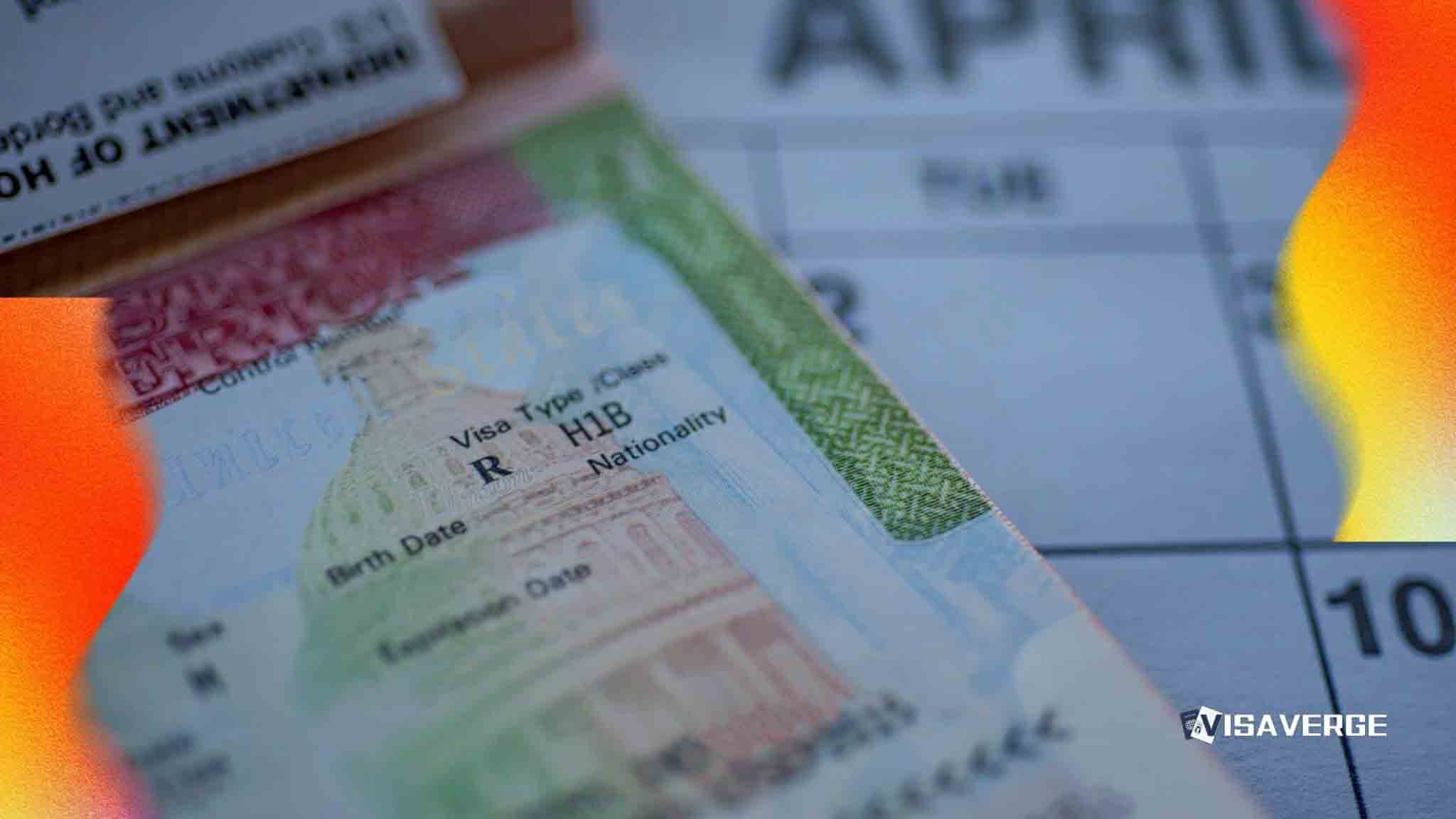
What to Do If You Find Someone’s I-797 Form?
If you find someone's I-797 document, do not share or publicize it. Contact the U.S. Citizenship and Immigration…

Found an OPT Card? Here’s What to Do
If you find someone's OPT or STEM OPT card, handle it responsibly. Contact the cardholder if possible, or…

Can Unpaid Speeding Tickets or Bench Warrants Hurt Your U.S. Visa?
Minor speeding tickets rarely block visas, but unpaid fines and bench warrants in 2026 trigger strict reviews that…

Green Card: Does Port of Entry Matter?
No, your port of entry does not matter when entering the USA with a green card. You can…

Are Spouse Visa Holders Considered Dependents according to Home Office?
Partners on a Spouse Visa are not considered 'dependents' by the Home Office. Dependents typically refer to children…
Can Your Employer Block H1B Stamping?
Yes, an employer can withdraw the H1B petition, affecting your stamping process. If the petition is revoked or…
Can I-130 Be Approved If I-485 Is Denied?
Yes, it's possible for an I-130 petition to be approved while the I-485 application is denied. This may…
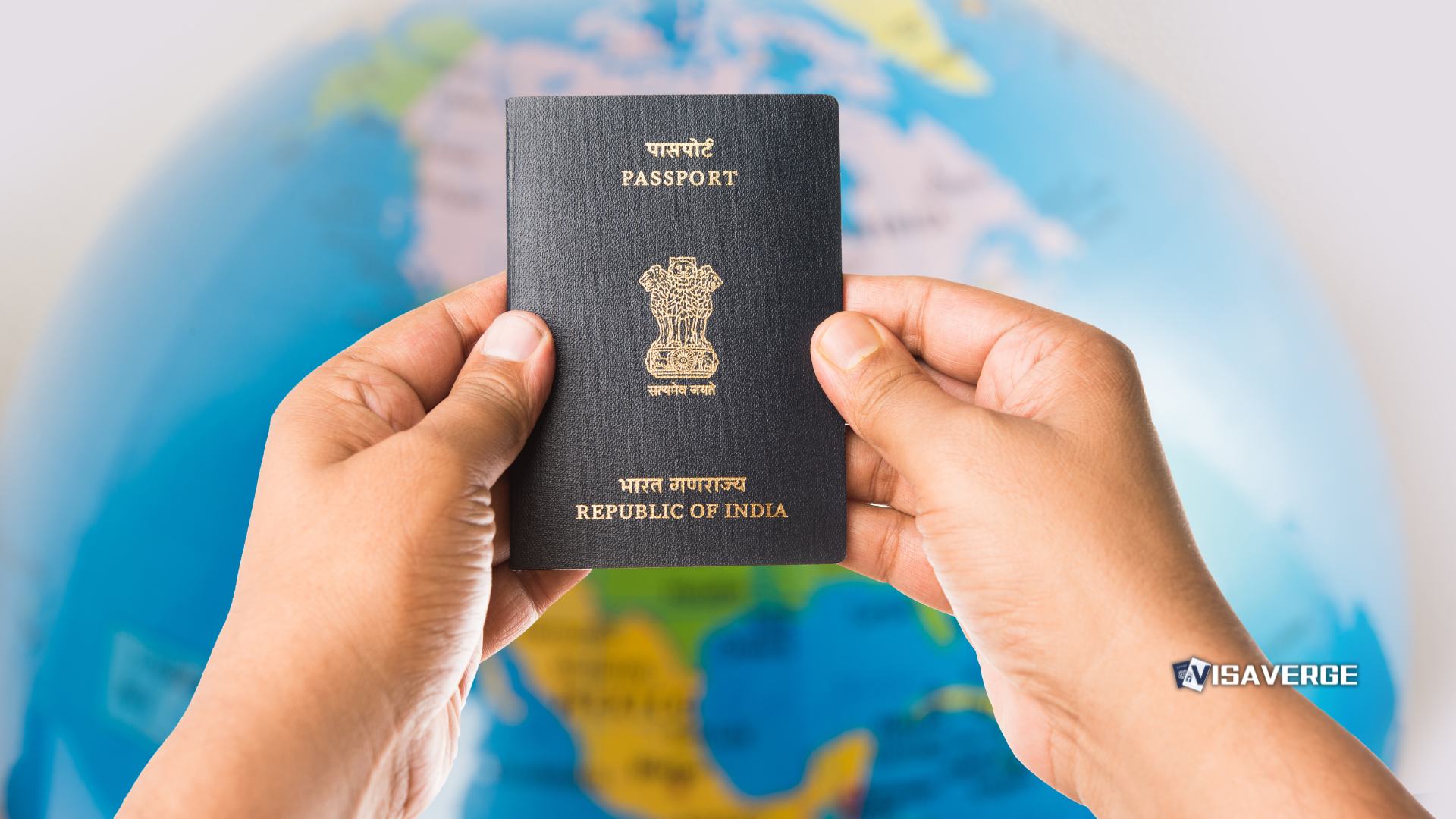
Impounded Indian Passport in 498a Case: What to Expect
When a passport is impounded in a 498a case in India, it means the authorities temporarily seize it…

Schengen Visa Denial: Understanding Rejection Reason No. 10
A Schengen Visa rejection with reason no. 10 indicates that the applicant provided unreliable information regarding the purpose…

Does Applying for a J-2 Visa Disclose Our Relationship?
Applying for a J-2 Visa can potentially reveal your relationship to your partner's employer, as it requires disclosing…