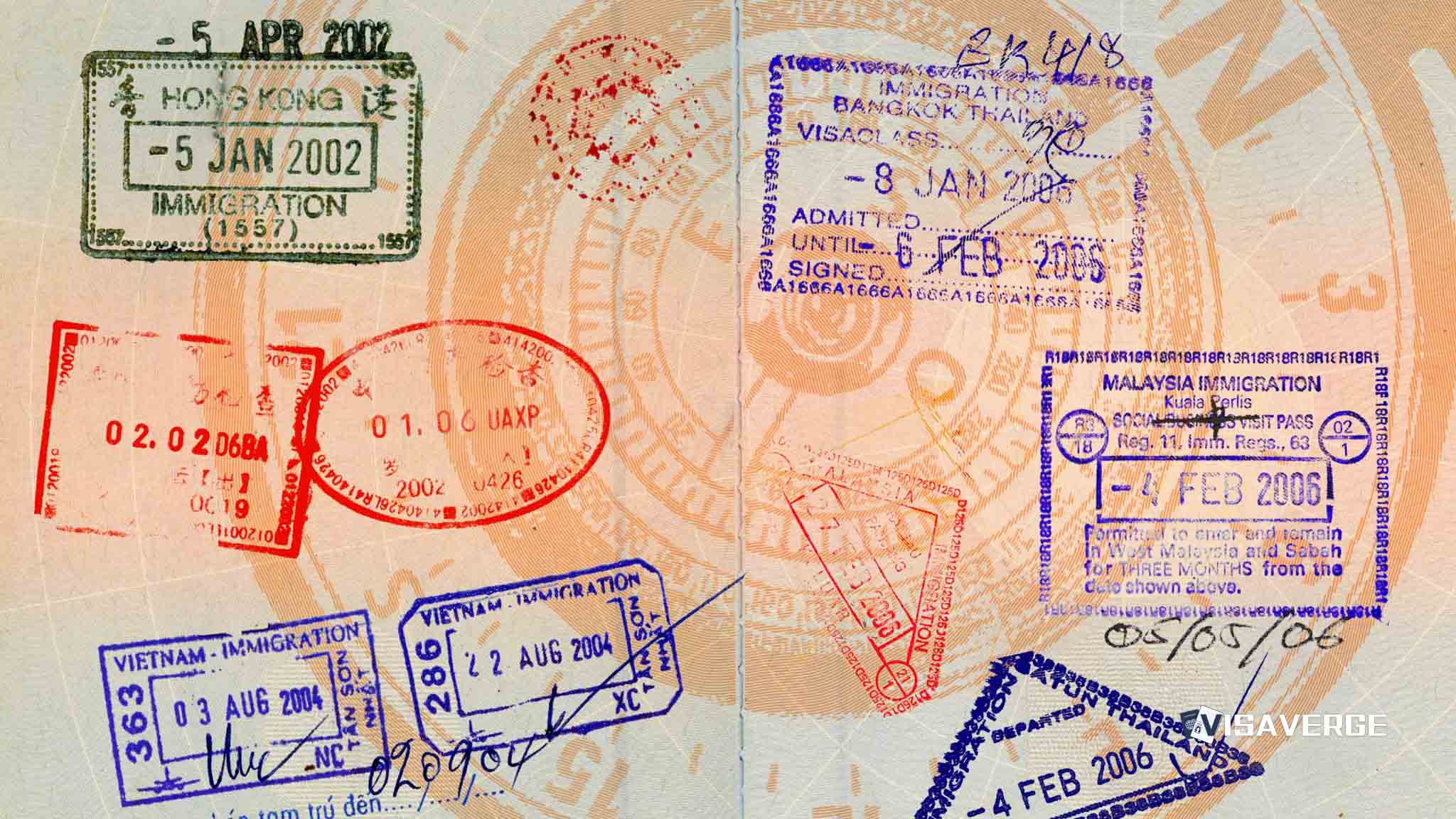
State Department Can Deny Passports for Certified Child-Support Arrears Over $2,500
Under federal law, the State Department must refuse passports to people whose state-certified child-support arrears exceed $2,500 once HHS transmits the certification, affecting applicants and passport holders who owe that much.
At a glance
- Federal law requires passport denial once HHS transmits a state arrears certification.
- The restriction is in force now for arrears above $2,500.
- Exactly $2,500 does not qualify; after payment, HHS must verify eligibility first.
Reviewed November 24, 2026 Checked against uscode.house.gov, travel.state.gov and ecfr.gov
The State Department’s adult passport guidance tells people who owe more than $2,500 in child-support arrears, unpaid child support, to pay their state before applying. The restriction is already in force and applies to adults; it is not a new rule for adult applicants.
Under federal law, after a state agency certifies qualifying arrears, the U.S. Department of Health and Human Services (HHS) must transmit that certification to the State Department. The State Department must then refuse to issue a passport to that person.

Who can be denied a passport or have one restricted
The rule applies when a state agency certifies that a person owes more than $2,500 in child-support arrears and HHS transmits the certification to the State Department. Owing exactly $2,500 does not meet the statutory threshold.
The restriction applies to individuals covered by the state-HHS certification process, not only to adults applying for a passport for the first time. The State Department’s guidance on passports and child-support debt tells adults with more than $2,500 in child-support debt to pay their state before applying. After HHS transmits the certification, federal law also allows the State Department to revoke, restrict or limit a passport it has already issued; the department says it may revoke a valid passport.
What to do if you owe arrears or have paid them
If your passport is revoked because of child-support debt, the State Department instructs you to contact the state where the debt is owed and pay it. The department says that after you pay the state, you will be eligible for a new U.S. passport.
Payment alone does not allow the State Department to issue the passport immediately. It says it must wait for HHS to verify your eligibility, so a person with urgent travel plans may still be waiting for that verification after paying.
How the threshold was set
Congress authorized the Passport Denial Program as part of the Personal Responsibility and Work Opportunity Reconciliation Act of 1996.
The Deficit Reduction Act of 2005 lowered the passport-denial threshold from more than $5,000 to $2,500.
What happens to applications already submitted
The State Department says it continues processing passport applications that have already been submitted. If the department requests more information about your application, its passport correspondence guidance requires you to respond within 90 days.
Keep reading
More in Citizenship → Citizenship · Nov 24
USCIS Spousal Naturalization Requires Three Years as a Green Card Holder
USCIS sets out separate citizenship routes for spouses of U.S. citizens, military members and children abroad. Each has its own eligibility tests.
 Citizenship · Nov 24
430 Million Faces Listed in State Department’s Integrated Biometric System Description
 Citizenship · Nov 24
USCIS Gives Naturalization Applicants a Second Test 60 to 90 Days After Failing
 Citizenship · Nov 24
Renewed Passport and Global Entry: How to Update Your TTP Record and Keep Using It
What to do now
- Passport applicants certified for more than $2,500 in child-support arrears: Contact the state where the child-support debt is owed and pay it.
- Passport holders with more than $2,500 in child-support arrears: Contact the state where the child-support debt is owed and pay it.
Sources
Primary documents and official agency releases referenced in this story.