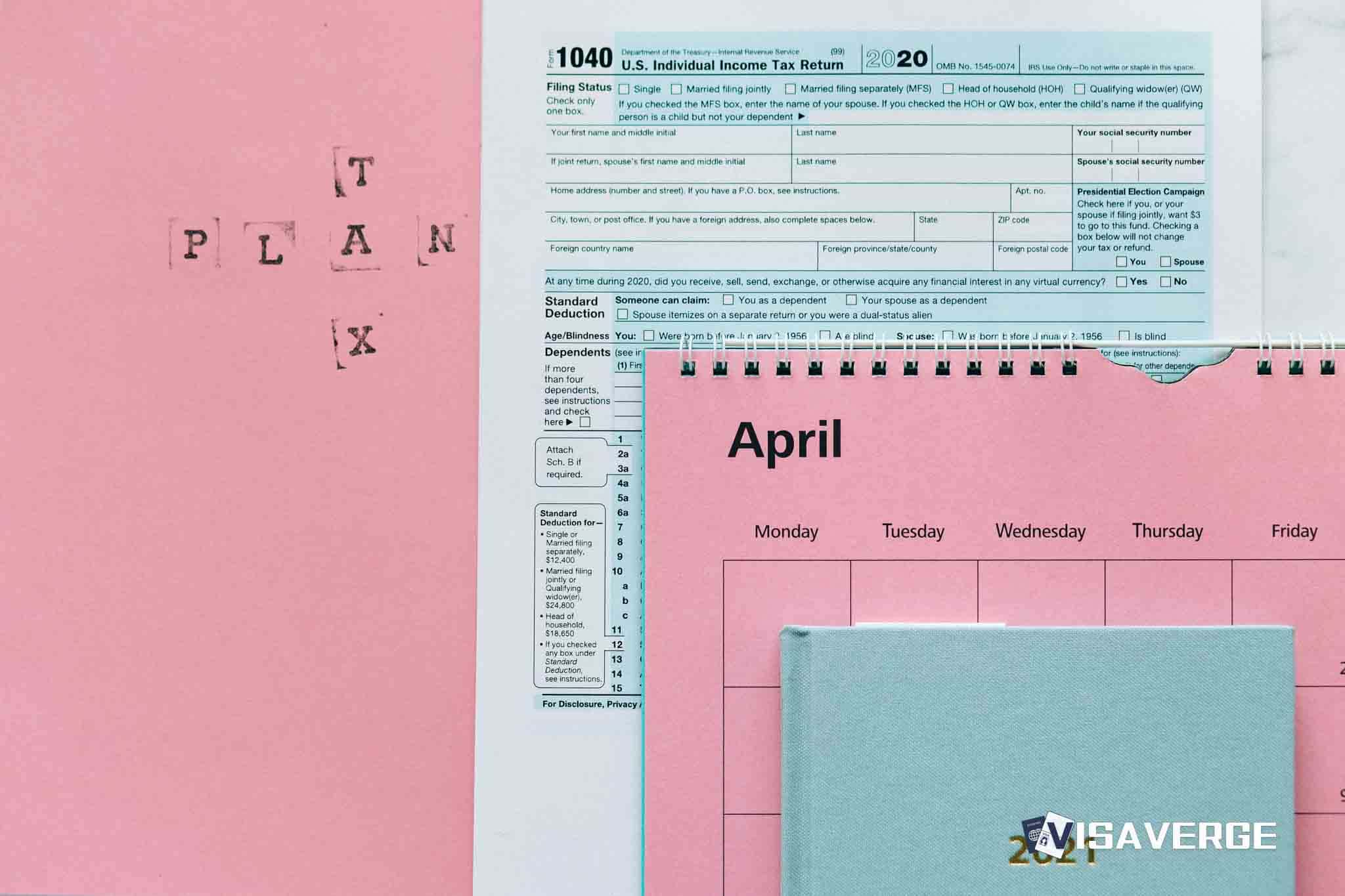
- Paper refund checks took 36 days on average in early April 2026, compared with 13 days a year earlier.
- The IRS is shifting most taxpayers to electronic refunds under Executive Order 14247, but has not announced a completion date.
- Taxpayers can track refunds with Where’s My Refund and should respond by notice deadlines if the IRS contacts them.
Paper refund checks took an average of 36 days to issue in early April 2026, up from 13 days at the same point in 2025. The Government Accountability Office linked the slower processing to the shift away from paper payments.
The IRS says it is moving most taxpayers toward electronic refunds under Executive Order 14247. In an announcement dated Sept. 23, 2025, the agency said the phaseout would begin on Sept. 30, 2025, “as required by Executive Order 14247, to the extent permitted by law.”
The agency’s public guidance, dated November 17, 2025, says it is moving away from paper refund checks for most taxpayers. It does not give a final date for completing the transition.
The IRS guidance says the change applies to most taxpayers but does not specify exceptions in the quoted text.
What has the IRS announced, and how far has the change progressed?
The agency says taxpayers should file as usual and expect refunds through direct deposit or another secure electronic method. In some cases, it says, prepaid debit cards and digital wallets may also be used.
People without bank details can consider opening a free or low-cost account. The IRS points readers to FDIC GetBanked and MyCreditUnion.gov for account options. Its guidance does not spell out whether a particular taxpayer can receive an exception instead.
The AICPA has asked Treasury to provide exceptions or extensions for some taxpayers and clearer instructions for unusual situations. The concerns include Americans living overseas, who may have difficulty receiving electronic refunds, as well as executors and trustees handling estate or trust returns. Those concerns are not confirmed exemptions.
Paper-refund wait times rose during the 2026 filing season
The delay affected a narrower group than the overall filing figures might suggest. The GAO found the agency processed about 98% of the 177 million returns it received, the same share as in 2025. Ninety-five percent of returns came in electronically.
By early May 2026, the agency had sent about 4.2 million notices asking taxpayers to provide direct-deposit information. The figure shows how many filers it contacted, not how many ultimately received a paper check.
Staffing also fell in the unit that processes returns. It ended the season with 8,111 employees, 18% fewer than the 9,850 employees it had a year earlier. The GAO-linked account also described unavailable processing systems and reduced staffing as factors behind slower paper-return processing. The average phone wait rose from three minutes to eight, and fully staffed Taxpayer Assistance Centers fell to 42 from 102.
The timing figures are averages, not promises for an individual refund. The agency says an electronically filed return typically yields a refund in about three weeks. A mailed return can take six weeks or more after the IRS receives it.
Filers can track refunds and keep using current payment options
The agency’s guidance gives taxpayers these steps:
- File the return as usual. Have bank information ready, or consider opening a free or low-cost account.
- Open any agency mail promptly. Respond by the deadline written on the notice.
- Check refund progress through Where’s My Refund. Status generally appears 24 hours after an electronically filed return and about four weeks after a mailed return.
- Keep using current methods to pay the IRS. The agency says to continue them until it issues updated guidance at IRS.gov/modernpayments.
The payment shift applies to money sent to the agency as well as refunds. The IRS says to continue using current payment options until updated guidance is shared at IRS.gov/modernpayments.
Anyone who receives a notice should follow the response date printed on it. The agency has not published a completion date for the refund-check phaseout.
This article is for informational purposes only and does not constitute tax advice. Consult a qualified tax professional or CPA about your specific situation.