Why Was Nitasha Kaul Denied Entry into India?
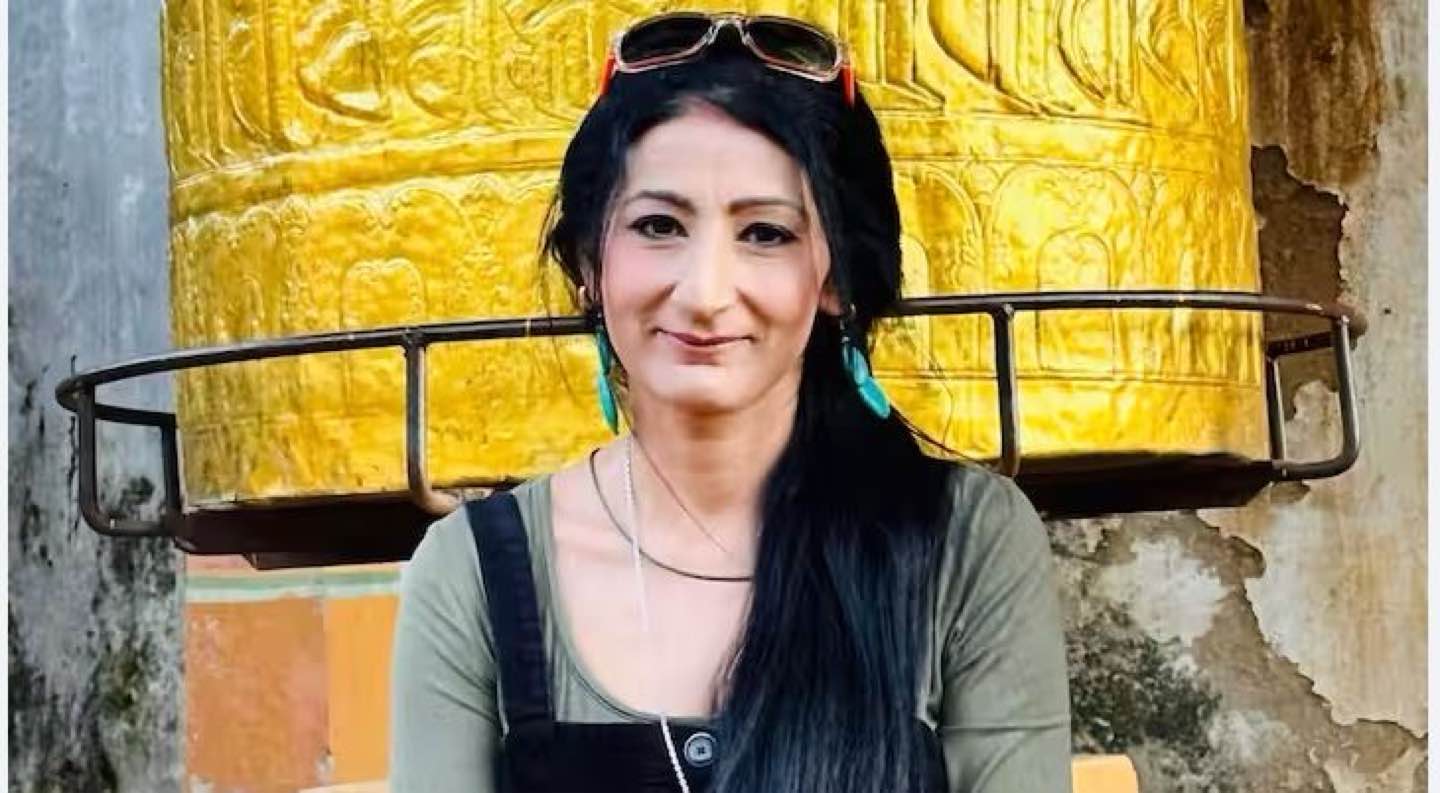
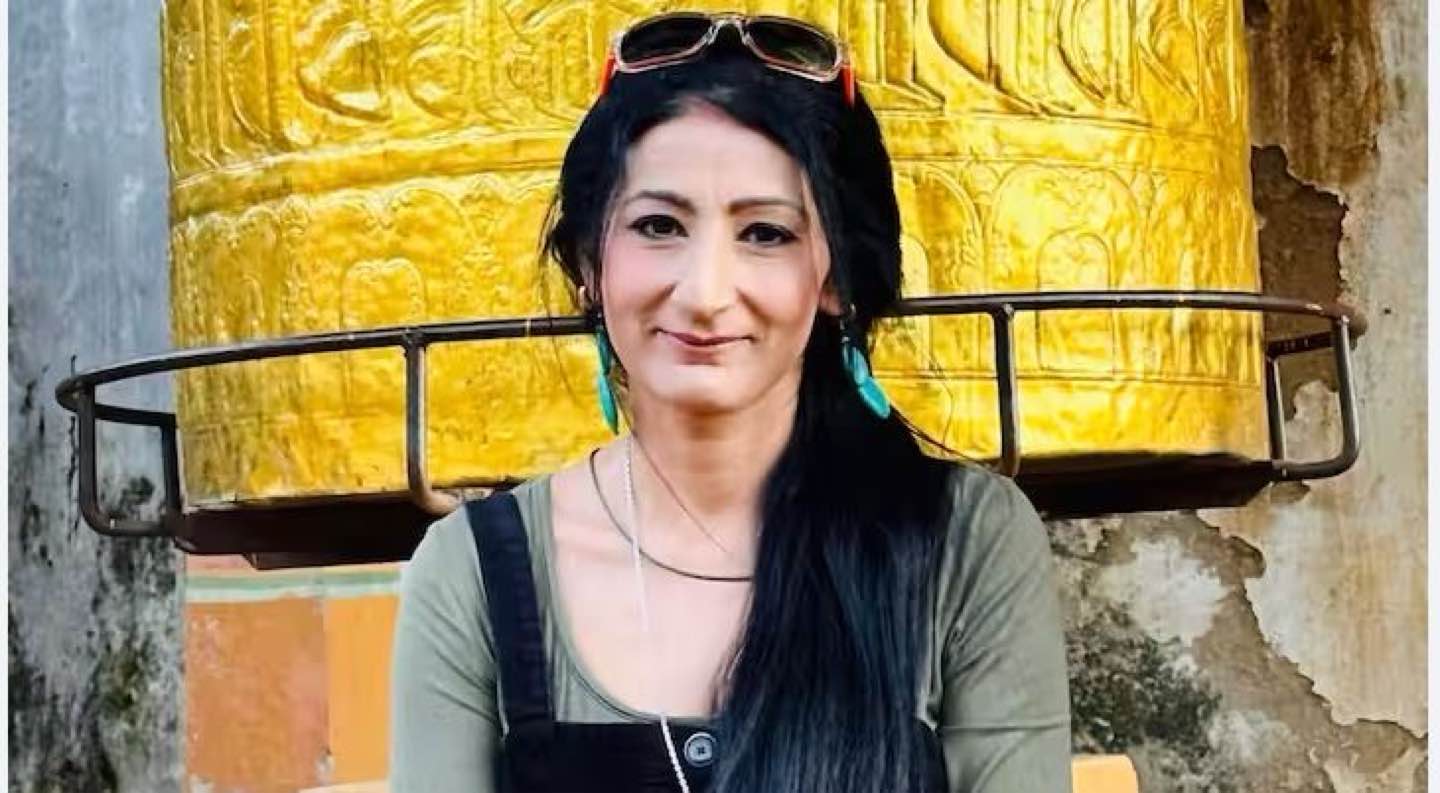
In a surprising turn of events, Indian-origin UK professor Nitasha Kaul found herself unable to enter India upon her arrival. Kaul, a respected professor at London’s University of Westminster, was slated to speak at a conference held by the Karnataka government on the Constitution. However, as soon as she landed in India on Sunday, she was denied entry without a clear explanation from immigration officials. This has sparked a series of discussions and debates across social and political spheres about the broader implications of such actions on freedom of speech and democratic values.
A Lack of Explanation
Upon her arrival, Nitasha Kaul experienced confusion from the immigration officials who, according to her, offered no formal reason or documentation for the denial of entry. She narrated, “They said they have orders from Delhi and Delhi has instructed us not to allow you to enter into India.” The only informal reasoning pointed to her critical stance on the RSS and its leaders. What is even more perplexing is that Kaul received no prior information from the government, which would have allowed her to challenge this decision legally.
Potential Reasons Behind the Denial
Kaul’s denied entry may be connected to her outspoken views, especially her testimony on “Human Rights in South Asia” before the U.S. House of Representatives Subcommittee on Asia following the abrogation of Article 370 in Kashmir. In her testimony, Kaul advocated for the demilitarization of Kashmir, the restoration of communication lines, and urged for credible dialogues involving all stakeholders. This strong stance, especially coming from a platform as influential as the US Congress, might not have sat well with certain factions within India, leading to the immigration block.
Kaul’s Stance on Her Work and the Backlash
Despite the setback, Nitasha Kaul remains hopeful about returning to India, emphasizing her transparent work ethic. She expressed, “All my work is public and has been. I am a fully transparent individual, who takes the public part of public intellectual very seriously.” However, she also highlighted the concerning backlash she has faced online, including threats and misogynistic attacks, which she firmly condemns.
Solidarity and Criticism
The incident has prompted reactions from a variety of individuals and groups. PDP president Mehbooba Mufti accused the BJP of using immigration controls as a tool to suppress critics, standing in solidarity with Kaul. On the other side, figures like former foreign secretary Kanwal Sibal suggest that Kaul’s invitation and subsequent denial were justifiable based on her viewpoints on sensitive issues.
Navigating Immigration Laws and Rights
This incident shines a light on the complexities surrounding immigration laws and the rights of individuals, especially those holding critical views against governing bodies. For readers seeking to understand or challenge immigration decisions, it is crucial to be familiar with the legal frameworks and procedures in place. For authoritative information on immigration laws and procedures in India, visiting the Bureau of Immigration’s official website can offer guidance and clarity.
The Road Ahead
Nitasha Kaul’s experience raises important questions about freedom of expression, the role of intellectuals in society, and how governments interact with dissenting voices. Her story is a reminder of the delicate balance between national security interests and the fundamental right to free speech. It underscores the need for transparent and fair processes in handling immigration and entry-related decisions, especially for those engaged in public intellectual work. As this story unfolds, it will be interesting to watch how public discourse and policy evolve in response to such incidents, and whether Kaul will eventually regain the opportunity to engage with her audience in India.
In conclusion, the denial of entry to Nitasha Kaul in India serves as a compelling narrative on the intersections of politics, academia, and freedom of speech. The incident not only highlights the challenges faced by intellectuals in today’s politically charged environment but also calls for a deeper reflection on the values that democratic societies choose to uphold. It is pivotal for both individuals and institutions to continue advocating for transparency, dialogue, and the upholding of democratic principles in every facet of governance and public life.
This Article In A Nutshell:
Indian-origin UK professor Nitasha Kaul was denied entry into India without a clear explanation. Known for her critical views, Kaul faced immigration issues possibly due to her stance on sensitive topics. The incident sparks discussions on freedom of speech and government handling of dissent. Understanding immigration laws and advocating for transparency is pivotal.