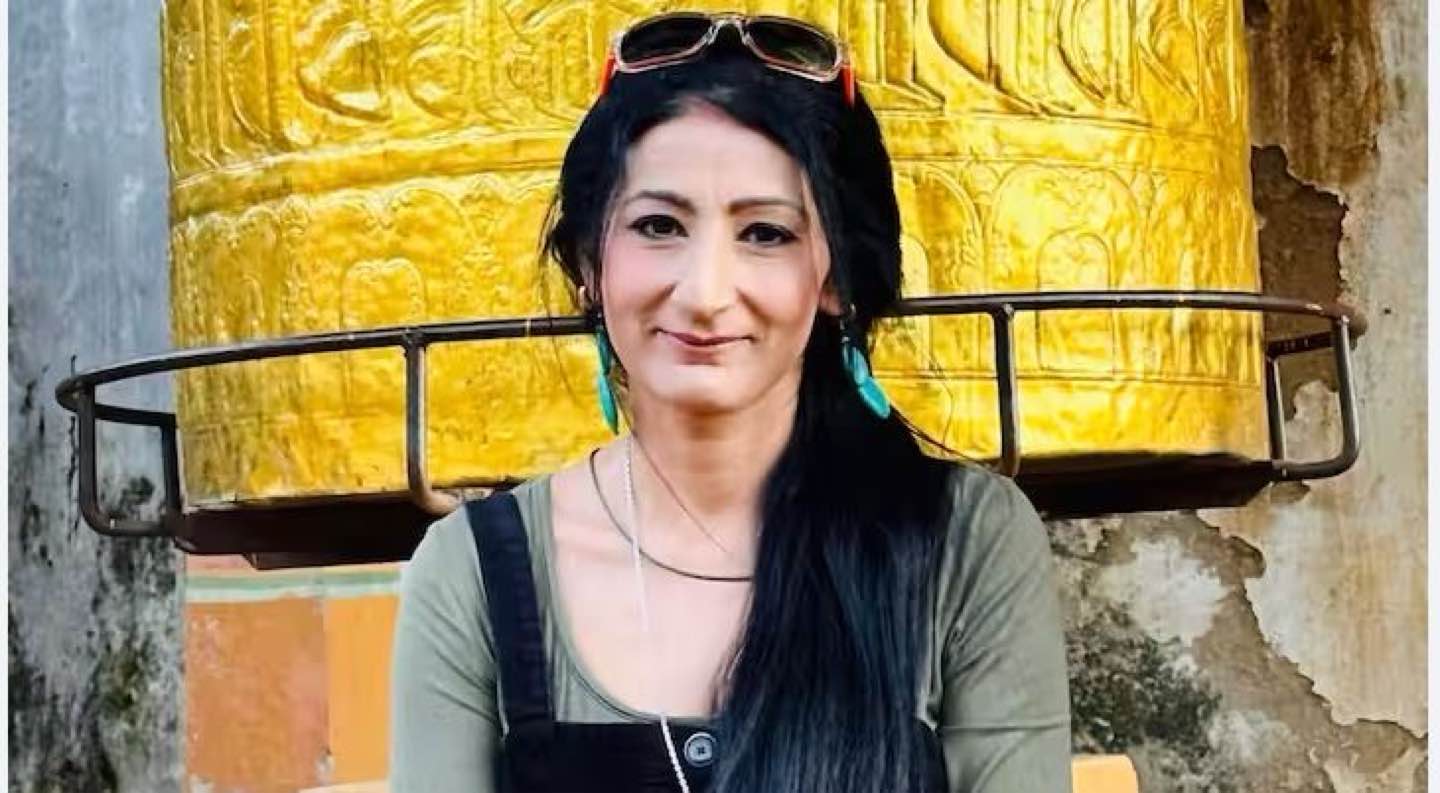
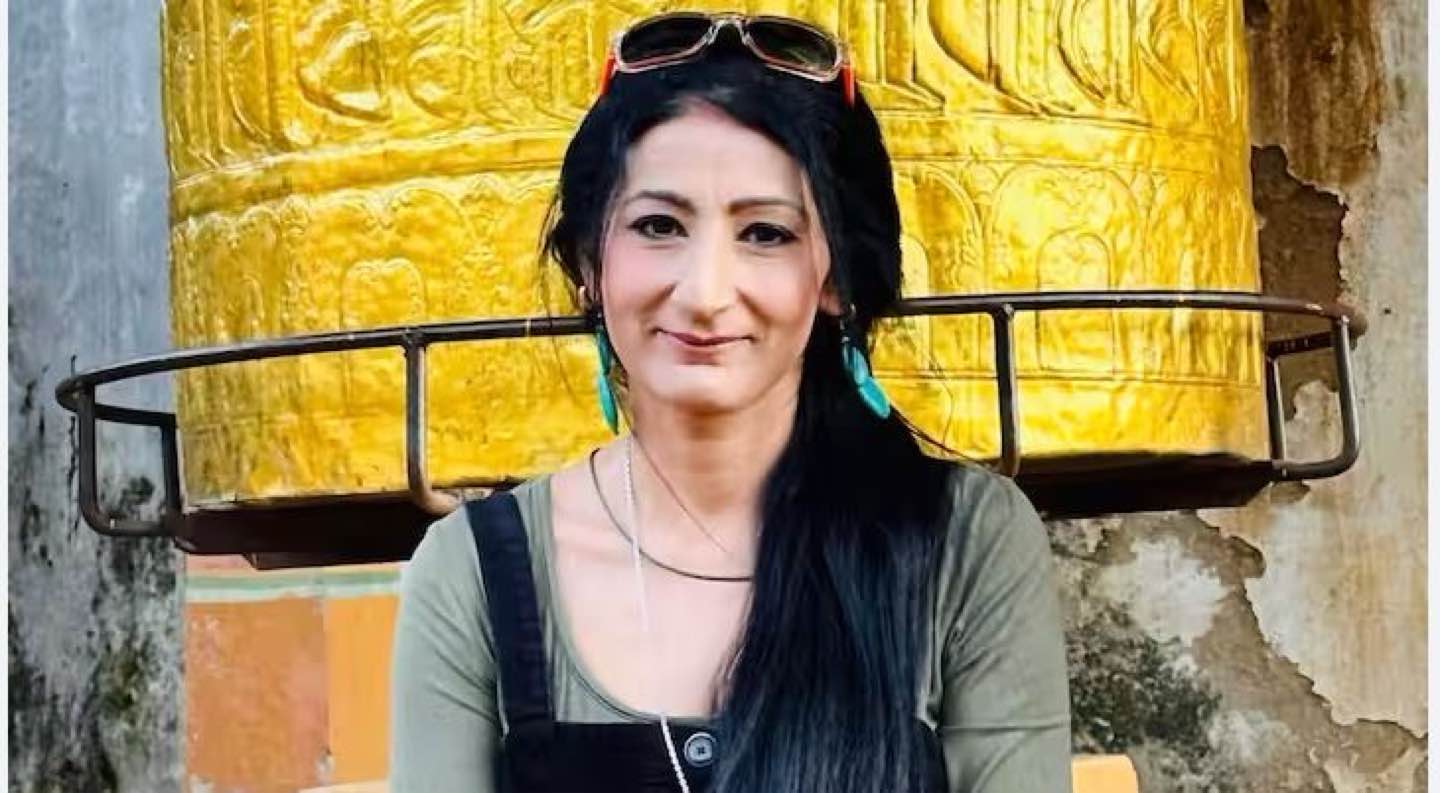
In an eye-opening turn of events that has ramifications for academic freedom and the complexities of international travel, Nitasha Kaul, a British-Indian professor, faced an unexpected and troubling obstacle. This incident sheds light on the delicate balance between national security concerns and the promotion of free expression within India, echoing a concerning trend of restricting voices perceived as critical of certain ideologies or organizations.
What Happened to Nitasha Kaul?
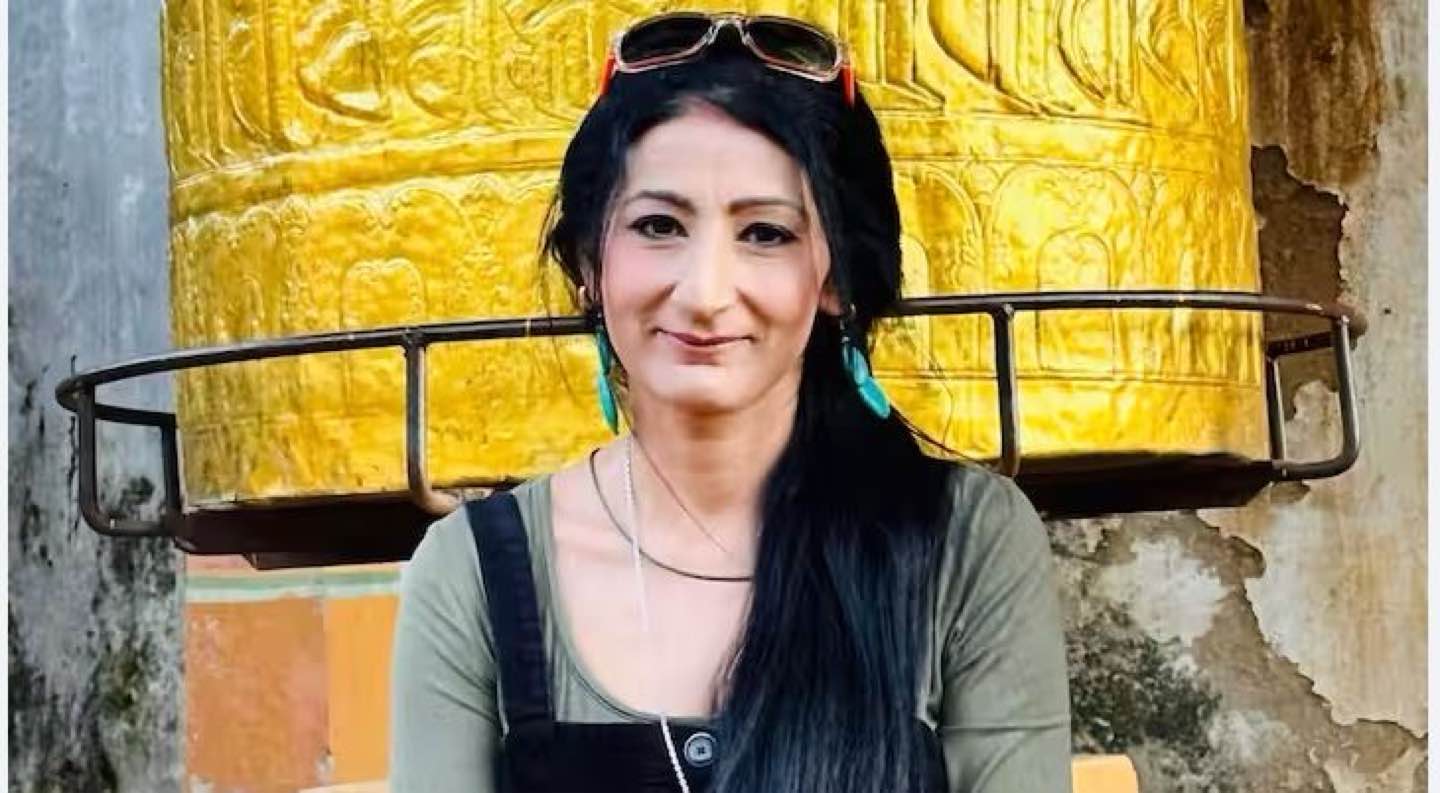
Nitasha Kaul, aged 48, flew to Bengaluru, India, armed with an invitation from the Karnataka government to participate in a conference. Upon her arrival, she stumbled upon a startling rebuff. Despite holding all necessary and valid documentation, including a UK passport and an OCI (Overseas Citizenship of India), Kaul’s entry was denied. The authorities pointed to directives from the central government, rather than providing a detailed rationale for the decision. It was casually mentioned that her past criticism of the Rashtriya Swayamsevak Sangh (RSS), a right-wing Hindu nationalist organization, might have influenced this unexpected barrier at immigration.
Free toolUSCIS Receipt Number Decoder“I received no prior notification from Delhi regarding the denial of entry. Despite having official documentation provided by Karnataka, immigration officials turned me away with little explanation,” Kaul mentioned in her tweets detailing the ordeal. Her deportation back to London followed a distressing sequence of events, including a long wait at immigration, a 24-hour detention in a confined area, and a lackluster journey back without the basic amenities one might expect.
The Complex Intersection of Academic Freedom and National Policies
Kaul’s story serves as a poignant reminder of the nuanced intersection between academic freedom and the prerogatives of national policy. As a Kashmiri Pandit and a professor at the University of Westminster in the UK, Kaul’s body of work spans decades, advocating for democratic and constitutional principles. Yet, her historical criticism of the RSS and the positioning of her work, oftentimes in opposition to ultra-conservative viewpoints, has seemingly placed her in a precarious spot with certain governmental factions in India.
“India’s denial of entry to me, despite my advocacy for democratic and constitutional principles, is disheartening,” Kaul shares her disappointment and perplexity over the denial, underscoring the broader discourse on freedom of speech and the role of academics in fostering critical dialogue.
The interaction also highlights the unfortunate repercussions of political disagreements spilling over personal boundaries, with Kaul mentioning harassment and threats from right-wing trolls directed not only towards her but also towards her elderly mother.
The Response and Continuing Dialogue
The situation caught the attention of the Karnataka BJP, which quickly condemned the Congress party and Chief Minister Siddaramaiah for extending the invitation to Kaul, framing it as leveraging the state for divisive political agendas. In sharp contrast, the BJP praised the security agencies for what they described as preventing the entry of an “anti-India element.”
This incident uncovers the ongoing tension between individual rights and state sovereignty, punctuating the global conversation on academic freedom, freedom of speech, and the rights of individuals to challenge and criticize without facing undue repercussions.
Looking Ahead: Implications and Considerations for Future Travelers
For academics, activists, and others who might find themselves in a similar quandary, this story underlines the importance of understanding and navigating the intricate web of laws and regulations governing international travel to India. Before planning a trip, especially if it involves participation in conferences or public speaking engagements, it is crucial to:
- Ensure all travel documents and invitations are in order, including any necessary governmental pre-approvals.
- Be aware of the political and social context of the destination and understand how previous public statements or research might be perceived.
- Consider reaching out to local contacts or government liaisons in advance to clarify any potential misunderstandings or hurdles.
Furthermore, for those seeking detailed guidance on Indian visa and entry conditions, visiting the official Bureau of Immigration site can provide authoritative information and updates on the latest procedures and requirements.
Conclusion
Nitasha Kaul’s experience with India Deportation reflects a confluence of individual liberties clashing with national security policies. It also stands as a stark reminder of the precarious position individuals often find themselves in when their professional obligations intersect with political sensibilities. As the conversation around academic freedom, censorship, and the dynamics of international travel evolves, so too must our understanding of how to balance these competing interests in a manner that respects the rights and dignity of all involved.
This Article In A Nutshell:
The recent incident involving Nitasha Kaul, denied entry to India, unveils tensions between academic freedom and national security. It underlines the need for travelers to navigate legalities and contextual sensitivities. Kaul’s experience serves as a cautionary tale on balancing individual expression and state interests in a globalized world.