A New Dawn in US Immigration: Introduction of a Third Gender Option on Forms
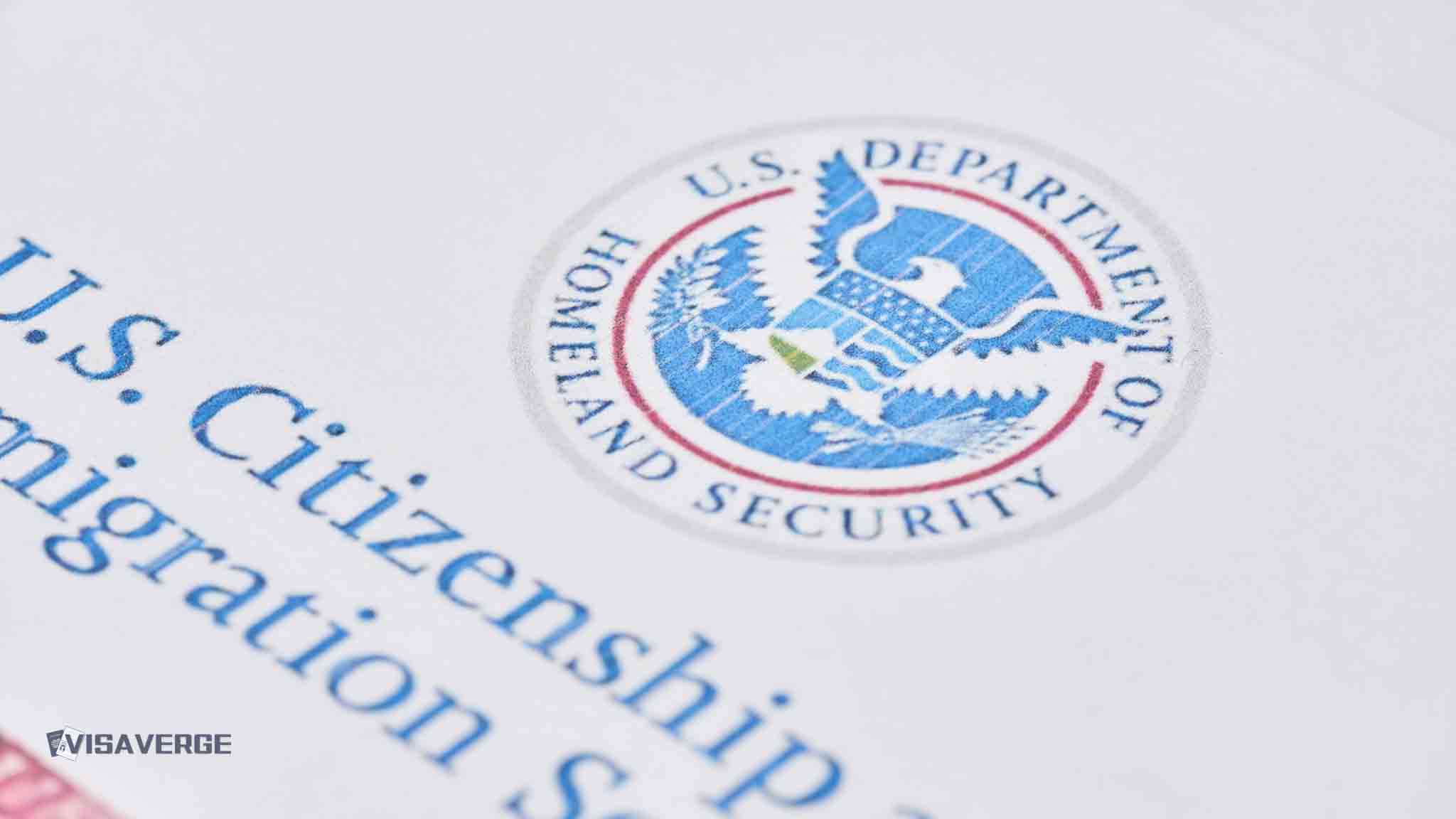
In a progressive move that has stirred conversations across the nation, the US immigration forms have been updated to include a third gender option. This change, which happened recently, now allows applicants to select male, female, or “another gender identity” when filling out the necessary paperwork. This decision by the US Citizenship and Immigration Services (USCIS) marks a historical moment in the inclusivity and recognition of diverse gender identities within the immigration process.

What Does the New Gender Option Mean?
For many, the addition of a non-binary option on immigration forms is a significant step toward acknowledging the existence and rights of people who do not identify strictly as male or female. Prior to this change, which officially took place just before the end of March 2023, individuals were forced to choose between male or female, options that did not necessarily reflect their true identities.
Why the Backlash?
However, this move has not been met without criticism. Some conservatives have expressed their disapproval, labeling the addition of the third gender option as “woke.” The timing of the update coincided with Easter Sunday, which this year fell on the same day as International Transgender Day of Visibility (ITDV), an event celebrated annually on March 31 since 2009. This coincidence spurred accusations from some conservative circles, claiming President Biden was “betraying” traditional values.
Republican House Speaker Mike Johnson articulated the sentiment by saying, “Banning sacred truth and tradition, while at the same time proclaiming Easter Sunday as ‘Transgender Day’, is outrageous and abhorrent…the American people are taking note.”
In response, a statement from the White House defended the Biden administration’s stance. White House spokesperson Andrew Bates emphasized unity and respect for individual dignity:
“As a Christian who celebrates Easter with family, President Biden stands for bringing people together and upholding the dignity and freedoms of every American. Sadly, it’s unsurprising politicians are seeking to divide and weaken our country with cruel, hateful, and dishonest rhetoric. President Biden will never abuse his faith for political purposes or for profit.”
How Will This Change Impact Applicants?
For individuals applying for any immigration-related services, this offers an opportunity to identify themselves in a manner that feels most authentic. This is more than a bureaucratic update; it’s a recognition of the diversity and complexity of human identity.
In practical terms, applicants should now observe the updated options on forms available through the US Citizenship and Immigration Services (USCIS) website. It’s important for individuals to review the latest forms to ensure that their applications are correctly filled out.
Looking Ahead: The Ongoing Battle Over Inclusivity
This development comes amidst a broader context of political and legislative battles concerning rights, recognition, and resources for transgender and non-binary individuals in the United States. As the debate continues, the introduction of a third gender option on US immigration forms represents a small yet significant victory for advocates of LGBTQ+ rights and gender inclusivity.
In a time of division, the decision by USCIS to include a more inclusive range of gender options on immigration applications is a plea for unity and an acknowledgment of diversity. While met with resistance from some quarters, it echoes a broader call for empathy, respect, and understanding across the American landscape. It serves as a reminder that at its core, immigration is about people — each with their own identity, story, and hope for a better future.
This Article In A Nutshell:
US immigration forms now offer a third gender option, a positive step for inclusivity and diversity. Applicants can select male, female, or “another gender identity.” Though facing criticism, this change honors individual dignity. Check updated forms on the USCIS website. The inclusive move signifies progress towards recognizing and respecting all gender identities.
— By VisaVerge.com