- Indian applicants must now apply within India only, as third-country visa processing for routine cases is prohibited.
- Stricter rules require mandatory in-person interviews for most categories, including H-1B, L-1, and student visas.
- Visa waiver eligibility has narrowed to 12 months since expiration, significantly reducing the dropbox renewal path.
(INDIA) Indian nationals seeking U.S. nonimmigrant visas face a tightly controlled process in 2026. Most applicants now need mandatory interviews at assigned consulates in India, while biometrics and passport handling run through Visa Application Centers (VACs). Third-country applications are barred for routine cases, so applicants must file in India, not in Thailand, Germany, or another transit country.
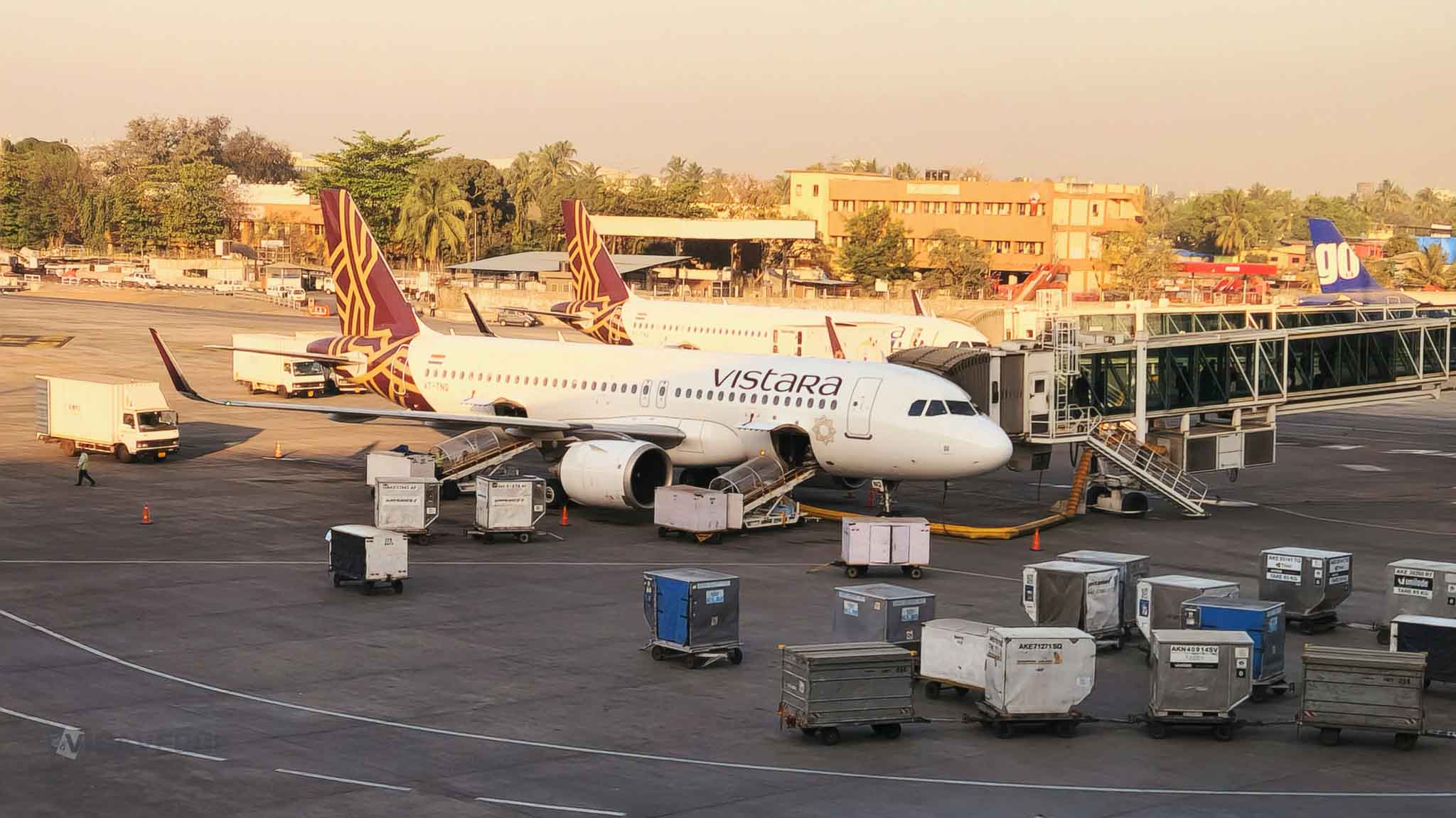
That shift has changed the journey for tourists, students, workers, and families. It has also made planning more important, because wait times are long in some cities and travel across India is now part of the process for many applicants. According to analysis by VisaVerge.com, the new system favors central control over convenience, and that trade-off is already shaping travel plans, job starts, and school reporting dates.
Where Indian applicants must file in 2026
U.S. visa interviews for Indian nationals are now tied to specific posts. The U.S. Mission to India has placed most categories under central assignment, with the system deciding where an applicant goes. For first-time H and L applicants, interviews remain centralized in Hyderabad. Blanket L cases go to Chennai. B-1/B-2 visitor visa applicants are mostly processed in New Delhi, where interview waiver slots are more available than at other posts. Student and exchange visas, including F-1, M-1, and J-1, are handled across posts but face heavy demand. Other work visas follow the H/L pattern and usually require in-person attendance.
The rule is simple. Indian nationals must apply in India, in their country of nationality or residence. Third-country applications are prohibited for routine nonimmigrant categories. That means applicants cannot sidestep the Indian queue by booking in a nearby country.
The VAC network that sits before the interview
Before a consular interview, every applicant provides fingerprints and a photo at a VAC. The same centers also receive documents for eligible interview waiver cases and passport submission after approval. These centers are known as Offsite Facilitation Centers, or OFCs, in some materials. The process starts there, not at the embassy window.
The main VACs are in New Delhi, Mumbai, Chennai, Hyderabad, and Kolkata. Additional document drop-off centers operate in Ahmedabad, Bengaluru, Chandigarh, Cochin, Jalandhar, Pune, and Goa. Document drop-off for these extra sites costs Rs. 850 per application, while core VAC use for biometrics and submission steps carries no extra charge. Processing for dropbox submissions can take up to three weeks from VAC drop-off.
Applicants should also expect limited operating schedules. VACs close for holidays such as Holi and Diwali, and call center support is unavailable on Saturdays. Those small details matter when a visa interview, flight, or work start date is already fixed.
Interview waiver rules tightened sharply in 2025
The waiver program, often called the dropbox route, still exists. But it is now much narrower.
On February 18, 2025, the rule changed so the prior visa must be in the same category and must have expired within 12 months, down from 48 months. A person renewing H-1B, for example, now needs a prior H-1B within that shorter window. On September 2, 2025, the rules tightened again. Most nonimmigrant applicants, including H-1B, H-4, L-1, L-2, F-1, F-2, M-1, and J-1 applicants, now need mandatory interviews. Age-based exemptions for those under 14 or over 79 were removed.
The remaining waiver path is narrow. Applicants must have no prior visa refusals, unless the refusal was overcome, and no apparent ineligibility. They must also apply in the country of nationality or residence. B-1/B-2 waivers still exist, but New Delhi holds the main share of those slots, and other posts have very limited availability.
The 2026 application journey, step by step
The process now moves in a fixed order.
- Complete the online DS-160 nonimmigrant visa application.
- Pay the MRV fee, which is non-refundable. The fee varies by category, including $185 for B-1/B-2 and $205 for H and L cases.
- Create an account in the U.S. visa information and appointment system for India.
- Book biometrics at a VAC, then the interview slot or waiver drop-off if eligible.
- Attend biometrics, usually one or two days before the interview, with the passport, DS-160 confirmation, and appointment letter.
- Attend the interview at the assigned consulate, if an interview is required.
- If approved, submit the passport at the VAC for visa stamping and track the case online.
Most interviews are short, often lasting five to ten minutes. Officers usually focus on the purpose of travel, employment, study plans, funding, and ties to India. Work and student applicants should carry the I-797 approval notice, school or company letters, and proof of finances.
Applicants get one free reschedule. After that, they must repay the MRV fee. A no-show means the fee is lost and a new booking is needed.
Wait times still vary sharply by city
Demand remains intense. In 2025, the United States issued over 1.4 million visas to Indian nationals. That pressure shows up in appointment calendars.
As of March 2026, visitor visa waits are around 1 month in Chennai, 10 months in Mumbai, 429 days in Hyderabad, and 442 days in New Delhi. Student and exchange visa waits are listed at 85 days in Chennai, Hyderabad, and New Delhi, and 302 days in Mumbai. Work visa waits are 28 days in Chennai, 15 days in Hyderabad, 10 days in Mumbai, and 37 days in New Delhi.
Those numbers explain why early booking now matters so much. A delay at the VAC stage can push back flights, campus reporting, client onboarding, or family travel.
H-1B renewals now stay in the United States
One of the biggest changes for Indian professionals is the domestic H-1B renewal path. By late 2025, in-country renewals were fully implemented for H-1B workers, especially in tech and healthcare. That means many Indian H-1B holders no longer need to fly back to India just to renew a visa stamp. They can file through USCIS without consular travel. That saves time, money, and weeks of uncertainty.
The broader picture is mixed. The new system reduces some administrative friction, but it also shifts more pressure onto applicants who still need interviews in India. Students, first-time workers, and family travelers carry the heaviest load.
For official rules and appointment details, applicants should rely on the U.S. visa appointment portal for India, which links to current instructions, VAC locations, and scheduling tools.