- Non-citizens staying over 30 days must register online using Form G-325R if lacking prior documentation.
- The rule applies to individuals aged 14 and older, with parents registering younger children.
- Failure to register or carry proof can result in fines up to $5,000 and imprisonment.
(UNITED STATES) — U.S. Citizenship and Immigration Services requires non-U.S. citizens aged 14 and older who stay in the United States for more than 30 days to register online with Form G-325R if they do not already have evidence of prior registration such as an I-94 or visa stamps.
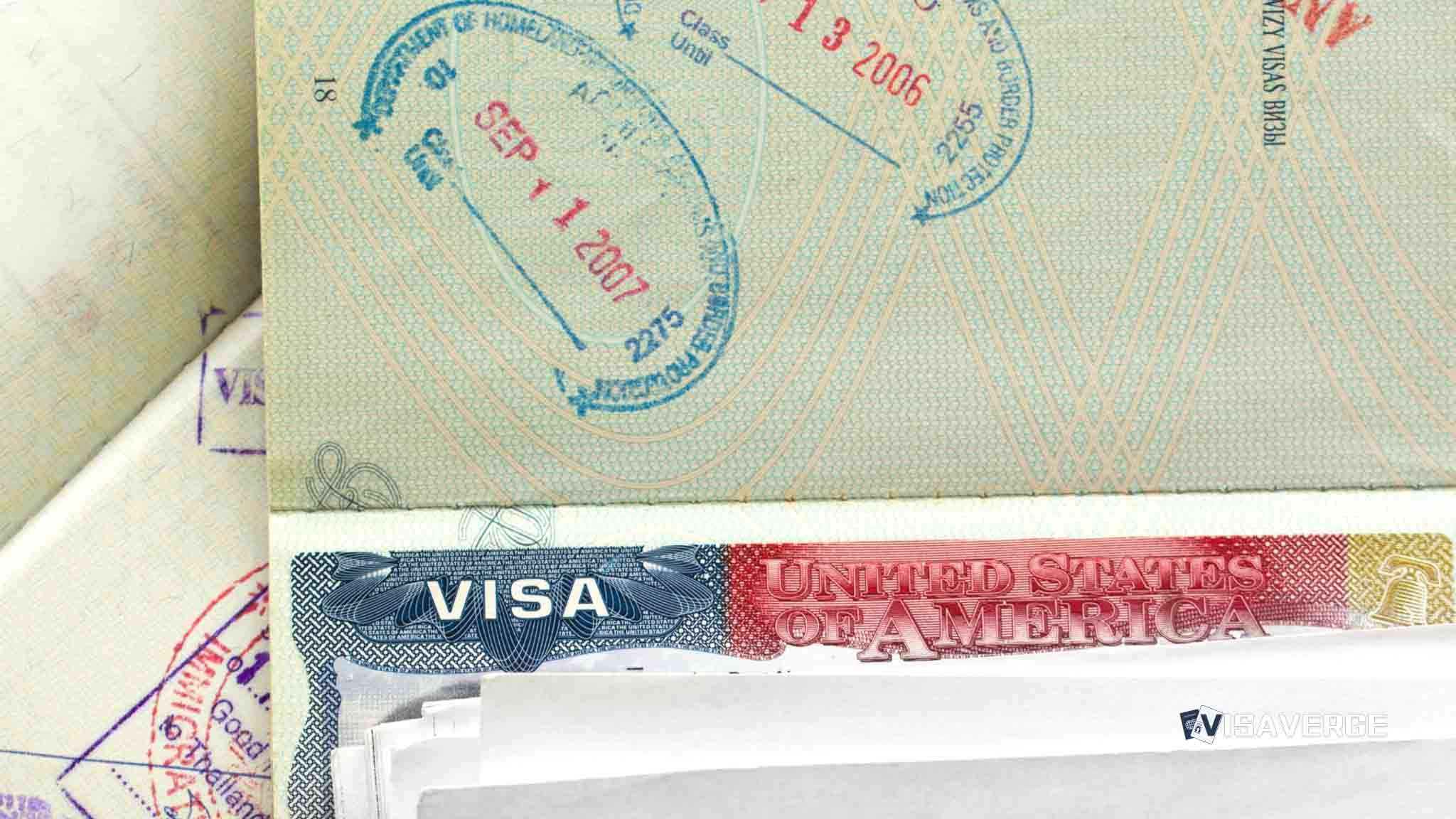
The rule took effect on April 11, 2025, and applies to people physically present in the country for 30 days or more who fall outside the categories already treated as registered under 8 CFR § 264.1. USCIS says the process requires an online account, biographic information and, for some applicants, biometrics.
Adults subject to the rule also must carry printed proof of registration at all times once they turn 18. Those covered by the requirement must report address changes within 10 days through Form AR-11.
President Trump’s Executive Order 14159 on January 20, 2025, directed the Department of Homeland Security to enforce a long-dormant registration mandate under Immigration and Nationality Act Section 262. DHS followed with an Interim Final Rule on March 12, 2025, creating Form G-325R as the online-only vehicle for registration.
The administration says the system distinguishes between foreign nationals who were already documented at entry and those without records. It also ties the process more closely to enforcement against overstays and people who entered without registration evidence.
By early 2026, USCIS reported more than 2.5 million registrations processed. DHS data cited in the policy rollout shows more than 1,200 misdemeanor charges nationwide by March 2026 for registration-related failures.
Penalties can be steep. Willful failure to register or provide fingerprints carries fines up to $5,000, up to six months imprisonment, or both, while failure to carry proof or update an address can bring a $5,000 fine and up to 30 days jail.
The rule revives obligations that existed in law for decades but had not been broadly enforced in modern practice. Before the 2025 push, DHS estimated visa overstays at 666,000 annually.
Who Must Register
USCIS says registration is required for non-U.S. citizens 14 and older who are physically present in the United States for 30 days or more and who lack prior registration evidence. That includes people who entered without inspection, visa-exempt land entrants without I-94s, and anyone who turns 14 while in the country, who must register within 30 days of that birthday.
Parents or guardians must register children under 14 through separate child accounts if the child will stay 30 days or more. Green card holders who turn 14 face a separate step because they must file I-90 alongside the registration obligation triggered by age.
USCIS reviews each submission against DHS records. About 20% of filings are deemed pre-registered and exempt from further action.
People who already have the documents the government treats as proof of registration generally do not need to act. That group includes lawful permanent residents with Form I-551, nonimmigrants who entered with a visa and I-94, Employment Authorization Document holders with Form I-766, holders of Border Crossing Cards, many parolees documented under INA 212(d)(5), people in removal proceedings or adjustment applicants who have already provided fingerprints, and travelers staying fewer than 30 days.
Crewmen with I-95 or I-184 and A or G visa holders are exempt from address reporting. Short-term tourists and transit travelers staying less than 30 days are also outside the requirement.
Canadian Citizens and Snowbirds
One of the broadest practical effects has fallen on Canadian citizens who enter by land without I-94 records. They are exempt from biometrics in most cases, but not from registration if they stay more than 30 days and lack other proof.
That has placed attention on snowbirds, many of whom spend months in states such as Florida and Arizona. The Canadian Snowbird Association says 150,000+ people are affected, while more than 100,000 Canadian snowbirds spend 4-6 months in those states annually and contribute $1.4 billion to Arizona’s economy alone.
For those travelers, each stay over 30 days can trigger a new filing if they do not receive an I-94 at entry. No multi-year waiver exists, and no blanket snowbird exemption has been created.
Recent Customs and Border Protection pilot programs at Niagara Falls issue I-94s on request. USCIS materials say that step exempts about 30% of crossers from having to file because an I-94 counts as prior registration evidence.
How the Filing Process Works
The filing process itself is free, but it is detailed. Applicants must create a separate USCIS online account for each person, including minors whose accounts can be managed by parents.
They then complete Form G-325R, which asks for name, date of birth, five years of addresses, activities since entry, planned stay or departure, and criminal and family history. Guidance attached to the rollout advises applicants to upload supporting documents and, when describing activities, use plain entries such as “full-time student accompanying parents” or, for retirees, “retired, wintering in FL.”
USCIS tells applicants not to enter “EWI” if they were inspected and to leave that field blank. After review, the agency either notifies applicants that they were already registered or schedules biometrics, usually within a 30-day window if biometrics are required.
Under the expanded system, USCIS added 150 new Application Support Centers for biometrics by March 2026. Wait times fell from 90 days at launch to under 30 days currently.
Processing now averages 2-4 weeks, with applicants able to track the case in their account. Once approved, they download a PDF proof of registration that adults 18 and older must print and carry.
Enforcement, Penalties and Compliance
The government’s renewed enforcement has extended beyond paperwork. ICE conducted 15,000 workplace audits in FY2025, and DHS data links those actions to 300 deportations for registration failures.
Border enforcement has changed as well. CBP now flags non-registrants at land borders, and employers have come under pressure to verify registration proof during audits.
DHS says 500 businesses were penalized in FY2025. At the same time, the agency reported an overall 85% compliance rate, leaving an estimated 400,000+ people still unregistered.
The consequences can spill into the legal immigration system. USCIS says failure to register can derail visa renewals, adjustment applications or reentries, and the agency denied 8% of FY2026 H-1B extensions linked to lapsed registrations.
That makes the rule relevant not only to undocumented entrants and overstays, but also to some people with pending or future applications. A lapse can also create a bar tied to good moral character in later benefit requests.
Broader Impact on Families and Travelers
Canadians illustrate how the rule reaches people who may not think of themselves as part of the immigration enforcement system. A land entrant without an I-94 who remains in the United States for the winter can fall under the registration requirement even without any other change in status.
Children are treated differently but not wholly exempt. Those under 14 do not provide biometrics, yet parents or guardians still must register them if the stay reaches 30 days or more.
Some people need take no new step because prior interactions with the government already count. Adjustment applicants with fingerprints on file, for example, and many documented parolees are already considered registered.
Others must act because age changes their status under the rule. Someone who entered earlier and then turns 14 in the United States must register within 30 days of the birthday even if that person previously had a status that did not require separate action.
The administration has framed the system as a national security measure and a way to close recordkeeping gaps. In practice, it has also become another screening point in a broader immigration enforcement push tied to USCIS, ICE and CBP databases.
The address-reporting rule adds another layer. All non-citizens covered by the registration laws, except certain categories such as A, G and Visa Waiver Program travelers, must submit Form AR-11 online within 10 days of moving.
People who fail to do that face the same $5,000 ceiling and up to 30 days jail attached to address violations. Adults who leave home without proof of registration face the same penalty range for proof carriage failures.
For people who entered with a visa and I-94, the guidance remains simpler: no new action is needed unless their situation changed. USCIS directs those travelers to rely on their existing entry records as proof.
For people without that record, the burden falls squarely on the online system created after Executive Order 14159. Nearly a year into implementation, the government says the message is no longer limited to border inspections or application forms: if a non-citizen stays more than 30 days without recognized registration evidence, Form G-325R now sits at the center of compliance.