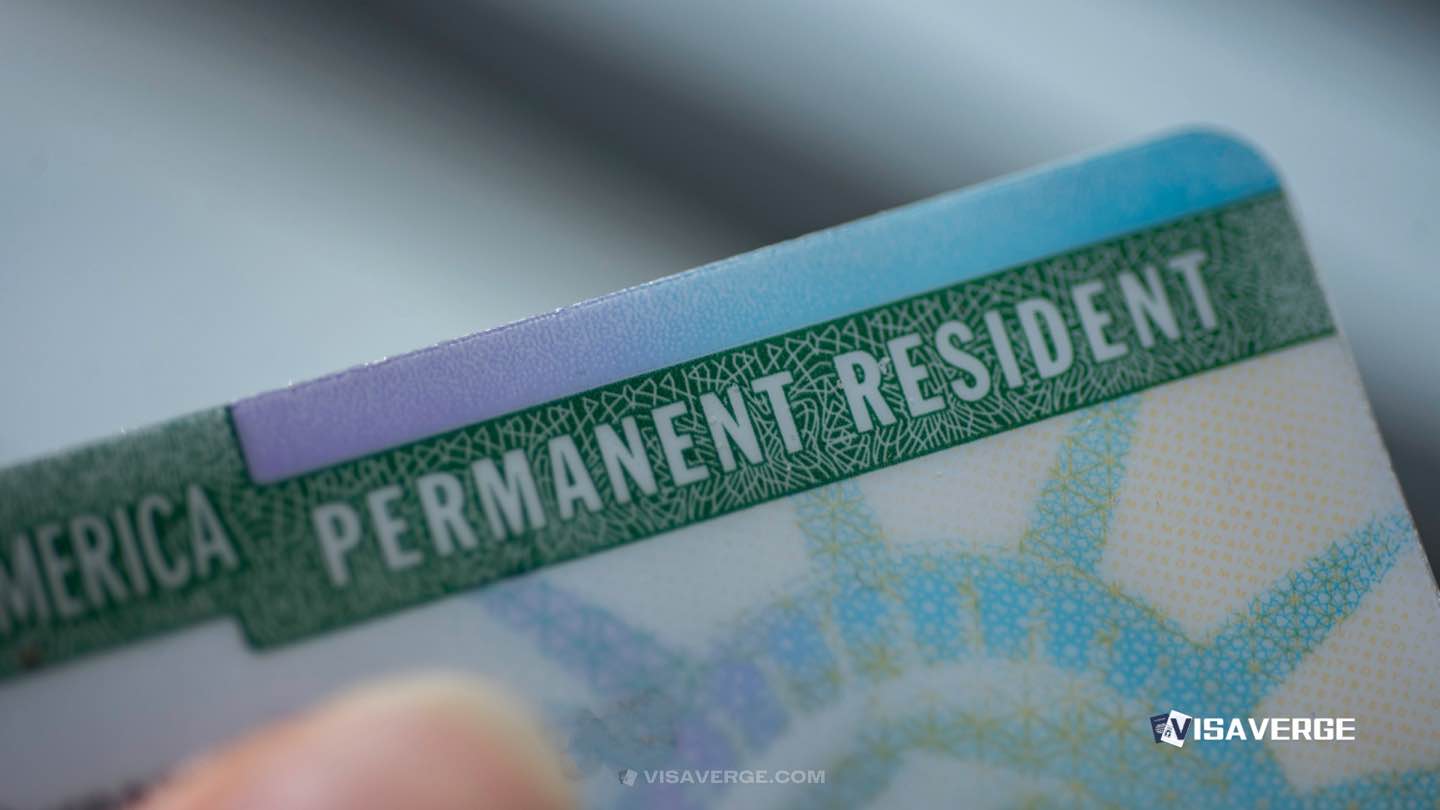
- The State Department paused immigrant visa processing for 75 countries starting January 21, 2026.
- The indefinite freeze targets overseas applicants to prevent public charge reliance and reassess screening.
- Temporary nonimmigrant visas remain fully operational, including student and skilled worker categories.
(UNITED STATES) — The U.S. State Department announced an indefinite pause on immigrant visa processing for nationals of 75 countries, effective January 21, 2026, tightening access to permanent residency for applicants who must complete their cases at U.S. consulates abroad.
“The State Department will use its long-standing authority to deem ineligible potential immigrants who would become a public charge on the United States and exploit the generosity of the American people. Immigrant visa processing from these 75 countries will be paused while the Department reassesses immigration processing procedures to prevent the entry of foreign nationals who would take welfare and public benefits,” said State Department spokesperson Tommy Pigott in remarks dated January 14, 2026.

“The State Department will use its long-standing authority to deem ineligible potential immigrants who would become a public charge on the United States and exploit the generosity of the American people. Immigrant visa processing from these 75 countries will be paused while the Department reassesses immigration processing procedures to prevent the entry of foreign nationals who would take welfare and public benefits.”
The pause targets immigrant visas processed overseas and does not shut down nonimmigrant visa operations, including student and work visas that many applicants use to travel to the United States temporarily.
Applicants and attorneys quickly focused on what the pause means in practice: family-based and employment-based immigrant visa cases moving through consular processing face an indefinite hold, while separate channels for temporary travel and work remain open.
U.S. officials framed the move around vetting and public assistance concerns, with one official statement circulated via news reports saying, “The Trump administration is bringing an end to the abuse of America’s immigration system by those who would extract wealth from the American people.”
“The Trump administration is bringing an end to the abuse of America’s immigration system by those who would extract wealth from the American people.”
Secretary of State Marco Rubio instructed consular officers via a “classified telegram” to refuse all new immigrant visa applications filed on or after the effective date while Washington reassesses screening protocols.
The State Department posted the policy publicly as part of Immigrant Visa Processing Updates for Nationalities at High Risk of Public Benefits Usage, describing the pause as focused on immigrant visa processing at consular posts.
Even with that focus, the operational impact can cascade across the pipeline that feeds Green Cards from overseas posts, because many applicants rely on consular interviews and final document review to complete the immigrant visa process.
The scope covers immigrant visa categories processed at U.S. consulates abroad, including both family-based and employment-based immigrant petitions, while leaving nonimmigrant visas in place.
Nonimmigrant visas that continue include F-1 student visas, H-1B skilled worker visas, B-1/B-2 visitor and business visas, J-1 exchange visitor visas, and temporary categories such as O-1, TN and E-3.
Dual nationals can avoid the pause if they apply using a valid passport from a non-listed country, an exception that makes nationality and travel documents central to eligibility at the interview window.
For applicants already scheduled for consular steps, the pause raises immediate questions about interviews, document collection, and case staging at the National Visa Center and at posts that normally finalize immigrant visa issuances.
The State Department’s description of an indefinite timeline means applicants may face uncertainty around time-sensitive items commonly tied to consular processing, including medical exams and police certificates that can expire before a visa can be issued.
The breadth of affected nationalities also means the policy’s effects are spread across multiple regional consular networks, shaping workloads and backlogs differently from a pause concentrated in one geography.
Immigration attorneys and other experts also pointed to a less direct consequence that could emerge later: fewer family-based immigrant visas issued overseas in fiscal year 2026 could leave visa numbers unused, which can carry over into employment-based allocations the next fiscal year.
Immigration attorney Emily Neumann’s analysis of quota allocations suggested that if the pause remains in effect through fiscal year 2026, ending September 30, roughly 50,000 unused family-based visas could transfer to employment-based categories in 2027.
That estimate draws on the structure of U.S. immigration law, where unused family-based Green Card quotas in a fiscal year can “spill over” into the employment-based Green Card categories the following year.
Experts described that spillover as a mechanism that can change how quickly employment-based cases move, because additional visa numbers can expand the pool available for employment-based applicants in a later fiscal year.
Neumann and others pointed to historic precedents, including the COVID-19 era, when family visa disruptions resulted in significant employment-based spillover.
If a spillover occurs for FY 2027, it could improve availability for skilled workers and other employment immigrants, and it could affect how the government advances priority dates in categories that use waiting lists.
Applicants in backlogged employment-based categories, including EB-2 and EB-3, could see “faster priority-date movement” if more employment-based numbers become available, though attorneys stressed that depends on how long the overseas pause constrains family-based issuances.
The projection cited by experts also focused on countries with long waits in employment-based categories, including India and China, because changes in the number of available visas can affect how quickly cases become current in those queues.
Any shift, however, hinges on how the pause plays out across fiscal year 2026, and on the government’s subsequent allocation and processing decisions in the following year.
The pause applies to nationals of 75 countries across Africa, Latin America, the Caribbean, the Middle East, and parts of Asia, with a list that includes countries with historically high immigrant visa allocations.
Examples cited in public descriptions of the affected list include Afghanistan, Brazil, Colombia, Cuba, Egypt, Ethiopia, Haiti, Iran, Iraq, Nigeria, Pakistan, Russia, Somalia, Thailand, and Yemen.
Other examples previously highlighted include Bangladesh, Brazil, Russia, Iran, Egypt, Colombia and Somalia, illustrating how broadly the nationalities spread across four continents.
Eligibility impact turns on nationality for consular immigrant visa processing, meaning nationals of listed countries who are outside the U.S. and seeking a Green Card through consular processing face indefinite delays.
Some posts also issued local notices, including the Official Notice on Immigrant Visa Pause posted by the U.S. Embassy in Russia.
For individuals planning near-term travel, study, or work in the United States, the distinction between immigrant and nonimmigrant pathways remains central, because the policy does not directly affect most temporary visa processing.
Students accepted to U.S. colleges and universities can still process their visas normally, and international professionals on temporary work visas should not see an immediate change in their nonimmigrant visa access, though their long-term plans for permanent residency may be delayed if they must complete an immigrant visa abroad.
Applicants who can pursue permanent residence from inside the United States may look more closely at domestic processing, because the pause is framed as consular-processing focused rather than a blanket shutdown of all immigration processing.
As of late January 2026, USCIS has not announced a blanket pause on `Form I-485` adjustment of status for applicants already inside the United States, though the public charge focus raised concerns among some applicants about additional scrutiny.
For people who must complete their cases overseas, the open-ended timeline can create practical complications across a file that often moves in stages, from document collection to interview scheduling and final issuance.
The uncertainty can also affect family timelines and job plans, because consular immigrant visa processing often sits at the end of a long petition process that applicants plan around.
The State Department’s public framing tied the pause to public charge concerns and a reassessment of screening protocols, placing the policy within a broader debate over how the government evaluates prospective immigrants’ likelihood of relying on public benefits.
That debate has also overlapped with discussions of visa caps and proposals to reform how employment-based immigration is allocated, issues that shape how many Green Cards are available and how long applicants wait.
In parallel to the State Department pause, DHS Secretary Kristi Noem ordered a total pause on the Diversity Visa program in December 2025 following national security concerns, affecting an additional 50,000 potential annual immigrants.
The overlap of an immigrant visa pause affecting 75 countries and a separate Diversity Visa halt adds pressure to the overseas issuance system, because both policies operate through consular channels tied to immigrant visa adjudication and printing.
For many applicants, the immediate consequence remains straightforward: an indefinite hold on immigrant visa issuance abroad, even as temporary visa categories continue to operate.
Attorneys advising clients also emphasized process differences that determine what options remain available, because consular processing requires a post abroad to issue the immigrant visa, while adjustment of status uses domestic adjudication.
Some experts recommended monitoring embassy and consulate communications for updates on any resumption, while others urged applicants already in process to consult counsel and evaluate whether an employment-based option exists if family-based avenues remain paused.
Government communications also signaled that implementation may be shaped by internal instructions to posts, including cables and other directives that determine how cases are handled at each stage.
DHS also continued broader messaging about immigration enforcement and public safety, including a January 20, 2026 item titled Secretary Noem Statement on Immigration Enforcement and Public Safety, though the immigrant visa pause described by the State Department focuses on overseas processing.
For applicants, the next developments likely to shape outcomes include any formal rescission of the pause, updated consular instructions, revisions to the list of affected countries, and clarifying guidance that explains how posts will handle pending cases already in the pipeline.
Until then, Pigott’s January 14 description of the pause as a reassessment signals that consular immigrant visa processing for the affected nationalities will remain on hold while the Department reviews its procedures.