(COPENHAGEN, DENMARK) Turkish Airlines flight TK80, an Airbus A350-941 registered TC-LGJ, bound for Istanbul from San Francisco, diverted to Copenhagen on December 13, 2025 after a medical emergency on board, according to aviation tracking data. The widebody landed safely at Copenhagen Airport at 14:09 local time, and Danish medical teams met the aircraft so a passenger could be taken for urgent care. For hundreds of travelers expecting to clear passport control in Türkiye, the unscheduled stop in Denmark brought an extra layer of immigration questions: were they now “in” the Schengen Area, and if so, could they legally leave the terminal while the aircraft was serviced?
Flight timeline and diversion details
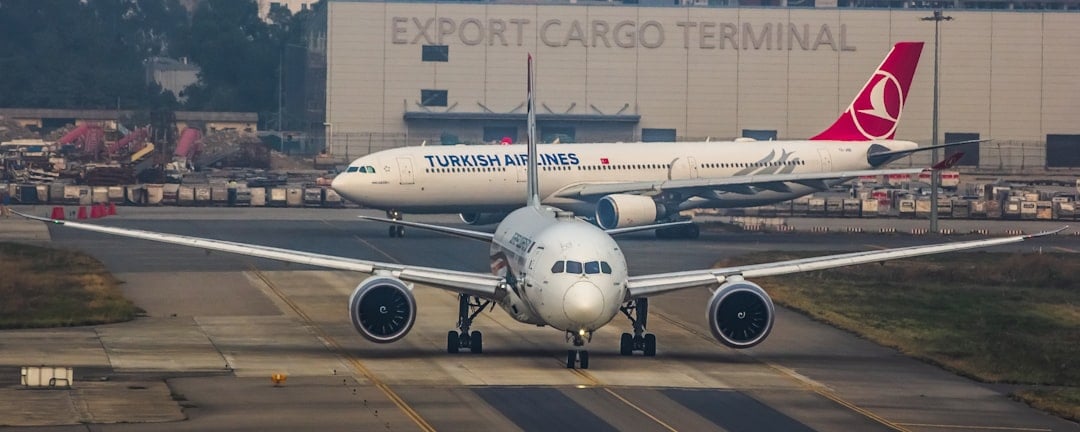
- Departure: Flight data shows TK80 left San Francisco International Airport on Friday, December 12, 2025 at 18:43 PST.
- Cruise decision: While cruising at 39,000 feet over the Atlantic corridor, the crew decided that waiting for Istanbul’s medical facilities was not an option and turned north toward Copenhagen.
- Landing: Denmark operates on UTC+1, placing the touchdown at about 13:09 UTC / 14:09 local time on December 13, 2025.
- On-ground actions: After the passenger was offloaded and treated, ground crews began preparing the aircraft to continue to Istanbul, with departure from Copenhagen planned for around 16:00 local time, trackers reported.
Schengen entry, transit areas, and visas
In many emergency diversions, the airline and airport try to keep passengers in a controlled transit area so they do not formally enter the country. Whether this is possible depends on several factors:
- Airport layout
- Length of the stop
- Safety needs such as refueling, catering, or crew duty limits
Copenhagen is inside the Schengen zone, which removes internal border checks among most European countries, but entry rules still apply for people arriving from outside.
- Passengers with passports that allow visa-free short stays in the Schengen Area can often be admitted if the carrier arranges it.
- Others may need a Schengen visa even for a short trip beyond the gate — and in an unexpected diversion they may have no visa in their passport.
Practical outcomes for passengers without visa-free access
- If the aircraft can depart after a short delay, border police may prefer passengers remain airside (in a secured lounge or gate hold area).
- If delays stretch, basic needs — food, rest, access to medication — can push an airline to request temporary admission for passengers who would not usually qualify.
- That process is handled by Danish authorities at the airport and can include:
- passport checks
- confirmation of onward tickets
- contact with consular staff (in some cases)
Warning: an entry stamp or a refusal noted in official systems may affect future travel, because it can prompt questions from other border officials.
Travel-document complications after diversion
Even for passengers who can enter Denmark, the stop can create paperwork problems when they finally reach Istanbul:
- Missed connections and hotel booking issues
- Tight visa windows at destination countries
- Residence permits stored only digitally (on phones) can become inaccessible due to battery drain or poor Wi‑Fi during an emergency
- Families with children may need to explain arriving without plans to stay
In the United States 🇺🇸, lawyers often remind clients that airlines are not immigration advisers; the same holds in Europe. The carrier may help, but each passenger remains responsible for having the right documents.
Privacy and medical-diversion practices
- Airlines usually do not release the passenger’s name or medical condition, and the source material for TK80 gives no details beyond the need for urgent care.
- Aviation safety practice gives the captain broad authority to divert when a life is at risk; crews are trained to treat such decisions as time-sensitive rather than commercial.
- The Istanbul route from San Francisco is long enough that an onboard problem can quickly become serious. A diversion to Copenhagen — with strong medical facilities and a major long-haul airport — can cut hours off the time to a hospital.
The immediate priority in a diversion is passenger safety; immigration and commercial considerations follow once urgent care is assured.
Information sources and airline communication gaps
Real-time trackers, including FlightRadar24, logged the aircraft’s path toward Denmark and its arrival in Copenhagen, and they showed preparations for the onward sector to Istanbul. Turkish Airlines’ own flight status page was inaccessible during checks noted in the source material, leaving passengers, families, and employers to rely on third‑party tracking sites and airport monitors.
That communication gap can matter for immigration planning. When people need to rebook flights, notify sponsors, or avoid overstaying a visa, they often need exact arrival and departure times, not rough estimates.
People caught between borders
Several passengers on long-haul flights carry passports that need visas for both the Schengen Area and for the United States 🇺🇸, and they may hold only a Turkish residence permit or an onward ticket to a third country. In those cases, an emergency landing can feel like being stuck between borders.
- If Danish police cannot admit someone landside, the person may have to wait under supervision until the aircraft leaves, even if others go to a hotel.
- Airlines can sometimes ask for a short, humanitarian entry permission, but approvals are not automatic and depend on:
- each traveler’s papers
- security checks during the diversion-related delay
Practical travel advice and official guidance
According to analysis by VisaVerge.com, emergency diversions are one of the most common travel events that create “accidental entries”, where a person who planned to transit through one country ends up needing to deal with a different country’s border rules.
Advice from immigration practitioners:
- Keep passports and residence permits on your person during a flight.
- Store digital copies offline (so you can access them without Wi‑Fi).
- Ask the airline in writing (by email or app message) whether you will be asked to clear passport control in the event of a diversion.
For travelers who want the official Danish rules in plain language, check the Danish government’s visa guidance at New to Denmark, which explains who needs a short-stay Schengen visa and the limits on visits.
Closing note
For TK80’s passengers, the immediate focus remained the medical emergency, but the diversion also showed how quickly a routine trip from San Francisco to Istanbul can turn into an unexpected test of border systems in Copenhagen.
Turkish Airlines flight TK80 diverted to Copenhagen on Dec. 13, 2025, after a medical emergency. The Airbus A350 landed at 14:09 local time; medical teams removed the passenger and the aircraft was serviced for departure around 16:00. The diversion created immigration questions for passengers without Schengen visas and highlighted gaps in airline communication, forcing travelers to rely on third-party trackers and airport monitors for accurate arrival and departure details.
Live Government Data
State Dept • CBPBusiest Border Crossings
- San Ysidro 130 min
- Tecate 120 min
- Otay Mesa 110 min