Key Takeaways
- Trump’s 2024 economic policies focus on tariff increases, mass deportations, and significant budget cuts, raising inflation concerns.
- Increased tariffs could raise consumer prices significantly, risking inflation and economic stagnation in the U.S. market.
- Mass deportations and budget cuts may disrupt labor markets and economic growth, challenging the Federal Reserve’s inflation control efforts.
Donald Trump’s potential return to the White House in 2024 stands poised to create a dramatic shift in U.S. economic policy. This shift hinges on three key tenets: sharp tariff rises, mass deportations of migrants, and significant budget cuts. While these policies align with Trump’s economic priorities of bolstering domestic production and reducing reliance on foreign labor, they bring with them a whirlwind of potential economic challenges. Many economists warn that these strategies could lead to increased inflation, slower economic growth, and conflicts with the Federal Reserve. Let’s examine each of these components in more detail.
Tariff Increases: Protectionism at a Cost

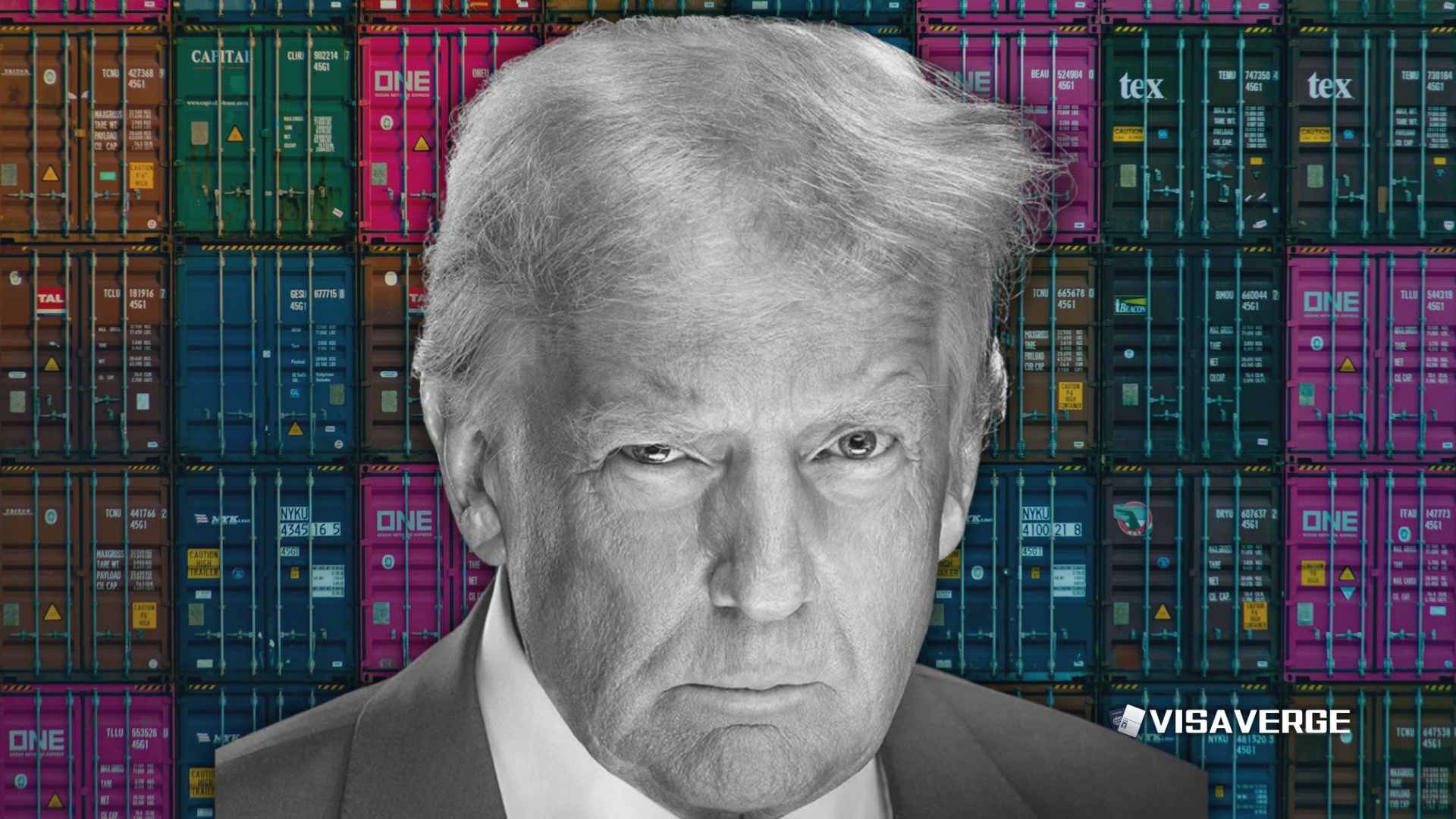
Central to Trump’s economic plan is a notable increase in tariffs on imports. During his campaign, Trump suggested imposing a universal tariff of 10% to 20% on all U.S. imports, with a striking 60% tariff specifically on goods from China ??. This proposal expands upon tariffs he had implemented earlier, which focused on Chinese goods and industries like steel and aluminum.
From Trump’s perspective, these tariffs preserve American jobs by making imported products costlier, thus encouraging domestic production. However, experts caution that such tariffs could cause consumer prices to shoot up. Normally, when import costs rise due to tariffs, these costs are transferred to consumers as higher prices. This means U.S. shoppers could face steeper bills for a wide variety of items, from clothing to electronic gadgets.
According to the Peterson Institute for International Economics, the tariffs Trump has proposed might lead to a significant uptick in consumer prices by 2026. While current inflation trends have seen a decline from a high of 9.1% in 2022, the tariffs could change this by pushing inflation up to between 6% and 9.3%. Such a shift could drastically alter the current trajectory of inflation, which had been curbed after its previous peak.
Trump argues that these tariffs are key to curbing the U.S. trade deficit and safeguarding American industries. Critics, however, emphasize that these tariffs can harm U.S. consumers and businesses by escalating costs and harming competitive markets. Research by the Peterson Institute shows that Trump’s tariffs could mean an after-tax loss of $2,600 each year for an average American household.
Migrant Deportations: Labor Market Disruptions
Another major facet of Trump’s economic framework involves a strong stance on immigration, particularly through mass deportations. Trump aims to oversee the largest removal of undocumented migrants in U.S. history, specifically targeting millions of undocumented workers whom he claims compete unfairly with American workers, reducing wages.
Industries like agriculture, construction, and hospitality, which rely heavily on migrant labor, will likely experience notable economic effects from this policy. These sectors often fill positions with low-wage migrant workers to address labor shortages. Deporting many of these workers could severely disrupt these industries.
Economists suggest that removing millions from the workforce could worsen labor shortages, leading to increased wage rates and adding to inflation concerns. The absence of migrant workers could diminish the economic output as companies scramble to hire skilled labor replacements. As wage growth is already fueling inflation pressure, reducing the supply of affordable labor through mass deportations could further elevate wages and prices throughout the economy.
Budget Cuts: Fiscal Austerity During Uncertainty
Besides tariffs and aggressive immigration policies, Trump’s economic blueprint includes reducing the federal budget significantly. He plans to lower federal spending by $2 trillion over ten years, with targeted reductions in social welfare, healthcare, and climate-related efforts.
These budget cuts, aimed at addressing the federal deficit currently at about $2 trillion, have raised concerns among critics about potential negative impacts on economic growth and social stability. Cutting back government expenditures during uncertain economic periods might weaken the overall demand in the economy—especially if significant cuts affect programs supporting low-income families or crucial services like healthcare.
These proposed budget cuts could incite strong political pushback from congressional Democrats, and even some Republicans, who may resist shrinking popular programs like Social Security or Medicare.
Inflationary Risks and the Federal Reserve
A prominent concern linked to Trump’s economic plans is their potential to fuel inflation. Many economists forecast that Trump’s strategies—higher tariffs and large-scale deportations—are likely to spark inflation by raising costs for businesses and consumers.
This situation sets up a potential clash with the Federal Reserve’s monetary policies. The Federal Reserve has been trying to reduce inflation towards its 2% target after several years of high inflation driven by the COVID-19 pandemic. If Trump’s strategies drive up inflation, the Fed might be forced to keep interest rates higher for a more prolonged period or even increase them more, actions that could inhibit economic growth and potentially trigger a recession.
Moreover, Trump’s previous frustrations with the Federal Reserve’s independence and his desire to wield more influence over its actions in a second term raise concerns about political interference in crucial monetary policy decisions. Such interference might undermine confidence in the Fed’s capabilities to manage inflation properly.
Earlier this year, sixteen Nobel Prize-winning economists issued an open letter warning that Trump’s economic plans could “reignite” inflation. They argue the initiatives could reverse the significant progress made in curbing inflation since its peak in 2022 and stand in the way of the Fed’s goals for stable prices.
Conclusion: A High-Stakes Economic Gamble
Donald Trump’s potential return to leadership suggests a bold—yet controversial—economic strategy centered on protectionist tariffs, aggressive immigration enforcement, and extreme fiscal tightening. While these policies resonate with some voters who feel they have lost out due to globalization and economic disparities, they pose real risks to inflation rates and overall economic steadiness.
Increased tariffs risk inflating consumer prices across diverse sectors, while mass deportations can disturb labor markets, further fueling inflation through wage growth. Simultaneously, drastic budget cuts may dampen demand during times when growth is already sluggish.
The ultimate success or failure of Trump’s economic strategy rests on his administration’s ability to balance these challenging goals while managing potential disputes with bodies like the Federal Reserve and Congress. For now, many experts remain cautious, warning that such policies, especially their inflationary tendencies, may lead to more problems than they solve.
For more information on the U.S. economy and policies, you might visit the Federal Reserve’s official website here. As reported by VisaVerge.com, the implications of these economic trends are significant, and understanding the nuances can help individuals and businesses prepare for changes in economic and immigration policies.
Encouraging Engagement
To maintain engagement, it’s essential to consider that economic policies not only affect macroeconomic statistics but also impact people’s everyday lives. How do these strategies affect you and your family? Are there ways you anticipate adapting to potential changes in the economy or labor market? This direct connection with the reader emphasizes the personal impact of large-scale policy decisions and encourages readers to think critically about their stance on these issues.
Learn Today
Tariffs: Taxes imposed by a government on imported goods, intended to protect domestic industries and raise import costs.
Deportations: The formal removal of foreign nationals from a country, often due to legal violations such as staying illegally.
Fiscal Austerity: Government policy aimed at reducing budget deficits through spending cuts, often in social services funding.
Protectionism: Economic policy of restricting imports through tariffs and other measures to protect domestic industries from foreign competition.
Inflationary Risks: Potential for rising prices and costs, leading to decreased purchasing power and economic instability.
This Article in a Nutshell
Donald Trump’s potential 2024 White House return could drastically reshape U.S. economic policies. Emphasizing high tariffs, mass migrant deportations, and budget cuts, his plans aim to boost domestic production but risk sparking inflation and labor shortages. Balancing these ambitious strategies may challenge economic stability and provoke Federal Reserve conflicts.
— By VisaVerge.com
Read more:
• Impact of Mass Deportations on U.S. Industries Relying on Immigrant Labor
• Germany’s Afghan Migrant Deportations Spark Human Rights Debate
• Trudeau’s Policy on Immigrants: Pathway to Status and Faster Deportations
• Canada Asylum Rules: Proposed Changes to Expedite Deportations
• Australian Immigration Bill: Facing Potential Mass Deportations