- The Supreme Court is currently hearing oral arguments in the high-stakes Trump v. Barbara case.
- ACLU Legal Director Cecillia Wang is appearing to defend birthright citizenship before the justices.
- Reports regarding Donald Trump’s attendance at the proceedings remain unverified by official court records.
(UNITED STATES) — Oral arguments in Trump v. Barbara are occurring at the Supreme Court, putting birthright citizenship back at the center of a legal and political fight that has drawn attention to the case and to claims about whether President Trump would attend.
The material available for this article did not confirm that Trump said he would attend the birthright citizenship arguments. It showed that the arguments are taking place and that the case concerns a defense of birthright citizenship, but it did not establish Trump’s attendance.
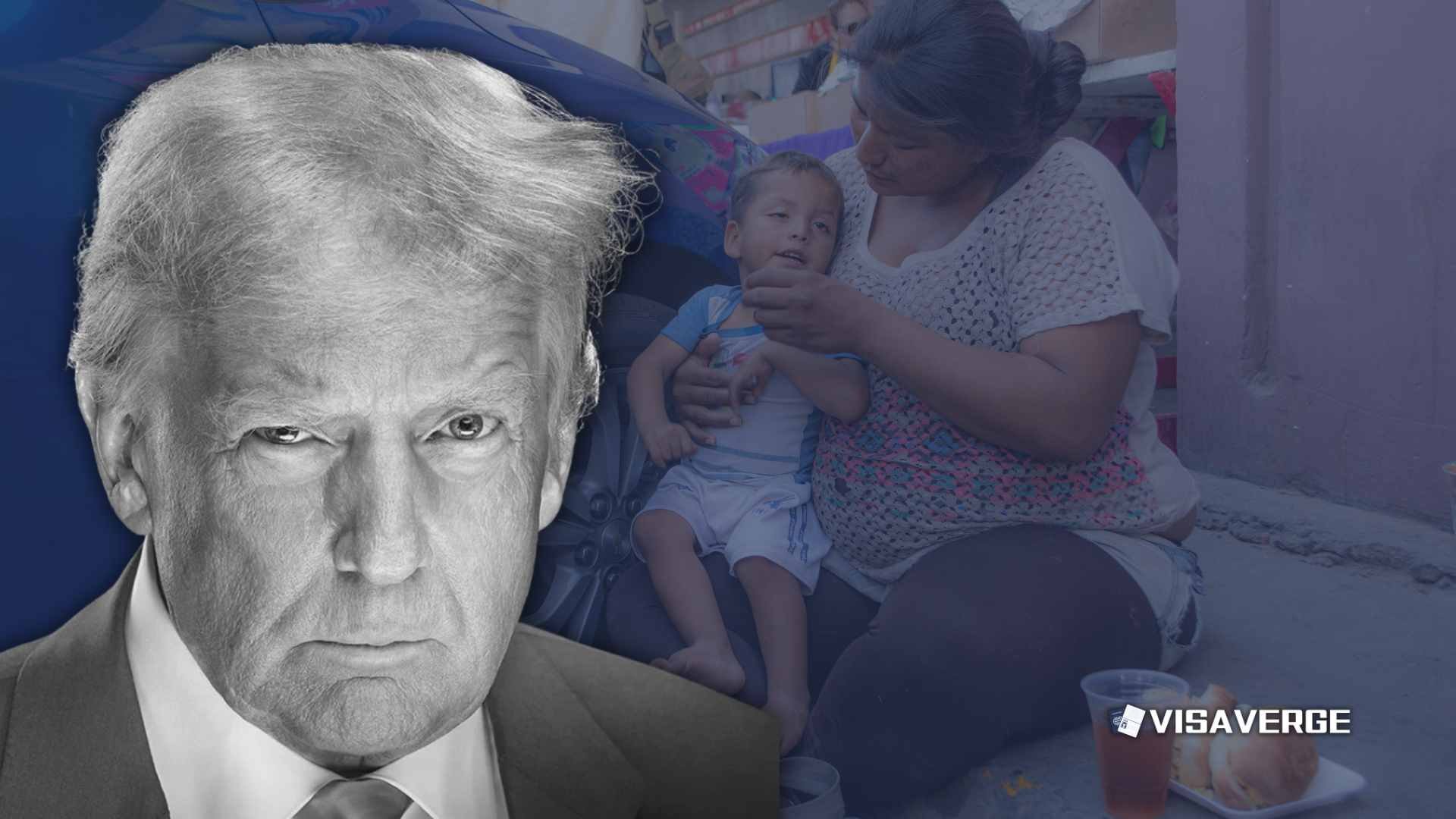
That gap has become part of the story. Claims about a sitting or former political figure appearing at the Supreme Court can quickly shape public discussion around a case, particularly when the dispute already carries the weight of a national immigration debate.
At the center of the current proceeding is Trump v. Barbara, the case identified in the available material as the vehicle for the Supreme Court arguments. Cecillia Wang, ACLU National Legal Director, is arguing to defend birthright citizenship.
The case has focused fresh attention on birthright citizenship in U.S. law and on the legal questions now before the justices. Public discussion has also widened beyond the courtroom itself, with interest extending to who will appear, who will argue, and how the arguments may influence the broader political narrative.
That interest has helped drive attention to claims about Trump’s possible presence in the courtroom. Yet the available material tied to the arguments did not verify that he had said he would attend, even as it identified the case, the issue at stake, and Wang’s role in defending birthright citizenship.
For that reason, the question of attendance remains distinct from the case itself. The litigation is moving forward at the Supreme Court regardless of whether Trump appears in person, and the legal questions tied to birthright citizenship remain the central issue before the court.
Even so, attendance claims can alter how people understand a case. A report that Trump would be in the courtroom could shift focus from the legal arguments to the political theater surrounding them, particularly in a dispute already framed by his name and by the constitutional and immigration questions at issue.
In that sense, the uncertainty around the attendance claim illustrates how quickly high-profile Supreme Court cases can become wrapped in parallel disputes over optics and messaging. The proceeding concerns birthright citizenship, but the public conversation can turn just as quickly to personalities, scheduling, and political symbolism.
The available material offered a straightforward path for checking such claims. To verify whether Trump made a statement about attending, it pointed to recent news sources, Trump’s official communications, or Supreme Court scheduling announcements from early April 2026.
That verification process matters because Supreme Court appearances by political figures tend to attract immediate attention. A confirmed plan to attend could lead coverage and frame expectations before a single legal question is asked from the bench.
Without that confirmation, the safer account remains narrower. Oral arguments in Trump v. Barbara are underway, the dispute involves birthright citizenship, and Wang is appearing for the ACLU to defend it.
The verification steps themselves are familiar but important. Official Supreme Court schedules can establish whether a case is being argued and when, while public statements from the individual involved or from official channels can help confirm a planned appearance.
Recent news coverage can also help establish whether a claim has moved beyond rumor into fact. When a claim involves a public appearance at a proceeding as prominent as a Supreme Court argument, multiple forms of confirmation often become part of the public record quickly.
Fact-checking organizations can also play a role when a claim spreads before any formal confirmation appears. In a politically charged case, that extra layer of scrutiny can help separate documented plans from assertions that circulate without support.
That matters in a birthright citizenship case because the underlying issue already commands broad public attention. Any claim about Trump’s participation can shape how audiences interpret the stakes, even if the legal arguments themselves remain unchanged.
The case name alone ensures that attention. With Trump v. Barbara now before the Supreme Court, observers are watching both the substance of the arguments and the public presentation around them, including who enters the courtroom and how that presence is discussed.
Wang’s participation gives the case another focal point. As ACLU National Legal Director, she is arguing to defend birthright citizenship, placing a senior civil liberties lawyer at the center of a dispute that touches immigration, constitutional interpretation, and national politics.
That combination helps explain why unconfirmed attendance claims can spread quickly. A Supreme Court argument on birthright citizenship involving Trump and a prominent ACLU advocate is exactly the kind of proceeding that can generate intense public interest well before the justices issue any ruling.
Still, the legal process does not turn on rumor. The court hears the arguments that are properly before it, and the record of who argued and what legal questions were raised carries more weight than unsupported claims about who might be watching from the audience.
For the public, though, the distinction is not always clean. Political identity often colors the way people approach Supreme Court cases, and a statement that Trump would attend could become a shorthand for the dispute itself, even if the case turns on arguments presented by lawyers and tested by the justices.
That is why confirmation matters. In a case involving birthright citizenship and the Supreme Court, statements about attendance can influence headlines, social media conversation, and political framing long before a decision emerges.
The available material did not settle that attendance question. It identified the oral arguments in Trump v. Barbara, named Wang as the ACLU lawyer defending birthright citizenship, and pointed readers toward the places where any statement by Trump would most likely be verified.
Those places remain the most direct route for establishing the facts: official Supreme Court scheduling, recent news coverage, fact-checking work, and statements from Trump or his official channels. Together, they offer the clearest way to determine whether the attention surrounding attendance reflects an actual plan or simply the momentum of a high-profile claim.
As the arguments proceed, the case itself remains the more durable story. Birthright citizenship is before the Supreme Court, Trump v. Barbara is moving through oral argument, and Cecillia Wang is defending the practice before the justices, while the claim that Trump would attend still awaits confirmation.