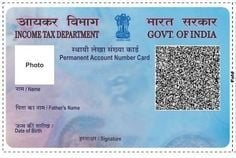
- Proposed rules seek to double the PAN threshold for property deals from ₹10 lakh to ₹20 lakh.
- The current ₹10 lakh requirement remains active law until an official government notification is issued.
- New draft rules expressly include gifts and joint development agreements within the reporting framework.
A proposed tax change in India would raise the mandatory PAN disclosure threshold for many immovable property transactions from ₹10 lakh to ₹20 lakh. If finalized, the change would apply from April 1, 2026.
For now, though, the rule has not been officially notified. That means, as of March 31, 2026, the current requirement still applies. PAN remains mandatory under the existing rule for immovable property transactions above ₹10 lakh.

This matters to Indian nationals abroad, U.S. visa holders buying property in India, green card holders with Indian assets, and NRIs involved in gifts or joint development agreements.
Free toolSubstantial Presence Test Calculator? Deadline Alert: The proposed effective date is April 1, 2026, but the higher ₹20 lakh threshold does not apply unless the tax department issues a final notification.
What changed in the draft rules
The Draft Income Tax Rules, 2026 propose increasing the PAN reporting trigger for immovable property transactions. The proposal would move the threshold from ₹10 lakh to ₹20 lakh.
The draft also makes clear that the rule would cover more than standard sale deeds. It would also apply to:
- Property transfers by gift
- Joint development agreements (JDAs)
- Other covered immovable property transfers above ₹20 lakh
The stated reason is straightforward. The change is meant to reduce compliance for lower-value transactions and reflect higher property prices.
Before and after: PAN threshold comparison
| Item | Current rule | Proposed draft rule |
|---|---|---|
| PAN mandatory for immovable property transactions | Above ₹10 lakh | Above ₹20 lakh |
| Legal basis | Rule 114B of the Income-tax Rules, 1962 | Draft Rule 159 in Draft Income Tax Rules, 2026 |
| Effective date | In force now | April 1, 2026, if finalized |
| Gifts covered | Generally tracked under existing rules, depending on transaction type | Expressly covered above ₹20 lakh |
| JDAs covered | Existing rule applies where relevant | Expressly covered above ₹20 lakh |
| Status on March 31, 2026 | Active law | Draft only, not yet notified |
Who is affected
This proposed change affects anyone involved in Indian immovable property transactions, including:
- Residents buying or selling homes, flats, or plots
- NRIs and OCI card holders
- F-1, H-1B, L-1, O-1, and TN visa holders who own or acquire Indian property
- Green card holders with property in India
- Families transferring property through gifts
- Landowners and developers entering JDAs
For immigrants in the United States, the Indian PAN rule is only part of the picture. If you are a U.S. tax resident, you may also need to report rental income, capital gains, and foreign assets on your U.S. return. The IRS rules for residency and foreign reporting are explained in Publication 519 and the IRS international tax portal.
Current status: not in force yet
The most important point is this: the ₹20 lakh threshold is still only a proposal.
As of March 31, 2026, there is no official notification confirming that the draft rule has been adopted. Until that happens, the current threshold of ₹10 lakh continues to govern PAN quoting for covered immovable property deals.
That creates a real transition issue. Some buyers or sellers may hear that PAN is needed only above ₹20 lakh from April 1, 2026. But unless the final notification is issued, relying on that higher threshold is risky.
⚠️ Warning: Do not assume the draft rule is already law. If your transaction exceeds ₹10 lakh, check the registration and tax position before signing documents.
What transactions are covered
If finalized, the draft rule would apply to immovable property deals above ₹20 lakh. Based on the draft language described publicly, that includes:
- Sale or purchase of houses, flats, or plots
- Gift transfers of immovable property
- Joint development agreements where the property value exceeds ₹20 lakh
Transactions below ₹20 lakh may no longer require PAN at registration if the rule is finalized in its current form.
Still, parties should not read that as a green light to omit PAN in every case. Registrars, banks, and tax advisers may still request identification details. Sellers also need to think about capital gains reporting.
Practical impact for buyers and sellers
The proposal would mainly reduce paperwork for lower-value property deals. That may matter more in smaller markets where transaction values often fall between ₹10 lakh and ₹20 lakh.
Here is what that looks like in practice:
- Example 1: A plot purchased for ₹16 lakh currently falls above the ₹10 lakh rule. PAN is required under the present law.
- Example 2: If the new rule is finalized, that same ₹16 lakh transaction may no longer require PAN at registration.
- Example 3: A flat transferred by gift at ₹25 lakh would still require PAN if the draft becomes law.
- Example 4: A JDA involving land valued at ₹30 lakh would also remain within the PAN requirement.
For higher-value deals, the government’s tax objective stays the same. PAN links the transaction to the taxpayer’s income records. That helps tax authorities monitor high-value assets and related income.
For U.S. taxpayers, the transaction may have a second layer of reporting. A sale of Indian property can trigger U.S. capital gains reporting, even if tax is also due in India. IRS forms and publications and Publication 901 can help if treaty questions arise.
Why experts still advise quoting PAN below ₹20 lakh
Even if the threshold rises to ₹20 lakh, many tax professionals still advise parties to quote PAN voluntarily for lower-value deals.
There are two reasons.
First, property transactions often lead to later tax questions. A seller may need PAN details for capital gains records. A buyer may need clean documentation for a future sale.
Second, immigrants and nonresidents often face extra paperwork. If you later need to explain the source of funds, acquisition date, or gain calculation, complete records help.
That is especially true if you file U.S. taxes as a resident under the Green Card Test or Substantial Presence Test. In that case, worldwide income generally belongs on your U.S. return. IRS guidance appears in Publication 519 and Publication 17.
? Tax Tip: Even for deals below ₹20 lakh, voluntary PAN quoting can help document ownership history and support future capital gains reporting.
Transition rules and what to do now
There is no final grandfather rule yet because the change is not notified. Until a final notification appears, use this timeline:
| Date | What it means |
|---|---|
| March 31, 2026 | Draft status only. Current ₹10 lakh rule remains in effect. |
| April 1, 2026 | Proposed effective date, but only if the draft is finalized. |
| After notification, if issued | New threshold would likely apply prospectively, unless the final rule states otherwise. |
If you have a property deal in process, take these steps:
- Check the transaction value against the current ₹10 lakh threshold.
- Confirm local registration practice before execution.
- Quote PAN if the deal is above ₹10 lakh unless final rules clearly change the requirement.
- Keep valuation and transfer documents for future capital gains work.
- If you are a U.S. tax resident, review whether the property affects your U.S. return, foreign asset reporting, or foreign tax credit position.
For tax year 2026 returns filed in 2027, U.S. persons with foreign financial reporting duties should also review FBAR and FATCA rules separately. Property held directly is often treated differently from financial accounts, but related foreign accounts may still be reportable.
If you are buying, selling, gifting, or contributing Indian property to a JDA around April 1, 2026, verify whether the final notification has been issued before registration. Until then, treat the ₹10 lakh rule as the live requirement and document your files carefully.
⚠️ Disclaimer: This article is for informational purposes only and does not constitute tax, legal, or financial advice. Tax situations vary based on individual circumstances. Consult a qualified tax professional or CPA for guidance specific to your situation.