- The end of CHNV parole has restricted legal entry pathways for Cuban nationals entering the United States.
- Qualified applicants can still utilize the Cuban Adjustment Act for permanent residency after one year’s residence.
- Stricter vetting and security bars have increased deportation risks and extended processing times for all cases.
(UNITED STATES) Cuban nationals still have a path to permanent residency in the United States, but it now runs through a far narrower and more uncertain system. The biggest change is the end of humanitarian parole for Cubans, Haitians, Nicaraguans, and Venezuelans, a move that has left many people exposed to delays, denials, and rising deportation risk.
President Donald Trump announced the termination on March 21, 2025, and the cancellation took effect on April 24, 2025. That decision ended a temporary route that had allowed many Cubans to live and work in the U.S. with a sponsor while they waited for a longer-term solution.
Humanitarian Parole Ends, and the Safety Net Shrinks
For years, parole gave Cuban families a practical bridge into the United States. It did not grant permanent status, but it created a lawful entry point and a chance to stabilize life quickly. Once that channel closed, thousands of people lost the clearest path they had.
The Trump administration said the parole programs exceeded executive authority and created financial and social costs. The timing mattered. With only about a month before implementation, many beneficiaries had little time to prepare. VisaVerge.com reports that the abrupt cutoff also pushed people to examine old cases, renew legal filings, and seek new counsel while deadlines were still unfolding.
The change is not just administrative. It affects where people live, whether they can work, and whether they can keep families together.
The Cuban Adjustment Act Still Works
The Cuban Adjustment Act of 1966 remains in force. That law is now one of the few stable routes left for Cuban nationals seeking permanent residency. It allows qualifying Cuban nationals who have been physically present in the United States for at least one year and one day to apply for adjustment of status.
That means a Cuban national may still seek a green card without an immigrant visa petition or labor certification. The law does not require a U.S. employer or family sponsor. For many people, that is the difference between a realistic legal path and no path at all.
The application still moves through USCIS, and the main form for adjustment is Form I-485, Application to Register Permanent Residence or Adjust Status. The official agency also explains adjustment rules on the USCIS green card page, which remains the most direct government reference for current filing guidance.
New Vetting Rules Slow Cases Down
The current system is slower and more demanding than before. In December 2025, USCIS created a new Vetting Center to centralize enhanced screening for terrorism, criminal activity, fraud, and public safety concerns. That shift has already stretched processing times.
USCIS also paused some asylum processing in late 2025 while it reviewed internal rules. The pause was not a total ban, but it delayed interviews and decisions. For Cubans who are using asylum alongside other relief, the wait has become much longer.
These delays matter because paperwork alone does not protect anyone. A pending case does not stop all enforcement action, and a missed deadline can close a door that once stayed open.
Travel Bans and Entry Scrutiny
Cuban nationals also face tougher entry rules. In December 2025, the administration issued Proclamation 10998, which took effect on January 1, 2026, and expanded restrictions across 39 countries. Cuba was not placed in the full suspension category, but Cuban citizens still face heavier screening.
Officials now look beyond nationality alone. They consider country of birth, dual nationality, long-term residence abroad, and recent travel history. That means a Cuban national with a valid visa can still face secondary inspection, delay, or administrative review at the border.
In January 2026, the State Department also announced a pause on immigrant visa processing for nationals of 75 countries. That move widened pressure across the legal immigration system and increased uncertainty for families waiting overseas.
Asylum and Security Bars
Cuban nationals fleeing political persecution still have a legal basis for asylum. Political opinion remains a recognized ground for protection. But the new security bars are strict. In December 2025, the Department of Homeland Security and Department of Justice issued a final rule allowing asylum or withholding of removal to be denied to people viewed as a security risk.
That rule changes the analysis for anyone with a criminal record, alleged ties to terrorism, or other negative security findings. It also adds uncertainty around public health risk factors.
The result is simple: asylum is still available, but it is no longer treated as a safe fallback. Each case now carries closer scrutiny and a greater chance of denial.
Deportation Risk Is Rising
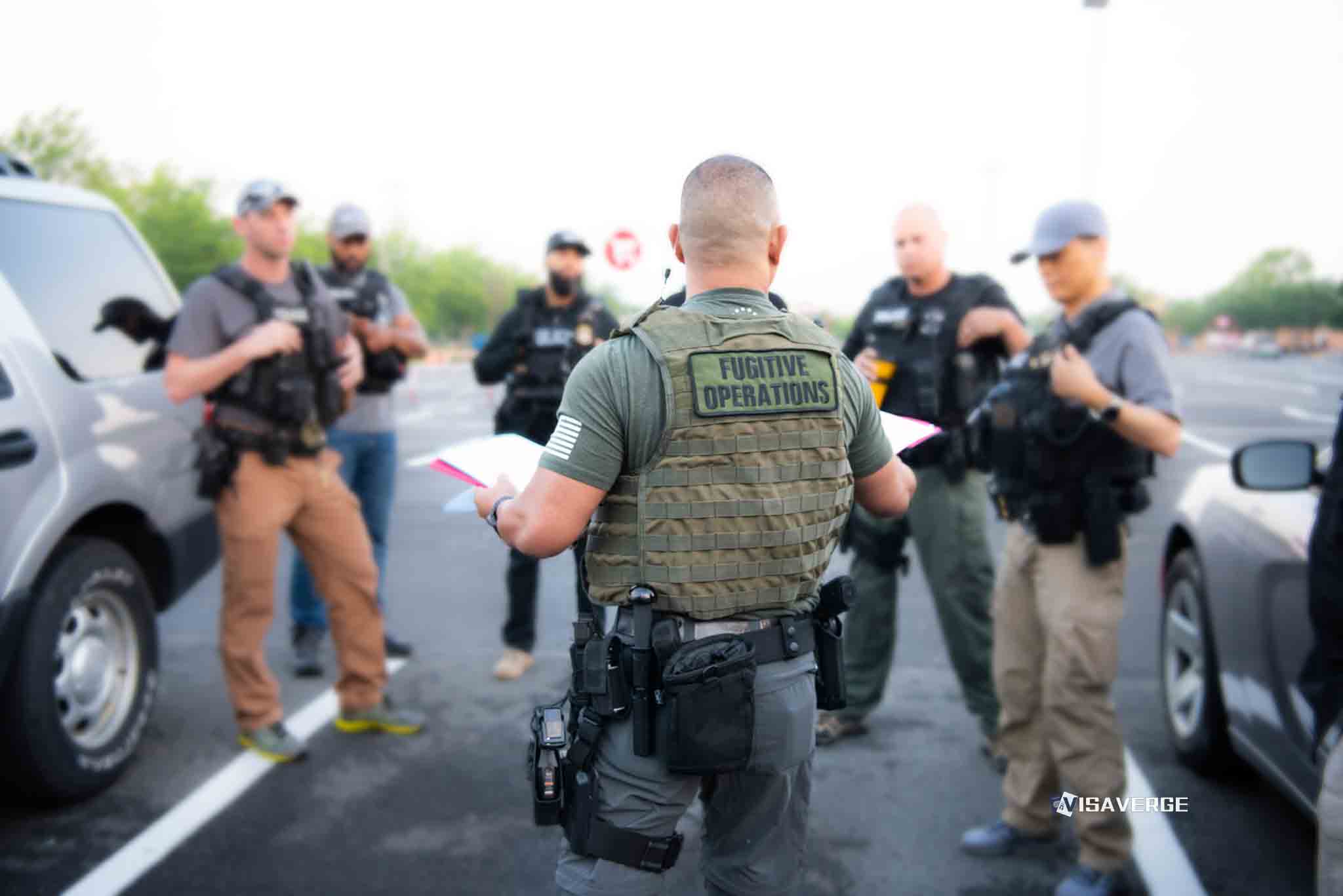
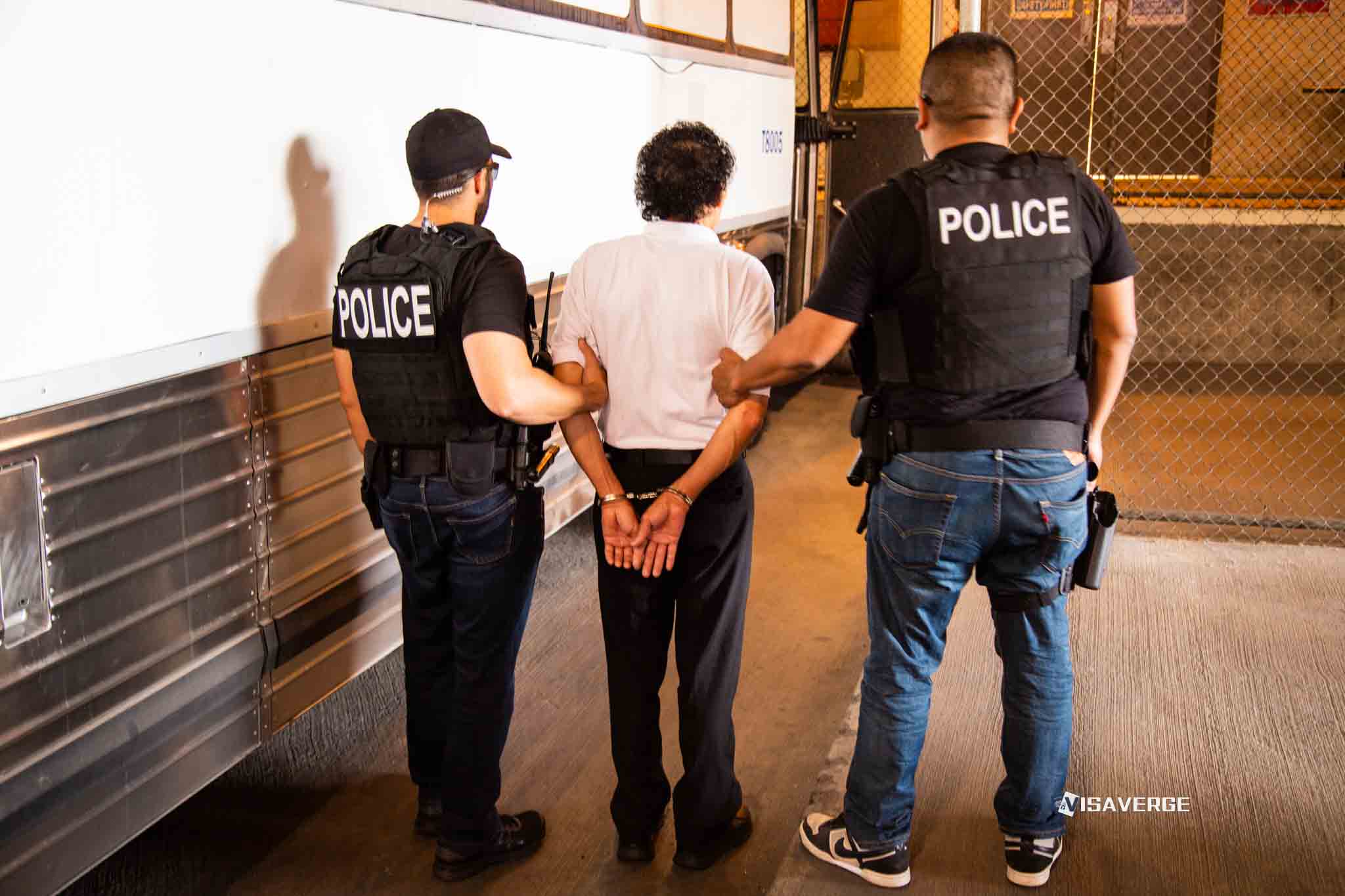
The biggest fear for many Cubans already in the United States is deportation risk. Enforcement has become stricter, detention capacity has expanded, and prosecutorial discretion has narrowed. Those changes increase the odds that people without clear status will land in removal proceedings.
Cuba also creates a unique problem for the government. Deporting people there is not always straightforward because diplomatic relations remain limited and Cuba has historically resisted accepting some removals. That has sometimes slowed actual deportations.
Still, this is not protection. It is only delay. A removal order can remain active, and circumstances can change fast. Anyone facing proceedings should get legal help immediately and raise claims such as persecution, torture risk under the Convention Against Torture, or other humanitarian defenses without delay.
Family Reunification Has Become Harder
The end of parole has hit family reunification especially hard. Before April 2025, Cuban residents in the United States could often help relatives join them through parole sponsorship. That option is gone.
Family-based immigration still exists, but it moves slowly. For fiscal year 2026, the worldwide family-sponsored preference level is 226,000, with a per-country limit of 7%, or 25,620. Those limits create long waits, especially when demand is heavy.
Sponsors also need to meet income rules and file an Affidavit of Support. That creates another barrier for families who are already under financial strain.
Employment-Based Routes Remain Narrow
Some Cuban nationals can still pursue employment-based immigration. That path is open to people with strong credentials and a U.S. employer willing to sponsor them. The April 2026 Visa Bulletin brought better news for some applicants, because EB-2 and EB-3 became current for the first time in years.
That matters for people who qualify. It does not help everyone. Employment-based immigration still requires sponsorship, proof of need, and a long filing chain.
The fiscal year 2026 worldwide employment-based preference level is at least 140,000. That number sounds large, but it is divided across countries and categories, so delays remain common.
South Florida Feels the Pressure First
South Florida has the country’s largest Cuban-American community, and it is feeling the strain most sharply. Families that once expected reunification through parole now face long waits or no route at all. Workers with temporary permits are left unsure about their status. Parents and children are separated by paperwork and policy.
The political response has been loud, but the administration has held firm. For many families, the policy shift is not abstract. It affects rent, jobs, school plans, and whether loved ones can reunite at all.
Historical Promises, Current Limits
U.S. policy toward Cubans has changed many times. The Cuban Adjustment Act came from the Cold War era. Later came the “wet foot, dry foot” policy, which ended in 2017 under President Obama. Then the Biden administration created parole programs as a new bridge. That bridge is now gone.
What remains is a smaller set of legal options and a much harsher enforcement climate. Cubans seeking permanent residency now have to move fast, keep records clean, and stay ready for close review.
The USCIS website remains the main public reference point for forms and filing rules, but the practical reality is that the path is narrower than it was a year ago. For many Cuban nationals, the future now turns on whether they fit the Cuban Adjustment Act, survive security screening, or avoid removal proceedings long enough to finish a case.