Visa holders face narrower room for error. H-1B workers have come under audits tied to merit-based reforms, while students risk revocation for activism as enforcement officials examine status violations more aggressively.
Refugees and asylees confront a different set of concerns. Travel, changing conditions in their home countries and any conduct that creates inadmissibility or deportability issues can reopen questions about their protection.
Families can also face removal together. One limited safeguard remains Parole in Place for undocumented relatives of U.S. military members.
Industries that rely heavily on immigrant labor are bracing for shortages. Agriculture, construction and healthcare all face labor pressure as removals and status losses affect workers with legal permission to remain in the country.
Some state governments have tried to respond by funding representation for detained immigrants. Access to counsel has grown more urgent as faster proceedings and detention transfers make it harder for people to prepare a defense.
Long-term residents face another threat through denaturalization. Quotas of up to 200/month in 2026 have raised the prospect that people who already became citizens could face fraud allegations and renewed immigration proceedings.
Enforcement also faces limits. Court backlogs, foreign governments that refuse repatriation and budget strain all constrain how quickly removals can move forward, even with the large new spending package.
Opponents of the crackdown argue that the current system erodes due process protections and brings economic and humanitarian costs. Supporters point to broad public support for enforcement and closer cooperation between local authorities and federal officers.
Court challenges and protests have continued alongside the policy changes. Lawsuits have targeted visa cancellations linked to speech, and demonstrations against Immigration and Customs Enforcement have erupted in several places.
As of March 2026, the administration continues to reshape policy through executive actions. One proposal that has not taken effect is the elimination of birthright citizenship, despite repeated threats.
For legal immigrants, the current period has turned lawful status into less of a shield than many once believed. Green card holders, visa holders, refugees and asylees still receive hearings, appeals and other due process protections, but stricter enforcement since 2025 has made those protections harder to use while the threat of removal reaches deeper into the country’s legal immigration system.
- Legal immigrants including green card holders and refugees face expanded deportation scrutiny under 2026 enforcement policies.
- Over 100,000 student and worker visas were revoked in 2025 due to stricter compliance and status reviews.
- Lawful residents retain due process protections but face higher risks from criminal convictions and status violations.
(UNITED STATES) — President Trump’s administration has expanded deportation scrutiny since January 2025 to legal immigrants, including green card holders, visa holders, refugees and asylees, even as those groups retain due process protections before immigration judges.
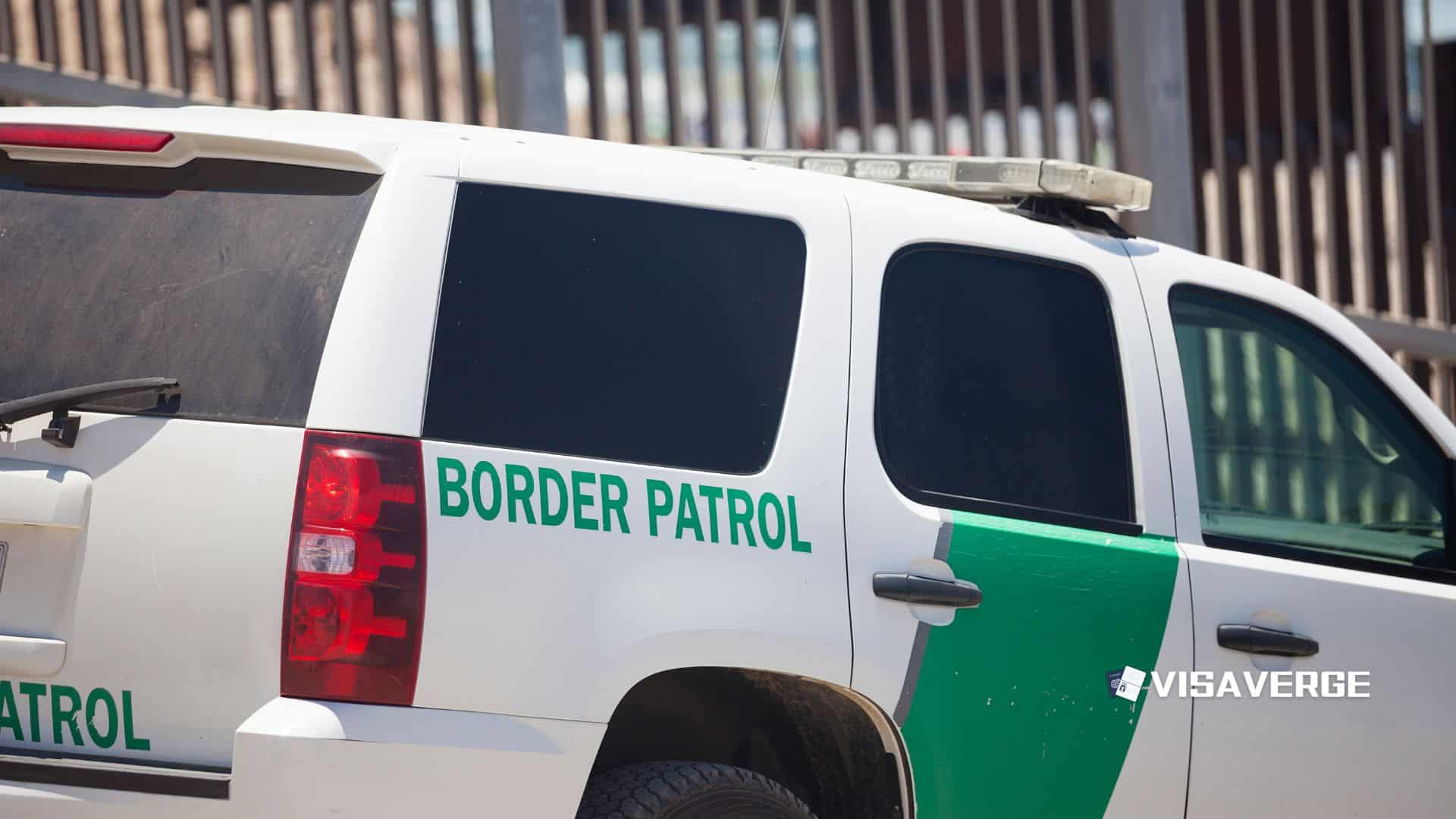
The shift has reached far beyond undocumented immigrants at the border. Over 100,000 student and worker visas were revoked last year alone, while stricter visa revocations, worksite checks and targeted removals widened enforcement against people who had lawful status.
Legal immigrants can face deportation under specific grounds in U.S. immigration law. Those grounds differ by status, but they can apply to lawful permanent residents, temporary visa holders and people admitted as refugees or granted asylum.
Who Can Be Removed Under U.S. Immigration Law
U.S. law draws clear distinctions among those categories. Green card holders, or lawful permanent residents, have the strongest safeguards against removal, but they are not immune. They can live and work in the country indefinitely, must renew their status every 10 years, and can still be removed for certain violations.
Nonimmigrant visa holders have fewer protections because their status remains tied to specific conditions. People on H-1B work visas, F-1 student visas and B-1/B-2 tourist visas can become deportable if they overstay, work without authorization or fail to maintain the terms of their admission.
Refugees and asylees also face risks despite their protected status. They can pursue permanent residency, but they can lose protection if conditions in their home country improve or if they commit acts that disqualify them from keeping that status.
Common Grounds for Deportation
The legal basis for removal rests on becoming removable under Section 237 of the Immigration and Nationality Act. Criminal convictions remain among the clearest triggers, and they reach both temporary visa holders and green card holders.
Aggravated felonies such as murder, drug trafficking, or crimes of moral turpitude like theft or fraud make nearly all legal immigrants deportable. Non-violent offenses can also carry immigration consequences if they meet the threshold for a crime involving moral turpitude.
Status violations form another broad ground for removal. Overstaying a visa, taking unauthorized employment or failing to maintain student status can place a person in removal proceedings.
In 2025, the Department of State paused immigrant visa processing for nationals from 93 countries, including spouses and children of U.S. citizens. That move increased pressure on family-based immigrants and other visa holders already navigating strict compliance rules.
Public charge inadmissibility can also create deportation risk if a person becomes primarily dependent on government benefits, though waivers exist in some cases. Security and fraud grounds, including terrorism-related activities, espionage and sham marriages, can bring swift removal action.
A 2026 House-passed bill, the Deporting Fraudsters Act, reflects that focus. The measure targets “illegal alien fraudsters” for prompt deportation.
Missing court hearings or abandoning applications can also end in removal. Once a person fails to comply with a removal order, the case can move toward a final order of removal.
Green card holders still face a higher legal bar for deportation than visa overstayers because lawful permanent residents must be shown to have committed willful violations. In practice, however, recent policies have lowered the threshold for enforcement by exposing more people to detention and proceedings.
That change became sharper after the administration revoked Temporary Protected Status and humanitarian parole for over 1.5 million people. Those terminations stripped away prior legal protections and left many exposed to removal.
Refugees have also come under renewed review. Operation PARRIS targeted thousands in Minnesota, adding to anxiety among people once seen as having some of the strongest humanitarian protections available under U.S. law.
Due Process and Removal Proceedings
Even with that pressure, legal immigrants inside the United States retain due process protections under the Fifth and Fourteenth Amendments. Those protections separate them from undocumented immigrants who can face expedited removal at the border.
The process usually begins when Immigration and Customs Enforcement serves a Notice to Appear. That document starts removal proceedings before an immigration judge in the Executive Office for Immigration Review.
People in proceedings have the right to counsel, though only at their own expense. Access to lawyers often shapes the outcome, and detained immigrants have struggled to secure representation as the detention system has grown.
They can also seek forms of relief from removal. Lawful permanent residents with 7+ years residency and good moral character can apply for cancellation of removal, while others may pursue asylum withholding, adjustment of status or waivers for minor crimes.
Appeals remain available after an immigration judge rules. Cases can go to the Board of Immigration Appeals, federal circuit courts and, in rare instances, the Supreme Court.
Enforcement Expansion in 2025 and 2026
Those protections, however, have come under strain during the 2025-2026 enforcement push. The administration expanded detention to 73,000 immigrants by January 2026, and more than half were being held for civil immigration violations only.
Authorities have used county jails, prisons, military bases and Guantanamo Bay as holding sites. Courthouse arrests during routine check-ins have pushed legal immigrants into detention and increased pressure on them to abandon their claims.
The asylum system has also tightened. In November 2025, all asylum decisions halted, leaving thousands in limbo and reducing credible fear screenings.
Changes inside the immigration court system have added to that pressure. Executive Office for Immigration Review changes now expedite proceedings, which can shorten the time available for hearings and preparation.
Congress also approved a $170 billion spending package for enforcement, including $45 billion for detention. Yet the immigration court system still carries a backlog exceeding 3 million cases, extending uncertainty for green card applicants, visa holders and others waiting for final decisions.
Since President Trump’s January 2025 inauguration, interior enforcement has taken priority over a narrower border focus. That strategy has pulled more legal immigrants into investigations, visa reviews and workplace operations.
Visa revocations have been one of the most visible tools. Over 100,000 student and worker visas were revoked in 2025 for alleged violations, including political speech.
Worksite enforcement has widened at the same time. Raids now verify employment eligibility, and 287(g) agreements have given local police a larger role in making Immigration and Customs Enforcement arrests.
The administration has also tightened restrictions on humanitarian programs. The end of Temporary Protected Status and parole for 1.5 million+ people has had economic implications as well as immigration consequences.
For Venezuelans on Temporary Protected Status, projected removals carry a large economic cost. Deporting that population would produce a $40.5 billion loss projected for 2026.
Refugee and asylum policy has also shifted. “Remain in Mexico” returned, expedited removals expanded, credible fear criteria narrowed and refugee admissions fell to historic lows while the government prioritized select groups.
Detention growth has raised concerns about enforcement tactics. Minneapolis shootings have intensified scrutiny of reported chokeholds and racial profiling during arrests and detention operations.
Sanctuary jurisdictions also face new pressure. The administration has pursued funding cuts, lawsuits against cities that do not cooperate, and mandates for local jail handovers, while polls show 67% public support for that approach.
Public opinion on deportation remains split by category. Polls show 73% backing deportation of “criminal illegals,” and majorities support cooperation with Immigration and Customs Enforcement.
The government’s deportation claims run into the millions annually when border turnaways are included. Inside the country, removals of legal immigrants have centered on people accused of crimes, status violations and other grounds of removability.
Practical Risks for Different Status Groups
For green card holders, the practical risks often begin with conduct that can appear minor under state law but still trigger immigration action. Continuous residency, prompt tax filing and avoiding criminal activity remain central because offenses such as marijuana possession can still lead to a Notice to Appear under federal law.
Visa holders face narrower room for error. H-1B workers have come under audits tied to merit-based reforms, while students risk revocation for activism as enforcement officials examine status violations more aggressively.
Refugees and asylees confront a different set of concerns. Travel, changing conditions in their home countries and any conduct that creates inadmissibility or deportability issues can reopen questions about their protection.
Families can also face removal together. One limited safeguard remains Parole in Place for undocumented relatives of U.S. military members.
Industries that rely heavily on immigrant labor are bracing for shortages. Agriculture, construction and healthcare all face labor pressure as removals and status losses affect workers with legal permission to remain in the country.
Some state governments have tried to respond by funding representation for detained immigrants. Access to counsel has grown more urgent as faster proceedings and detention transfers make it harder for people to prepare a defense.
Long-term residents face another threat through denaturalization. Quotas of up to 200/month in 2026 have raised the prospect that people who already became citizens could face fraud allegations and renewed immigration proceedings.
Enforcement also faces limits. Court backlogs, foreign governments that refuse repatriation and budget strain all constrain how quickly removals can move forward, even with the large new spending package.
Opponents of the crackdown argue that the current system erodes due process protections and brings economic and humanitarian costs. Supporters point to broad public support for enforcement and closer cooperation between local authorities and federal officers.
Court challenges and protests have continued alongside the policy changes. Lawsuits have targeted visa cancellations linked to speech, and demonstrations against Immigration and Customs Enforcement have erupted in several places.
As of March 2026, the administration continues to reshape policy through executive actions. One proposal that has not taken effect is the elimination of birthright citizenship, despite repeated threats.
For legal immigrants, the current period has turned lawful status into less of a shield than many once believed. Green card holders, visa holders, refugees and asylees still receive hearings, appeals and other due process protections, but stricter enforcement since 2025 has made those protections harder to use while the threat of removal reaches deeper into the country’s legal immigration system.