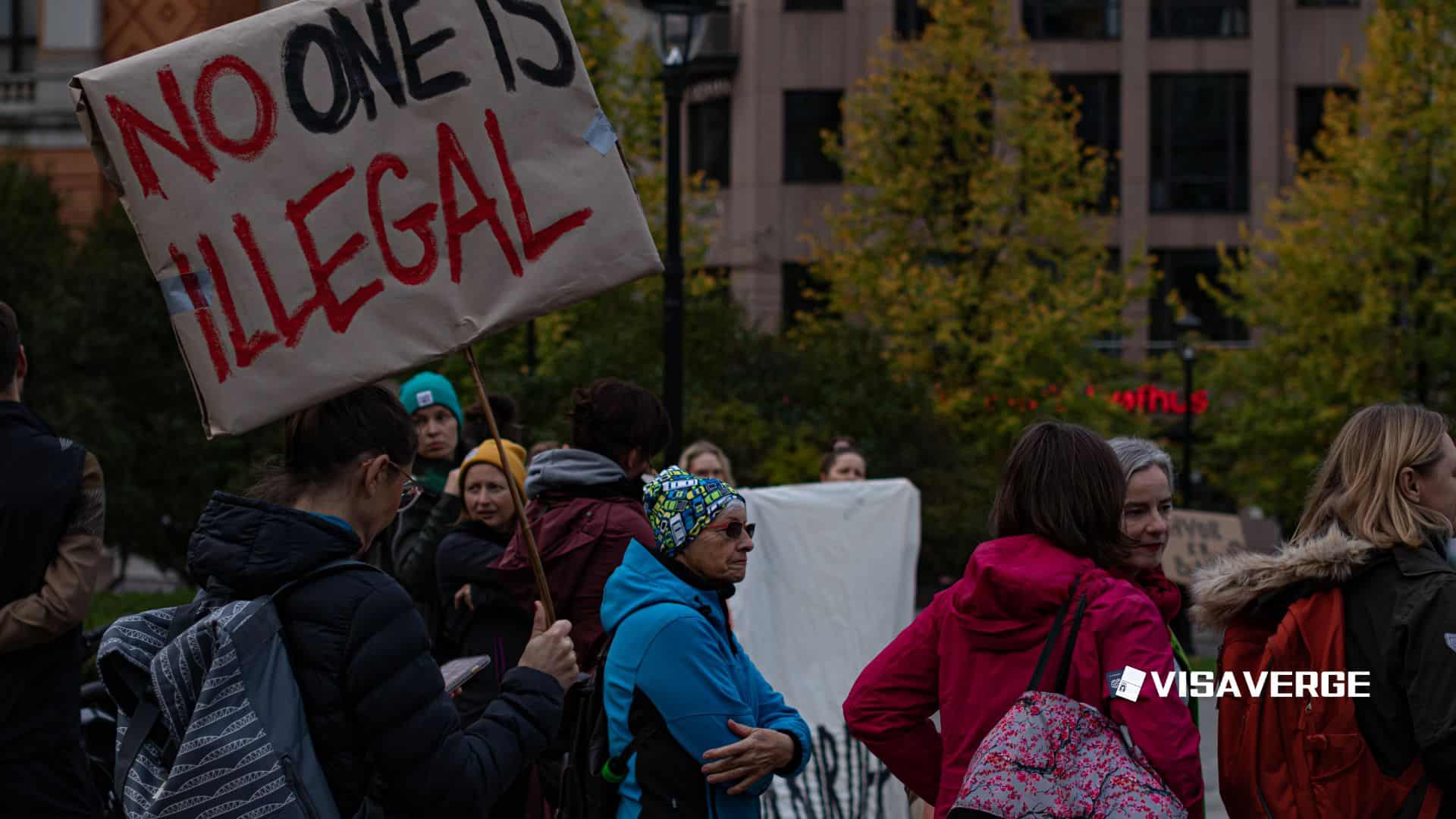
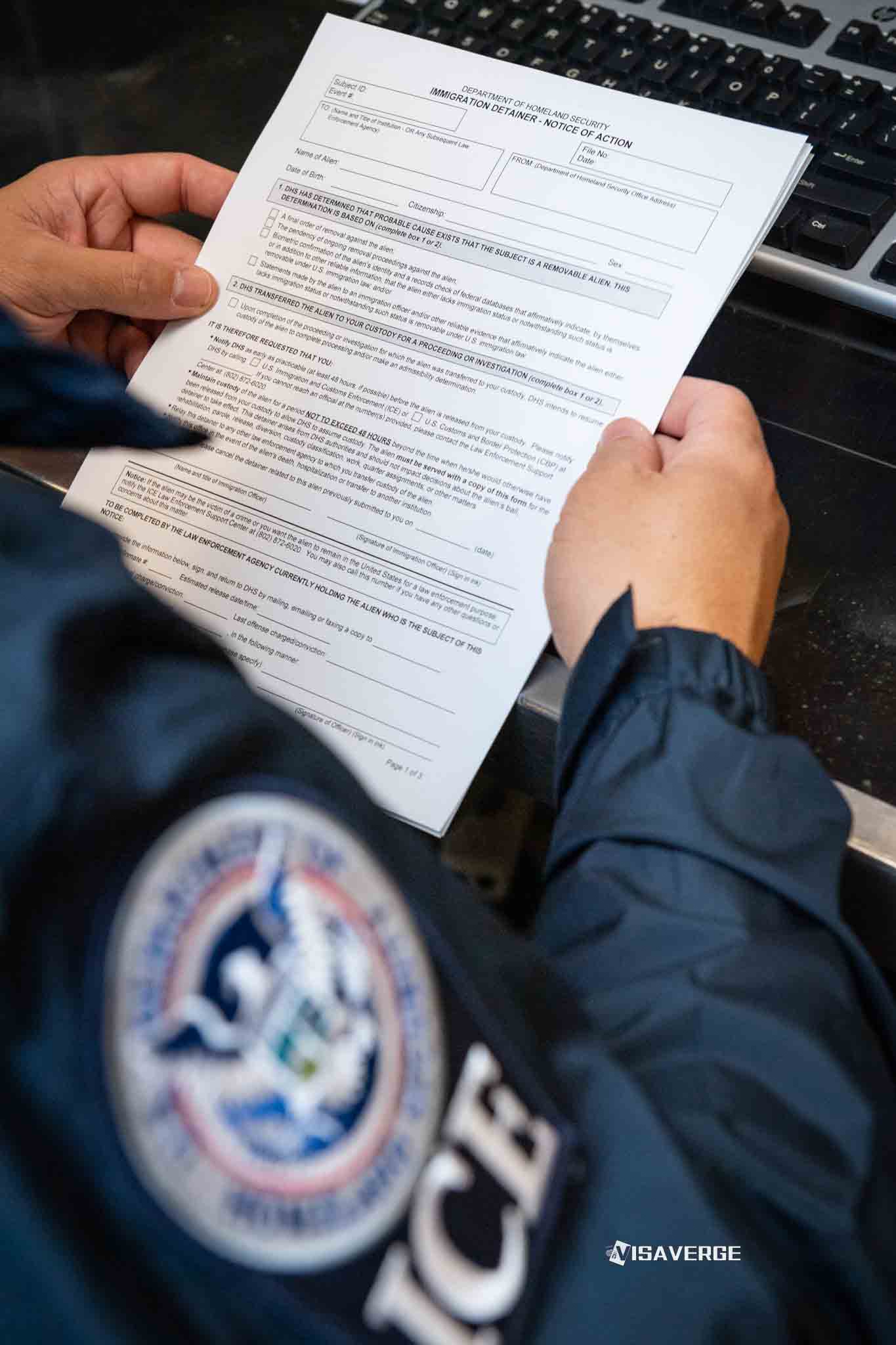
(SOUTH SUDAN) President Donald Trump’s 2025 push to expand deportation deals across Africa and enforce a new travel ban has drawn sharp backlash from rights groups, faith leaders, and several African governments, as the policy mix reshapes who can enter or remain in the United States ??. A June Supreme Court ruling cleared the way for expedited deportation to “third countries” with minimal notice, while a June 9, 2025 ban now blocks travel from 19 countries—mostly in the Middle East and Africa—and threatens to add up to 36 more if governments don’t meet U.S. vetting and deportation cooperation demands within set timelines.
Policy Changes and Legal Backdrop

In June, the Supreme Court allowed the administration to restart third-country removals, meaning a person can be sent to a nation where they hold no citizenship and may never have lived. That authority covers deportation to several African states, including South Sudan, despite ongoing instability.
The Court’s decision reversed a lower ruling that had raised due process concerns, handing the White House a powerful tool to accelerate removal with limited notice and restricted access to legal help.
Free toolUSCIS Receipt Number DecoderAt the same time, the White House rolled out a new travel ban. Announced on June 4, 2025, it took effect June 9, freezing many family visits, medical trips, and business plans.
- The State Department has tied a country’s risk of being added to the ban to how it cooperates on deportations and identity vetting.
- Spokeswoman Tammy Bruce confirmed that embassies are communicating these conditions and monitoring whether governments accept deportees, including those who are not their citizens.
Tom Homan, the administration’s border lead, says ICE will prioritize people with criminal records but will also remove non‑criminals and those with final deportation orders. Expanded expedited removal procedures have widened the net, and ICE has stepped up raids in Democratic-led cities and in industries like agriculture and hospitality.
These steps come alongside an indefinite refugee ban that, as of August 13, 2025, has left more than 120,000 people stranded worldwide, many of them from African countries.
Policy exceptions have stirred added anger. In February, President Trump signed an order fast-tracking white South Africans who claim racial persecution, with some cases moving ahead before in-person interviews. Episcopal Migration Ministries later terminated its federal contract in protest, citing racial bias in refugee choices while other groups remain blocked by the indefinite ban.
The combination of third-country deportation, expanded bans, and selective refugee exceptions has fueled accusations of discrimination and unequal treatment.
For official visa policy guidance, travelers and families can review the State Department’s updates at: https://travel.state.gov/content/travel/en/us-visas.html.
Human Impact and International Pushback
Deportation to a third country can place people in immediate danger—especially when sent to unstable places where they have no ties, support, or lawful status.
- Lawyers and advocates say the speed of removal under expedited procedures cuts off due process and limits time to gather evidence for asylum or other protection claims.
- Human rights groups, including the ACLU, argue that sending people to countries with ongoing conflict exposes them to serious harm and may violate basic protections.
The travel ban has hit mixed‑status families and business owners hard. Thousands report stalled reunification plans, canceled medical visits, and lost contracts.
According to analysis by VisaVerge.com, linking deportation cooperation to travel ban decisions has placed many African governments in a bind:
- Accept non‑citizen deportees and face domestic backlash, or
- Resist and risk broader visa blocks affecting students, workers, and families.
There is also a clear economic cost. Households from the 36 countries that could be added to the ban contributed an estimated $1.4 billion in income and paid $359.9 million in taxes in 2022.
Local employers—especially in health care, logistics, and small retail—warn that a wider ban would drain talent pipelines and slow hiring. Churches, community centers, and refugee agencies report rising stress among families, including U.S. citizen children, who fear that a relative’s visa case may collapse under new rules.
International reaction has been wary. Several African governments have resisted accepting third‑country deportees, citing:
- Sovereignty concerns
- Security gaps
- Humanitarian risks
Officials argue that forced reception of non‑citizens strains already limited services, from border screening to shelter. Some governments say they will cooperate on identity verification for their own nationals but will not agree to take people who have no link to their country. That stance raises the stakes for the threatened expansion of the travel ban later this year.
The administration’s refugee stance remains a flashpoint. While most refugees face years of screening—or now, an indefinite pause—white South African applicants have been fast‑tracked. Faith groups and resettlement partners call the carveout discriminatory. Episcopal Migration Ministries’ decision to walk away from a federal contract underscores how unusual the split has become between the White House and long‑time refugee partners.
What Happens Next
The White House says it may add up to 36 more countries, mostly in Africa, to the travel ban list by late 2025 if governments do not comply with vetting and deportation conditions. The State Department is issuing warnings and tracking cooperation.
If expansion goes ahead, the effects would widen to:
- Students with fall admissions
- Relatives awaiting consular interviews
- Companies planning year‑end travel
Legal fights are likely to grow. Attorneys say the combination of third‑country deportations and rapid removal raises serious due process issues, especially where people cannot access counsel in time.
Analysts expect challenges to:
- The use of expedited third‑country removals under the Supreme Court ruling
- Application of the Alien Enemies Act in this context
- State-level participation in deportation efforts, on constitutional grounds
Courts could slow parts of the policy rollout, though the Supreme Court has already granted the administration broad authority on third‑country removals.
The human pressure will increase if the refugee freeze continues. With more than 120,000 people stuck, aid groups warn of a widening crisis: families separated, children aging out of eligibility, and medical cases left in limbo. Community organizations report that the halt in resettlement funding is straining food, housing, and legal support in transit countries and camps.
Key takeaway: rapid policy shifts—third‑country removals, expanded travel bans, and an indefinite refugee pause—combine to create immediate legal, humanitarian, and economic harms, especially for those with no ties to the countries where they may be sent.
Practical Steps for Families and Employers
For families and employers trying to plan amid fast‑moving rules, consider these actions:
- Check State Department visa alerts and consular notices often, as country status can change quickly under the ban framework.
- Keep detailed records for any immigration case, including identity documents, family ties, and humanitarian factors that may matter in court.
- Seek help from recognized nonprofits and legal aid groups, including:
- American Immigration Council
- ACLU
- CWS Global
Context and Political Framing
The current approach marks a return—and expansion—of themes from Trump’s first term, when travel bans focused on Muslim‑majority and African countries before President Biden rescinded them in 2021. Today’s policy set goes further by pairing the travel ban with third‑country deportations and an indefinite refugee pause.
Supporters argue these steps protect national security and improve cooperation with foreign governments. Critics counter that the rules are overly broad, sidestep long‑standing protections, and unfairly single out African nations.
What happens by year’s end will hinge on court calendars, diplomatic talks, and how countries respond to U.S. demands. For now, people across Africa—and their families in the United States—remain stuck between fast‑changing rules and slow‑moving relief.
This Article in a Nutshell
A June Supreme Court decision and a June 9 travel ban reshape U.S. immigration: third‑country deportations, expanded removals, and a paused refugee program create legal and humanitarian crises for families, workers, and aid groups confronting rapid policy shifts and looming expansion of bans through late 2025.