Key Takeaways
- The Trump administration’s decision ends TPS for over 300,000 Venezuelans by April and risks protections for 250,000 more by September.
- Venezuelan TPS holders, granted status in 2021 due to humanitarian crises, now face deportation despite earlier promises of safety under U.S. laws.
- Legal challenges and advocacy efforts are critical as many TPS recipients fear returning to unsafe conditions in Venezuela.
The Trump administration’s decision to end Temporary Protected Status (TPS) for Venezuelans living in the United States has created a wave of anxiety, anger, and uncertainty. This decision is expected to affect more than 500,000 Venezuelan immigrants, with many facing the risk of deportation. For the Venezuelan-American community in Florida, particularly in areas like Doral with a large Venezuelan population, this shift has brought feelings of fear and betrayal. The new policy, which will officially end TPS for over 300,000 Venezuelans by early April, and potentially eliminate protections for another 250,000 individuals by September, marks a shocking reversal of earlier policies that allowed many to settle and build their lives in the United States.
Temporary Protected Status was first created as a lifeline for individuals whose countries are experiencing severe instability, such as wars or natural disasters. Venezuelans were granted TPS in 2021 under the Biden administration due to the humanitarian crisis in Venezuela. The government of Nicolás Maduro has overseen immense economic troubles, food shortages, limited access to medicine, and widespread political oppression—conditions that made it unsafe for individuals to return home. TPS allowed Venezuelans to obtain work permits, social security numbers, and access to stability while remaining in the U.S. However, this new decision by the Trump administration signals a shift in focus, leaving countless individuals uncertain about their next steps.
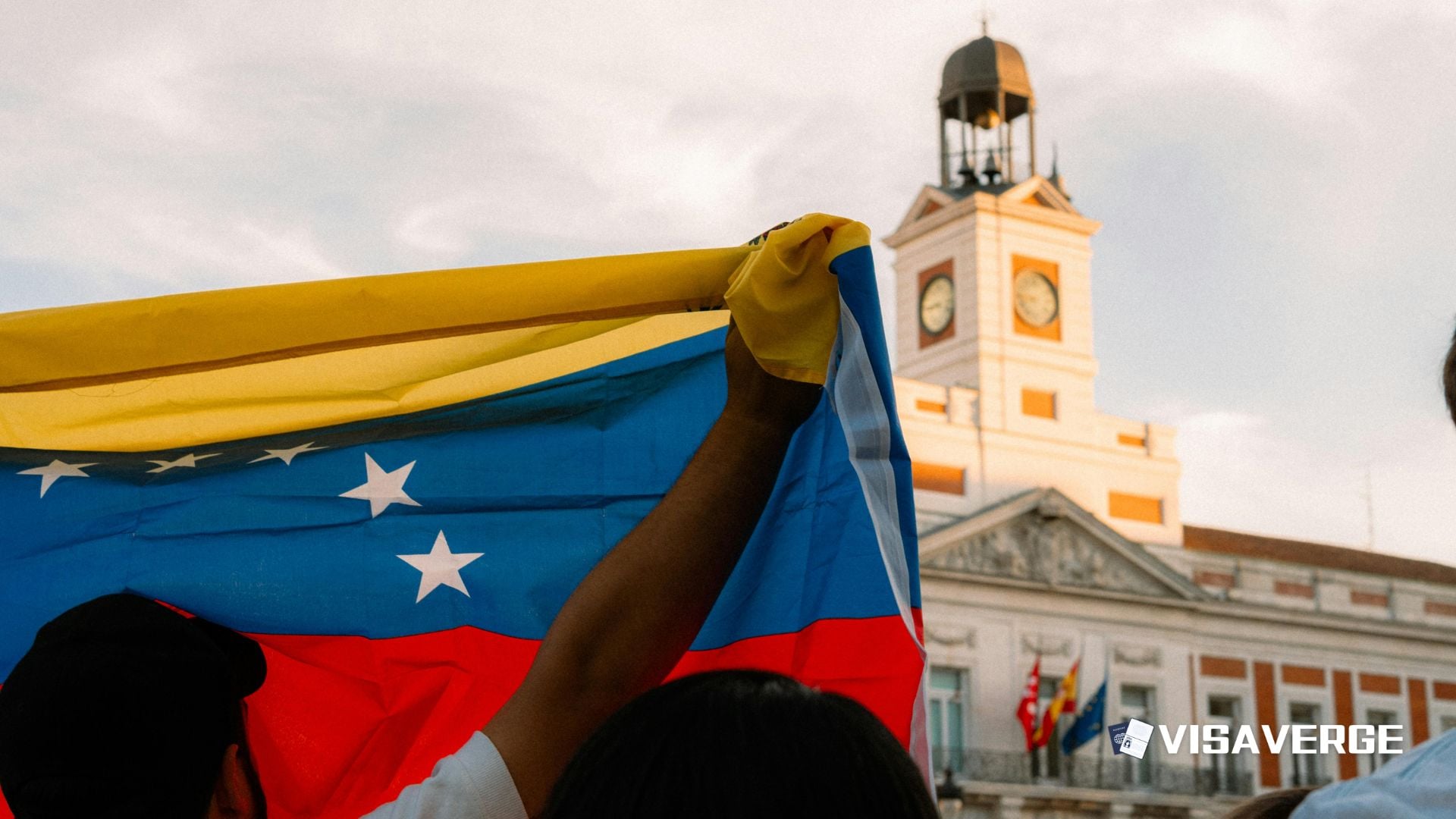
The Venezuelan-American community has reacted strongly to this policy shift. Many feel misled, especially since previous assurances implied that law-abiding Venezuelan immigrants would not be targeted. Adelys Ferro, director of the Venezuelan American Caucus, summed up these feelings, saying, “We are human beings who work here, who are small business owners.” For many, TPS was more than temporary protection—it became a crucial step toward securing stability and building a future. This sense of betrayal has hit hardest in Florida, where the Venezuelan community has grown significantly over the years. In Doral, often referred to as “Doralzuela” due to its high concentration of Venezuelans, local leaders and community organizers have expressed their concerns. Still, many TPS recipients feel too afraid to speak up publicly, worried about drawing the attention of immigration authorities.
The anger within the community stems, in part, from broken political promises. During the 2024 election campaign, Republican officials reportedly assured Venezuelan voters that immigration policies under Trump would not harm documented immigrants. Now, many Venezuelan-Americans who supported these assurances feel shocked and let down. Carlos Pereira, who resides in Doral, explained that fear and frustration are widespread. “They’re scared, they take cover, hide,” he shared, describing the tense environment that has developed since the policy announcement.
The Department of Homeland Security (DHS) has attempted to justify the change, but the reasoning has raised eyebrows. DHS Secretary Kristi Noem suggested that Venezuela used TPS as a way to send undesirable individuals, such as former prisoners, to the U.S. These claims, however, have been disputed by advocates and Venezuelans themselves. Coastal migration from Venezuela to the United States began decades ago, and the majority of TPS beneficiaries are people who fled genuine humanitarian crises, such as the collapse of Venezuela’s economy, political repression, or threats to their safety. Immigration advocates have criticized the DHS narrative as inaccurate, calling for better representation of immigrants’ stories.
Adding to the already complex situation is the backdrop of international diplomacy. Reports indicate that the Trump administration is in talks with the Maduro regime—historically a Republican target—to negotiate the release of detained Americans in Venezuela. This has left many Venezuelan-Americans puzzled and upset. While Republican politicians have often been loud critics of Maduro, their relative silence on TPS elimination has led some community members to question whether the timing of these actions is politically motivated.
The consequences of ending TPS will ripple beyond the Venezuelan community in Florida. TPS has provided critical protections for people from various countries, including Haiti, Nicaragua, and Sudan. The U.S. has a long history of using TPS to manage humanitarian crises abroad while offering stability to immigrants already present on U.S. soil. This reversal could set a problematic precedent that puts millions of other TPS holders at risk. Immigration advocates see the decision as part of a broader strategy that undermines immigrant protections across the board.
Congressman Mario Diaz-Balart from Florida has notably opposed the decision to strip Venezuelans of TPS. While he supports evaluating asylum applications on a case-by-case basis, his opposition provides a glimmer of hope for those seeking more tailored policies. This nuanced view stands in stark contrast to other voices within the administration calling for more restrictive measures. For many affected individuals, however, time is running out. Preparing for a possible legal battle or looking for alternative pathways to stay in the U.S. could take months if not years, all while TPS recipients continue to face the existential question of whether they will be forced to leave the country they now call home.
For people like Erlinda Mendoza, a 58-year-old Venezuelan who was granted TPS and rebuilt her life in Tampa, the stress is overwhelming. Mendoza had hoped for a new chapter after leaving behind the hardships in Venezuela. The reality of losing TPS now feels devastating. “It’s devastating news for all of us who have made the sacrifice of coming here to improve our lives,” Mendoza explained. She feared going back to Venezuela, where she said uncertainty and hardship remain certain. Mendoza’s experience echoes those of thousands of others who used TPS to gain a foothold in the U.S. economy while contributing to local communities.
The legal history of TPS suggests there may be avenues for challenging the new policy. In 2018, efforts by the Trump administration to roll back TPS for individuals from countries like Haiti and Sudan were met with resistance in U.S. courts. However, pursuing legal challenges takes enormous time and resources, offering little comfort to many immigrants currently in limbo. Immigration lawyers, including Lissette Sanchez, have criticized the policy as particularly cruel. Sanchez pointed out that Venezuelans have integrated into American society and that the sudden removal of TPS could lead to economic disruption and personal tragedies for families.
While some organizations that advocate for stricter immigration policies have welcomed the elimination of TPS for Venezuelans, citing national security concerns, others argue these views misrepresent the facts. Carlos Bohorquez, a Venezuelan TPS holder from Tampa, described the thought of returning to Venezuela as facing an “uncertain destination.” He, like many others, expressed frustration that humanitarian concerns appear to be secondary to political calculations. Furthermore, the current policy shift has forced many families to make difficult and immediate decisions, such as whether to uproot their lives or fight to remain in the United States.
The humanitarian crisis in Venezuela continues to raise ethical concerns about the implications of ending TPS. Since TPS was initially established to protect individuals from dangerous or life-threatening conditions in their home countries, using it as a political tool undermines its intent. Venezuelans fleeing government oppression and poverty do not have viable options for returning safely. Many had planned to use their TPS status to secure long-term pathways to citizenship. Now, these plans are in jeopardy, leaving families like Mendoza’s unsure of what their futures hold.
As reported by VisaVerge.com, the current TPS decision has divided opinions and intensified frustrations. While some officials have pushed for hardline measures, others are advocating for commonsense solutions that prioritize fairness and real human impact. The coming weeks will likely bring further debate as policymakers grapple with this pressing issue.
For now, TPS holders are left with difficult questions and limited time. The Venezuelan-American community, which has always been resilient, will need to rely on legal challenges, advocacy from immigration groups, and their elected representatives to push for a more humane resolution. Whether through courts, Congress, or grassroots activism, these individuals are fighting not just for TPS, but for the recognition of their lives and struggles in a country they’ve come to call home.
For official information on TPS policies and updates, visit the U.S. Citizenship and Immigration Services (USCIS) TPS page: USCIS Temporary Protected Status.
Learn Today
Temporary Protected Status (TPS) → A U.S. policy granting temporary protection to individuals from countries facing conflict, disasters, or instability.
Deportation → The process of forcibly removing a foreign individual from a country for violating immigration laws or lacking legal status.
Humanitarian Crisis → A situation involving widespread suffering, such as war, economic collapse, or oppression, impacting safety and basic survival needs.
Immigration Advocates → Individuals or organizations working to protect immigrant rights, improve policies, and offer support for affected communities.
Political Calculations → Strategic decisions made by governments or politicians based on potential political gain rather than ethical or humanitarian considerations.
This Article in a Nutshell
The Trump administration’s decision to end Temporary Protected Status (TPS) for Venezuelans sparks fear among 500,000 immigrants. Once a lifeline for those fleeing Venezuela’s crisis, TPS offered stability and opportunity. Now, deportation looms, fueling anger and uncertainty. Advocates urge humane policies, as families face devastating choices about their futures in America.
— By VisaVerge.com
Read more:
• Orlando Haitian Community Voices Deportation Fears Amid TPS Changes
• Venezuelan Temporary Protected Status Rescinded by DHS
• Trump’s Contradictions on Birthright Citizenship and Undocumented Parents
• ICE Agents Arrest 20 Undocumented Immigrants in Mississippi
• DHS to End Temporary Protected Status for Migrants