Key Takeaways
• Supreme Court blocks Trump administration’s AEA-based Venezuelan deportations pending individual hearings.
• Alien Enemies Act, from 1798, rarely used for modern immigration enforcement until Trump administration invoked it.
• Many Venezuelans targeted lack criminal ties; courts insist on due process and individualized legal review.
The Supreme Court has stepped in to temporarily block the Trump administration from deporting more Venezuelan nationals for now. This comes after a series of court orders and ongoing legal disputes connected to the government’s use of the Alien Enemies Act, a very old law dating back to 1798, in order to speed up removals of people accused of being in a criminal gang. The latest ruling means Venezuelans facing deportation under this law must be given a real chance to argue their case before a judge, which has big meaning for both the individuals involved and for immigration policy as a whole.
The story goes deeper than just one court decision. Legal experts, immigration advocates, and affected communities are watching closely, as the case could change how laws from more than two centuries ago are used in today’s immigration system. Analysis from VisaVerge.com suggests that even though the Alien Enemies Act allows fast removal of certain non-citizens during conflicts or national emergencies, its sudden use by the Trump administration against Venezuelans has raised constitutional questions—especially about fairness and due process.
A Closer Look at the Supreme Court Order
Earlier this month, the Supreme Court put a pause on any actions by the Trump administration to expel Venezuelans using the Alien Enemies Act. In simple terms, the Court said that nobody should be deported under this law without being given a real and fair chance to fight their case. This protection comes through something called “habeas corpus,” which is a basic legal right allowing people to challenge the reason they’re being held or deported.
The lower courts had already stopped the government from carrying out quick removals based on a proclamation by President Trump. The district court gave a temporary order saying the administration had to wait 14 days and hold proper hearings before removing anyone. Afterward, higher courts agreed with this pause and kept the stop in place, at least until everyone affected gets a chance for their case to be heard. This chain of court decisions shows that the rule of law is strong, and individual rights are still protected—even in the face of fast-moving changes to immigration policy.
How the Alien Enemies Act Entered Immigration Enforcement
The Alien Enemies Act—passed in 1798—was made at a time when the United States ?? was worried about foreign spies and dangers during wartime. The law gives the president power to remove or detain citizens of countries the United States is at war with. But this law has rarely been used in modern times, especially when it comes to immigration issues.
President Trump’s use of the Alien Enemies Act for mass deportations is seen by many as a new and surprising move. His administration said the urgent removals were aimed at stopping the spread of criminal groups, especially the Venezuelan gang known as Tren de Aragua. However, lawyers and advocacy groups have pointed out that, for most of the Venezuelans targeted, there’s little or no proof connecting them to criminal activity. This has led to strong debates about whether the Trump administration’s actions are fair, and whether it’s right to use an 18th-century law in situations like this.
What’s Been Happening to Venezuelans in Detention?
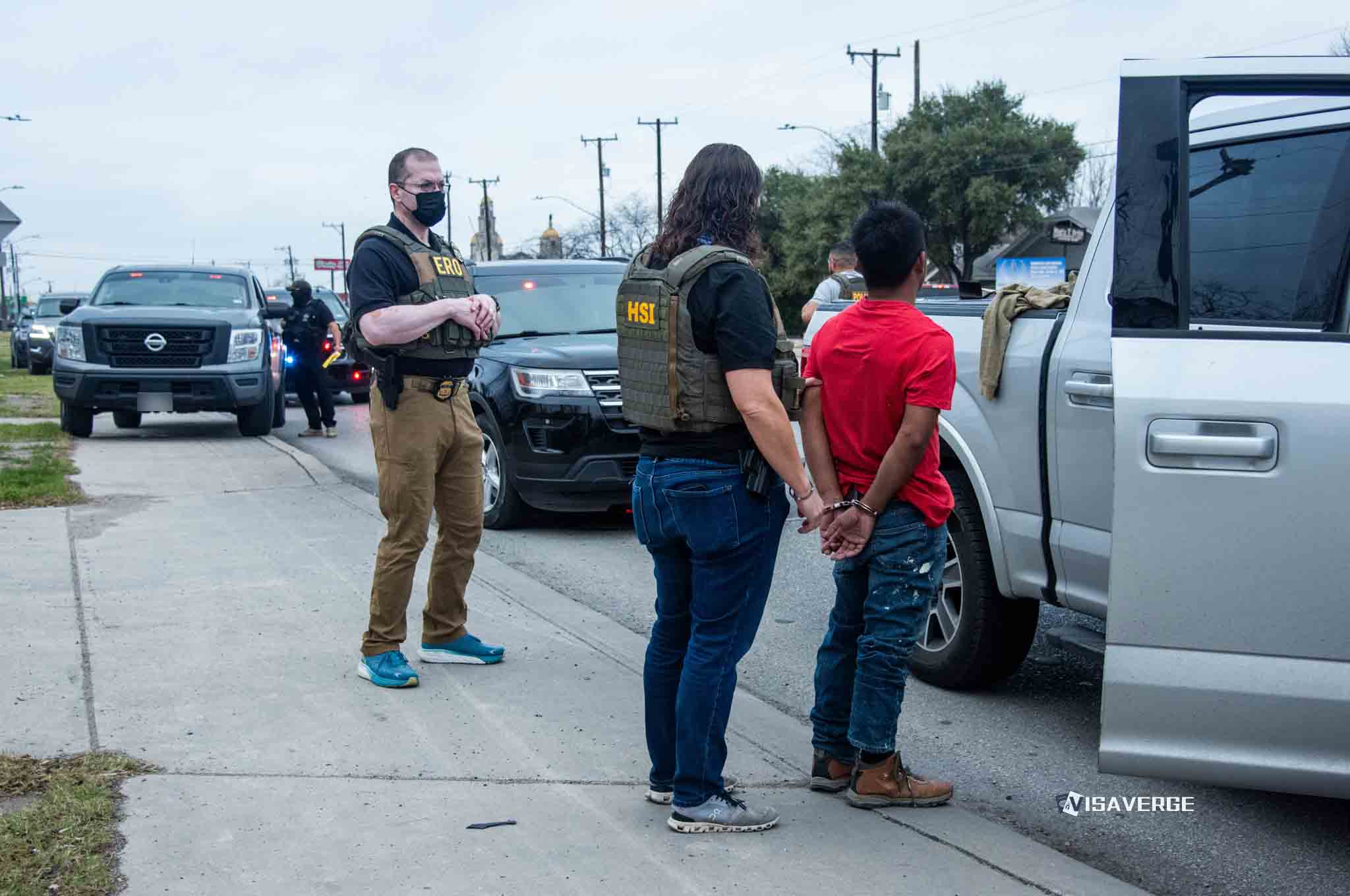
People detained under these policies often face sudden removal threats. According to recent court filings and media reports, immigration officials have been handing out notices at detention centers saying that Venezuelan men are in “imminent risk” of being sent back to Venezuela ??. These warnings sometimes come with just a few hours’ notice and are only in English, making it especially tough for non-English speakers to understand their rights or seek help.
Lawyers representing these Venezuelans have reacted by filing emergency petitions in federal courts, arguing that the removals break rules of fairness and due process—these are rights guaranteed under the U.S. Constitution. One major incident happened in March 2025, when planes with hundreds of deportees reportedly took off and were not returned, even after a judge ordered them to be brought back. These cases are still under review in the courts.
The Legal Battle: Courts Push for Fairness
District courts and the D.C. Circuit have made it clear that summary (very quick) removals under the Alien Enemies Act cannot happen unless each person first gets an individualized hearing. Judges have said that people facing these life-changing removals deserve a chance to show why they should be allowed to stay, especially when the government can’t give strong proof connecting them to crime or threats.
The government, for its part, has tried to ask higher courts for permission to keep going with rapid deportations without full hearings. Their argument is that security concerns require quick action and that the president holds special powers under the Alien Enemies Act in times of emergency.
But the courts have said these powers are not limitless. Even during emergencies, the Constitution requires basic fairness. The Supreme Court ruling now protects those facing removal, saying deportations under this law are paused until every person gets a real legal review.
Larger Implications for Immigration Policy
This case highlights a bigger question: Should laws written centuries ago still guide today’s immigration enforcement? Legal scholars say using the Alien Enemies Act in efforts like this has rarely, if ever, happened before. Some worry that using such a broad law could set a precedent—meaning future presidents might use it for all sorts of groups, not just those accused of serious crimes.
Advocacy groups say that rushing deportations without giving people a chance to argue their case is unfair, especially when it can mean returning people to dangerous conditions in their home countries. Many of the Venezuelans in this case are asylum seekers who say they would be at risk if sent back. A lack of clear evidence tying them to any gang also raises questions about the fairness and wisdom of large-scale removals.
Key Issues in a Nutshell
- Law Used: Alien Enemies Act (1798)
- Who’s Targeted: Alleged members of the Tren de Aragua gang, along with many others who aren’t part of any gang
- Supreme Court Ruling: No immediate AEA-based deportations; everyone gets a meaningful legal challenge
- Lower Courts’ Position: Pause on removals; must hold individual hearings first
- Government’s View: Wants to allow fast removals without full hearings
- Legal Concerns: Due process issues; weak or no evidence against many facing removal
Due Process: A Closer Look
Due process is a principle found in the U.S. Constitution. It requires the government to follow fair procedures when taking actions that affect people’s life or freedom. In immigration, this means migrants facing removal should have a chance to tell their story, have a lawyer, and appear before a judge.
The Supreme Court’s current order protects this right by making sure Venezuelans can argue their cases one by one. Critics of the Trump administration’s policy say this is basic fairness. They warn that skipping such steps could lead to wrongful deportations and undermine trust in the legal process.
Human Impact: What’s at Stake?
For Venezuelan nationals caught up in this situation, the stakes are enormous. Many are fleeing violence, poverty, or political problems in Venezuela ?? and are seeking protection in the United States ??. Fast-tracking deportations could return them to danger. The fear and uncertainty have caused distress for families and communities, both inside the United States and in Venezuela.
Advocates and immigrant support groups have also pointed out that providing legal information in English only creates additional barriers. People with little English might not know about court orders or their own rights, leaving them at even greater risk.
What Comes Next? Future Legal Steps
The Supreme Court’s decision is a temporary block, not a final answer. The courts will keep reviewing whether the Trump administration’s actions under the Alien Enemies Act are lawful and whether new limits are needed going forward. Individual cases will also go through hearings, so each person gets a chance for the court to look at their own situation.
Legal experts say that the courts’ focus on due process could shape how future presidents use old emergency laws for immigration purposes. Any final rulings will almost certainly impact not just Venezuelans, but other groups who might face similar treatment in years to come.
Global and Historical Context
The current legal showdown is unusual, as very few cases in U.S. history have relied on the Alien Enemies Act to justify large-scale deportations. During wartime, the law has been used to detain or remove specific nationals, but not often in a peacetime immigration setting. Now, as the United States ?? deals with a rise in migrants from Venezuela ?? and ongoing worries about border security, policy choices are under extra scrutiny.
Think about this: If a centuries-old rule is used in new ways, what stops future leaders from turning it on other groups, or broadening its reach? That’s why the debate and the upcoming decisions will likely shape immigration law and policy for years.
Practical Information for Affected Individuals
If you or someone you know might be affected by these deportation efforts, it’s important to know your rights. Under the Supreme Court’s current order, you are entitled to a real hearing before removal if you’re facing action under the Alien Enemies Act. You have the right to seek legal help and request a fair process.
For more about the Supreme Court’s decisions and to stay updated on official announcements, you can visit the U.S. Supreme Court’s official website for the latest rulings and opinions.
Wrapping Up: What This Means Going Forward
The Supreme Court’s order, while temporary, sends a strong message that even in tough times, the rights of people facing immigration deportation must be respected. The courts have said, at least for now, that the Trump administration cannot use the Alien Enemies Act to remove Venezuelans without giving each person a fair shot at defending themselves in court.
As legal battles play out and as the government weighs its options, immigrants, legal professionals, and regular citizens alike will be watching. The outcome could set the standard for how emergency laws can—or cannot—be used in the future.
In summary, the key points to remember are:
- No one facing removal under the Alien Enemies Act can be deported right now without a real hearing.
- The Supreme Court and lower courts have insisted that individual rights and fair legal process come first.
- The Trump administration’s use of this very old law is causing serious debate and challenging the balance between security and personal rights in immigration law.
- The next steps will be decided in court, and those outcomes will affect not just Venezuelans, but many future cases as well.
For readers seeking more information on changing immigration policies, due process rights, or ongoing legal fights over the Alien Enemies Act, keep checking reliable sources and guidance from immigration professionals. Staying informed is the best way to protect your rights or support those going through the process.
Learn Today
Alien Enemies Act → A 1798 law giving the President authority to detain or deport nationals of enemy countries during war or emergencies.
Due Process → A constitutional right requiring fair legal procedures when the government takes actions affecting a person’s life or liberty.
Habeas Corpus → A legal principle allowing individuals to challenge unlawful detention or removal before a judge.
Tren de Aragua → A Venezuelan criminal gang cited by the Trump administration as justification for recent expedited deportations.
Individualized Hearing → A court process where each person’s case is assessed separately, ensuring personal circumstances and evidence are considered.
This Article in a Nutshell
The Supreme Court halted Venezuela-related deportations under the Alien Enemies Act, forcing the Trump administration to grant fair hearings. This centuries-old law’s unusual use sparked legal challenges. The decision highlights ongoing debates about due process and whether emergency powers should drive modern immigration enforcement, affecting countless Venezuelan lives.
— By VisaVerge.com
Read more:
• Venezuelans in US eye Canada as deportation fears rise
• Supreme Court grants Venezuelan immigrants a right to hearing
• Trump administration policies limit court access for Venezuelan migrants
• Why Venezuelan Consulates Are Still Closed in the United States
• Judges Block Alien Enemies Act in Venezuelan Deportation Cases