- UK asylum claims fell 21% in the year to June twenty twenty-six, reaching eighty-five thousand eight hundred ninety-one applications.
- Small-boat arrivals dropped 23% to thirty-three thousand, while asylum hotel use fell fifty percent to sixteen thousand twenty-one people.
- The Home Office said faster decisions and enforcement helped, but more than sixty-nine thousand people still used temporary accommodation.
Home Office figures show that UK asylum claims fell 21% in the year to June 2026, reaching 85,891 applications. The decline came alongside fewer arrivals across the Channel and a smaller population in asylum hotels.
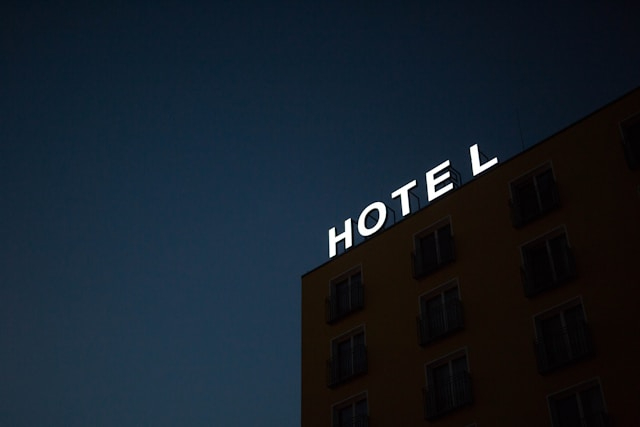
Small-boat arrivals dropped 23% over the same period, to 33,000. Asylum hotel use fell 50%, leaving 16,021 people in 160 hotels across the UK by June.

The number awaiting an initial decision also fell. Some 40,168 people were in that position, the lowest level since March 2019.
Asylum spending dropped 8% in 2025/26, to £4.36 billion.
Home Secretary Shabana Mahmood presented the figures as evidence of progress by the government.
“A little over two years into office and the asylum backlog is down, the number of asylum seekers in hotels is falling,”
Mahmood added that ministers were “not complacent.”
Faster decisions have reduced hotel demand, while accommodation pressure moves elsewhere
The Home Office attributed the reduction in hotel numbers partly to faster asylum decisions. It also moved people into private rented housing and other forms of contingency accommodation.
The wider accommodation system remains under strain. More than 69,000 people were in temporary Home Office accommodation overall, indicating that the reduction in hotels coincided with a shift into other housing.
Around half of asylum claims came from people already legally in the UK rather than from people who crossed by small boat.
Officials credit enforcement for the fall in crossings
Home Office officials linked the reduction in Channel crossings to more trafficking arrests and more interceptions by French police. The government also cited actions taken since the election.
It said authorities had prevented over 48,000 crossing attempts and seized 1,100 boats and engines since then.
Those measures accompanied the lower arrival total. The figures cover the 12 months ending in June 2026.
The hotel population has fallen sharply from its 2023 peak
The June hotel population stood 71% below the September 2023 peak of 56,018 people. The latest total was spread across 160 hotels.
Nuni Jorgensen of the University of Oxford’s Migration Observatory said hotels had largely closed because officials were making asylum decisions faster. Jorgensen also warned that an appeals backlog had developed in the courts.
That leaves the system facing a different pressure point. Decisions may clear the initial queue more quickly while unresolved appeals continue through the courts.
Hotels remain a flashpoint in some communities, where asylum seekers have faced protests and far-right agitation.
The government still faces a 2029 deadline to close asylum hotels
Ministers have pledged to end the use of asylum hotels by the end of this parliament, due in 2029. The reduction since the 2023 peak moves the policy closer to that target, but temporary accommodation remains in use across the country.
The next phase will involve sustaining faster decisions, handling court appeals and moving people through the remaining contingency housing before that deadline.