Key Takeaways
• Since January 2025, Trump admin deported about 140,000 people under largest US deportation campaign.
• ICE raids expanded to schools, hospitals, and places of worship, reversing previous protections.
• The Senate passed the $170 billion ‘One Big Beautiful Bill Act’ to boost immigration enforcement.
The Trump Administration’s Mass Deportations: Policy, Reactions, and Impacts in 2025
The United States ?? is witnessing a dramatic shift in immigration policy under President Trump’s second administration, with a sweeping campaign of deportations and new enforcement tactics. Since January 2025, the government has described its actions as the “largest deportation operation in American history.” This campaign has sparked strong reactions from religious leaders, legal experts, and immigrant communities, especially after the Senate passed a major enforcement bill and as Immigration and Customs Enforcement (ICE) expands its reach into sensitive areas. Here’s a detailed look at what’s happening, who is affected, and what it means for the future.
Free toolUSCIS Receipt Number Decoder
Who, What, When, Where, Why, and How
- Who: President Trump’s administration, ICE agents, undocumented immigrants, Catholic Church leaders, legal advocates, and the U.S. Congress.
- What: A major increase in deportations, expanded ICE raids, and new laws to boost immigration enforcement.
- When: The campaign began in January 2025 and continues as of July 3, 2025.
- Where: Across the United States ??, with a focus on states like California that have large immigrant populations.
- Why: The administration says the goal is to secure the border, enforce the law, and protect national security.
- How: Through expanded ICE authority, new laws, and changes to how deportations are carried out.
Let’s break down the key developments, reactions, and effects of these policies.
Major Policy Changes and Enforcement Actions
Mass Deportation Campaign
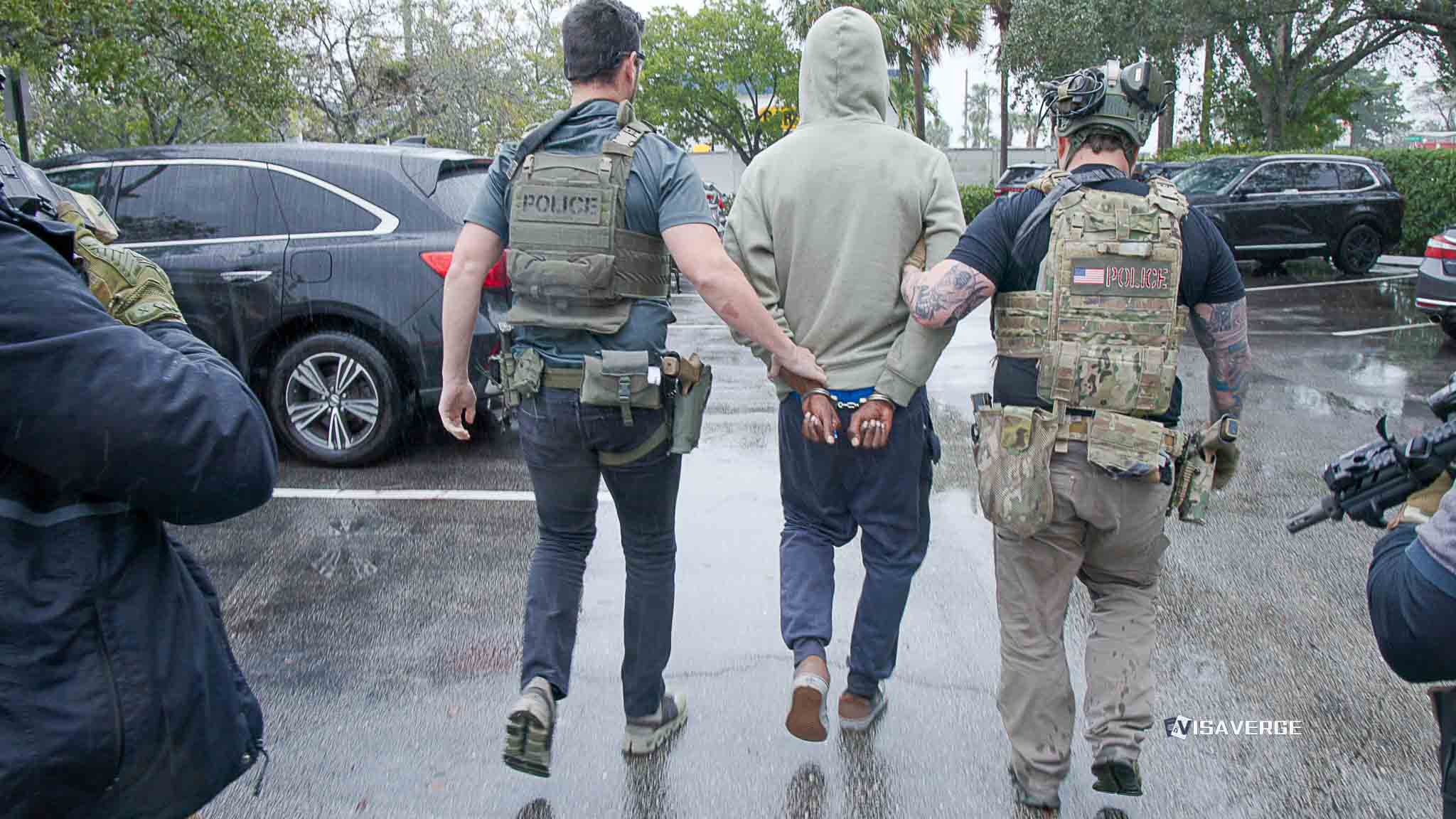
Since the start of 2025, the Trump administration has focused on removing undocumented immigrants from the United States ??. While the campaign began by targeting people with criminal records, it quickly grew to include a much wider group. Now, many undocumented immigrants, even those without criminal histories, face the risk of deportation.
ICE Raids and Expanded Authority
ICE agents now have more power than before. They can enter places that were once considered off-limits, such as:
- Schools
- Hospitals
- Places of worship
This change has reversed earlier rules that protected these locations. As a result, many immigrants are afraid to visit schools, seek medical care, or attend religious services.
Legislative Developments: The “One Big Beautiful Bill Act”
On July 1, 2025, the Senate passed the “One Big Beautiful Bill Act” (OBBB), a $170 billion package to increase funding for immigration enforcement and deportations. Vice President JD Vance cast the tie-breaking vote. The bill is now waiting for final approval in the House of Representatives. If it passes, it will give ICE and other agencies even more resources to carry out deportations.
Expedited Removal and Due Process
The administration has expanded a process called “expedited removal.” This means that many people can be deported quickly, without a hearing in front of a judge. Legal experts warn that this can lead to mistakes and wrongful deportations, since people may not get a chance to explain their situation or show evidence.
Legal Challenges
Some of President Trump’s executive orders, such as one trying to end birthright citizenship for children of undocumented parents, have been blocked by federal judges. These legal battles are ongoing and could shape how far the administration can go with its policies.
By the Numbers: Deportations and the Affected Population
- Deportation Numbers: The Trump administration says it has deported about 140,000 people as of April 2025. However, independent estimates suggest the real number may be closer to 70,000.
- Undocumented Immigrants: There are still about 11 million undocumented immigrants in the United States ??, with California having the largest share.
- Detention and Camps: The administration has considered using military and National Guard troops for immigration enforcement and reopening Guantanamo Bay for immigrant detention. These plans have faced legal and practical problems.
Catholic Leaders Speak Out
The Trump administration’s approach has drawn strong criticism from Catholic leaders in the United States ?? and around the world.
Archbishop José Gómez (Los Angeles): He has spoken out against the administration’s actions, saying that enforcement should not create fear among ordinary, hardworking immigrants and their families. He calls for immigration reform that respects human dignity.
Cardinal Blase Cupich (Chicago): He described the mass deportations as “profoundly disturbing” and said the Church will continue to defend the rights and dignity of all people.
Pope Francis: In a letter sent in February 2025, Pope Francis called the mass deportation programs “morally repugnant.” He urged Catholics to reject anti-immigrant feelings and reminded them of the Holy Family’s escape to Egypt as an example of empathy for migrants.
Vice President JD Vance: As a Catholic, Vance has tried to use religious arguments to support strict immigration enforcement. However, his views have been directly challenged by Pope Francis and U.S. bishops.
Other Stakeholders and Their Concerns
American Civil Liberties Union (ACLU): The ACLU warns that mass deportations could require steps that are not allowed by the Constitution, such as using the military for immigration enforcement or giving police new powers.
New York City Bar Association: This group has tracked the administration’s changes to immigration policy and raised concerns about due process—the right to a fair legal process.
Immediate Effects on Immigrant Communities
Fear and Anxiety
The removal of protections for sensitive locations and the increase in ICE raids have created widespread fear. Many immigrants are now afraid to:
- Go to the doctor or hospital
- Send their children to school
- Attend church or other religious services
This fear can keep people from getting the help they need and can hurt entire communities.
Economic Impact
Industries that depend on immigrant workers, such as:
- Agriculture
- Construction
- Hospitality
are reporting labor shortages and disruptions. Employers say it is harder to find workers, and some businesses are struggling to keep up with demand.
Legal and Humanitarian Concerns
The expansion of expedited removal and the targeting of relief programs like Temporary Protected Status (TPS), Deferred Action for Childhood Arrivals (DACA), and visas for victims of crime (T and U visas) have left many people vulnerable to deportation. This includes people who have lived in the United States ?? for years, have families here, or have been victims of crime or disasters.
How Mass Deportations Are Carried Out
The process of deporting large numbers of people involves several steps:
- Identification and Targeting: ICE agents, sometimes with help from local police or the National Guard, identify undocumented immigrants through workplace raids, neighborhood sweeps, and by sharing data.
- Arrest and Detention: People are arrested and held in federal facilities. In some cases, the administration has proposed using places like Guantanamo Bay as detention centers.
- Removal Proceedings: Many are placed in expedited removal, meaning they do not get a hearing in front of an immigration judge.
- Deportation: People are sent out of the country, often with little chance to fight their removal.
- Legal Challenges: Some individuals and advocacy groups go to court to challenge deportations, which can lead to temporary stops or changes in policy.
For more information on ICE’s enforcement policies and procedures, readers can visit the official ICE website.
Broader Implications and Perspectives
Catholic Perspective: Human Dignity and Compassion
Catholic leaders argue that immigration policy should respect the dignity of every person, especially the most vulnerable. They say that enforcement should be fair and humane, and that mass deportations and treating migrants as criminals go against these values. The Church supports comprehensive reform and the protection of families.
Administration and Political Perspective: Security and Law
The Trump administration and its supporters say that strict enforcement is needed to secure the border, protect national security, and uphold the law. They argue that reducing illegal immigration will save money and prevent the overuse of social services.
Legal and Civil Rights Perspective: Due Process and Human Rights
Legal experts warn that expanding expedited removal and using the military for immigration enforcement could violate constitutional rights. Advocacy groups highlight the harm caused by family separation and the deportation of non-violent individuals.
Background and Historical Context
President Trump’s first term also saw tough immigration enforcement, but the current efforts are even larger and faster. In early 2025, most Americans supported increased deportations, but by April, more than half thought the government had gone too far. The Catholic Church and other faith groups have a long history of supporting immigrant rights and humane treatment.
What’s Next? Future Outlook
Legislative Process
The “One Big Beautiful Bill Act” is waiting for a vote in the House of Representatives. If it passes, it will give even more money and power to immigration enforcement agencies.
Legal Challenges
Many of President Trump’s executive orders and enforcement actions are being challenged in court. The results of these cases could change how immigration laws are enforced in the future.
Social and Religious Advocacy
Catholic leaders and other faith groups are expected to keep speaking out for humane treatment and comprehensive reform. Their voices may influence public opinion and future policy decisions.
Key Policy Changes and Effects (2025)
Here’s a summary of the main changes and their effects:
- Mass deportation campaign: Ongoing since January 2025, causing fear, labor shortages, and legal challenges.
- ICE raids in sensitive areas: Ongoing since January 2025, leading to reduced access to services and more community fear.
- Expedited removal expansion: Ongoing since January 2025, resulting in less due process and more wrongful deportations.
- OBBB Act (Senate passage): Passed July 1, 2025, pending House approval, would provide $170 billion for enforcement.
- Birthright citizenship order: Blocked by courts in 2025, creating legal uncertainty and ongoing litigation.
Practical Guidance for Immigrants and Advocates
- Know Your Rights: Even under expedited removal, some rights remain. Immigrants should seek legal help and know what to do if approached by ICE.
- Stay Informed: Policy changes are happening quickly. Trusted sources like ICE.gov and advocacy groups provide updates.
- Community Support: Many churches, legal aid groups, and community organizations offer help and resources.
- Legal Assistance: If facing deportation, it’s important to contact a qualified immigration attorney as soon as possible.
Conclusion
As of July 3, 2025, President Trump’s immigration policies are marked by aggressive enforcement, mass deportations, and deep controversy. Catholic leaders, including Pope Francis and U.S. bishops, have condemned these actions as “morally repugnant” and against the values of human dignity and compassion. The administration’s actions have immediate and long-term effects on immigrant communities, the economy, and the legal system. Ongoing legal and legislative battles will shape the future of U.S. immigration policy.
Analysis from VisaVerge.com suggests that the coming months will be critical, as new laws, court decisions, and community responses continue to shape the landscape. Immigrants, advocates, and policymakers alike will need to stay informed and engaged as these changes unfold.
Learn Today
ICE → Immigration and Customs Enforcement agency responsible for enforcing immigration laws and deportations in the US.
Expedited Removal → A fast deportation process allowing removal without a hearing before an immigration judge.
One Big Beautiful Bill Act → A $170 billion Senate bill to increase funds for immigration enforcement and deportations.
Due Process → Legal right ensuring fair treatment through the judicial system before deportation or punishment.
Birthright Citizenship → Constitutional right granting citizenship to anyone born in the US, under legal challenge.
This Article in a Nutshell
In 2025, mass deportations under Trump’s administration reshape U.S. immigration, sparking legal battles and religious opposition. ICE’s expanded raids threaten immigrant access to essential services, while a $170 billion bill escalates enforcement, fueling fear and economic consequences in immigrant communities across the nation.
— By VisaVerge.com