Key Takeaways
- Mahmoud Khalil, a U.S. permanent resident, was arrested by ICE on March 8, 2025, for alleged threats to U.S. foreign policy.
- His detention invoked the 1952 Immigration and Nationality Act, citing activism against national interests; human rights groups call it politically motivated.
- Democratic lawmakers demand clarification, accusing the government of abusing immigration laws to suppress dissent, threatening free speech and civil liberties.
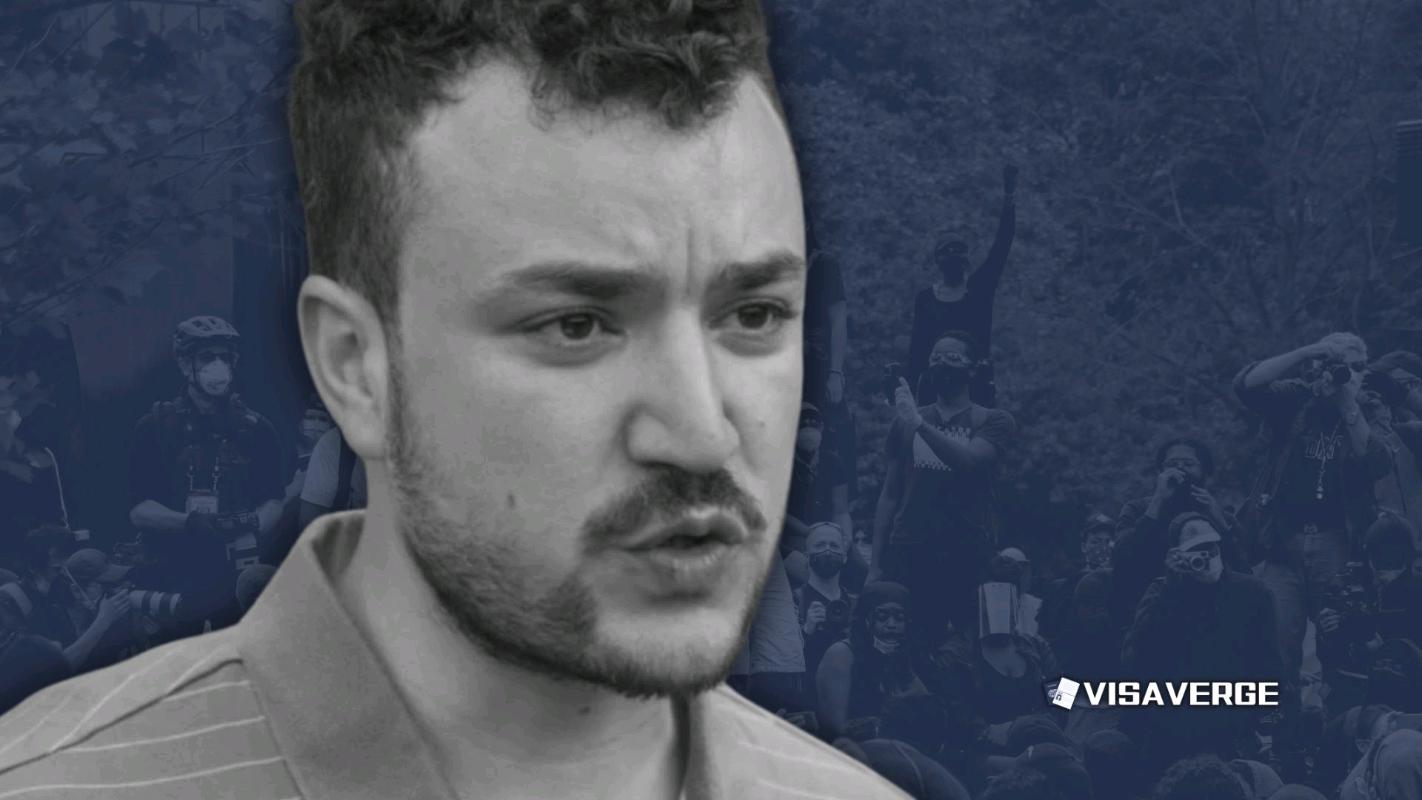
The recent arrest of Mahmoud Khalil, a Palestinian graduate student and lawful permanent resident of the United States, has sparked heated debates about the use and potential misuse of immigration laws in the U.S. Khalil, who was studying at Columbia University, was detained by U.S. Immigration and Customs Enforcement (ICE) agents on March 8, 2025. The government claims his involvement in pro-Palestinian protests poses a risk to U.S. foreign policy, citing an obscure provision in the 1952 Immigration and Nationality Act to justify the action. However, Democratic senators and human rights groups see this as more than an isolated incident—they allege it’s an abuse of power and a threat to free speech.
This case shines a spotlight on broader concerns about the balance between upholding national security and ensuring constitutional freedoms. Critics argue that Khalil’s arrest reflects a troubling trend toward using immigration laws as tools to punish dissent, particularly under the Trump administration’s legacy of harsh immigration enforcement. It’s a controversy that reaches far beyond one individual, raising important questions about government authority, civil liberties, and the limits of democracy.

Mahmoud Khalil’s Arrest: A Breakdown
Mahmoud Khalil’s detention arose under a controversial section of the 1952 Immigration and Nationality Act, which allows the Secretary of State to deport individuals if their presence is deemed damaging to U.S. foreign policy. In this case, Secretary of State Marco Rubio invoked the law, arguing that Khalil’s activism in favor of Palestinian rights went against national interests. Khalil’s attorneys, however, describe his actions as a classic exercise of his First Amendment rights, pointing out that he has no connection to extremist organizations.
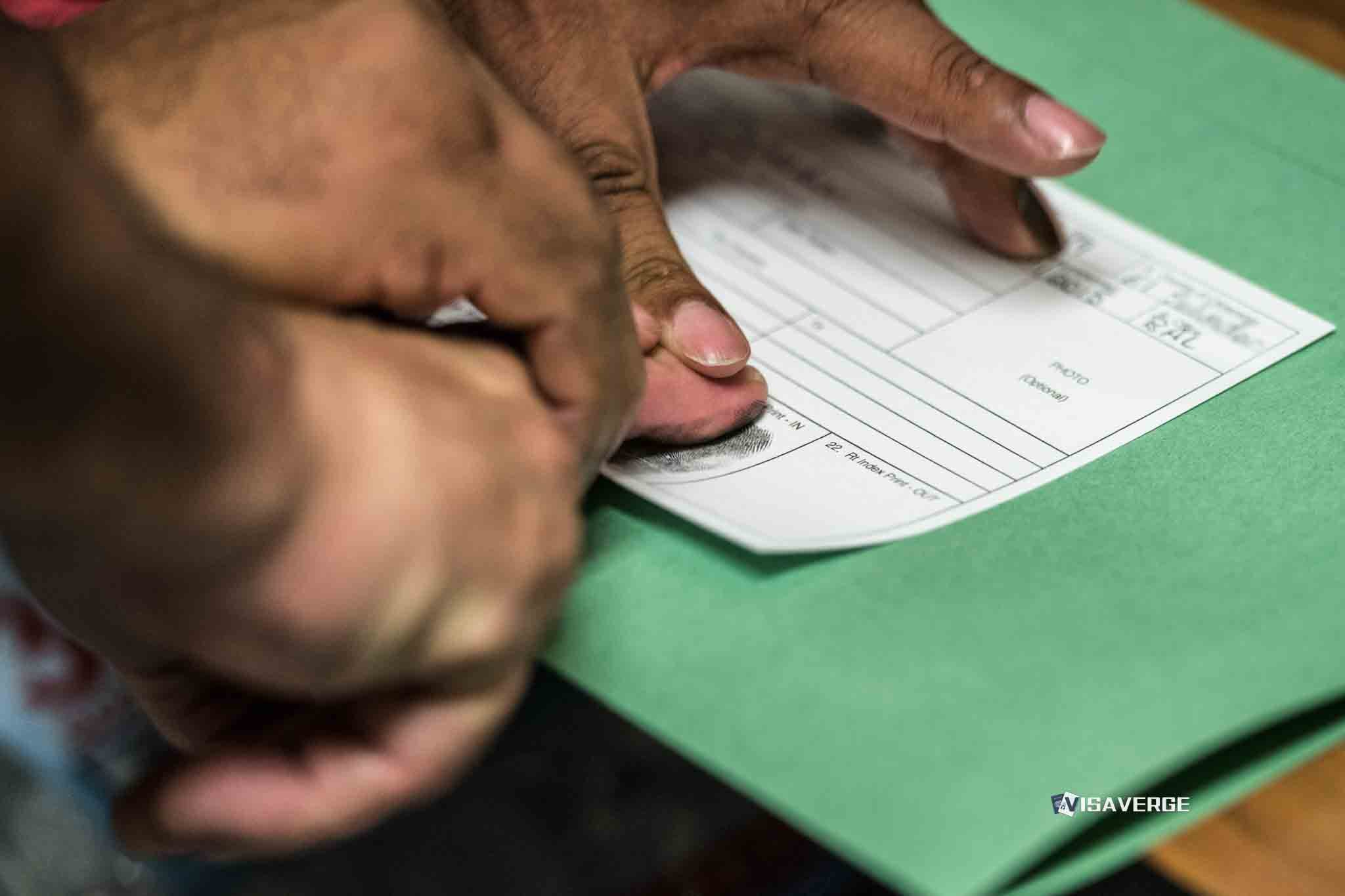
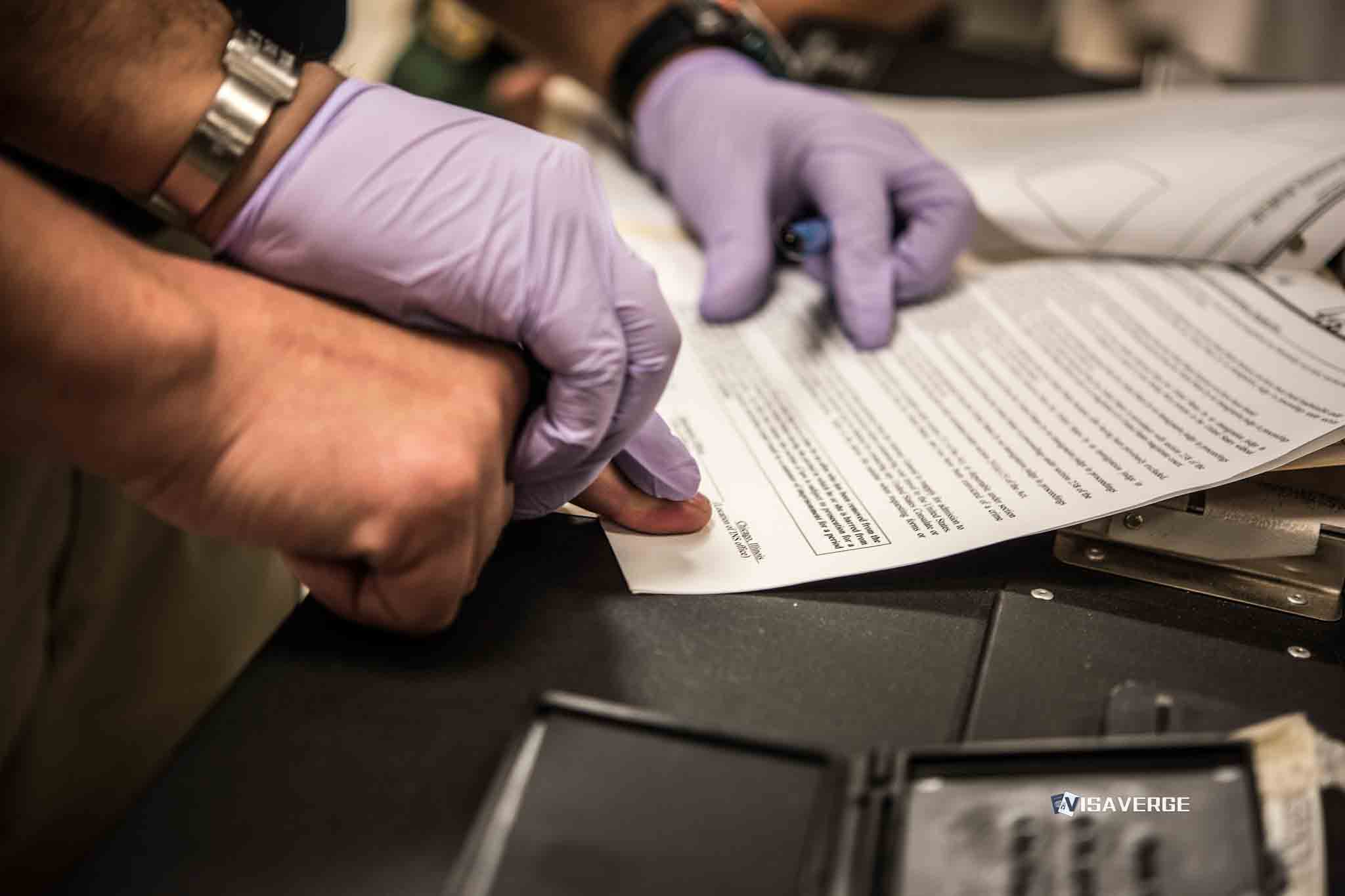
Free toolUSCIS Receipt Number DecoderThe process of Khalil’s arrest and subsequent detention was anything but transparent. ICE agents arrived at his university-owned apartment in New York City, arrested him, and quickly transferred him to an immigration detention center in Louisiana. Facing deportation, Khalil has referred to his detention as politically motivated. A federal judge in New Jersey has since issued a temporary order halting the process, but his case has already caused significant political and personal fallout.
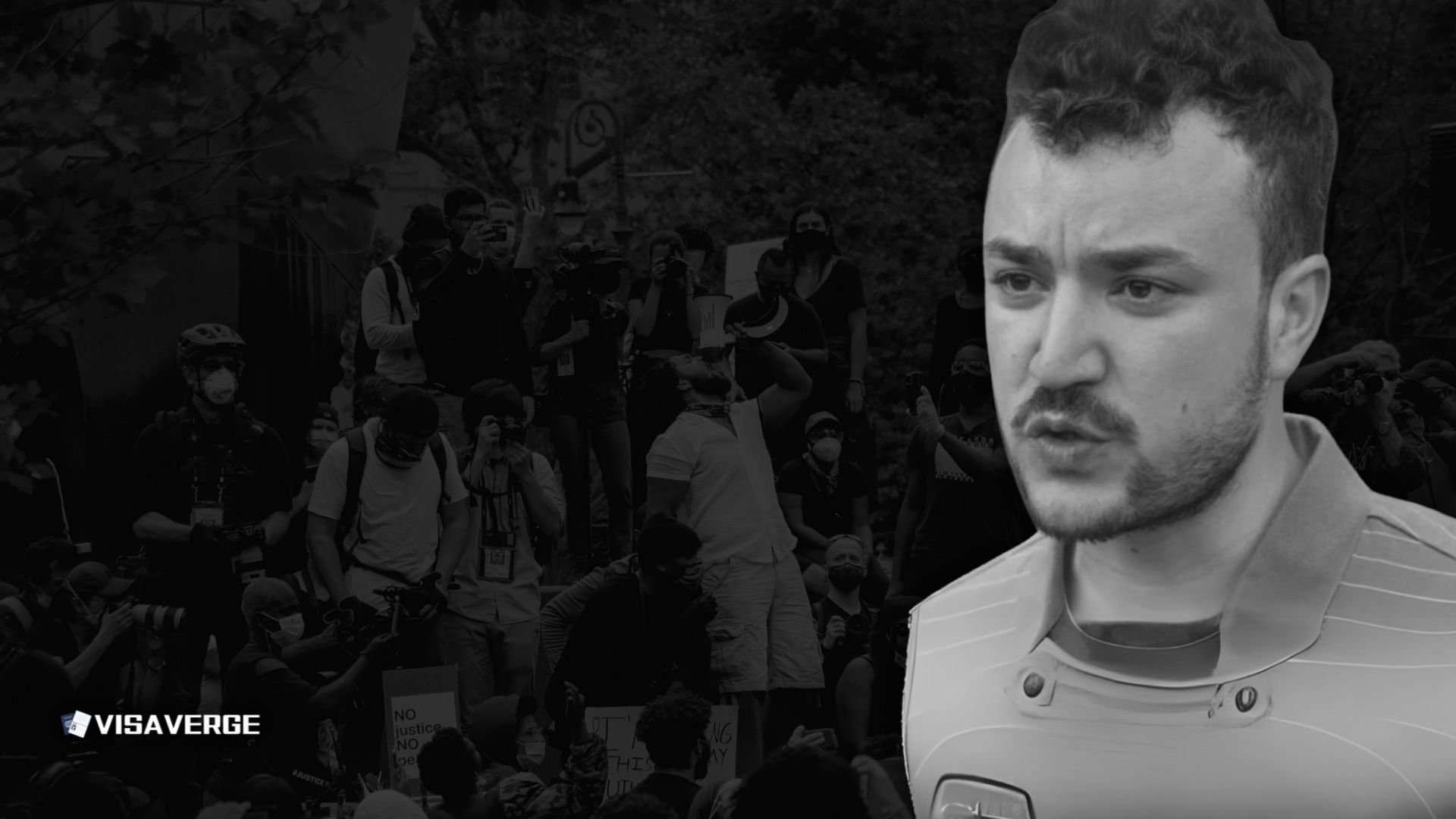
Khalil’s supporters argue that his arrest sets a dangerous precedent that could discourage individuals, particularly immigrants and legal residents, from engaging in activism that challenges government policies. Public protests erupted in New York City following the arrest, with demonstrators criticizing the government for what they see as a violation of free speech. Numerous human rights organizations have also denounced the action, warning that using immigration laws to target activists undermines fundamental American freedoms.
Democratic Senators Push Back
Democratic lawmakers have taken a strong stance against Khalil’s arrest, accusing government officials of using immigration laws to silence political dissent. On March 21, 2025, eight Democratic senators, including Dick Durbin, Tim Kaine, and Chris Van Hollen, sent a letter to Secretary Rubio and Homeland Security Secretary Kristi Noem. They demanded clarity on the legal basis for Khalil’s detention and accused the administration of overstepping its authority. The letter stated that such actions pose a direct threat to free speech, arguing that targeting activists like Khalil undercuts the core principles of democracy.
The criticism is not confined to the Senate. Over 100 House Democrats, led by Representatives Pramila Jayapal, Jamie Raskin, and Mary Gay Scanlon, signed their own letter on March 14, 2025, calling Khalil’s detention a violation of due process. They questioned whether his green card revocation and arrest were part of a broader pattern of suppressing political opposition under the guise of national security.
These lawmakers pointed out that such actions undermine public trust in the immigration system. Their argument emphasizes that while the government must enforce its laws and protect national security, these actions must not come at the expense of constitutional rights. According to analysis from VisaVerge.com, sustaining this trust is critical for maintaining a fair and effective immigration system.
The Historical Context
To understand the significance of Khalil’s case, it’s essential to look at the Trump administration’s broader approach to immigration enforcement. During this time, the administration significantly expanded its use of legal provisions that hadn’t been widely applied in recent years. For example, it relied on the Alien Enemies Act, an 18th-century statute, to deport individuals without standard judicial review processes. Critics allege this tactic, like that used to arrest Khalil, allowed executive officials to circumvent constitutional protections in the name of national security.
The Trump administration’s policies emphasized strict enforcement even for individuals who had long resided in the U.S. lawfully. This shift marked a dramatic departure from previous administrations, which had often focused their efforts on immigrants with criminal records or recent border crossers. Instead, actions like travel bans targeting majority-Muslim countries and the strict application of immigration laws were cornerstones of this approach. Mahmoud Khalil’s arrest serves as a reflection of these policies, particularly the use of rare legal mechanisms to justify controversial enforcement actions.
Balancing Power and Freedom
Cases like Khalil’s highlight a key tension in American democracy: how to balance executive power with individual rights. Democratic senators and activists argue that this case is part of a broader trend of consolidating power under the executive branch, often at the expense of judicial oversight.
Threats to Free Speech and Assembly
Khalil’s case raises fundamental questions about where the line is drawn between lawful activism and actions deemed threatening to foreign policy. Critics say that labeling protests as a “threat” to the country risks chilling political participation, particularly for immigrant communities. Many fear that pro-Palestinian activists or others speaking out on controversial topics could now face similar risks, even if their actions are peaceful.
The Role of the Judiciary
The courts have often served as a check on executive power, especially in cases involving immigration. For instance, federal judges frequently blocked aspects of the Trump administration’s travel bans, ruling that they went beyond the authority granted to the executive by Congress. Khalil’s ongoing legal battle will likely test whether the judiciary can continue to restrain the federal government when it uses immigration laws in such a manner.
Public Perception and Global Implications
The impact of cases like Khalil’s isn’t limited to legal debates. Actions that appear to misuse immigration laws also risk damaging the U.S.’s reputation globally. Critics argue that cases targeting specific groups—like Palestinian activists—make the U.S. seem hypocritical in its commitment to free speech and democracy. Domestically, public trust in fair and impartial enforcement of immigration laws erodes when actions appear politically motivated.
What Comes Next?
As the uproar over Khalil’s case continues, Democratic senators and human rights groups call for more oversight and transparency in how immigration laws are applied. Lawmakers are pushing for reforms to ensure the 1952 Immigration and Nationality Act and similar statutes cannot be misused to target political opponents or suppress free expression. Proposed changes include requiring stronger judicial oversight whenever national security is cited as a basis for removing someone from the U.S.
There are also growing calls for broader immigration reforms to address systemic issues highlighted by cases like Khalil’s. For example, developing clearer standards on how certain provisions of immigration law can be applied may help prevent perceived abuses of power. But achieving these changes will require a united effort among lawmakers, advocates, and affected communities to reshape immigration policy in a way that aligns with democratic values.
Conclusion
Mahmoud Khalil’s arrest offers a rare, if sobering, look at the interplay between immigration law, executive authority, and civil liberties. While the government defends its actions as necessary for national security, Democratic lawmakers and activists fear that this case symbolizes a troubling misuse of power. The broader implications go beyond Khalil’s fate, touching on the rights of political activists, the limits of executive enforcement, and the trust Americans place in their laws and institutions.
As Khalil’s legal battle unfolds, its outcome may play a major role in shaping the future of immigration enforcement in the U.S. Will the courts reaffirm constraints on executive power to protect free speech and constitutional rights? Or will cases like Khalil’s open the door for broader applications of immigration laws to silence critics? One thing is clear—this debate will resonate long after the case is resolved, leaving lasting implications for both immigration policy and democratic principles in the years ahead. For official updates and information on immigration laws, readers can visit the U.S. Citizenship and Immigration Services (USCIS) official page: USCIS.gov.
Learn Today
Lawful Permanent Resident → An individual legally authorized to live and work in the U.S. permanently, also known as a green card holder.
1952 Immigration and Nationality Act → A foundational U.S. immigration law regulating visas, deportations, and citizenship, occasionally cited for national security purposes.
First Amendment Rights → Constitutional rights guaranteeing freedom of speech, religion, assembly, press, and the right to petition the government.
Immigration and Customs Enforcement (ICE) → A U.S. agency responsible for enforcing immigration laws, including deportations and detentions of non-citizens.
Judicial Oversight → The process by which courts review and limit executive or legislative actions to ensure they comply with the law and Constitution.
This Article in a Nutshell
Mahmoud Khalil’s arrest reignites debates on democracy’s delicate balance. Detained under a 1952 law for pro-Palestinian activism, critics claim it’s free speech under attack. Supporters argue immigration laws are misused to suppress dissent. This case, far-reaching beyond Khalil, questions civil liberties’ fragility when national security narratives dominate. Freedom or fear?
— By VisaVerge.com
Read more:
• ICE Arrests Over 200 People Across Northern Virginia
• Second Student Arrested as Columbia University Faces Federal Oversight
• Why Mahmoud Khalil’s Arrest Has Captured Global Attention
• Lawyers Say Mahmoud Khalil’s Arrest Raises Free Speech Concerns
• Judge Halts Mahmoud Khalil’s Deportation as Trump Promises More Arrests