Key Takeaways:
- The Philippines will host a U.S. visa processing center for Afghan nationals, enhancing U.S.-Philippines humanitarian collaboration.
- The agreement allows Afghan nationals to transit through the Philippines, with U.S. support for their essential needs.
- This initiative strengthens U.S.-Philippines ties, addressing logistical, security, and humanitarian challenges amid regional diplomatic implications.
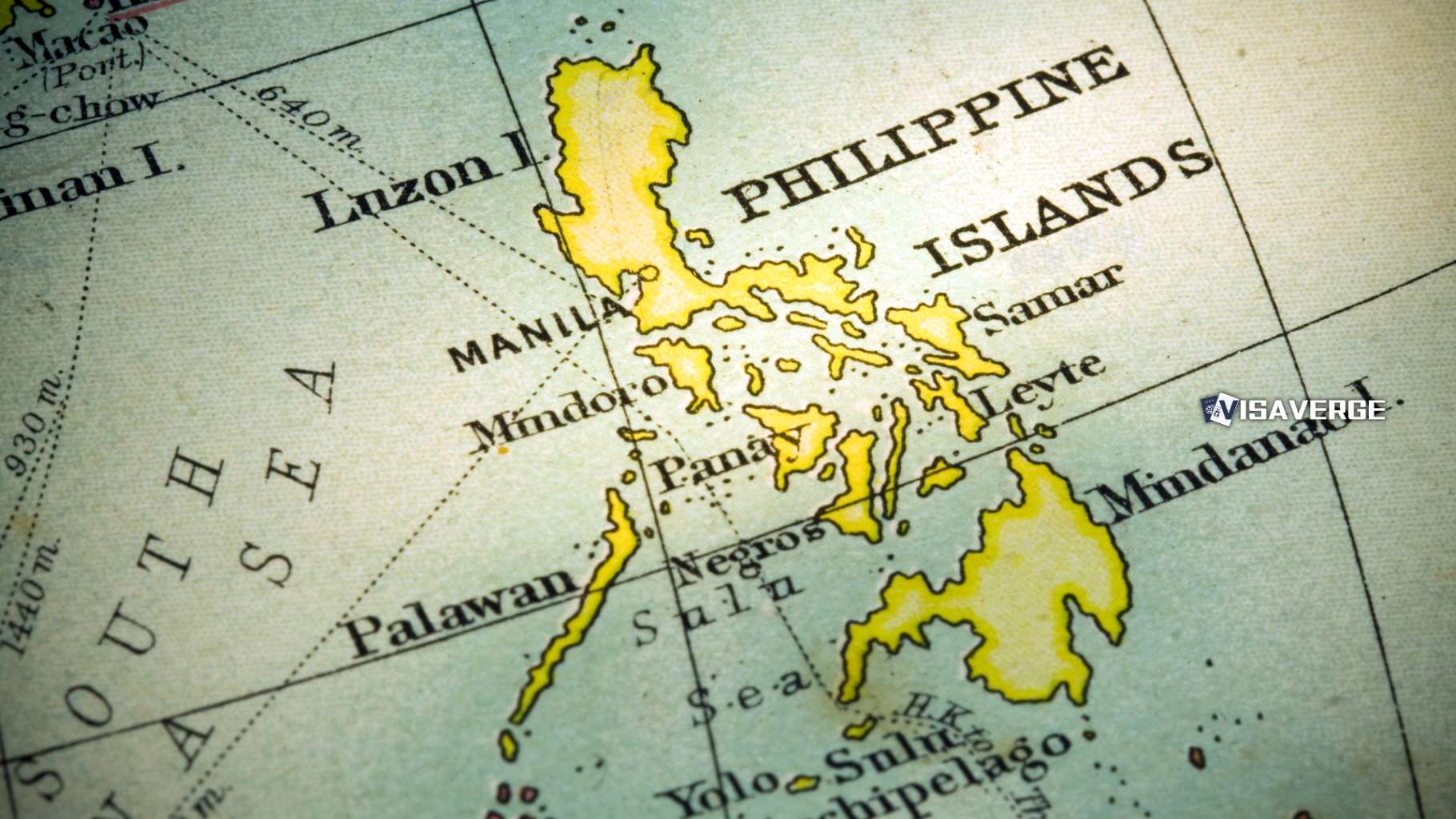
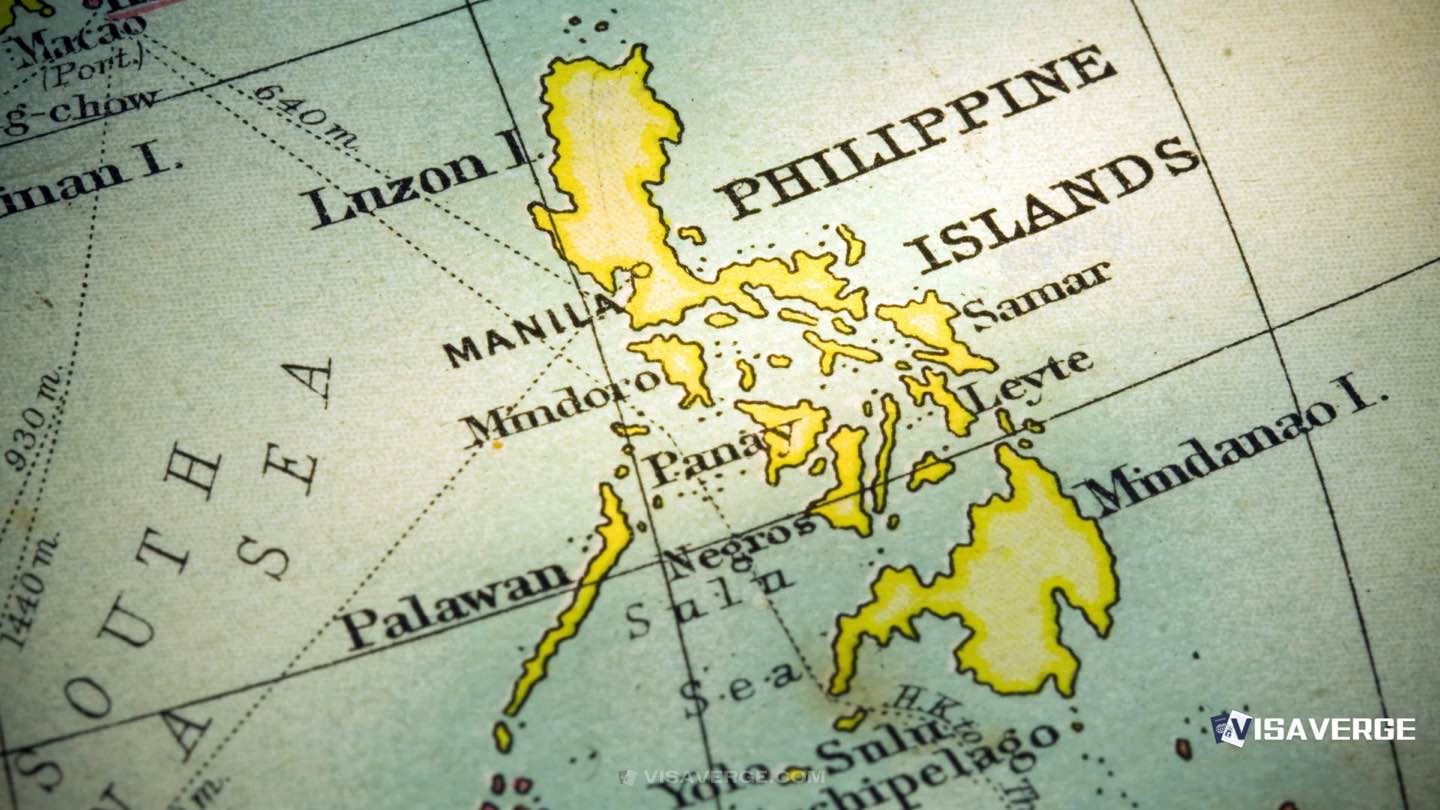
In a noteworthy international collaboration, the Philippines ?? has agreed to host a U.S. immigrant visa processing center specifically for Afghan nationals seeking resettlement in the United States ??. This initiative marks a significant development in U.S.-Philippines relations, illustrating the strong bilateral ties and shared commitment to addressing humanitarian needs, especially after the U.S. military’s withdrawal from Afghanistan ?? in 2021.
Background and Context

The current situation traces back to the chaotic withdrawal of U.S. forces from Afghanistan in 2021, during which many Afghan nationals who supported American missions were left in precarious conditions. To address this, the proposal for the Philippine visa processing center was put forth by U.S. Secretary of State Antony Blinken to his Philippine counterpart in 2022, and further discussed during President Ferdinand Marcos Jr.’s visit to the U.S. in 2023. This cooperation symbolizes the Philippines’ role in supporting U.S. foreign policy objectives while offering refuge to vulnerable Afghan nationals.
Free toolDS-160 Form Filling Online Helper ToolKey Details of the Agreement
The agreement allows a limited number of Afghan nationals to transit through the Philippines while completing their visa applications for special immigrant status in the United States. Although the precise number of allowed transits hasn’t been disclosed, President Marcos indicated that up to 1,000 Afghan nationals could reside in the Philippines at any given time. Support from the U.S. government includes providing essential services such as food, housing, security, medical care, and transportation necessary for visa processing.
However, the agreement is still subject to final domestic procedures in the Philippines for full implementation, underlining the necessity for careful adaptation to national laws and protocols.
Diplomatic Implications
This agreement is a testament to the evolving and strengthening relations between Manila and Washington under President Ferdinand Marcos Jr.’s government. The U.S. has shown gratitude towards the Philippines for backing Afghan allies, emphasizing the historical cooperation between the two nations. The agreement serves as a diplomatic bridge, potentially influencing regional alignment and signaling the Philippines’ willingness to engage deeply in international humanitarian efforts.
Logistical and Security Considerations
Establishing a visa processing center involves overcoming several logistical and security challenges:
- Effectively managing the capacity to process a significant volume of visa applications.
- Implementing robust security measures to protect Afghan nationals during their temporary stay.
- Ensuring the agreement complies with both Philippine and international laws concerning the temporary residence of foreign nationals.
- Considering temporary integration policies to facilitate Afghan nationals’ brief stay in the Philippines, easing any societal impacts.
Humanitarian Aspects
The humanitarian significance of this initiative is profound. It offers a desperately needed safe pathway for Afghan allies of the U.S. and underscores the importance of international collaboration in alleviating the humanitarian crisis in Afghanistan. This initiative not only demonstrates empathy and support but also sets a precedent for innovative solutions in migration management.
Potential Challenges and Concerns
Nonetheless, the plan is not without its concerns and potential obstacles:
- Security remains a primary concern, with some Filipino officials apprehensive about the risks of potential violence against Afghan nationals during their stay.
- There’s a delicate balance to maintain regarding national sovereignty, with some officials worried about U.S. influence over immigration decisions.
- President Marcos has expressed apprehension about the possibility of Afghan nationals experiencing indefinite delays or rejections in visa processing, leading to prolonged stays in the Philippines.
- Regionally, China has raised concerns, interpreting increased U.S. activity in the Philippines as a potential threat to stability, particularly regarding South China Sea and Taiwan issues.
Broader Implications
The establishment of this processing center carries broader implications:
- It innovates visa processes for refugees and special immigrants, possibly setting new standards for international migration practices.
- It reaffirms the U.S.’s moral and strategic commitment to its Afghan allies post-withdrawal.
- The agreement strengthens the Philippines’ position as a strategic and humanitarian ally in Southeast Asia.
- It underscores the potential for global cooperation to tackle the continuing Afghan refugee crisis, emphasizing the role of partnerships in addressing complex global challenges.
Conclusion
In conclusion, the U.S.-Philippines agreement to host a visa processing center for Afghan nationals is a multifaceted initiative with widespread implications. As it navigates logistical and security challenges, it showcases the potential of international collaboration in responding to humanitarian needs. As reported by VisaVerge.com, this agreement might not only aid Afghan nationals but also reshape diplomatic dynamics in the region. As this agreement unfolds, its impacts on Afghan applicants, bilateral relations, and regional balance will become pivotal in shaping international migration policies and humanitarian cooperation strategies.
Learn Today:
- Immigrant Visa
A legal document required for a foreign national to live permanently in another country, in this case, the U.S. - Resettlement
The process of relocating refugees to a safe country where they can rebuild their lives, such as Afghan nationals moving to the U.S. - Bilateral Relations
Political, economic, or cultural connections between two countries, exemplified by the U.S. and Philippines’ cooperation on this visa agreement. - Humanitarian Needs
Essential aid and support required to protect and promote human welfare, particularly during crises like the Afghan refugee situation. - Special Immigrant Status
A classification allowing certain individuals (e.g., Afghans who assisted U.S. missions) to apply for permanent residency based on specific criteria.
This Article In A Nutshell:
In a landmark move, the Philippines will host a U.S. visa processing center for Afghan nationals. This collaboration underscores the strength of U.S.-Philippines ties and highlights global cooperation in addressing humanitarian needs. By offering refuge, the Philippines becomes a pivotal player in resettlement efforts post-U.S. military withdrawal from Afghanistan.
— By VisaVerge.com
Read More:
1. Philippines Considers Visa Waiver Proposal for Guam and CNMI
2. Increase in Indian Students Opting for Medical Education in the Philippines
3. Chinese Tourists Utilize Student Visas to Extend Stay in the Philippines
4. Philippines Tightens Visa Controls for Chinese Nationals Amid Bilateral Disputes
5. Government Meeting Convened Due to Rise in Chinese Students in the Philippines