(NEW YORK) Local officials, immigrant advocates, and would‑be citizens across New York are condemning the Trump administration’s abrupt decision to halt long‑running naturalization ceremonies in county courts, a move that has left hundreds of applicants who already qualified for U.S. citizenship waiting with no clear timeline. The shift, quietly rolled out in November 2025, affects counties including Tompkins, Broome, and Schenectady, and is part of a broader effort by USCIS citizenship page to move ceremonies out of local courts and into federal control.
What USCIS announced and why
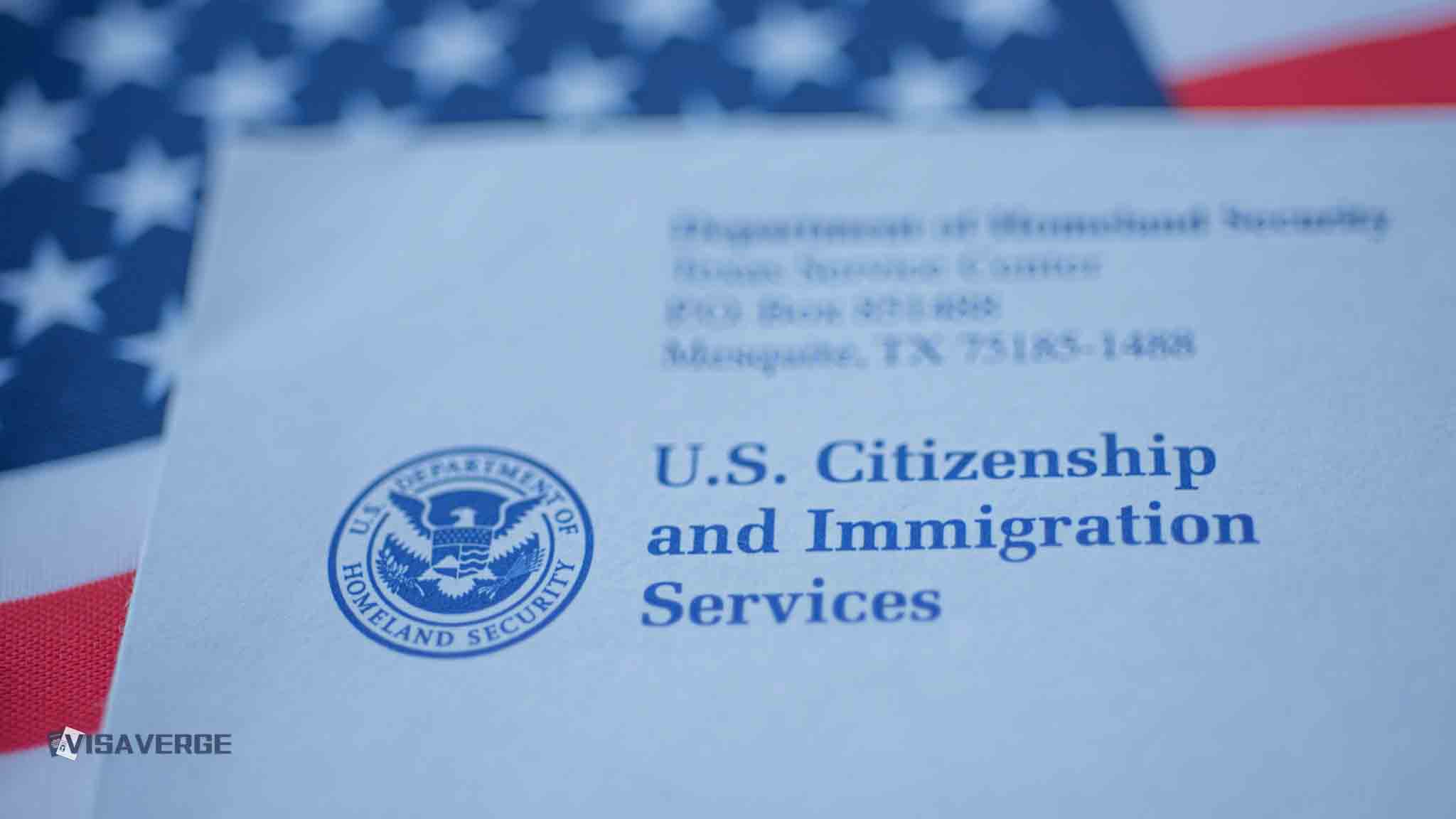
In letters sent to at least seven county clerks, U.S. Citizenship and Immigration Services informed officials that their courts “do not meet the statutory requirements to conduct naturalization ceremonies” under the Immigration and Nationality Act, the federal law that governs immigration and citizenship.
USCIS said it is transitioning from traditional “judicial” ceremonies held in county courthouses to “administrative” events overseen directly by USCIS officers, and canceled all scheduled local ceremonies indefinitely.
The local meaning of court‑based ceremonies
For many communities, court‑based naturalization ceremonies are more than a legal step. They are public celebrations where families, school groups, judges, and local leaders welcome new Americans in personal, often emotional settings.
The cancellations have broken that rhythm. People who have already completed every requirement for naturalization are being told they will have to wait for new dates at federal facilities — often farther from home.
| India | China | ROW | |
|---|---|---|---|
| EB-1 | Feb 01, 2023 | Aug 01, 2023 ▲31d | Current |
| EB-2 | Nov 01, 2013 | Oct 01, 2021 | Apr 01, 2025 ▲90d |
| EB-3 | Jan 22, 2014 ▲21d | Jan 22, 2022 ▲14d | Jun 15, 2024 ▲31d |
| F-1 | Jan 22, 2021 ▲366d | Jan 22, 2021 ▲366d | Jan 22, 2021 ▲366d |
| F-2A | Oct 22, 2026 ▲30d | Oct 22, 2026 ▲30d | Oct 22, 2026 ▲30d |
“This negatively impacts our residents’ ability to complete the naturalization process,” said Rachel Graham, Tompkins County Executive Deputy Clerk, who has helped organize ceremonies for 18 years.
She added that the shift strips away the “personal touch” that county‑run events offered.
In some upstate regions, ceremonies had become a point of local pride, with judges personally greeting each new citizen and communities planning receptions afterward.
Who has already completed the process
Many affected applicants had already taken the final steps toward citizenship:
- Passed the civics and English tests
- Completed required background checks
- Submitted all required documents
- Paid applicable fees
- Received a scheduled ceremony date
Now they must wait for rescheduled administrative events at federal locations.
Immediate burdens and practical impacts
Advocates and local officials warn the policy change imposes new, concrete burdens, especially on people with limited resources:
- Lost wages for hourly workers with little or no paid leave
- Extra transportation costs for traveling to distant federal sites
- Additional childcare expenses or scheduling difficulties
- Increased hardship for older applicants or people with mobility/health issues
Hussein Adams, executive director of the American Civic Association (upstate New York), said callers reported arranging time off work, childcare, and inviting relatives for ceremonies that no longer exist. “People did everything right, and now at the last step they’re stuck in limbo,” he said.
Local and bipartisan political response
Local leaders from both major parties have criticized the move as “unprecedented” and “an affront to local communities.” Officials argue the federal government is dismissing local partnerships that helped make naturalization ceremonies civic milestones rather than mere appointments.
Concerns include:
- Potential longer wait times if USCIS does not increase staff or venue capacity
- Loss of local control and community‑oriented ceremonies
- Reduced accessibility for applicants in rural areas
Nationwide pattern and related actions
This controversy is not limited to New York. Similar USCIS actions around the country have raised alarms:
- In San Jose, California, USCIS ended a contract with a local theater that hosted large monthly ceremonies, citing cost cutting. That forced the agency to find smaller or less convenient spaces.
- Analysis by VisaVerge.com and advocates in several states report a pattern of the federal government stepping back from partnerships that previously enabled large‑scale citizenship events.
Critics frame these moves as part of a broader Trump‑era approach to immigration: tougher enforcement, expanded federal authority over local programs, and reduced local roles.
Legal questions and possible challenges
Legal experts and immigrant rights groups are reviewing whether USCIS properly applied statutory language from the Immigration and Nationality Act to bar certain courts from hosting ceremonies. Key legal and procedural issues include:
- Whether USCIS correctly interprets the statute it cites
- Whether the agency must provide more public notice when making changes affecting many applicants
- Potential court challenges to the policy
Advocates emphasize that the legal requirements for naturalization have not changed: applicants must still meet residency rules, pass background checks, and take the oath of allegiance.
For detailed federal procedures, USCIS’s citizenship page is available at uscis.gov.
USCIS assurances and applicant concerns
USCIS has stated that everyone whose ceremony was canceled will be rescheduled for an administrative event and that no one will lose their chance at citizenship because of the shift.
However:
- Letters to counties did not include detailed timelines or new locations
- Applicants report receiving few concrete details
- Many worry that life changes (job moves, relocations, etc.) in the interim could create new complications with their files
Community responses and interim steps
Communities and local groups are trying to support those left in limbo:
- Some are holding informal “pre‑oath” gatherings to recognize applicants who would already be citizens if not for the cancellations
- Others are urging members of Congress to press USCIS for clarity and to defend local court roles
- Immigrant rights groups are exploring legal options and pressing for public explanations
For many, the debate is about more than venue rules; it’s about whether the path to citizenship remains local, welcoming, and human, or becomes distant and closed off.
Key takeaways
- The policy change was enacted in November 2025 and affects at least several New York counties, including Tompkins, Broome, and Schenectady.
- USCIS is shifting from judicial (court‑based) to administrative (federal‑run) naturalization ceremonies, citing the Immigration and Nationality Act.
- Applicants who completed all requirements face rescheduling, potential hardships, and limited information about new dates/locations.
- Local officials, immigrant advocates, and legal experts are seeking more clarity and may pursue legal challenges.
If you or someone you know is affected, check the USCIS citizenship page at uscis.gov for the latest federal guidance and contact local advocacy groups for assistance.
This Article in a Nutshell
In November 2025 USCIS directed several county courts, including Tompkins, Broome and Schenectady, to stop holding judicial naturalization ceremonies, citing statutory requirements. The agency is shifting events to USCIS‑run administrative ceremonies at federal sites and canceled scheduled local ceremonies. Hundreds of applicants who completed tests, background checks and paid fees now face rescheduling, added travel, lost wages and accessibility challenges. Local officials, advocates and legal experts decry the loss of community celebrations and are seeking clarity and potential legal remedies. USCIS says affected applicants will be rescheduled but has not given detailed timelines.