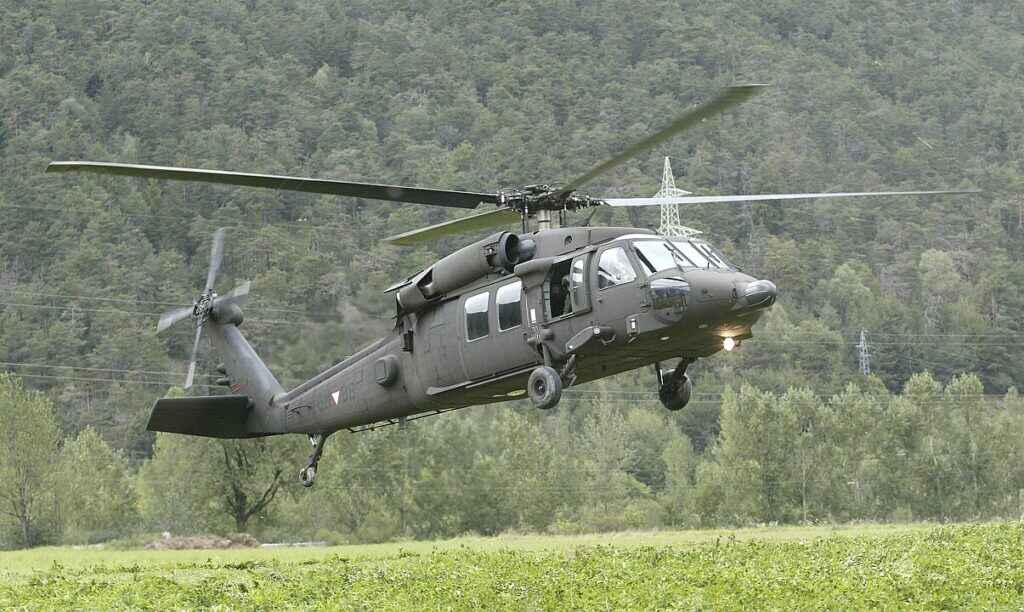
A deadly midair collision near Ronald Reagan Washington National Airport ?? on January 29, 2025, killed all 67 people aboard a U.S. Army Sikorsky UH-60 Black Hawk helicopter and a PSA Airlines Bombardier CRJ700 passenger jet. The National Transportation Safety Board (NTSB) says the helicopter was flying too high, above the 200-foot limit for its route, and this altitude violation played a major role in the crash.
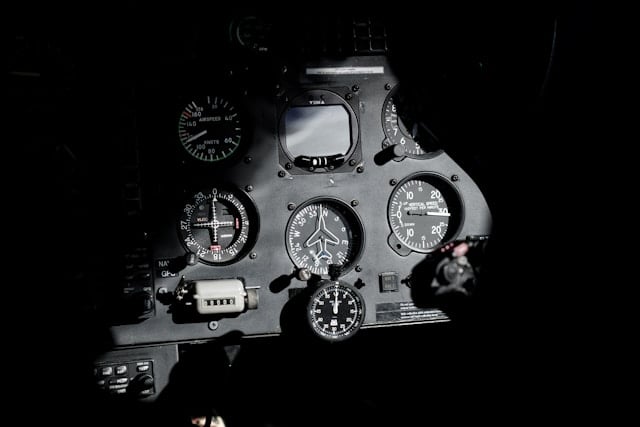
The NTSB’s investigation, including public hearings held in July 2025, revealed the helicopter’s barometric altimeter underreported its altitude by 80 to 100 feet. This meant the helicopter was actually flying higher than the pilot believed. Tests on other helicopters from the same Army unit showed similar problems, raising concerns about outdated equipment. The Black Hawk’s altimeter technology dates back to the 1970s and lacks modern air data computers, which provide more accurate readings.
Communication failures also contributed to the tragedy. In the two minutes before the crash, a single air traffic controller managed several aircraft, including helicopters and airplanes. Because helicopters and airplanes used different radio frequencies, they could not hear each other—only the controller. The NTSB found 29 separate communications in less than two minutes before the collision. The helicopter pilot twice told the controller they saw the airplane and would avoid it, but the lack of direct communication between the two aircraft was a key factor.
Another issue was that the Army’s helicopters, including the one involved, often flew with their ADS-B Out equipment turned off. ADS-B Out is a system that lets other aircraft and air traffic control see a helicopter’s position. Without it, the helicopter was harder to track, making the airspace less safe.
The Federal Aviation Administration (FAA) is under scrutiny for failing to address a history of 85 near-miss incidents around Ronald Reagan Washington National Airport ?? in recent years. The NTSB has issued urgent safety recommendations to the FAA, which may lead to stricter rules for helicopter routes, better equipment, and improved communication procedures.
Victims’ families have called for urgent reforms. “We want to make sure no other family goes through this,” said a family member of one of the pilots. Aviation safety experts say the tragedy shows the need for modernizing military helicopter equipment and better coordination between military and civilian air traffic.
Immediate changes may include:
– Requiring more accurate altimeter systems for older helicopters
– Mandating ADS-B Out be active at all times in controlled airspace
– Improving air traffic control procedures to allow better communication between helicopters and airplanes
The NTSB continues to analyze flight data, cockpit voice recorders, and radar information. A final report is expected within 12–24 months. The FAA is likely to respond with new rules by late 2025 or early 2026.
For official updates and investigation details, visit the NTSB DCA25MA108 Investigation page. As reported by VisaVerge.com, these changes could help prevent future tragedies and improve safety for everyone flying near busy airports like Ronald Reagan Washington National Airport ??.
Learn Today
Sikorsky UH-60 Black Hawk → A military helicopter used by the U.S. Army, involved in the midair collision near Washington.
Barometric Altimeter → An instrument that measures aircraft altitude by detecting air pressure, crucial for safe flight levels.
ADS-B Out → A system transmitting aircraft position to other planes and controllers, enhancing situational awareness and safety.
National Transportation Safety Board (NTSB) → Independent U.S. agency investigating transportation accidents and issuing safety recommendations.
Federal Aviation Administration (FAA) → U.S. government agency responsible for regulating and overseeing civil aviation safety.
This Article in a Nutshell
A deadly collision on January 29, 2025, exposed outdated helicopter technology and communication failures near Ronald Reagan Airport. The NTSB demands FAA reforms to improve equipment accuracy and air traffic control safety, aiming to prevent future tragedies involving military helicopters and commercial planes.
— By VisaVerge.com