Key Takeaways:
- Northeast Indian students oppose Bangladeshi asylum seekers, fearing impacts on demographic balance, cultural identity, and resource allocation.
- The Citizenship Amendment Act intensifies immigration debates in the Northeast, raising concerns over cultural and linguistic preservation.
- Economic implications and diplomatic relations with Bangladesh complicate immigration policies, necessitating careful government action and stakeholder dialogue.
Why Are Northeast Students Concerned About Bangladeshi Asylum Seekers?
The students from Northeast India are demanding that the Indian government, especially Amit Shah, the Home Minister, do not provide asylum to Bangladeshi migrants in the region. This plea comes from deep-seated concerns about the region’s demographic balance, cultural identity, and resource allocation.

What Makes the Northeast Region Unique?
Northeast India is made up of eight states, each with a distinctive cultural and geographical identity. This part of India has historically been different from the rest of the country, creating a unique socio-political landscape. The proximity to Bangladesh ?? has led to significant migration, particularly after the partition of India in 1947 and the formation of Bangladesh in 1971.
What Historical Events Triggered Bangladeshi Migration?
The migration of Bangladeshis to Northeast India has its roots in two major historical events. First, the 1947 partition of India led to chaotic movements across new borders, and second, the creation of Bangladesh in 1971 resulted in fresh migrations due to political upheaval. The 4,096-kilometer-long, porous India-Bangladesh border has facilitated significant legal and illegal migration over the decades.
How Does the Citizenship Amendment Act (CAA) Affect the Northeast?
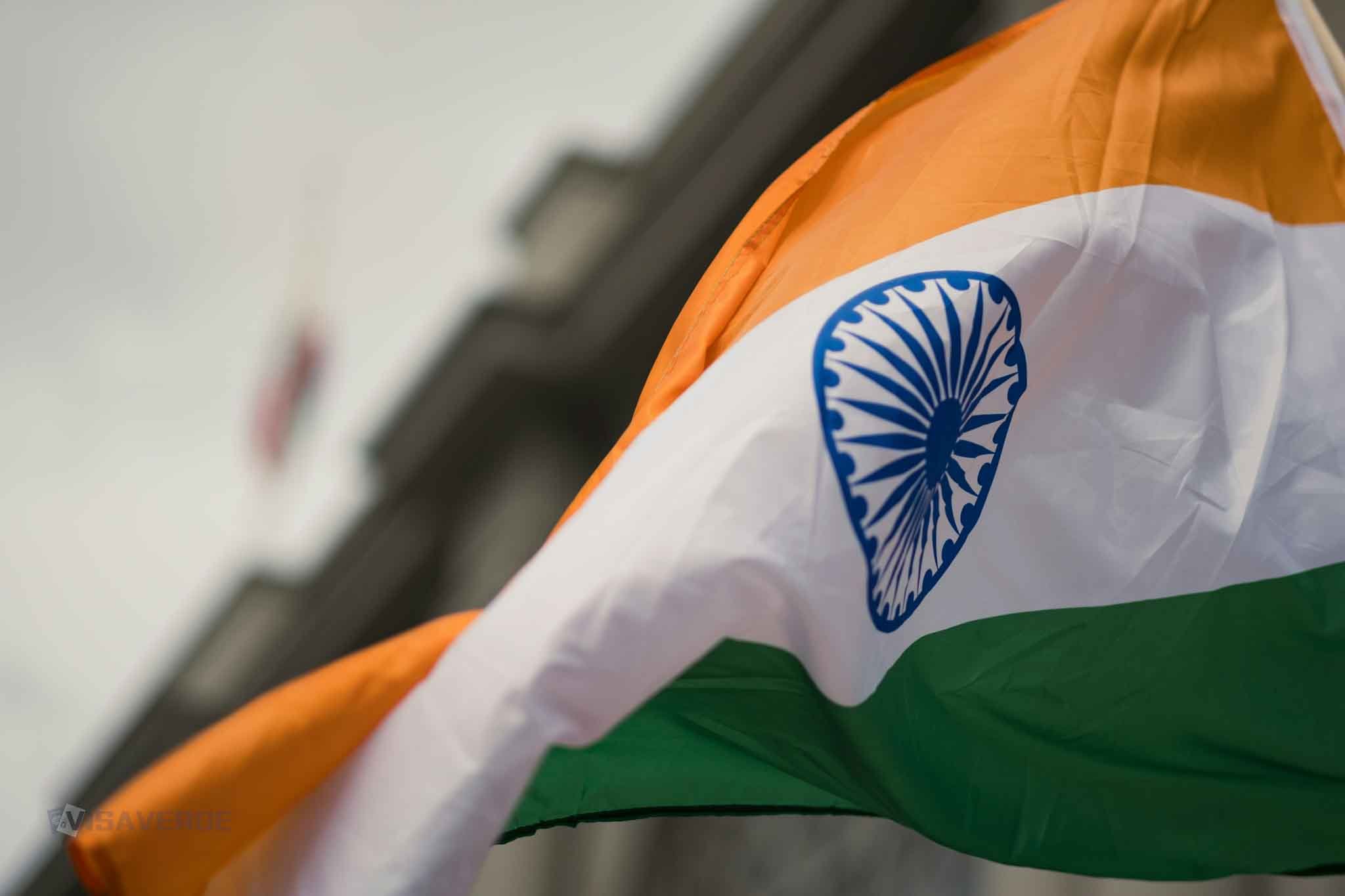
The Citizenship Amendment Act, enacted in 2019, has sparked renewed debates in Northeast India about immigration and citizenship. This act provides citizenship to persecuted minorities from Bangladesh, Pakistan ??, and Afghanistan ??, who arrived in India before December 31, 2014. However, many residents of the Northeast fear this could lead to more migration, potentially threatening their cultural and linguistic uniqueness.
Why Are Student Organizations Against Bangladeshi Asylum?
Student groups like the All Assam Students’ Union (AASU) and North East Students’ Organisation (NESO) have consistently battled against illegal immigration to protect indigenous rights. Their influence is significant; they often conduct protests and demonstrations, voicing their firm stance against accepting Bangladeshi asylum seekers in the already burdened region.
What is Amit Shah’s Role in Immigration Policies?
As India’s Home Minister, Amit Shah’s immigration policies have been a focal point. One controversial initiative was the implementation of the National Register of Citizens (NRC) in Assam, designed to identify illegal immigrants. Some view this as a necessary measure, while others fear it may render many long-term residents stateless.
What Do Demographic Shifts Reveal in the Northeast?
There have been noticeable demographic shifts in the Northeast over recent decades. In Assam ??, Assamese speakers have decreased, while Bengali speakers have grown, stirring concerns about the loss of indigenous languages and cultures. Such shifts strengthen local demands to deny Bangladeshi migrants asylum to preserve regional identity.
What Are the Economic Implications of Immigration?
The discussion around granting asylum to Bangladeshis also hinges on economic considerations. While sectors like agriculture and construction have benefited from migrant labor, locals worry about job competition and added pressure on public services. Allocation of resources, including land, remains a sensitive topic in marginalized Northeast communities.
How Does This Impact India-Bangladesh Relations?
India’s decisions regarding Bangladeshi migrants affect its diplomatic ties with Bangladesh. Given the close economic and security cooperation between the two countries, strict measures against these migrants could create bilateral tensions.
What Can Be Solutions to Address Migration Concerns?
Addressing these complex migration issues requires comprehensive solutions:
- Improve border infrastructure and surveillance to combat illegal entry.
- Use biometric systems to keep track of migrants efficiently.
- Develop skills and generate jobs in the Northeast to offset economic disparities.
- Foster cultural exchange programs to bridge community differences.
- Formulate a region-specific immigration policy that appreciates Northeast’s unique challenges.
Is It Possible to Balance Humanitarian Concerns with Local Interests?
Finding a middle ground between humanitarian efforts and regional protection is complex but necessary. Some suggest improved border management and strict law enforcement rather than outright banning Bangladeshi asylum seekers. Public opinion is divided, with some seeking a humane approach that doesn’t compromise the Northeast’s interests.
What Role Does Government Action Play in Shaping the Future?
The central government’s engagement with student organizations, local communities, and political representatives will be crucial. Continuous dialogue and transparent policymaking will help balance local concerns with broader humanitarian objectives. Enhancing understanding and cooperation among all stakeholders can pave the way for sustainable solutions.
For More Information
For a detailed understanding of Indian immigration laws and policies, visit the Ministry of Home Affairs official website. Here, you can find updates, guidelines, and resources related to the topic.
As we look forward, the complex interplay of identity, security, and regional development continues to shape the discourse on immigration in Northeast India. The future remains uncertain, and ongoing conversations will play a pivotal role in crafting policies that maintain stability and foster prosperity in this diverse and dynamic region. An update by VisaVerge.com captures this ongoing narrative, shedding light on the intricate challenges and potential pathways forward.
Learn Today:
- Citizenship Amendment Act (CAA): A 2019 Indian law that grants citizenship to non-Muslim minorities from Bangladesh, Pakistan, and Afghanistan who entered India before December 31, 2014. It has been a contentious issue, particularly in Northeast India, due to concerns about altering the demographic and cultural balance.
- Demographic Balance: The distribution of population characteristics, such as ethnicity, language, and culture, within a region. In the context of Northeast India, maintaining demographic balance is crucial to preserving indigenous identities amid concerns over increased migration.
- Asylum Seekers: Individuals who seek protection and the right to reside in another country due to persecution or danger in their home nation. The students in Northeast India oppose offering asylum to Bangladeshi asylum seekers, fearing impacts on local resources and culture.
- National Register of Citizens (NRC): A government initiative aimed at verifying citizenship and identifying illegal immigrants in India, notably implemented in Assam. This register is controversial, as it can lead to the exclusion of individuals unable to prove their citizenship status.
- Indigenous Rights: The recognized rights of native or original inhabitants of a region to maintain and protect their cultural heritage, language, and land. Student organizations in Northeast India advocate for these rights as part of their opposition to increased migration.
This Article In A Nutshell:
Northeast Indian students express concerns over granting asylum to Bangladeshi migrants, fearing demographic shifts might threaten their cultural identity and resource allocation. With a rich, unique regional identity, students urge governmental protection to maintain regional balance while tackling the complexities of immigration effectively.
— By VisaVerge.com
Disclaimer: The information provided in this article is for informational purposes only. If you reference or use any content from this article, please attribute it to VisaVerge.com by including a link to the original source. We appreciate your adherence to our content usage policies and your commitment to giving proper credit.
Read more
- Bangladesh at a Crossroads: The Fall of Sheikh Hasina and the Echoes of History
- Bangladesh Unrest: Impact on Indian Travel and Global Affairs
- India Issues Travel Advisory: Avoid Bangladesh Amid New Violence
- 6,700 Indian Students Return from Bangladesh Amid Protests
- Border Chaos: Over 4,000 Students Flee Bangladesh Protests to India