Key Takeaways
- North Korea recalls overseas students for “ideological education,” first recall in five years, to ensure ideological control.
- The directive targets students in China and Russia for indoctrination sessions to reinforce loyalty and prevent defections.
- The recall disrupts education, causes financial and psychological stress, and draws criticism from human rights organizations.
North Korea ?? has issued a directive for all its students studying overseas to return home for “ideological education.” Announced in July 2024, this marks the first such recall in five years and seems to be part of a broader strategy by the North Korean regime to maintain closer control over its younger population, guarding against ideological relaxation.
Background and Context
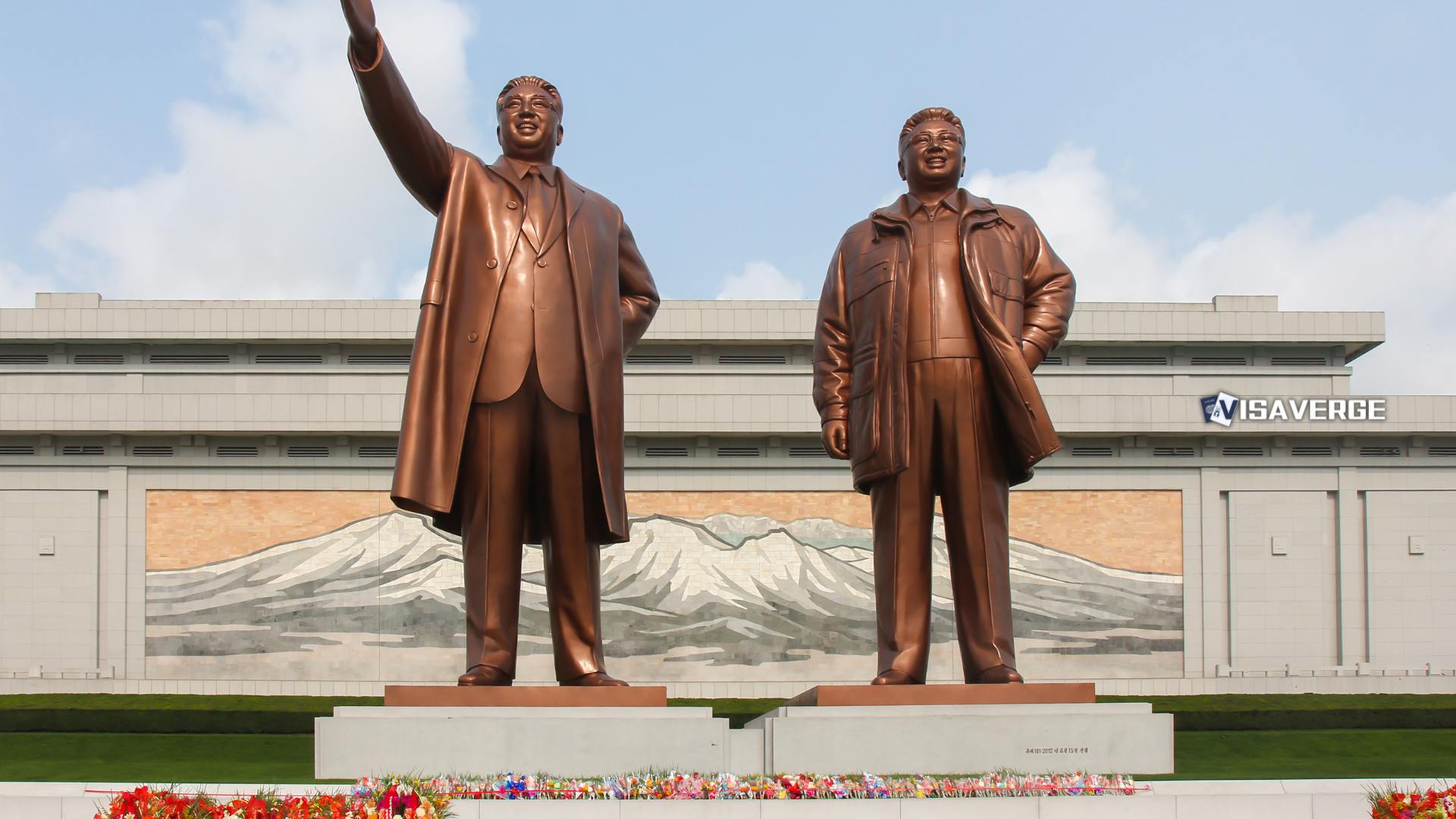
Before the COVID-19 pandemic, North Korea ?? regularly organized return trips for students abroad during summer holidays for political and ideological sessions. However, these activities were halted in early 2020 due to pandemic-induced border closures. The practice is entrenched in North Korea’s ?? educational system, with the government historically using it as a tool to reinforce political loyalty.
Details of the Directive
The recent order targets North Korean ?? students dispersed across various nations, especially those in China ?? and Russia ??. These students are expected to attend intensive “political indoctrination” sessions scheduled later this month at the Pyongyang Grand People’s Study House. The sessions will focus on the ideology of Chairman Kim Jong-un ??, reaffirming the country’s core values and principles.
Motivations Behind the Order
Several motivations clearly influence this decision:
- Ideological Control: By summoning students back, the government aims to prevent exposure and influence from foreign cultures and ideologies.
-
Preventing Defections: Prolonged exposure to non-North Korean ways might encourage defections, particularly among the young elite. Regular homecomings lower this risk.
-
Reinforcing Loyalty: The training serves to strengthen commitment and allegiance to the regime, maintaining the North Korean ?? identity among its youth.
-
Cultural Preservation: This effort aligns with ongoing initiatives to safeguard against foreign cultural adaption and influences, especially among young people.
Impact on Students and Families
The directive carries considerable implications for both students abroad and their families:
- Disruption of Education: Educational progress for these students may suffer interruptions, affecting their academic trajectories.
-
Psychological Stress: The sudden nature of this recall and the upcoming ideological sessions could cause significant anxiety and stress.
-
Financial Consequences: Families investing heavily in sending their children abroad might incur substantial financial losses from these abrupt changes.
International Reactions and Diplomatic Implications
The global community has reacted with mixed feelings about this development:
- South Korea ??: The South Korean government is closely monitoring the situation, attentive to potential impacts on North Korean ?? students and their families.
-
China ?? and Russia ??: As prominent hosts to these students, the actions and reactions of China and Russia may influence diplomatic relations with North Korea.
-
Human Rights Organizations: Criticisms from human rights groups have surfaced, characterizing this recall as another constraint on freedom and access to global information for North Korean ?? citizens.
Broader Geopolitical Context
This initiative arises amid a challenging geopolitical environment:
- Tensions with South Korea ??: Despite attempts at dialogue, tensions have worsened since 2022, with increased military actions from North Korea ??.
-
US-North Korea ???? Relations: Diplomatic talks have been stagnant since 2019. This tends to exacerbate the isolation of North Korea.
-
China-North Korea ???? Relations: While trade continues reasonably stable, slight strains have emerged in diplomatic interactions.
Recent Legislative and Policy Changes
This recall coincides with recent legislative efforts to fortify ideological control over the youth of North Korea:
- DPRK Youth Education Guarantee Law: Enacted in September 2021, it seeks to prevent “ideological laxity.” The law prohibits activities regarded as “un-Korean,” encompassing certain dress codes, hairstyles, and cultural practices.
These changes underline the regime’s determination to safeguard its cultural identity against external influences.
Potential Consequences
The long-term implications of this policy warrant consideration:
- Brain Drain: Mandatory student returns might dissuade international educational pursuits, leading to a possible brain drain as talented individuals exit for opportunities elsewhere.
-
International Isolation: Such moves could further intensify North Korea’s isolation, reducing chances for diplomatic and cultural engagements with other countries.
-
Economic Impact: Limited international interaction may affect North Korea’s capacity to modernize its economy efficiently and attract international investment.
Conclusion
This order signifies a notable shift in North Korea’s treatment of its students abroad, highlighting ongoing concerns about maintaining control amid global interconnectedness. As you consider this development, understanding its impact on North Korea’s ?? diplomatic relations, domestic dynamics, and the personal lives of these students is essential. Keep an eye on analyses from credible sources like VisaVerge.com, which provide keen insights and updates on such evolving international situations. For further official information, visit government resources like North Korea’s official website which may offer additional context.
Learn Today
Ideological Education: Instruction specifically aimed at reinforcing a set of political or cultural beliefs and values, often used by governments to maintain control.
Political Indoctrination: A process intended to inculcate specific political beliefs, often involving manipulative tactics to ensure ideological conformity.
Defections: The act of abandoning one’s country or cause in favor of an opposing one, often seen as a betrayal by totalitarian regimes.
Cultural Preservation: Efforts to maintain and protect cultural identity from external influences, often through restrictive policies and practices.
Brain Drain: The emigration of educated or skilled individuals from a country, leading to a loss of talent and intellectual capital.
This Article in a Nutshell
North Korea recalls students from abroad for “ideological education,” marking the first such directive in five years. This move aims to strengthen loyalty to Chairman Kim Jong-un and prevent defections. Students face disrupted education and potential stress, while broader geopolitical tensions and cultural isolation increasingly define North Korea’s international stance.
— By VisaVerge.com