Key Takeaways
- Lufthansa failed to inform Indian student Yadav of Schengen transit visa needs, causing significant boarding issues in April 2022.
- The court ruled in favor of Yadav, ordering Lufthansa to compensate him for distress and refund ticket costs with interest.
- The case highlights the necessity for clear communication of visa requirements and may influence future airline accountability practices.
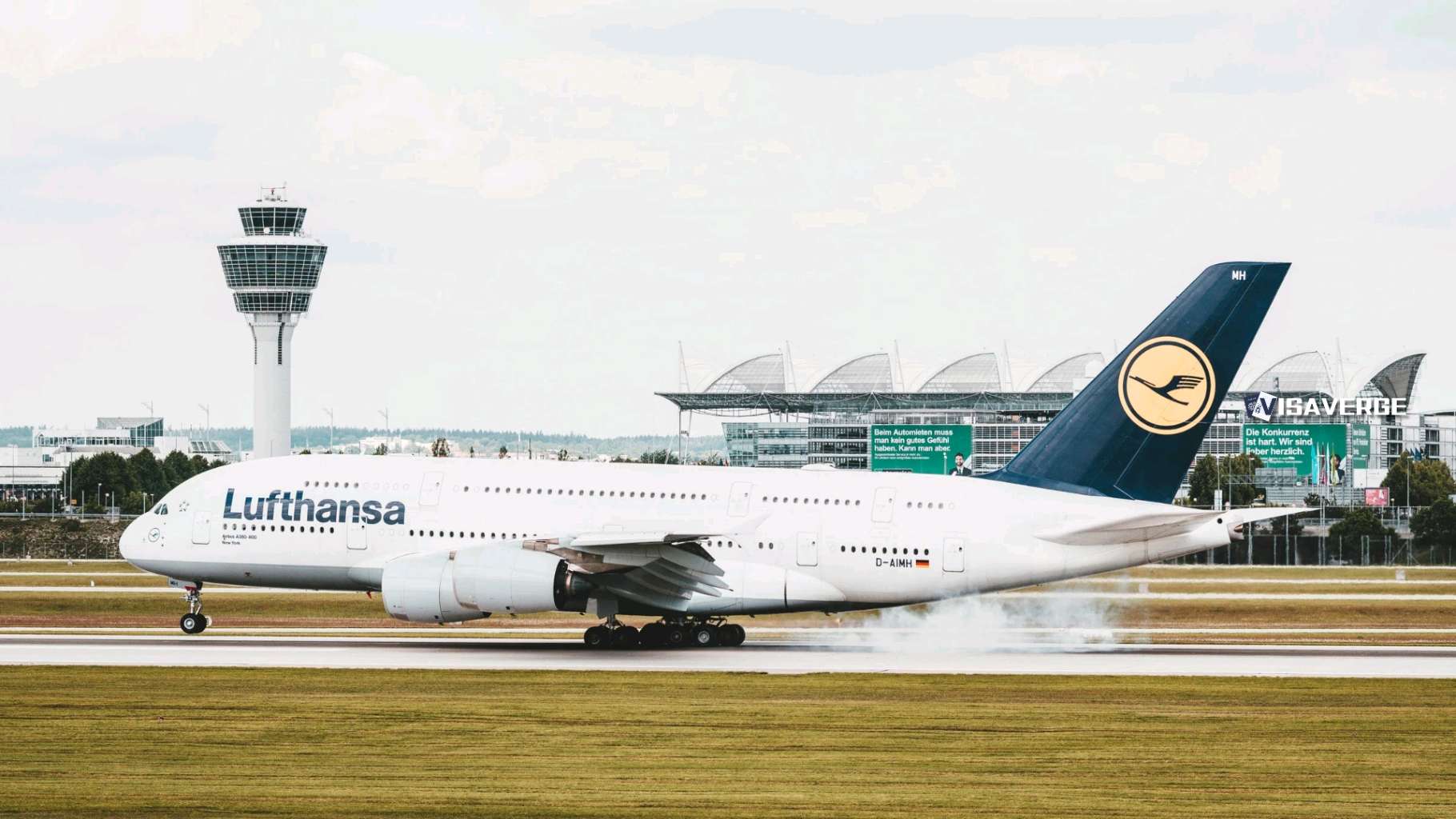
The incident involving Lufthansa and Maharshi Yadav emphasizes the need for airlines to properly inform passengers about visa requirements. Yadav, a 25-year-old Indian student, encountered significant challenges when trying to board a Lufthansa flight from Mumbai to Toronto, with connections in Munich and Frankfurt. This situation unfolded in April 2022 when he was denied boarding due to not possessing a Schengen transit visa, a necessity for Indian passport holders transiting through certain European countries.
Yadav had booked his flight in February 2022, yet Lufthansa failed to inform him about the transit visa requirement. This omission led to inconvenience and additional expenses for Yadav. The resulting legal proceedings brought attention to the rights and responsibilities of air travelers and airlines in terms of communication and duty of care.
Court Ruling and Compensation
The Gandhinagar District Consumer Dispute Redressal Commission in Gujarat addressed this issue, ruling partially in favor of Yadav. The court instructed Lufthansa to pay him Rs 1 lakh (roughly €1,078) for mental distress, Rs 67,612 (about €729) as a ticket refund, plus 8% interest on this refund from the date Yadav filed the complaint. Altogether, the compensation sums up to approximately €2,000, to be paid within 30 days upon receipt of the judgment’s certified copy.
Lufthansa’s defense centered around three primary points: they stated the responsibility for obtaining necessary visas lies with the passenger; the ticket purchased was non-refundable; and Yadav himself allegedly canceled the ticket. The court dismissed these arguments, highlighting the delay by the airline in responding to Yadav’s legal notice.
Implications for the Airline Industry
The situation underscores several important concerns within the airline sector:
- Consumer Protection: This scenario illustrates the necessity for airlines to clearly communicate visa requirements, especially when itineraries involve transiting through multiple countries.
-
Airline Accountability: This ruling may set a precedent for holding airlines accountable for ensuring passengers receive comprehensive information.
-
Visa Requirement Complexity: With international travel often involving intricate visa requirements, highlighting the challenges faced by travelers, particularly students, is crucial.
-
Standardizing Compensation: This case could influence future compensation-related rulings, potentially encouraging the development of standardized practices across the industry.
For travelers, especially students like Yadav, comprehending the nuances of visa requirements is often a daunting task. The added pressure from academic schedules makes thorough and early communication from airlines essential.
Industry Trends and Regulatory Evolution
The Lufthansa case aligns with ongoing trends of enhancing consumer protection within aviation:
- United States Trends: There’s an increasing push to standardize airline compensation policies, coinciding with the U.S. Department of Transportation proposing rules enforcing mandatory cash compensation for substantial delays or cancellations instigated by airlines.
-
Inclusive Passenger Protection: The focus is intensifying on safeguarding the rights of passengers with disabilities and ensuring fair treatment across diverse traveler demographics.
Analysis from VisaVerge.com suggests that while historically, airlines have not been mandated to ensure passengers comprehend visa requirements, there is a growing expectation for these carriers to provide robust pre-travel information.
Expert Views and Statistical Insights
Legal experts hint this case could set a notable precedent, potentially leading to firmer obligations for airlines to supply detailed visa information. Consumer rights advocates view the ruling as a positive stride toward enhanced accountability and transparency from airlines in their communications with passengers. Meanwhile, travel industry specialists underscore that while airlines are generally not accountable for ensuring passengers meet visa requirements, the expectation for them to extend pre-flight information has grown.
Though specific statistics on similar cases are scant, it’s worth noting that involuntary denied boarding situations have shown a declining trend. In 2019, U.S. airlines reported 0.24 incidents per 10,000 passengers. However, the compensation for such situations can range widely, from $100 to over $1,500, depending on the context and the policies of different airlines.
Conclusion
This case involving Lufthansa and Maharshi Yadav marks a pivotal moment in the dialogue regarding airline responsibilities and passenger rights. It underlines the necessity for clear communication about international travel requirements, especially complex ones. As global travel patterns continue to shift due to various factors, such rulings may influence how airlines handle customer service and disseminate information. For more on visa details and processes, you can refer to official resources such as the German Missions in India site for updated guidance on Schengen transit visa requirements. Through such developments, the industry might establish more robust methods ensuring passengers’ preparedness and protection throughout their journeys.
Learn Today
Schengen Transit Visa: A visa required for travelers transiting through certain European countries within the Schengen Area, mainly for non-EU passport holders.
Consumer Protection: Regulations and measures aimed at safeguarding buyers’ rights and ensuring companies act fairly, especially in service industries.
Airline Accountability: Responsibility of airlines to provide adequate information and services, including disclosing necessary travel documentation requirements.
Standardizing Compensation: Developing common guidelines across an industry to determine reasonable compensation for service disruptions or mistakes.
Precedent: A legal decision that serves as an authoritative example in future similar cases, influencing subsequent rulings and practices.
This Article in a Nutshell
A critical Lufthansa incident highlights airlines’ vital role in informing passengers about visa needs. Maharshi Yadav’s denied boarding stresses the importance of clear communication. The court’s ruling for compensation underlines accountability, urging airlines to protect consumer rights and simplify travel complexities, enhancing transparency and passenger preparedness in global travel.
— By VisaVerge.com
Read more:
• Solutions for South Korea Student Visa Overstay Issues here
• Espionage Threats: China’s Alert to Students here
• China’s Crackdown on Student Status Fraud in Education here
• Canada’s Rising Rejections for Student and Temporary Worker Visas here
• Shift to Student Visas: Punjabi Youth Respond to Canada Halting Work Permits here