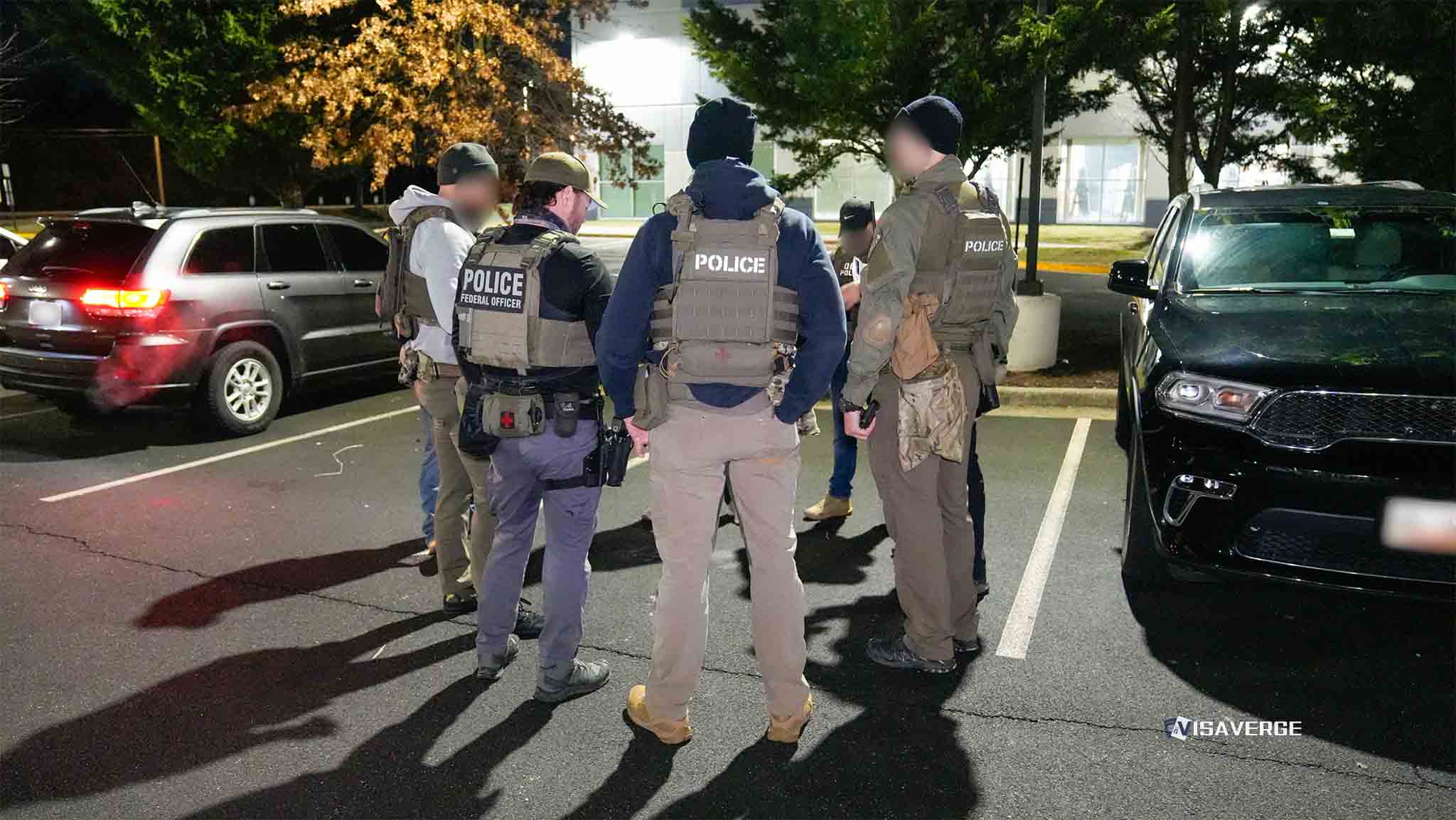
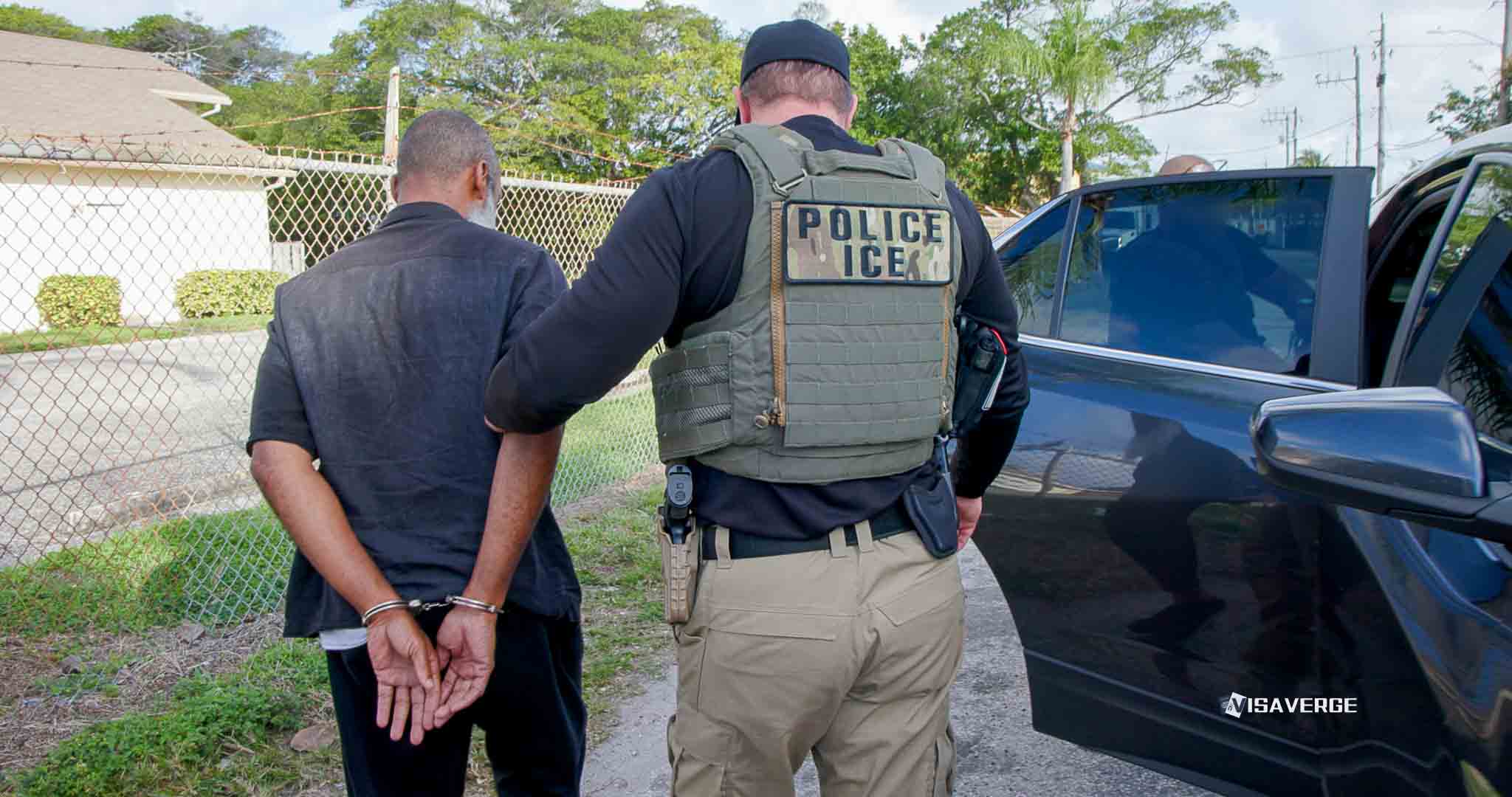
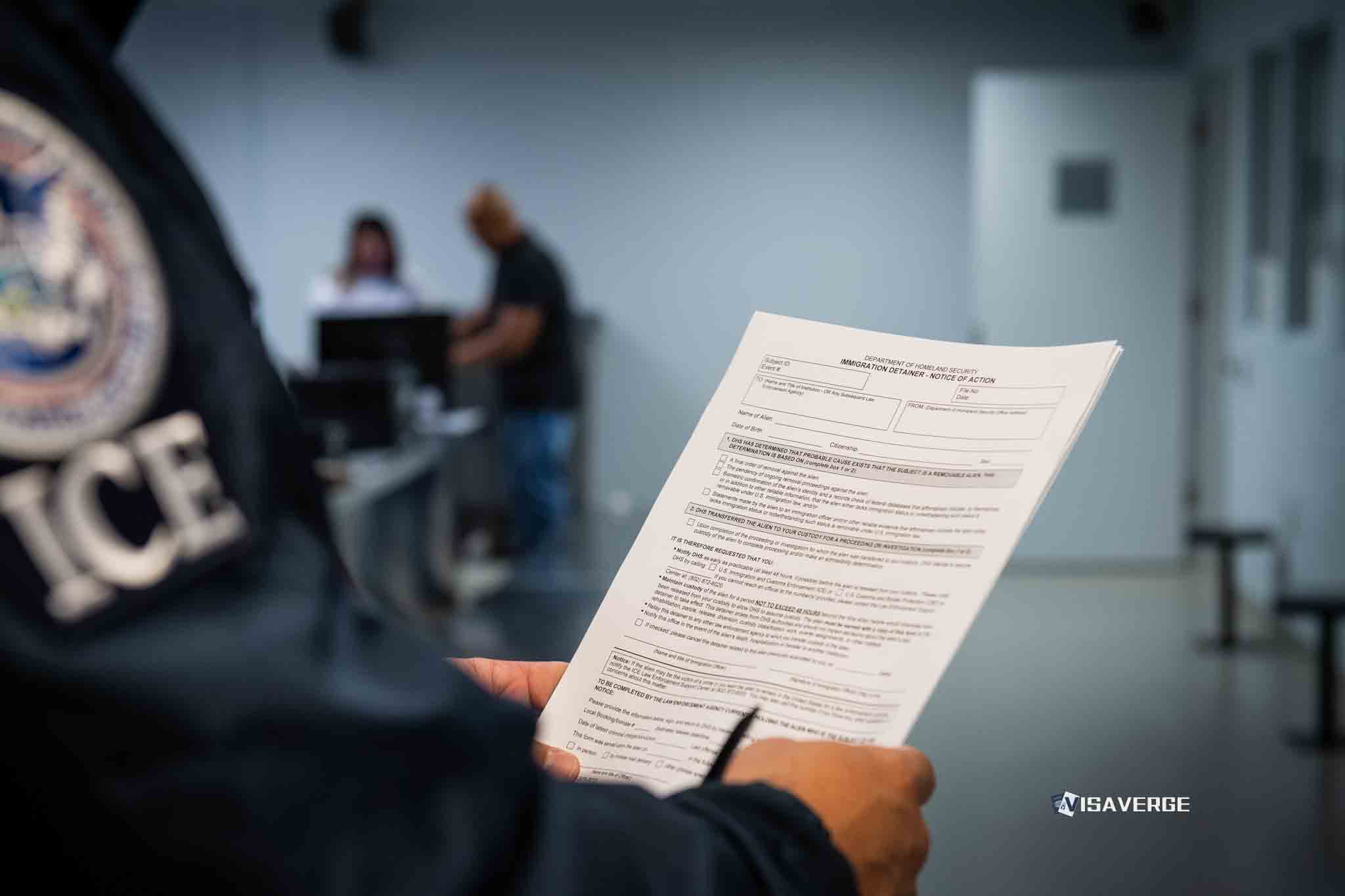
(UNITED STATES) Local advocates say a growing number of elderly immigrants — including grandmothers with decades in the United States — are being taken into ICE detention over old, low‑level offenses, sometimes as minor as a small bad check from 10 years ago. The detentions have accelerated in 2025 as federal policy shifted toward broader interior enforcement, expanded use of local police partnerships, and a steep rise in detention capacity. Families describe sudden arrests at routine check‑ins, with seniors separated from grandchildren and cut off from medical care, even when they pose no public safety risk.
This year’s enforcement push is reshaping daily life for mixed‑status households. ICE’s daily detention population is projected to reach at least 116,000, a jump of about 265% from prior levels under the expanded budget and operational authority. That growth has coincided with more arrests tied to nonviolent infractions from years past, advocates and attorneys report — including decade‑old misdemeanors and visa overstays.

In June, immigrant rights groups in Chicago rallied for a grandmother who was detained during a standard check‑in after wearing a location‑monitoring bracelet and complying with every prior requirement; her attorney was not allowed in during the detention process. In other recent cases in Louisiana, Florida, and Colorado, grandparents with an average of 50 years in the country were detained over old offenses, and an elderly man in Florida died in custody after being held for convictions dating back to the 1980s.
Supporters of the current strategy, led by President Trump’s administration, argue that enforcing the full scope of immigration laws — including long‑standing violations — deters future violations and supports broader border control goals. Critics counter that sweeping up seniors and long‑time residents over minor, stale offenses undermines due process and public trust while harming U.S. citizen children who depend on grandparent caregivers.
“We don’t need more jail beds and indiscriminate raids. We need balanced solutions that strengthen due process and keep families together,” said Adriel Orozco of the American Immigration Council.
According to analysis by VisaVerge.com, the sharper focus on interior arrests has stretched legal aid networks and sparked a wave of emergency bond and stay requests as families race to keep loved ones out of removal.
Policy Expansion and Elder Detentions
The surge follows a broad legislative and executive overhaul in 2025.
- On July 1, the Senate passed a budget reconciliation bill directing about $170 billion to immigration enforcement.
- Roughly $45 billion is earmarked for new detention centers.
- About $29.9 billion is designated for ICE operations.
- The funding effectively tripled ICE’s annual budget and ushered in specialized facilities, including units equipped to hold families and older detainees.
- Executive orders prioritized mass deportation, enforcement of past violations, and an expanded web of local partnerships under 287(g) agreements.
DHS Secretary Kristi Noem testified in May that these steps doubled ICE’s deportation agent capacity, with state and local police now playing a larger role in referrals that flow into detention.
How the new framework affects interior detentions
The policy mix has created a broader pipeline into custody:
- Historically, about three‑quarters of interior arrests started with state or local encounters.
- The present framework goes further by encouraging arrests at check‑ins for people already under supervision.
- Advocates report more frequent questioning about children and household members during supervision visits, which they view as screening for broader family‑level enforcement.
The effect is felt most by older immigrants with deep U.S. ties who resolved or lived quietly with past misdemeanors and are now being detained as priorities shift.
Financial and medical barriers
Fee changes have also made legal protection harder:
- New laws added non‑waivable fees for humanitarian protections and other applications.
- For seniors on fixed incomes, these costs can block access to safeguards that might prevent removal.
- Lawyers say that preparing a case from inside detention — often within weeks or days — is frequently impossible without legal help, translation, and medical records.
Reports from newly opened facilities describe overcrowding, food shortages, and gaps in medical care, which can be particularly risky for detainees with chronic conditions.
Human stories
Family accounts underline the stakes:
- A 64‑year‑old grandmother in Baton Rouge was detained over a decades‑old student visa violation after raising children and grandchildren in the U.S.
- In Colorado, a grandfather with 50 years of U.S. residence faced detention linked to a minor offense from the 1990s.
- In Chicago, community groups scrambled to find the facility holding a grandmother arrested at her check‑in; they worked for days to secure a lawyer, medication lists, and arrangements for school pick‑ups of U.S. citizen grandchildren.
For many households, the sudden loss of an elder — often the steady childcare provider — can upend finances and daily routines in a single afternoon.
The administration defends the approach as a fair application of existing laws, regardless of the age of an offense. Supporters argue that consistent enforcement is needed and that softening penalties for older violations could invite more noncompliance.
Legal scholars warn, however, that mass detentions based on decades‑old conduct raise due process questions around:
- bond practices,
- access to counsel, and
- adequate medical care.
Federal court challenges to parts of the executive actions are ongoing, and additional litigation is expected if the House advances the enforcement bill now pending final vote.
Legal Access, Community Response, and What Families Can Do
Attorneys urge anyone under ICE supervision to prepare before a check‑in. Compliance remains essential, but compliance alone does not prevent detention under the 2025 framework. Practical steps include:
- Speak with counsel about risks, case history, and emergency plans.
- If you have a lawyer, bring a signed Form G‑28, Notice of Entry of Appearance as Attorney or Accredited Representative — the attorney appearance form — so ICE can quickly confirm representation.
Documents to pre‑assemble (keep in a simple folder)
- Photo ID, any court records, and prior immigration paperwork
- Medical information, prescriptions, and doctor contacts
- A list of emergency caregivers for children, with school and after‑school contacts
- A signed release so a lawyer or family member can obtain records if needed
If a loved one is detained
- Use the ICE Online Detainee Locator System to locate the individual.
- For time‑sensitive cases, attorneys may seek a stay of removal with Form I‑246, Application for a Stay of Deportation or Removal — a request that, if granted, temporarily halts deportation while the case is reviewed.
- Form and instructions: Form I‑246, Application for a Stay of Deportation or Removal
- Congressional offices have sometimes contacted ICE to request release for residents with strong ties, especially seniors with health conditions. Such outreach can help in urgent cases but does not replace legal filings.
Community organizations report new barriers to counsel in 2025, including delayed facility access for lawyers and interpreters. In the Chicago case, attorneys said they were denied entry during the critical period when ICE decided to hold the grandmother after check‑in.
Advocates recommend:
- Documenting any blockages to counsel and filing formal complaints if access is limited.
- Contacting legal service groups — including Beyond Legal Aid and the National Immigrant Justice Center — which staff helplines and detention hotlines.
- Making short calls to legal hotlines to understand immediate options such as bond hearings, parole requests, or humanitarian release for medical reasons.
Medical advocacy and bond preparation
For older detainees, medical advocacy is often urgent:
- Write down all medications and dosages, confirm allergies, and forward medical records to the attorney or directly to the facility’s medical unit.
- If care falls short, counsel can request outside treatment or a medical parole review, supported by doctor letters.
For bond preparation:
- Identify co‑signers, proof of address, and evidence of community ties.
- Letters from faith leaders, employers, and school staff help show stability and reduce flight‑risk concerns.
What’s next: courts, Congress, and community impact
The broader policy debate is still moving:
- With the Senate’s funding package passed and the House preparing a final vote, detention capacity may grow again before year‑end.
- That could mean more arrests connected to minor offenses, including small bad checks written long ago, especially where states expand cooperation under 287(g).
- Some governors and sheriffs have embraced the partnerships, while others warn that turning routine police contact into deportation pipelines will chill crime reporting and strain local courts.
Federal courts are weighing challenges to parts of the executive program. If portions are blocked, enforcement patterns could shift; if not, the trend toward larger detention rolls is likely to continue.
For now, attorneys say preparation remains the best protection:
– Keep a copy of the Form G‑28 with you.
– Gather key records in advance.
– Don’t miss check‑ins — but go with a plan.
– If detention happens, move quickly on counsel, medical information, and a stay request.
The stakes are high for families, and speed can make the difference between release and removal.
As these policies play out, the people most affected often look like our neighbors: grandmothers who keep after‑school snacks ready, grandfathers who drive to early morning jobs, elders who hold together multigenerational homes. The numbers — 116,000 daily beds, a multi‑billion‑dollar expansion — tell part of the story. The rest lives in household budgets stretched thin when a caregiver disappears, in children waiting outside a school door for a ride that doesn’t come, and in Sunday dinners with an empty chair.
Whether Congress or the courts change course, those lives will shape the true measure of the 2025 enforcement era — not only by how many beds are filled, but by who is missing at the family table.
This Article in a Nutshell
In 2025 a major federal enforcement shift—backed by roughly $170 billion in Senate-directed funding—has expanded ICE’s detention capacity and interior arrests. The package earmarked approximately $45 billion for new detention centers and $29.9 billion for ICE operations, while executive actions and strengthened 287(g) partnerships increased local referrals and arrests during routine check‑ins. Advocates report a surge in detentions of elderly immigrants, including grandparents with decades-long U.S. residence, detained for old or low‑level offenses; reports cite overcrowding, limited medical care, and restricted attorney access in new facilities. Legal aid networks face strain as families seek emergency bonds and stays of removal. Attorneys advise preparation: securing counsel and Form G‑28, assembling IDs and medical records, and using the ICE detainee locator. Supporters claim uniform enforcement deters violations; critics argue the approach harms due process and vulnerable families. Ongoing court challenges and pending House action will shape whether the trend continues.