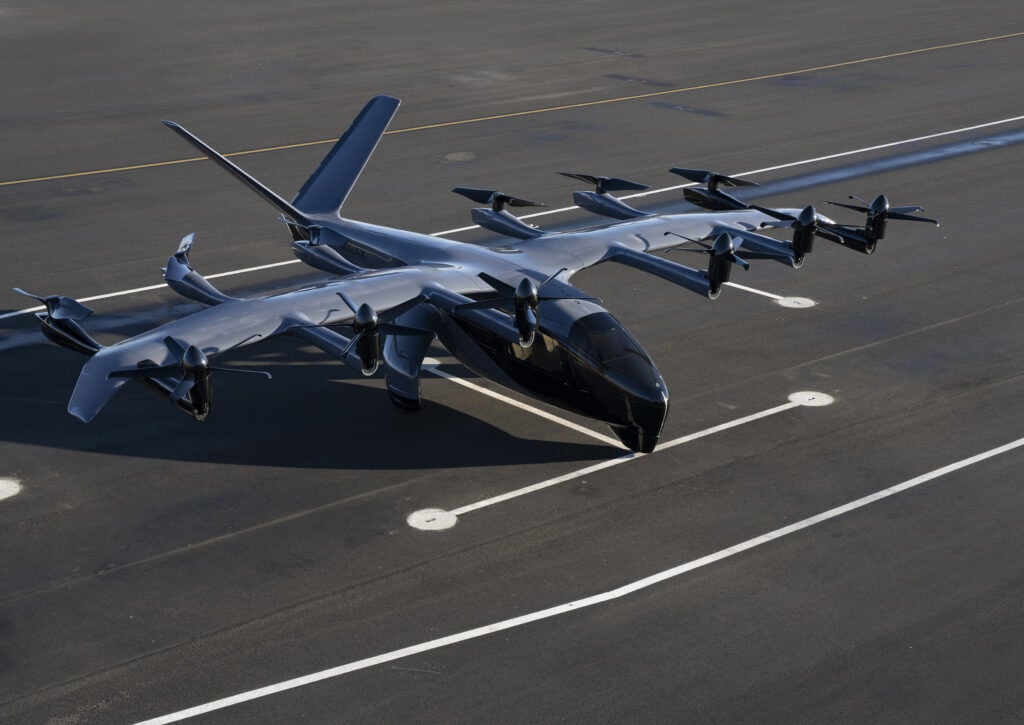
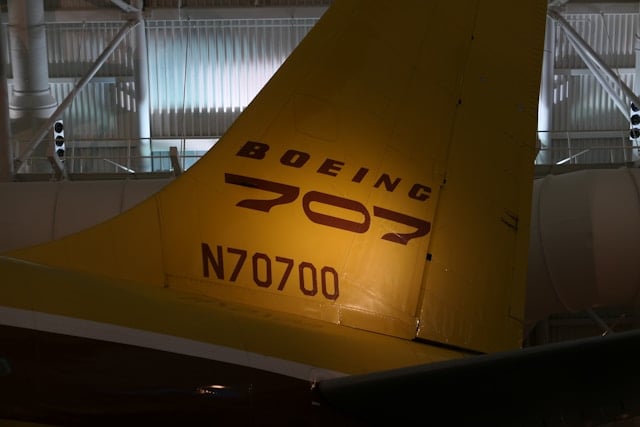
- Archer Aviation is acquiring three Boeing subsidiaries including Wisk Aero, SkyGrid, and Insitu in an all-stock deal.
- The acquisition adds two hundred million dollars in annual defense revenue and advanced autonomous flight technology.
- Boeing will retain a nineteen point seventy-five percent stake in Archer and invest fifty-five million dollars.
Archer Aviation agreed Aug. 10 to acquire Boeing’s Wisk Aero, SkyGrid and Insitu subsidiaries in an all-stock transaction that would give the seller a 19.75% stake in Archer’s Class A shares before closing. The package also includes warrants and the right to nominate one director.
The agreement gives Archer an established defense operation, autonomous aircraft technology and airspace-management software. Boeing will also invest up to $55 million in an upcoming funding round.
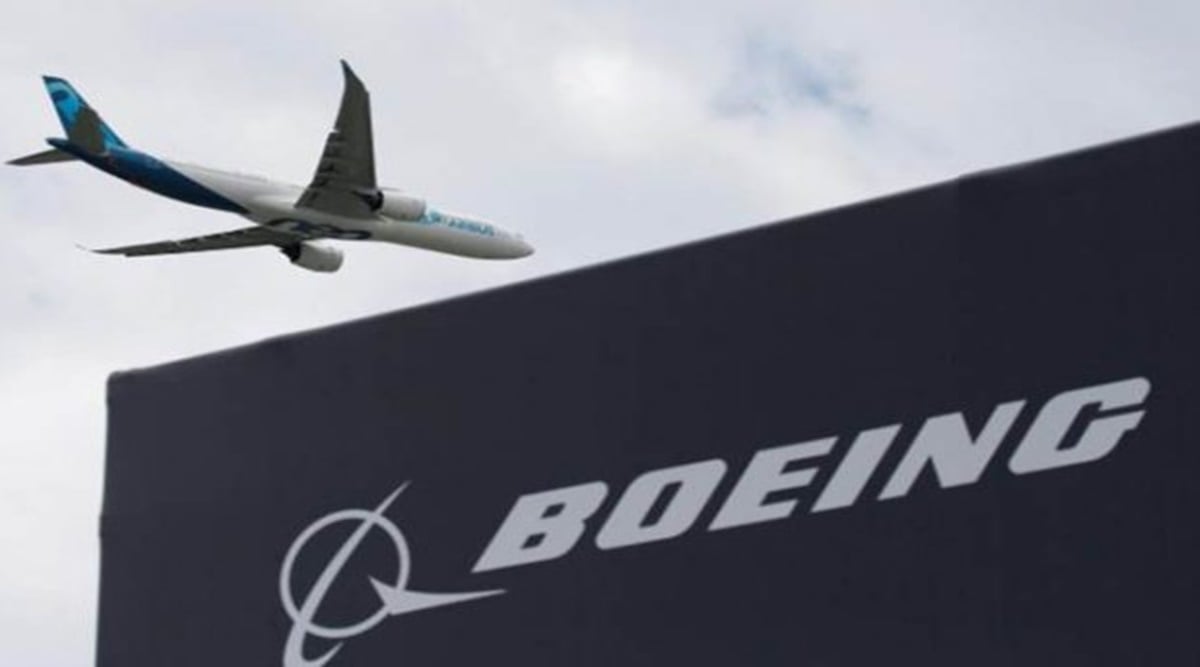
The companies expect the transaction to close by the end of 2026, subject to antitrust clearance and other closing conditions. The deal still requires those conditions to be satisfied.
Adam Goldstein, Archer’s founder and chief executive, called the acquisition the “next big step forward in becoming a diversified platform, rapidly growing our revenue base and bringing scale to our business.”
The transaction also preserves a technology relationship between the two companies. The seller will retain access to Wisk’s core autonomous-flight technology for current and future commercial and defense aircraft through a sharing arrangement.
Insitu brings revenue and an international defense operation
Insitu adds a profitable defense business generating more than $200 million in annual revenue. Its uncrewed aircraft support intelligence, surveillance and reconnaissance missions.
The company operates in 35 countries. It has manufactured more than 3,500 uncrewed aerial systems.
The other subsidiaries add different pieces of the autonomy stack. SkyGrid develops aircraft-agnostic software for managing air traffic, while Wisk contributes autonomous, all-electric eVTOL aircraft technology and flight-test experience.
Together, the businesses bring nearly two million flight hours and 16 years of development history. Archer plans to fold the acquired technologies into ZEE, its proprietary AI foundation model for aerospace and defense.
The combined platform is intended to connect aircraft, autonomous systems, airspace software and defense capabilities. Archer describes that broader approach as “physical AI.”
The seller keeps an equity position and technology access
The companies did not disclose financial terms for the asset transfer. The consideration includes newly issued Archer Class A shares, warrants and a board nomination right.
The stake equals 19.75% of shares outstanding immediately before closing. The funding commitment is separate from that equity consideration and may reach $55 million in a round expected by March 31, 2027.
Analysts estimate the total transaction value at approximately $1 billion. That estimate is not a disclosed purchase price.
Brian Yutko, Boeing’s vice president of Commercial Airplanes Product Development, said the transaction would give the three businesses room to develop while preserving the seller’s benefit from earlier investments.
“This transaction is a win-win for Boeing and Archer. It allows Wisk, SkyGrid and Insitu to accelerate capability development and time to market while ensuring Boeing capitalizes on its investments in these technologies over the past two decades through continued development in our core businesses.”
The parties will establish an ongoing collaboration and technology-sharing agreement. Under that arrangement, the seller retains cross-licensed access to Wisk’s core autonomous-flight technology.
The agreement sets May 9, 2027, as the outside date for closing. It permits a possible three-month extension if regulatory review is the main remaining issue.
Ortberg is narrowing the aerospace giant’s portfolio
Kelly Ortberg, Boeing’s chief executive, has pursued a streamlining effort since taking over in August 2024. The company is concentrating on commercial airplanes, defense and space.
Boeing has described the goal as a need to “reset priorities and create a leaner, more focused organization.” Selling the three subsidiaries advances that effort while leaving the company with an ownership interest in Archer.
The portfolio changes follow other large transactions. Boeing reacquired Spirit AeroSystems for $8.4 billion and sold its digital aviation software unit to Thoma Bravo for $10.55 billion.
The transaction also brings the three businesses into a company whose main commercial project remains air-taxi service. Archer is seeking to broaden that base with defense and autonomous systems.
New commercial and defense aircraft frame Archer’s expansion
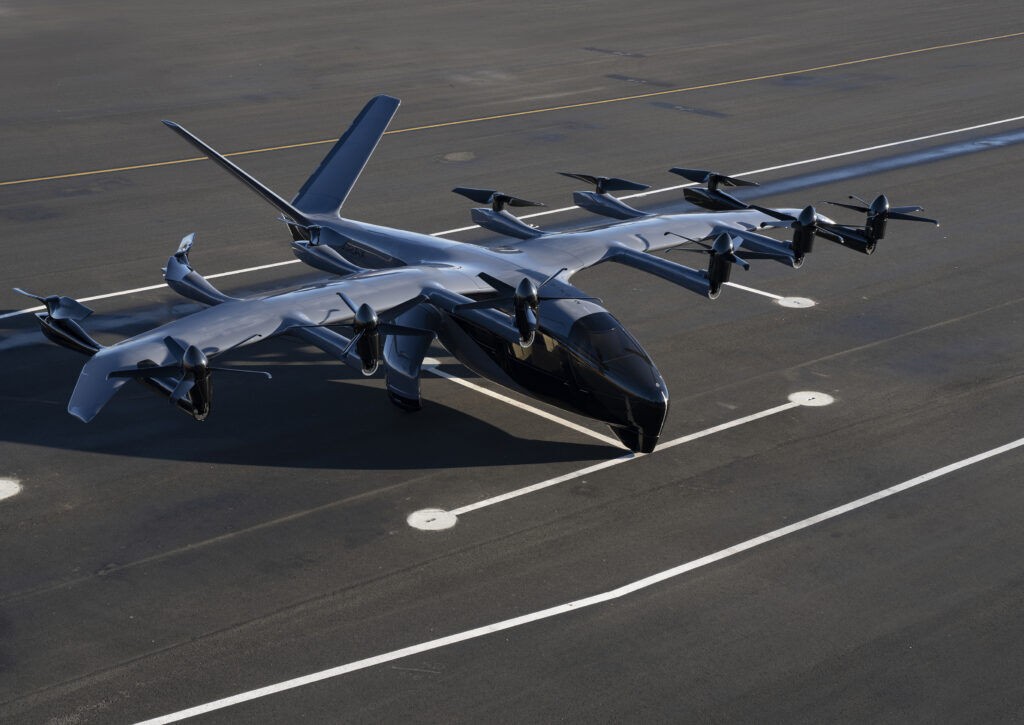
In July 2026, Archer unveiled Halo for commercial use and Thunder for defense applications. Both are autonomous VTOL platforms.
Anduril helped develop Thunder. The acquired flight-control technology and sensor capabilities are expected to support Archer’s commercial and defense programs.
The company is targeting commercial VTOL flights later this year or early next year. It is also the Official Air Taxi Provider of the LA28 Olympic Games.
The Federal Aviation Administration launched a pilot program for eVTOL operations in March 2026. Archer remains on track for commercial launches in late 2026 or early 2027.
The acquisition gives Archer a defense platform with existing operations rather than only a future air-taxi business. Insitu’s work in 35 countries also provides an international base for the expanded portfolio.
Investors rewarded the broader strategy, but the launch still looms
Archer shares jumped between 11% and 20% after the announcement, reaching their highest level in months. The move reflected investor optimism about expansion into defense and autonomous systems.
The shares later traded at $5.59, down 42.96% over the past year. Archer continues to face cash burn and pressure to begin commercial service in support of a $10 price target.
Boeing shares remained relatively flat or slightly lower, down about 1%. The different market reactions underscored the contrasting roles of the transaction: one company is adding operating businesses, while the other is selling them and retaining financial and technical exposure.
Regulatory clearance remains the next condition before the transfer can close. The expected timetable points to the end of 2026, while the agreement’s outside date extends to May 9, 2027, subject to the permitted extension.