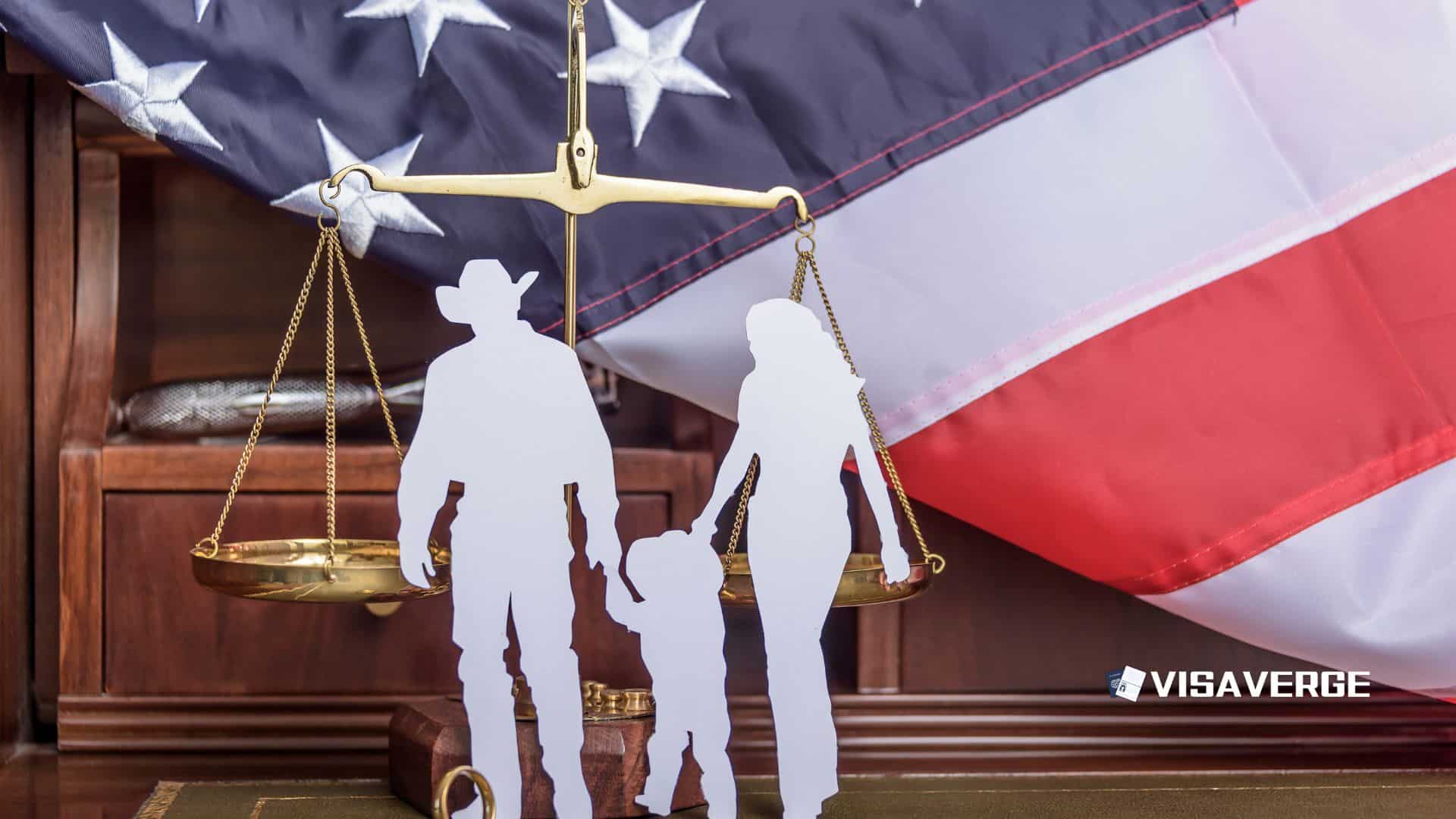
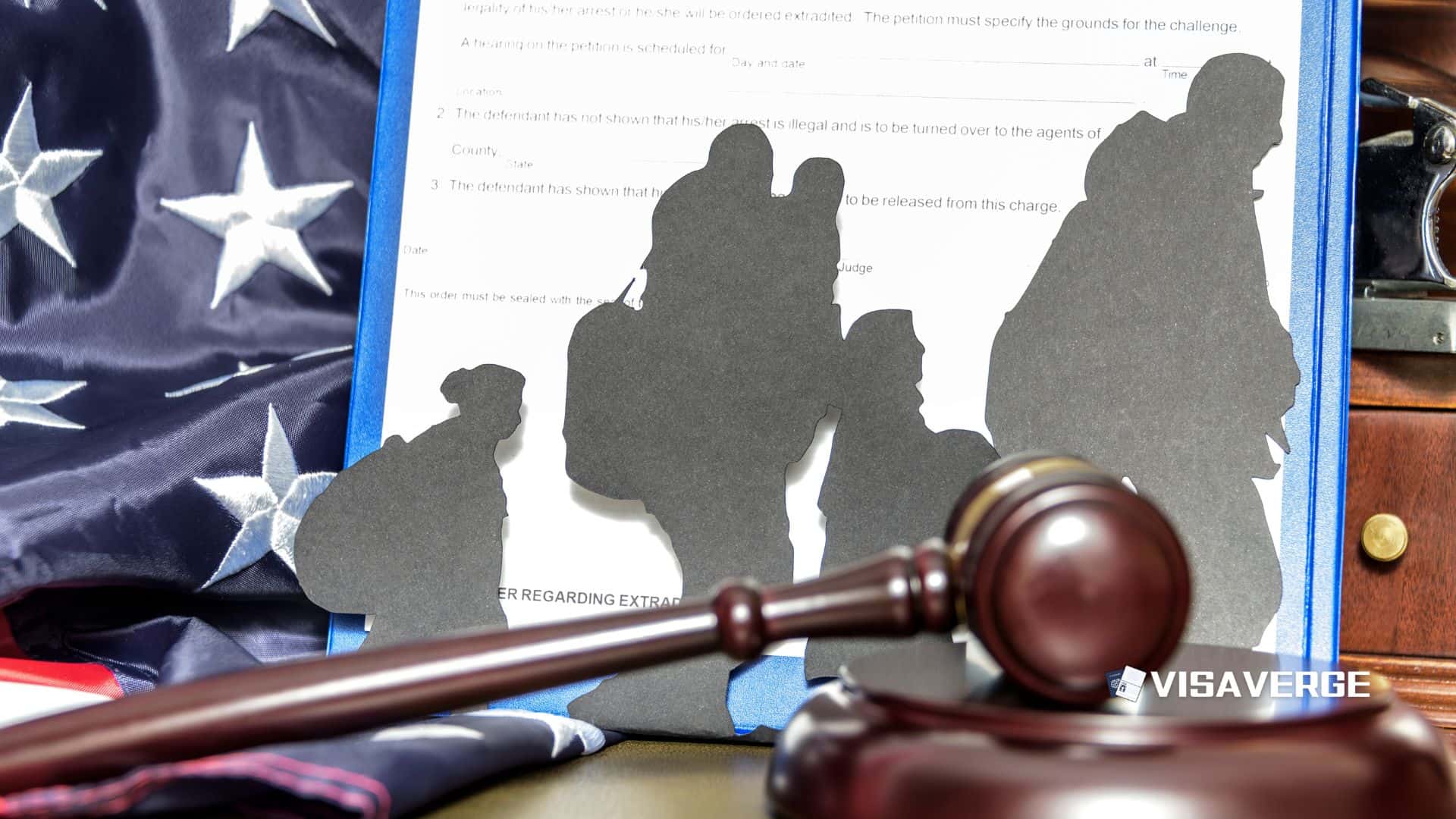
- The Laken Riley Act mandates ICE detention for undocumented immigrants charged with specific crimes, including theft and assault.
- Detention triggers now include arrests or charges alone, removing previous requirements for final judicial convictions.
- Federal enforcement has expanded 287(g) police partnerships and increased detention capacity to over 100,000 beds in 2026.
(UNITED STATES) The Laken Riley Act now requires mandatory ICE detention for certain undocumented immigrants accused of listed offenses, even before any final conviction. Signed by President Donald Trump on January 29, 2025, the law has pushed immigration enforcement into a far tougher phase, with 287(g) programs and expanded federal screening tools widening the reach of local and federal officers.
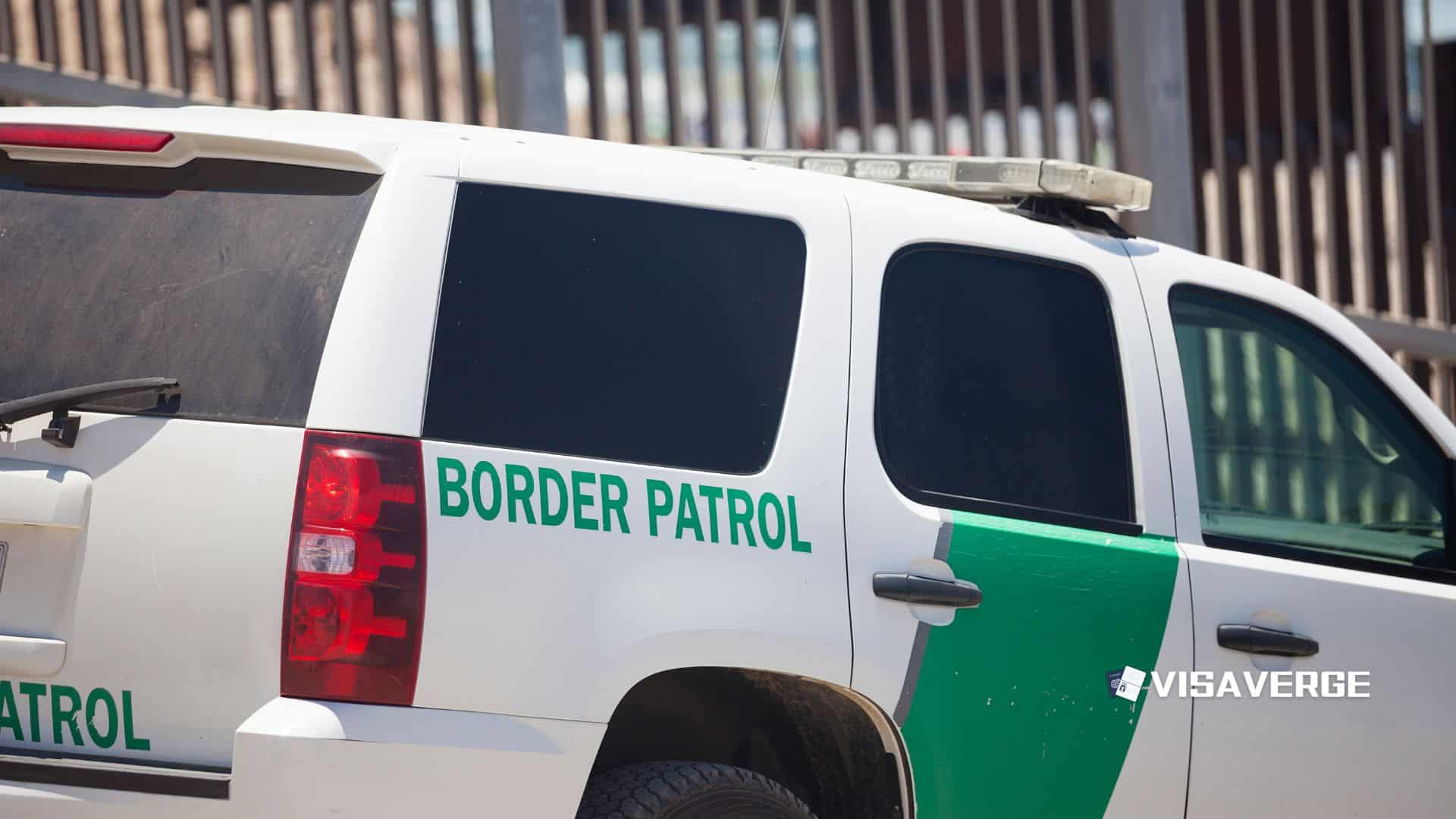
The law is named for Laken Riley, a Georgia nursing student killed in 2024 by an undocumented immigrant with prior arrests. Supporters say the statute protects public safety by removing judicial discretion from detention decisions. Critics say it invites overreach, weakens due process, and raises the risk of racial profiling.
Mandatory detention now starts at arrest or charge
Under the Laken Riley Act, certain undocumented immigrants who are inadmissible under the Immigration and Nationality Act can be taken into ICE custody after an arrest, a charge, a conviction, or even an admission tied to a qualifying offense. That is the key break from prior practice. Before this law, detention often depended on a final conviction and a separate public-safety review.
Free toolUSCIS Receipt Number DecoderThe statute reaches people who entered without authorization, falsely claimed U.S. citizenship for benefits, or obtained benefits through fraud or misrepresentation. It then captures listed offenses such as burglary, theft, larceny, shoplifting, assault on law enforcement, and crimes that cause death or serious bodily injury. A shoplifting charge alone can now trigger ICE transfer if the person fits the statute’s immigration categories.
That shift matters because the law uses local criminal definitions. A misdemeanor retail-theft case in one state can still trigger federal immigration custody. California’s Prop 47 threshold does not block the federal detention rule.
Who is protected from the new detention rule
The law does not apply to everyone without status. It excludes lawful permanent residents, refugees admitted through formal programs, valid visa holders even when they overstay, and expedited removal cases that move on a fast track without a full hearing.
Those carve-outs prevent the statute from becoming a blanket detention regime. Even so, people with pending asylum claims face a harder road because USCIS pauses and extra vetting have slowed interviews and extended time in custody. According to analysis by VisaVerge.com, the practical result has been a wider detention net with fewer release options.
For many detainees, the biggest change is simple and severe: no bond, no parole, and no alternative-to-detention placement. ICE must keep them locked up until removal, relief, or a court order changes the case.
Detention has grown fast, and local police are more involved
By April 2026, the law remained fully in force despite legal challenges and operational strain. ICE detention needs surged far beyond prior bed capacity, moving from roughly 41,500 beds before the law to demands above 100,000 by the first quarter of 2026. Congress added money in the FY2026 budget, and that funding helped expand 287(g) programs to more than 200 jurisdictions.
Those agreements let local sheriffs and police work with federal immigration authorities in new ways. Supporters say that coordination improves public safety. Opponents say it chills reporting of crimes and turns ordinary police encounters into immigration events.
Facilities are crowded. Temporary space has been added at military bases. Private contractors won more than $2 billion in contracts. ICE also hired more than 5,000 officers, though turnover remains high. A new USCIS Vetting Center, launched in December 2025, cross-checks arrests with immigration databases in real time.
Court fights are already reshaping the law
Nine federal lawsuits were pending by April 2026. Civil liberties lawyers argue that pre-conviction detention violates the Fifth and Fourteenth Amendments. A federal judge in the Southern District of New York issued a preliminary injunction on March 15, 2026, for shoplifting-only cases, though that order was stayed on appeal.
Other cases raise equal protection claims and state-overreach arguments. Supreme Court action in February 2026 rejected one challenge involving state attorneys general and helped confirm the broader federal enforcement shift. No nationwide block has stopped the law, and most provisions remain enforced.
The timing matters because the Laken Riley Act now sits inside a wider immigration crackdown. President Trump’s administration also issued entry restrictions in June 2025 for nationals from 19 countries and later suspended immigrant visa issuance for 75 countries in January 2026. Those moves have reinforced the same enforcement message from another angle.
Why employers, families, and visa applicants are watching closely
The law does not directly target H-1B workers or seasonal labor programs, but its enforcement climate reaches far beyond the undocumented population. Employers now face more I-9 reverification checks, more document scrutiny, and a tighter review culture around foreign workers.
Families are feeling the pressure first. A charge for theft or assault can separate parents from U.S.-citizen children within hours. School routines, rent payments, and child care collapse fast when a family member is moved into ICE detention.
Visa applicants are also dealing with more friction. Social media vetting expanded in March 2026 to some K-1 and U visa cases, while immigrant visa suspensions for many countries have slowed legal entry. The April 2026 Visa Bulletin still showed movement in some employment categories, but the broader system has become less predictable.
For official detention rules and immigration custody policies, USCIS and ICE post current guidance on the USCIS official website. That page links readers to current forms, policy updates, and agency notices.
Broader enforcement is now tied to deportation cooperation
The Laken Riley Act also links enforcement to removal cooperation. Countries that refuse to take back deported nationals now face visa consequences. Venezuela and Haiti were added to that pressure in 2026. Proclamation 10998, issued on December 1, 2025, listed 39 countries for total or partial visa bans, including Afghanistan, Iran, Yemen, Cuba, and Syria.
Business groups have pushed back against the larger enforcement wave, especially after raids eased in mid-2025 and detention-centered strategy took over. Even so, the administration has framed the law as a public-safety measure and as part of a broader push to remove people accused of crimes faster.
Civil liberties groups say the cost is high. They report more than 15,000 detentions in the first quarter of 2026, with about 40% tied to low-level crimes. Supporters point to a 20% drop in targeted crimes in areas with heavy 287(g) participation. The fight now sits at the center of U.S. immigration policy, where detention, local police partnerships, and visa pressure all move together.