- A federal judge temporarily paused an order that had vacated the controversial $100,000 H-1B visa petition fee.
- The Trump administration has until June 18, 2026 to file an emergency stay with the First Circuit Court.
- While the pause remains, USCIS can continue requiring the six-figure fee for certain consular-based H-1B petitions.
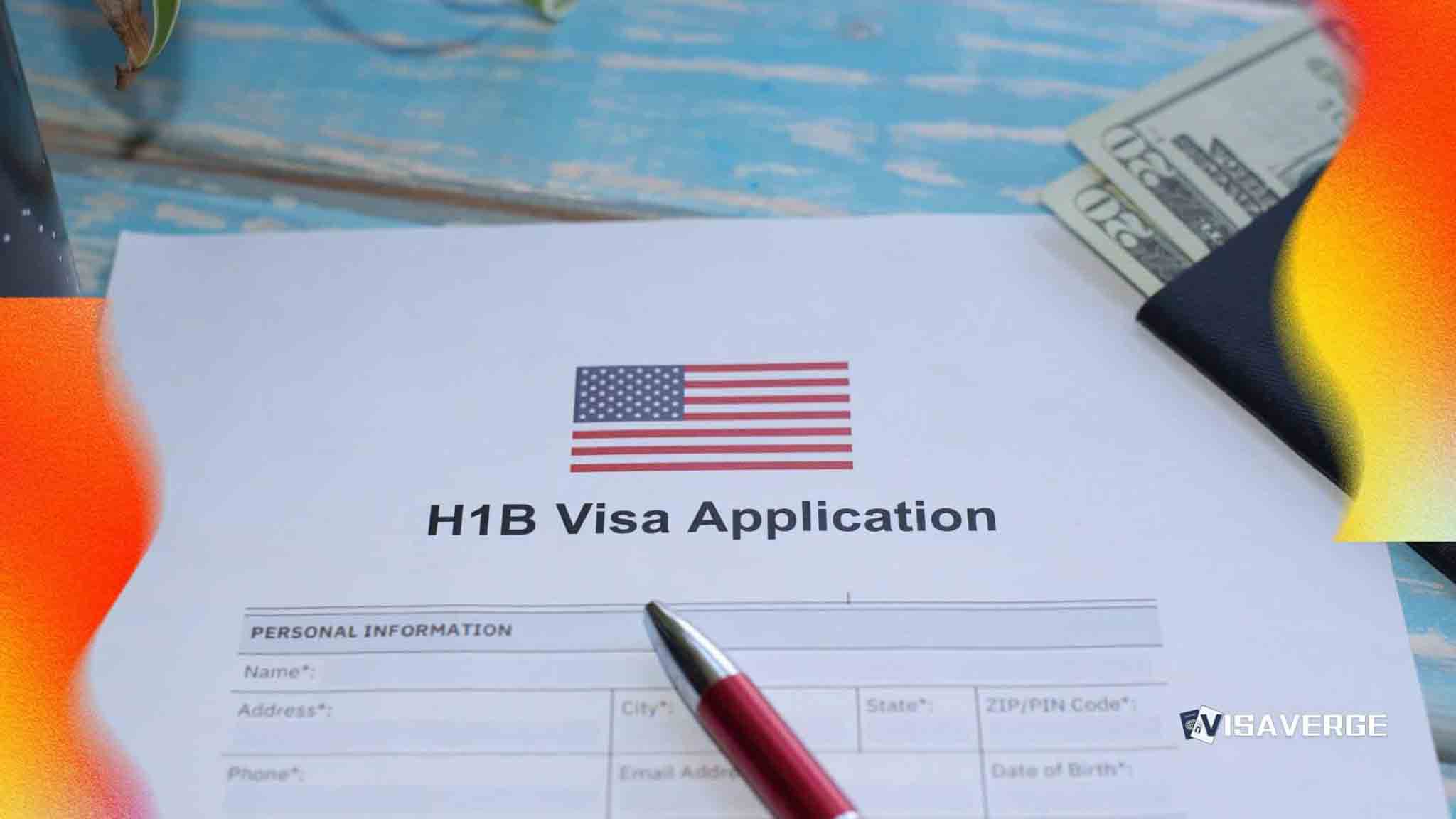
(BOSTON, MASSACHUSETTS) – U.S. District Judge Leo T. Sorokin temporarily paused his order vacating the $100,000 fee on certain new H-1B petitions while the Trump administration seeks an emergency stay from the U.S. Court of Appeals for the First Circuit.
Sorokin had ruled on June 8 that the six-figure charge exceeded statutory authority and was procedurally deficient, then agreed to hold that vacatur order in abeyance while the appeal moves forward. During that pause, USCIS may still require the $100,000 fee for H-1B petitions filed for, or only approvable for, consular notification.
Free toolH-1B Cost Calculator Online
The government filed its motion to stay on June 12. It now has until June 18 to file its stay request with the First Circuit; if it misses that deadline, the district court’s vacatur order could take effect again.
The dispute centers on a fee that applies to all new H-1B hires who require processing at consulates outside the United States. That made the policy especially consequential for employers bringing in H-1B workers from abroad, because those petitions can depend on consular processing before a worker can enter the country.
Judge Leo Sorokin, of the U.S. District Court for the District of Massachusetts, found that the policy crossed limits set by Congress. His ruling held that the fee exceeded statutory authority, violated the Administrative Procedure Act as arbitrary and capricious, and raised separation-of-powers concerns by encroaching on Congress’s exclusive tax powers.
The June 8 order marked the first court loss for the Trump administration’s policy. Sorokin ruled in favor of 20 Democratic-led states that challenged the fee in Boston federal court.
Justice Department lawyers urged Sorokin to keep his order from taking effect while the appellate court considers the issue. They argued that the administration is likely to succeed in defending the fee as a justified exercise of foreign commerce and immigration powers.
The government’s filing also cast the dispute in national security terms. “Indeed, every day the district court’s order remains in effect, additional aliens will rush to seek classification and entry as an H-1B nonimmigrant worker,” the DOJ filing said.
That filing argued that blocking the fee prevents the president from addressing national security threats stemming from abuse of the H-1B program. Sorokin agreed to a temporary pause while the First Circuit weighs whether the stay should remain in place during the appeal.
The immediate result is narrow but important. The judge did not reverse his legal conclusions; he delayed the effect of his vacatur order while the higher court considers the administration’s request.
That leaves employers, state officials and H-1B workers watching a short timetable. If the government files by June 18, the First Circuit will decide whether the district court’s order remains paused; if it does not, the vacatur could be reinstated.
The case also carries weight beyond Massachusetts because the fee faces multiple legal challenges in other courts. Decisions are pending in the Northern District of California and in the District of Columbia Circuit.
Plaintiffs in those cases have already notified judges of Sorokin’s ruling, arguing that it strengthens their own challenges to the fee. A second or third court reaching similar conclusions would add pressure on the administration’s defense of the policy, while a conflicting result could sharpen the case for broader appellate review.
The Boston case turns on more than whether the administration can charge a large sum for a visa-related filing. Sorokin’s ruling said the six-figure charge looked less like a routine immigration fee and more like a tax, a distinction with constitutional consequences because Congress, not the executive branch, holds the taxing power.
His decision also framed the problem as procedural. By finding the policy arbitrary and capricious under the Administrative Procedure Act, Sorokin concluded that the government had not lawfully justified the fee in the way federal law requires.
That combination of findings, statutory, procedural and constitutional, gave challengers several grounds on which to defend the vacatur order on appeal. It also gave the administration several fronts on which to argue that the district court overreached when it set the policy aside.
The states that sued have not yet secured a final end to the policy because the temporary pause keeps the fee alive for now in the consular-notification context. Employers filing new cases that depend on overseas visa processing still face the possibility that USCIS will demand the $100,000 fee unless and until the pause lifts.
That practical effect matters most for new overseas hires rather than workers already inside the United States who can pursue other processing routes. In the short term, the legal fight remains concentrated on petitions that require action at U.S. consulates abroad.
The administration moved quickly after the June 8 ruling, signaling how much it views the fee as part of its broader immigration agenda. Sorokin’s pause gives the government a brief window to persuade the First Circuit that the policy should remain in force while the appeal proceeds.
What happens next depends first on that appellate filing deadline. A stay request by June 18, and then the First Circuit’s response, will determine whether the district court’s order stays frozen or whether Sorokin’s vacatur begins to take hold again for the $100,000 fee that has become one of the most closely watched flashpoints for H-1B workers and the employers seeking to hire them.