International student enrollment has continued to weaken in 2026, with U.S. colleges reporting a 1% decline in overall international enrollment in the 2025–26 academic year and a sharper drop in new and graduate enrollments. At the same time, the Department of Homeland Security finalized a new rule on July 16, 2026 that ends “duration of status” for most F and J visa holders, adding fresh uncertainty ahead of the fall term.
- NAFSA and JB International project a 9.5% fall enrollment drop, a hit of $3.4 billion to the U.S. economy and more than 39,000 jobs.
- U.S. colleges reported a 17% decline in new international enrollments and a 12% decline in graduate enrollment in the 2025–26 academic year.
- The DHS final rule, announced on July 17, 2026, limits most F and J students to a fixed stay of up to four years and cuts the post-graduation grace period to 30 days from 60 days.
- Common App data showed international applicants for the 2026–27 academic year were down 9% as of March 1.
- New 2026 policies have increased travel bans and social media vetting for international students.
- Over 100,000 student visas were revoked in 2025 as enforcement measures intensified.
- Processing delays for OPT and CPT are straining post-graduation employment pathways in the U.S.
(U.S.) International students in the United States are facing a sharper immigration squeeze as travel bans, social media vetting, and SEVP enforcement tighten at the same time. The result is slower visa issuance, more denials, more campus checks, and more risk for students who hope to stay for OPT or CPT after graduation.
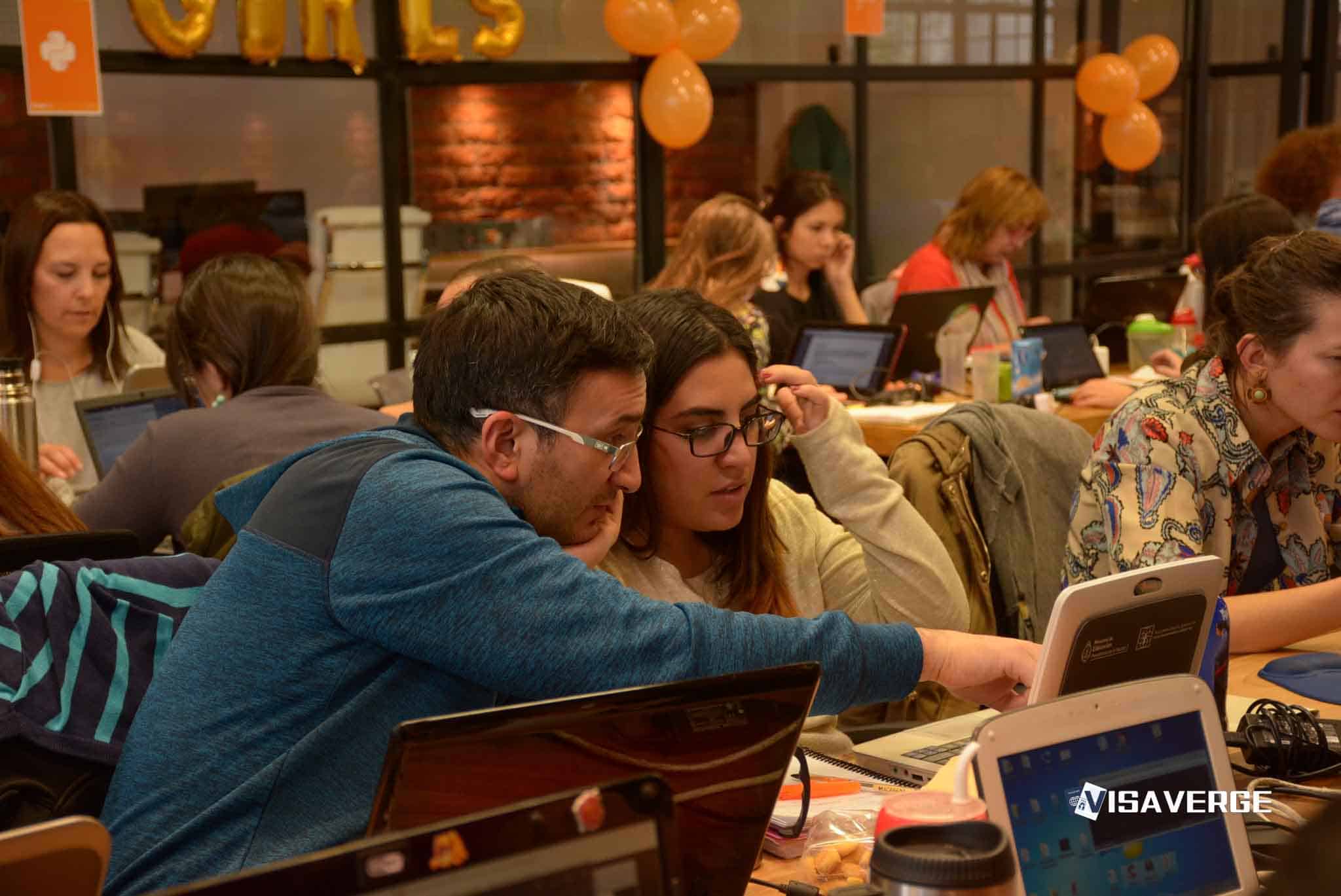
The new policy wave is tied to Trump administration actions that took effect on January 1, 2026, with additional vetting changes rolling out in March 2026 and April 2026. Visa revocations have topped 100,000 since last year, and universities are already reporting weaker international enrollment and growing pressure on their compliance systems. According to analysis by VisaVerge.com, the biggest shift is not one rule but the way several rules now work together.
Visa bans and screening now shape who gets in
The sharpest barrier is the expansion of travel bans and visa suspensions covering nationals from dozens of countries. Proclamation 10998, issued in December 2025, suspended visa issuance for nationals from 19 countries, including Afghanistan, Iran, Syria, and Yemen. It also added partial limits for countries such as Venezuela and Cuba. In parallel, broader restrictions now touch 39 expanded restricted countries, and applicants with dual nationality or a travel history tied to higher-risk countries face extra screening.
That matters most for F-1 and M-1 students, because those visas are the entry point to U.S. study. Even students who already hold valid visas are not fully protected. If they were born in, or recently lived in, a restricted country, they can still face tougher questioning at the border or at the consulate. For many families, the problem is simple: a student who planned to start classes on time now faces months of delay.
Consular processing has slowed as well. Interviews are being paused or canceled for applicants from countries under the new limits, and some cases now move through what officials call maximum vigilance review. That has pushed wait times to 6-12 months in some posts. For students trying to begin a semester, that delay can end a study plan before it starts.
Social media vetting reaches student visa files
The next pressure point is social media vetting. Starting March 30, 2026, the Department of State expanded online screening for F/M/J visa applicants. Students must now expect closer review of public social media accounts and online activity as part of enhanced vetting. The stated goal is security screening, but the practical effect is slower processing and more refusals where officers see posts they consider hostile or inconsistent with visa eligibility.
This change builds on earlier vetting used in other visa categories. It now reaches student cases in a much more direct way. Posts tied to restricted countries, political activism, or content officials view as suspicious can trigger extra review. For students, the risk is not only denial. A visa case can also sit in administrative delay while an officer checks digital history.
Over 100,000 student visas were revoked in 2025 alone, and many students saw their plans upended after cancellation. Some had already arrived on campus. Others learned they could not return after travel abroad. The pattern has made international students far more cautious about every trip, every post, and every consular interview.
For those waiting on visas, the U.S. Department of State’s visa information page remains the main official reference point for visa categories and consular processing.
SEVP enforcement reaches deeper into campus life
The third pressure point is SEVP enforcement. The Student and Exchange Visitor Program is run by ICE and tracks students in the SEVIS system. It covers about 1.1 million F and M students. Under the new enforcement posture, schools face more reporting demands, more audits, and more pressure to flag students quickly if officials question status or conduct.
Universities now worry about losing certification if they fail to meet reporting duties. ICE has also expanded use of 287(g) cooperation with local law enforcement, and the administration has linked funding pressure to schools it labels sanctuary-oriented. That has turned campus compliance into a live immigration issue, not just an administrative task.
The most troubling part for many students is the vague line between ordinary speech and risky conduct. Schools are being pushed to report students seen as hostile to American values, a standard that universities say chills speech and activism. Students who attend protests, post political content, or draw attention online may now face status checks that would have been rare a few years ago.
This enforcement climate also touches detention and removal. Students with expired I-20 documents or other filing mistakes have faced problems at ports of entry. For schools, the message is clear: reporting errors can bring federal scrutiny fast.
OPT, CPT, and the job bridge are under strain
The pressure does not end at graduation. OPT and CPT remain the main pathways for students to work in the United States after study. But the transition into employment has become harder. The administration’s H-1B changes include a $100,000 fee for offshore petitions and a wage-based lottery that favors higher-paying jobs. The Labor Department has also proposed wage increases that would hit entry-level roles hardest.
That matters because many students use OPT as a bridge to an H-1B filing. If employers hesitate because of cost or compliance risk, the bridge narrows. The result is more uncertainty for engineering graduates, researchers, and other students who planned to stay in the U.S. labor market.
Delays also affect work authorization timing. Social media checks can slow EAD processing, and some students face long waits before they can start or extend work after school. Students are still advised to file OPT 90 days before completion, because late filing leaves no cushion when processing drags.
Universities and employers feel the wider economic hit
The effects are showing up in enrollment data and campus budgets. International applications for fall 2026 are down 10-15% at some top universities, and early projections point to a 5-10% drop in total enrollment. For the 2024-2025 academic year, more than 1.1 million international students contributed about $43.8 billion to the U.S. economy and supported 378,000 jobs.
Cities that rely on student spending feel the loss first. Boston alone generated about $3 billion from tuition, housing, food, and retail tied to students. That spending supports landlords, restaurants, transport firms, and local workers. When students stop arriving, those businesses feel it quickly.
Other countries are moving in the opposite direction. Canada, Australia, the United Kingdom, and Germany are presenting faster or cleaner visa paths, and many students are paying attention. Once a student chooses another country for graduate school or research, that talent does not always come back.
Schools and employers are responding with more compliance training and earlier sponsorship planning. The official Study in the States site remains the main ICE resource for SEVIS rules, school reporting, and student status basics.