Key Takeaways
- The Indian community becomes New Zealand’s third-largest ethnic group, showing significant demographic growth and diversity.
- Auckland emerges as the most ethnically diverse city, influenced by rapid Indian and Asian population increases.
- These demographic shifts enhance cultural scenes, impact economies, and influence educational and political systems in New Zealand.
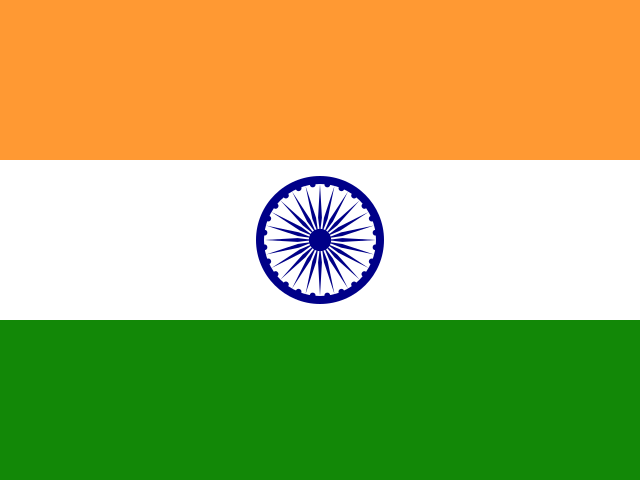
New Zealand ?? has experienced a remarkable demographic change, as the Indian community has now become the third-largest ethnic group in the country, overtaking the Chinese community. The 2023 Census reveals that 292,092 people identify as Indian, a 22% increase from 2018. Meanwhile, the Chinese community has 279,039 individuals. This development reflects the changing cultural and demographic landscape of New Zealand.
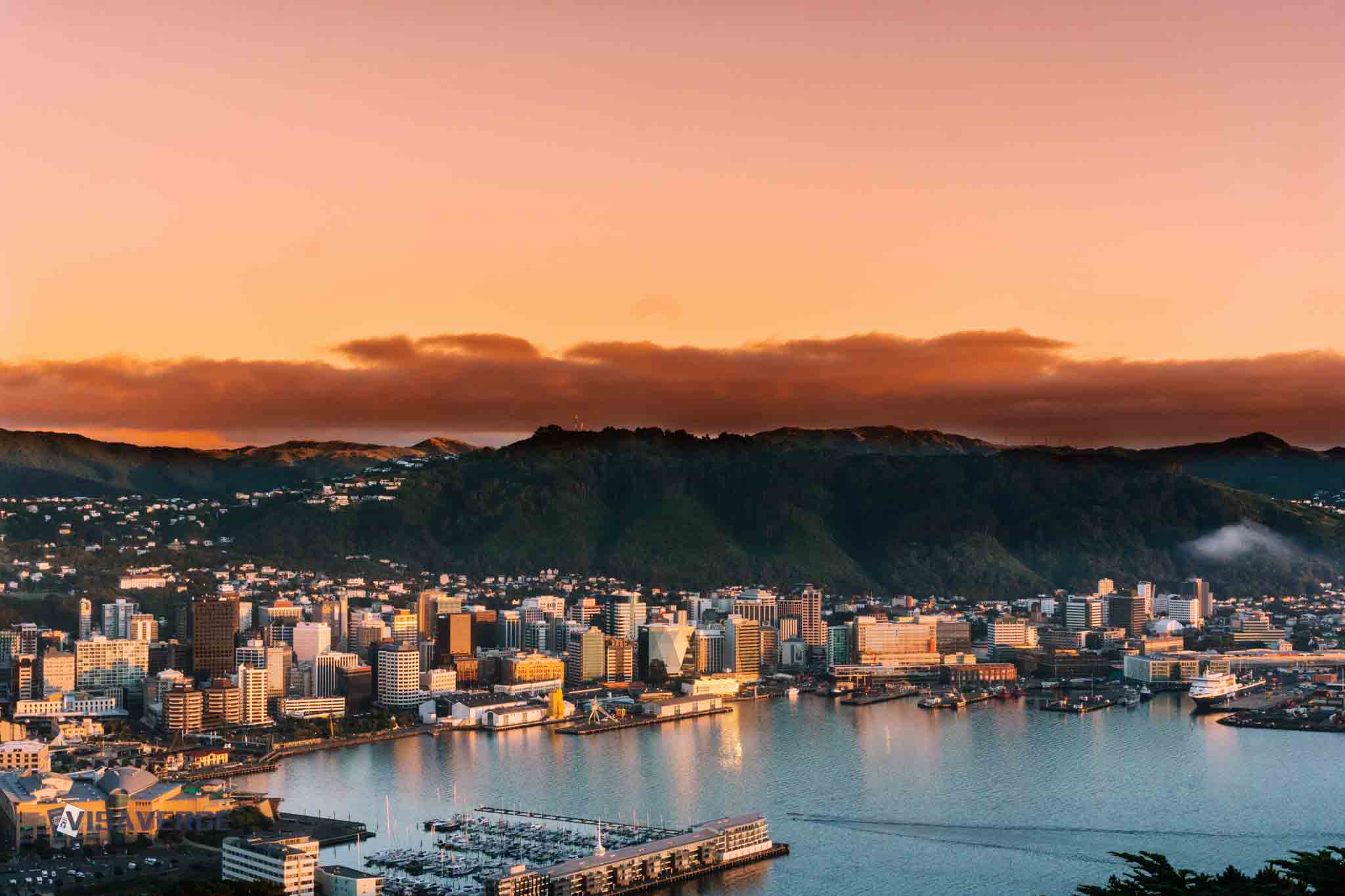
New Zealand’s largest ethnic group remains the New Zealand European, followed by the Māori. The rapid growth of the Indian community emphasizes New Zealand’s increasing ethnic diversity. Auckland, in particular, stands out as the most ethnically diverse area, with a notable portion of its population having Asian heritage.
This shift in demographic numbers will have various impacts on New Zealand communities and economies. As the Indian population grows, so does cultural diversity. This enriches New Zealand’s cultural scene with more festivals, a variety of cuisine, and unique traditions. Economically, the Indian community plays a significant role in sectors like retail trade, healthcare, and accommodation services, contributing to increased job creation and economic activities.
Language and education are also areas affected by this demographic change. Punjabi, a language spoken by many in the Indian community, is now one of the fastest-growing languages in New Zealand ??. This could influence education systems and lead to more language services being available.
Authorities and community leaders in New Zealand have recognized this demographic shift as a reflection of the country’s commitment to multicultural values. Emphasizing inclusivity, these leaders seek to ensure that all ethnic groups feel represented and integrated. Leaders from the Indian diaspora express optimism about their role in New Zealand’s socio-economic settings, focusing on balancing cultural heritage with integration into the larger society.
The demographic evolution aligns with broader immigration patterns in New Zealand. Since the mid-1980s, immigration policy changes have fostered a more diverse population. Part of a larger trend of migration from Asia, the growth of the Indian community has been essential to shaping contemporary New Zealand.
Looking ahead, this change could affect New Zealand’s societal frameworks in many ways. As ethnic communities grow in size, their influence on politics and policymaking may become more pronounced. Efforts to integrate diverse cultures while preserving their identities will be ongoing. Economically, businesses might customize their products and services to meet the needs of diverse communities, which could boost growth.
Public reaction to Asian immigration, including the rise of the Indian community, is generally positive, with many appreciating its benefits for cultural enrichment and economic boost. However, some voices stress the need for balanced integration strategies to enhance social cohesion.
Experts on demography note that such population changes offer economic opportunities through a youthful workforce but also bring challenges like fair resource allocation. New Zealand will need adaptive policies that not only embrace diversity but also manage potential social tensions.
In conclusion, the rise of the Indian population to its new status symbolizes a key moment in New Zealand’s demographic path. Though these changes bring opportunities, they also pose challenges that require careful attention from policymakers, communities, and citizens. For more information on New Zealand’s immigration policies, you can visit the official New Zealand Immigration website. Reports from VisaVerge.com highlight the significance of these trends in shaping New Zealand’s future.
Learn Today
Demographic: Statistical study of populations, especially with reference to size, density, and distribution.
Multicultural: Relating to or containing several cultural or ethnic groups within a society.
Diaspora: A scattered population whose origin lies within a smaller geographic locale; often refers to a group living outside its ancestral homeland.
Integration: The process of combining or incorporating different groups into a single societal framework while respecting individual identities.
Cohesion: The action or fact of forming a united whole, often referred to in terms of social solidarity.
This Article in a Nutshell
New Zealand’s Indian community, now the third-largest ethnic group, marks a significant demographic shift. Surpassing the Chinese, Indian New Zealanders enrich cultural diversity with vibrant festivals and economic contributions in sectors like retail and healthcare. This change spotlights New Zealand’s evolving multicultural landscape, shaping its future through enriched cultural and economic dynamics.
— By VisaVerge.com
Read more:
• Impact of New Zealand Visa Fee Increases on Indian Students
• New Zealand Visa Requirements for Disabled Travelers and Medical Conditions
• Comparing New Zealand Visa Requirements for Short-Term Study and Tourism
• Visa Requirements and Duration for New Zealand Business Visitors
• New Zealand Visa Guidelines for Medical Treatment and Proof of Funds