- A new policy mandates mandatory re-vetting and detention for refugees who haven’t obtained green cards within one year.
- The directive targets lawful refugees, linking green card processing delays to the risk of ICE arrest.
- Advocates argue the policy targets individuals in compliance with the law while court challenges emerge nationwide.
(TEXAS) — Refugees in Texas challenged a Trump administration policy that mandates detention and re-vetting of lawful refugees who have not obtained green cards one year after U.S. admission, a shift that immigration advocates and lawyers say links the green card deadline to the risk of an ICE arrest.
The directive, issued February 18, 2026, came in a memo signed by acting ICE Director Todd Lyons and USCIS Director Joseph Edlow and targets refugees who entered the United States lawfully and later sought permanent residency.
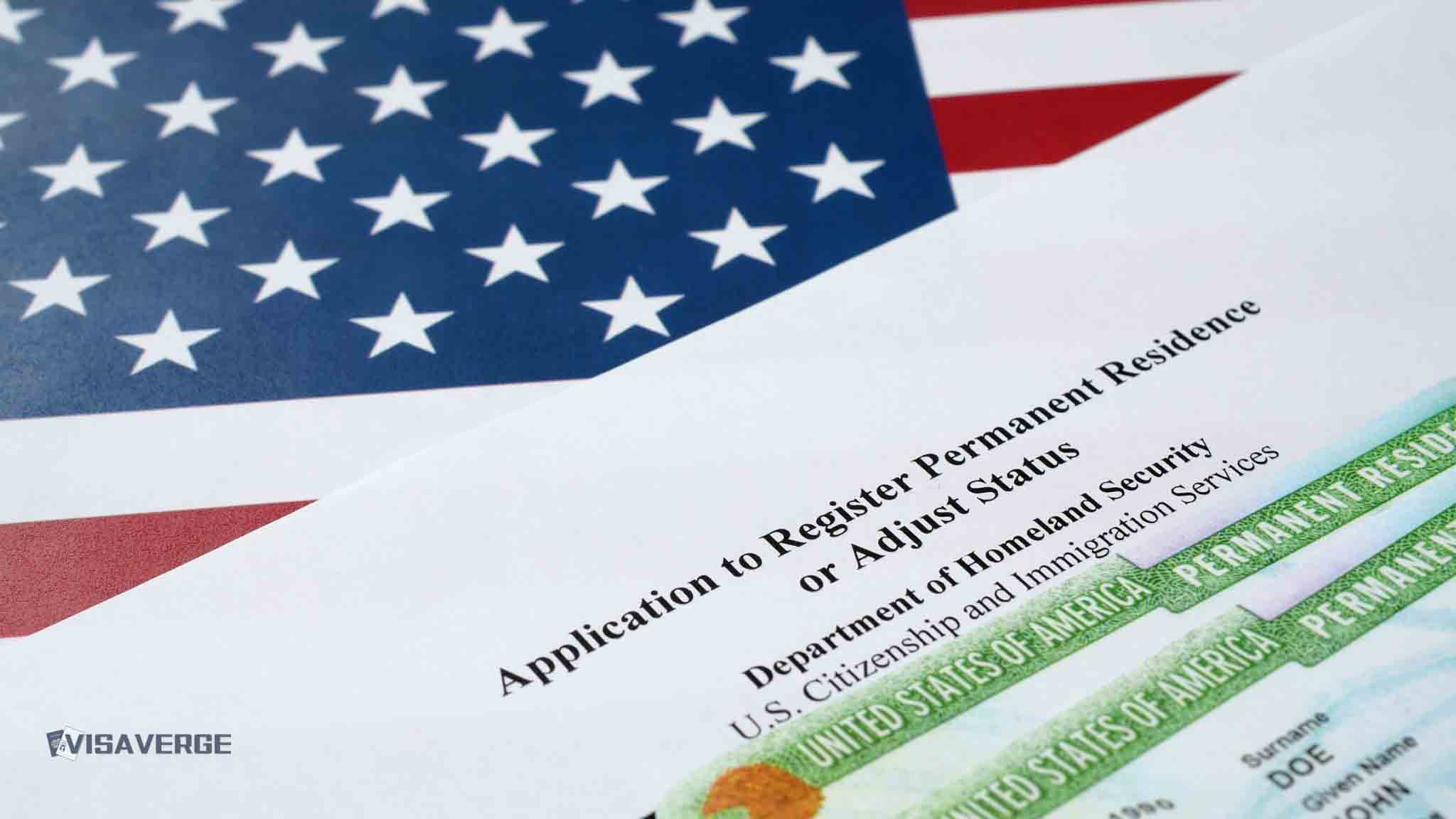
Under the memo, refugees must voluntarily appear for interviews at immigration offices or face ICE arrest and custody for case review, a process that can lead to status revocation and deportation if re-screening raises red flags.
Refugees admitted lawfully have long planned around the adjustment process set out in INA § 209(a), which allows them to apply for permanent residency via Form I-485 one year after arrival. The new approach treats the one-year mark as a “mandatory re-vetting point.”
That framing marks a reversal from prior ICE policy, which held that failing to adjust status within one year alone did not justify detention. Previously, ICE had 48 hours to decide on release or proceedings.
Texas has become a focal point because advocates and attorneys describe meeting the one-year expectation as practically out of reach for many refugees as USCIS processing delays stretch across the system.
The policy collides with a hold affecting pending refugee adjustment cases. All pending I-485 applications for refugees admitted between January 20, 2021, and February 20, 2025, are on hold, blocking green card issuance except possibly after re-interviews.
That combination leaves refugees who say they followed the standard adjustment path facing new friction: a case can sit pending while the one-year mark still triggers a re-vetting interview requirement backed by the threat of detention.
Even for those who already filed, the memo’s logic ties compliance to enforcement exposure. Refugees with filed I-485s who attend scheduled interviews “may” avoid arrest, but the same backlogs—now paired with heightened scrutiny and re-vetting—can extend timelines further.
Supporters of the policy inside the administration cast it as an enforcement correction rather than a new barrier. USCIS justifies the approach as “implementing law as written by Congress,” and argues it prevents “fugitive aliens. with zero oversight.”
Critics counter that the policy takes aim at refugees who have remained in contact with the government. Anwen Hughes, Senior Director of Legal Strategy at Human Rights First, called it an “outrageous decision to pull the rug out from under. people who have done everything the U.S. government has asked.”
Litigation is beginning to define where the policy can be used to make arrests, and those early court lines do not necessarily help refugees living in Texas. A Minnesota federal judge blocked refugee arrests under the policy in that state in a case tied to Operation PARRIS.
A separate class-action track, Svitlana Doe v. Noem, involves humanitarian parole beneficiaries challenging status revocations, with co-counsel planning to contest similar delegalization moves.
Geography matters because injunctions issued in one state do not automatically bind enforcement nationwide, and lawyers have pointed to circuit boundaries as shaping immediate exposure. In Texas’ Fifth Circuit, no binding precedent blocks enforcement as of now.
As lawyers parse what the memo means for day-to-day risk, refugees, attorneys and resettlement groups have focused on the narrow choices created by the interview-or-arrest structure. Many have emphasized confirming whether an I-485 is properly filed and pending, and tracking interview notices as cases move, pause, or restart.
Esther Sung, Legal Director at Justice Action Center, urged affected individuals to contact attorneys immediately and said options may shift post-January 14, 2026, Family Reunification Parole terminations.
Some cases could move again after re-interviews, depending on admission timeframe and screening outcomes, advocates and attorneys have said, even as the hold keeps many applications from reaching a normal decision timeline.
The policy’s public footprint remains limited compared with its practical effects on refugees who fear detention during routine check-ins. As of March 9, 2026, no EOIR, BIA, or USCIS Policy Manual updates confirm the approach, and the directive relies on the Lyons-Edlow memo submitted in federal court.
Hughes said the policy threatens people who believed they were complying with long-standing expectations, calling it an “outrageous decision to pull the rug out from under. people who have done everything the U.S. government has asked.”