- Refugees and asylees face tightened screening rules for green card applications under current policy shifts.
- Increased vetting focuses on social media reviews and fraud detection, extending wait times significantly.
- The delays create long-term uncertainty for families seeking travel freedom and permanent job security.
USCIS is still accepting green card applications from refugees and asylees, but the pace of decisions has tightened under tougher screening rules. That means many people who already won protection in the United States are waiting longer for permanent residence, even though they have already passed major security checks.
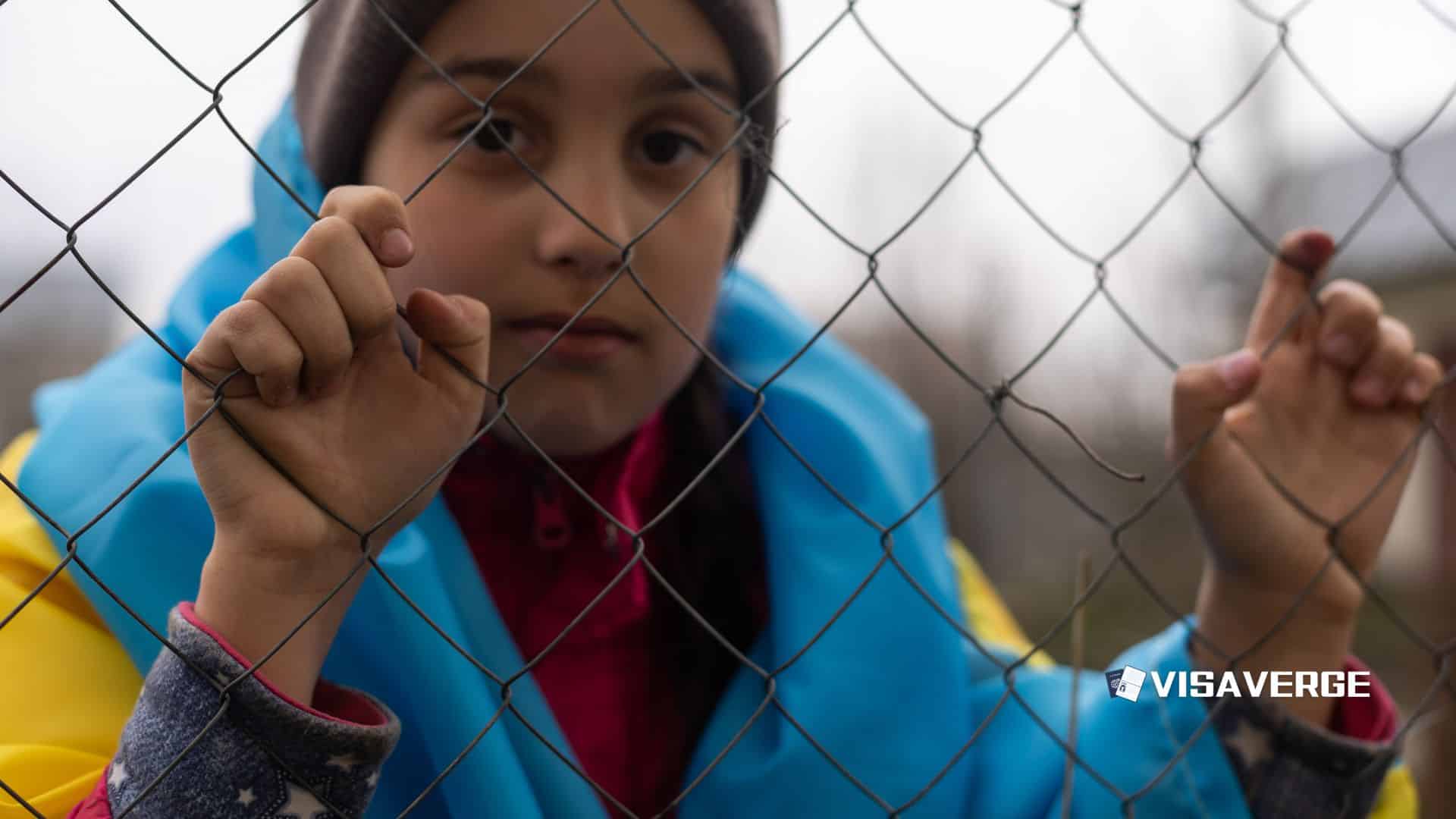
For refugees and asylees, the delay matters because a green card brings stability. It helps with travel, job security, and family planning. It also ends the long stretch of uncertainty that often follows flight from war, persecution, or political violence.
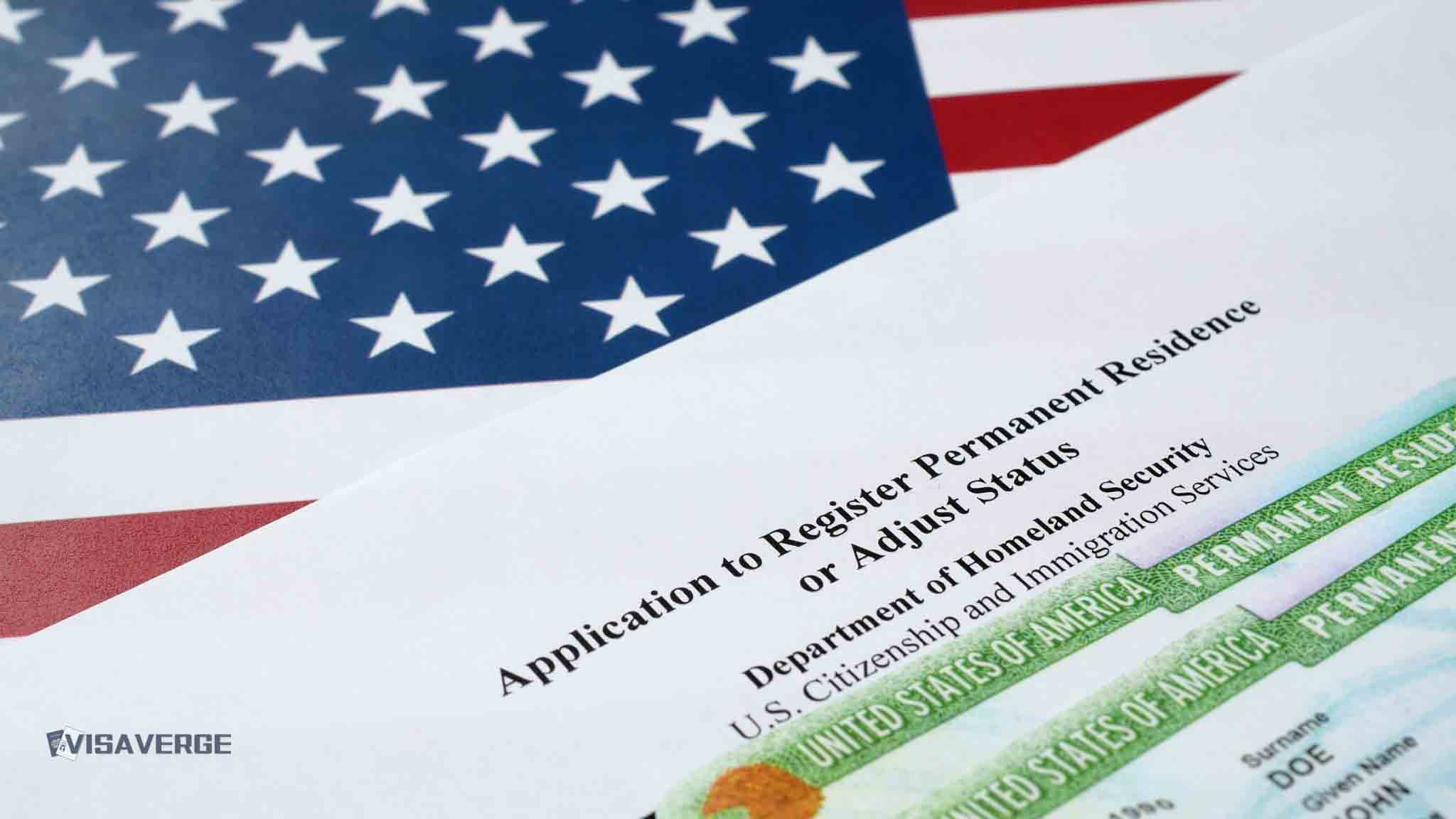
USCIS green card cases for refugees and asylees move through Adjustment of Status, the process used to apply for permanent residency from inside the United States. The main form is Form I-485, Application to Register Permanent Residence or Adjust Status. Applicants file it with supporting identity, status, and background documents.
Free toolCSPA Age-Out Calculator OnlineWhy the pace slowed
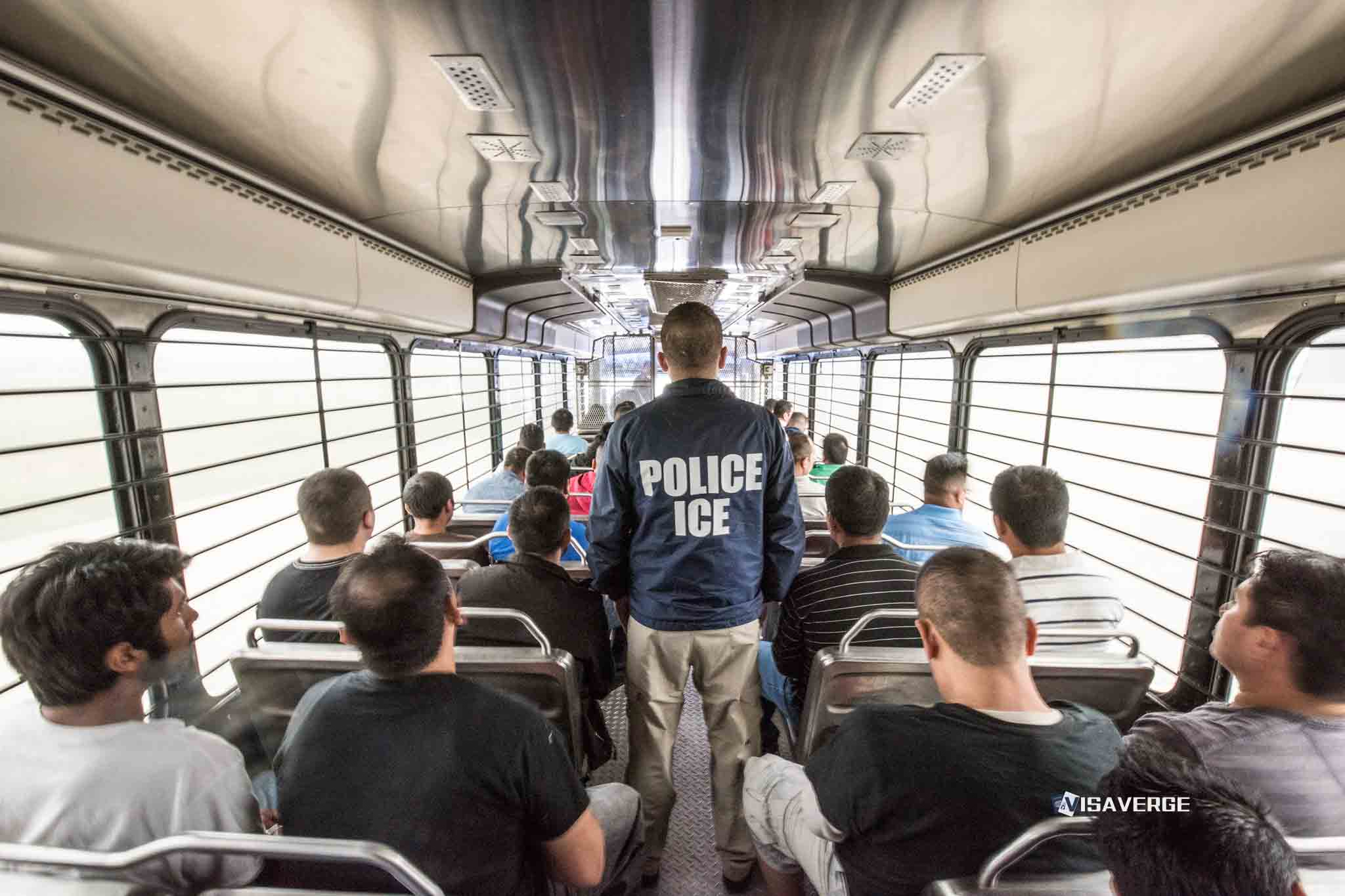
The policy shift comes from the Trump administration’s push for deeper vetting across immigration systems. Officials said the goal is to look harder for fraud and security risks. Department of Homeland Security said the pause aligns with two Trump executive orders that called for the “maximum degree” of vetting.
Those orders directed agencies to review screening practices across the government. One order focused on broad immigration screening. The other targeted criminal organizations, including Mexican cartels, as foreign terrorist organizations. DHS and USCIS framed the changes as a public safety measure.
That approach affects people who were already screened before they were admitted as refugees or granted asylum. Refugees undergo security checks, health screenings, and interviews before entering the United States. Asylees must show they face persecution if returned home. The new posture adds another layer on top of that process.
What USCIS is checking now
USCIS has used social media review for some immigration cases for years. Under the newer screening push, applicants for citizenship, green cards, and asylum may need to provide more social media details, including usernames or account handles. Officers then compare those accounts with application answers.
Officials say this helps verify identity and expose fraud. Critics say it slows cases and can lead to mistakes, especially when public online posts are taken out of context. That concern is strongest for people with no criminal record and no history of security problems.
How a refugee or asylee green card case usually moves
A refugee or asylee who is eligible for permanent residence files Form I-485 with USCIS. The agency then reviews the record, checks identity documents, and examines prior immigration history. It may also request biometrics, more evidence, or an interview.
A typical case moves through these stages:
- File Form I-485 with proof of refugee or asylee status.
- Attend biometrics, where USCIS collects fingerprints and photos.
- Respond to requests for evidence if the file is incomplete.
- Wait for a decision or interview, which can take longer under stricter vetting.
Each stage can take time. The exact wait depends on workload, security review, and whether USCIS asks for more documents. Because of the current pause for some cases, applicants should expect longer delays than normal.
What the pause means for daily life
A green card changes more than legal status. It also affects travel and family life. Many refugees and asylees want permanent residence so they can leave the country with less risk and plan family reunification more easily.
When a case stalls, people remain in limbo. Employers may be unsure about long-term staffing. Families may delay reunification plans. Community groups that support newcomers also face more pressure, because they often help with housing, jobs, and paperwork while people wait.
VisaVerge.com reports that the delay could push some people toward informal migration routes if legal paths feel blocked for too long. That risk grows when people believe the system no longer moves in a predictable way.
Why this matters for people already vetted
Refugees are one of the most screened groups in U.S. immigration law. Their cases often take years before entry. They must show danger linked to religion, race, politics, nationality, or similar grounds. Asylees must prove the same kind of fear after arriving in the United States.
That is why the current slowdown has caused such frustration. Many applicants already trusted a rigorous government process. The new delays leave them unable to reach a status that normally provides more security and a clearer future.
Other immigration groups feel the same pressure
The focus on vetting extends beyond refugees and asylees. Trump officials also paused immigration applications from some people who entered through Biden-era parole programs, saying those programs had loose vetting. The administration also told more than 500,000 migrants from countries such as Haiti ?? and Nicaragua ?? to self-deport within 30 days or face enforcement.
Those actions show a broader pattern. USCIS is putting more weight on security review across many case types, not just humanitarian protection cases. For applicants, that means more requests, more waiting, and less certainty about when a decision will arrive.
What applicants can do while a case is pending
People with pending refugee or asylee green card cases should keep their records current with USCIS. Address changes must be filed quickly. Missing mail can delay a request for evidence or interview notice. Applicants should also keep copies of every form, notice, and supporting document.
They should check case status through the USCIS case status portal and review their online account, if they have one. If USCIS asks for more information, the response deadline matters.
Travel also needs care. A pending case does not block every trip, but refugees and asylees should think carefully before leaving the United States without proper documents. Work authorization and travel permission rules remain separate from the green card case itself.
Where the policy sits now
DHS has called the pause temporary, but no public sign suggests a quick return to the earlier pace. The direction from USCIS is clear: more screening, more review, and more attention to potential fraud. That affects refugees and asylees now, even though they already passed intensive checks before getting protection.
For people waiting on green card applications, the practical reality is simple. Keep filing complete paperwork, monitor official notices, and expect a slower path to permanent residence. The government’s security-first approach is shaping the wait, and it is now part of the normal process for many humanitarian cases.