- ICE has intensified worksite raids in 2026, leading to over 1,000 arrests and $1 million in fines.
- Businesses face severe penalties for I-9 paperwork violations even if employees are legally authorized to work.
- Targeted industries include construction, restaurants, and manufacturing where hiring speed often leads to documentation errors.
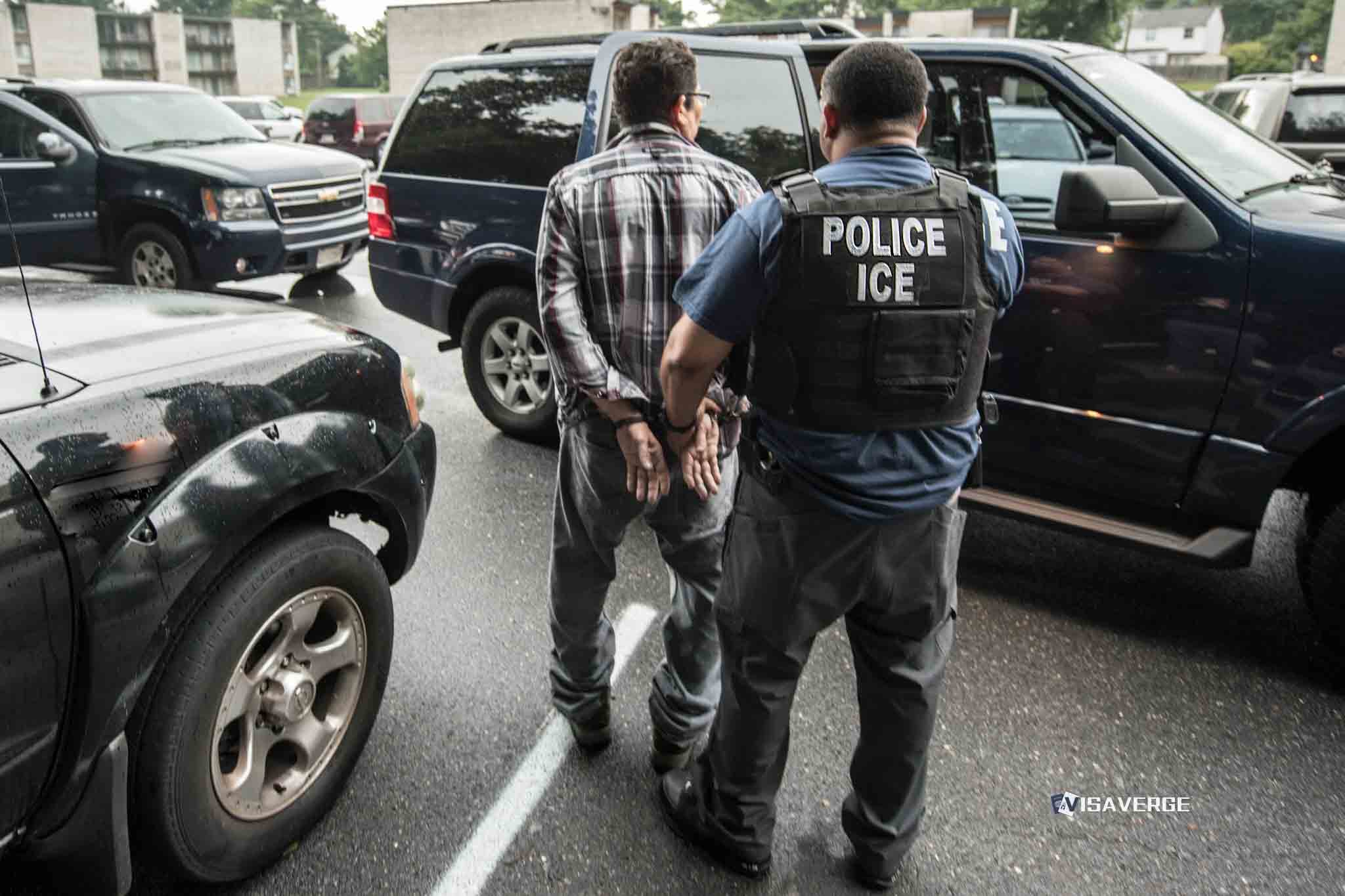
ICE worksite raids have intensified since January 20, 2025, and the pressure now reaches both undocumented workers and the businesses that hire them. Federal agents have arrested over 1,000 undocumented workers at job sites, while employer fines tied to hiring violations and I-9 paperwork violations have approached nearly $1 million. The enforcement push is broad, fast, and built to catch mistakes early.

For workers, the risk is immediate arrest and removal. For employers, the risk is financial, operational, and public. According to analysis by VisaVerge.com, the current campaign is not a one-time surge. It is a systemwide shift in how immigration law is enforced inside workplaces.
ICE’s new enforcement path from inspection to arrest
ICE now works on several fronts at once. Surprise workplace visits remain the most visible part. Agents arrive without warning, ask for employee records, and compare workers on-site with payroll and identity files. They also use administrative audits, which let them review hiring records in detail and spot patterns that suggest unauthorized employment.
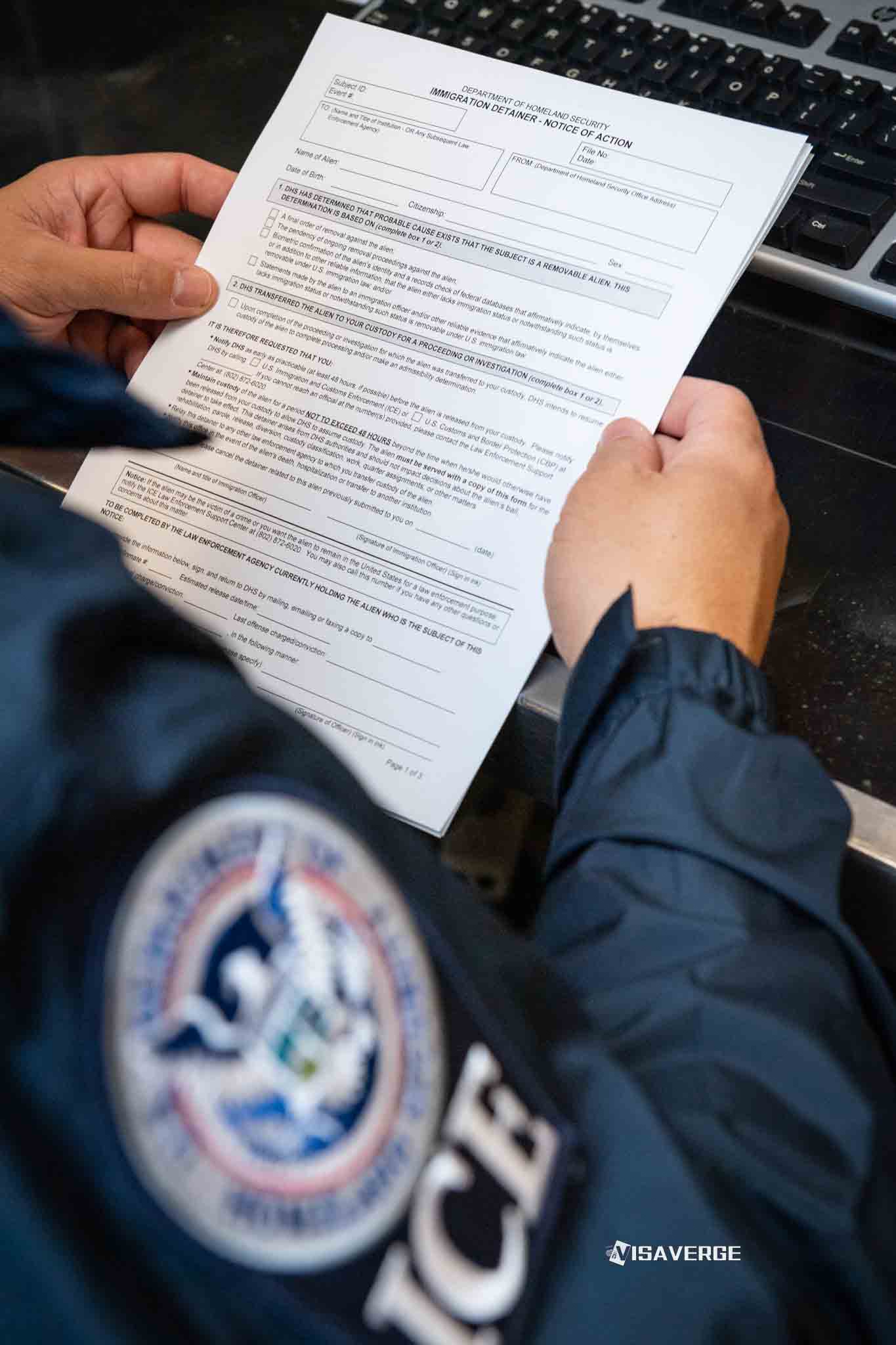
The I-9 form sits at the center of this effort. Employers use Form I-9 to confirm identity and work authorization. ICE reviews these forms closely for missing signatures, bad dates, incomplete sections, and documents that do not match records. Even when a worker is authorized, a bad form can trigger employer fines.
Homeland Security Investigations, the ICE investigative unit, has asked for business records from around 1,200 companies since January 2025, according to acting HSI director Robert Hammer. That number shows how far the net has widened. It is no longer limited to high-profile raids. It now includes paperwork checks, record sweeps, and repeated visits.
The industries under the most pressure are construction, restaurants, supermarkets, manufacturing, agriculture, staffing firms, and critical infrastructure. These sectors rely on large workforces and fast hiring. That makes them easier to audit and harder to keep fully compliant if records are weak. One Louisiana operation led to 11 arrests. A Pennsylvania case led to four. New Jersey saw 16 arrests in one action.
Employer fines that turn paperwork into a costly problem
The money side of this campaign is just as serious as the arrests. Employers who knowingly hire undocumented workers face fines of up to $5,724 per employee. Employers with serious I-9 paperwork violations can face up to $2,861 for each form with major errors or missing information. Those penalties apply even when the worker is authorized.
That strict approach changes the risk calculation for every company with a large workforce. A few bad forms can become a large bill. A pattern of problems can become a criminal case. Companies that repeatedly break immigration laws also face possible criminal charges, including prison time for officers and executives.
Hammer said HSI has proposed nearly $1 million in total fines so far. That figure matters because it shows enforcement is not limited to one region or one industry. It is a nationwide compliance campaign.
Businesses now need clean hiring files, trained HR staff, and careful tracking of expiration dates. They also need internal audits before ICE arrives. A missed document, a late reverification, or a copied form with the wrong date can lead to costly trouble. E-Verify helps, but it does not replace I-9 review.
Step-by-step timeline for a workplace case
A workplace case usually moves through four stages. Each stage brings a different risk.
1. ICE identifies the target. Agents may act on tips, complaints, record analysis, or intelligence from another agency. Random visits also happen.
2. ICE enters the site or requests records. Agents may arrive in person or send an audit notice. Employers should ask for proper identification and review the scope of the request.
3. ICE compares records and workers. This is where I-9 paperwork violations appear. Missing forms, altered documents, and mismatched records draw attention fast.
4. ICE issues fines, detainers, or arrests. Employers may receive penalty notices. Workers without authorization may be arrested during the operation or soon after.
For workers, the timeline is shorter. A raid can lead to detention in minutes. For employers, an audit can stretch over weeks, but the result can still be severe.
Why the pressure is rising beyond the workplace
The workplace campaign sits inside a much broader enforcement shift. USCIS created a new Vetting Center in December 2025 to centralize enhanced screening. The Department of State expanded online presence screening for additional visa categories beginning March 30, 2026. H-1B and H-4 applicants now face enhanced social media and online presence checks.
Work authorization periods have also shortened, in some cases from five years to as little as 18 months. That means more renewals, more document checks, and more chances for a lapse. Employers that once reviewed paperwork once every few years now need tighter calendars and faster follow-up.
An indefinite pause on immigrant visa issuances for nationals of roughly 75 countries, effective January 21, 2026, also narrows legal pathways. The State Department has said the pause applies to family- and employment-based immigrant visas. Expanded travel restrictions, total visa suspensions for nationals of 19 countries, and other entry limits deepen the strain.
VisaVerge.com reports that the result is a dual squeeze: tougher enforcement against unauthorized work and tighter limits on legal immigration at the same time.
What employers must have in place before ICE arrives
- Use the correct I-9 form for every new hire.
- Review identity and work authorization documents in person.
- Keep completed forms for three years after hire or one year after employment ends, whichever is longer.
- Track every work authorization expiration date.
- Train HR staff to spot missing information and altered documents.
- Run internal audits before ICE does.
- Keep copies organized and easy to retrieve.
- Cooperate with lawful requests, but do not destroy or hide records.
Employers who find old mistakes should correct them quickly and keep a clear record of the fix. Voluntary cleanup does not erase all liability, but it helps show good faith.
What workers face when raids hit a job site
Undocumented workers face the highest risk in ICE worksite raids. Arrest can happen on the spot, and removal proceedings often follow. Workers in targeted industries also report fear, missed shifts, and pressure to stay away from work even before any raid happens.
Documented workers feel the effects too. Some lose hours when employers become cautious. Others worry about document checks, especially if they work in factories, fields, kitchens, or warehouses with mixed-status crews. Asylum seekers face added delays because processing pauses slow work authorization.
Workers also have rights during enforcement actions. They may remain silent and refuse consent to searches of personal belongings or vehicles without a warrant. That is a hard standard to use in a tense moment, so many advocates tell workers to keep a “know your rights” card nearby.
The larger economic effect is already visible. Agriculture, food processing, construction, and hospitality all rely on immigrant labor. When those workers disappear, schedules break, costs rise, and customers feel it.
The government’s immigration focus is now clear: more vetting, faster enforcement, and heavier penalties. For employers, that means document discipline is no longer optional. For workers, it means every job site carries more risk than it did a year ago.