Key Takeaways
- ICE’s Chester County operation targeted undocumented immigrants with criminal convictions, leading to 44 arrests over a five-day period.
- The Criminal Alien Program facilitated enforcement, raising concerns about its broad scope, including arrests of individuals without criminal records.
- Community tensions highlight challenges balancing immigration enforcement with trust, safety, and the well-being of local immigrant populations.
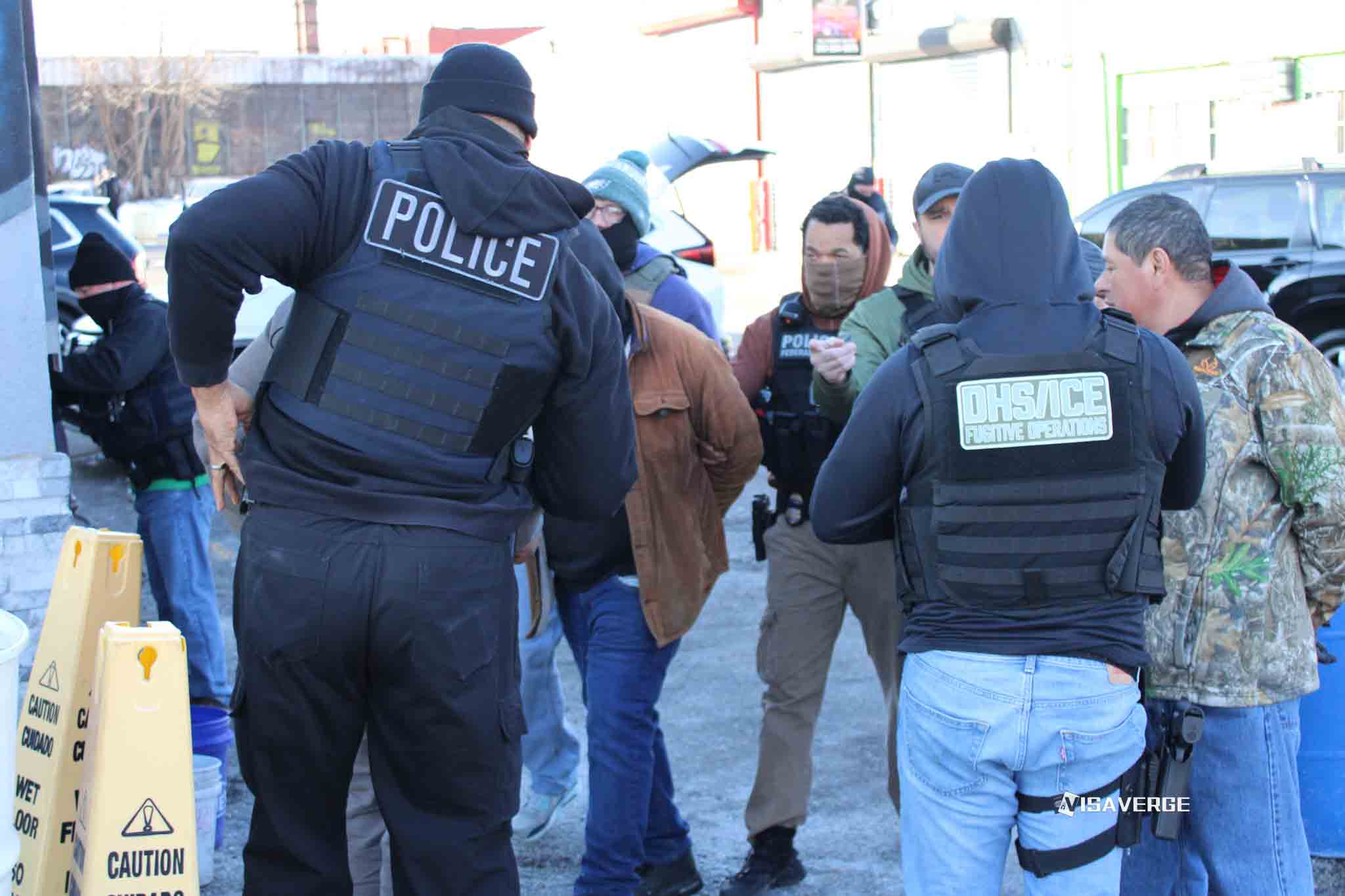
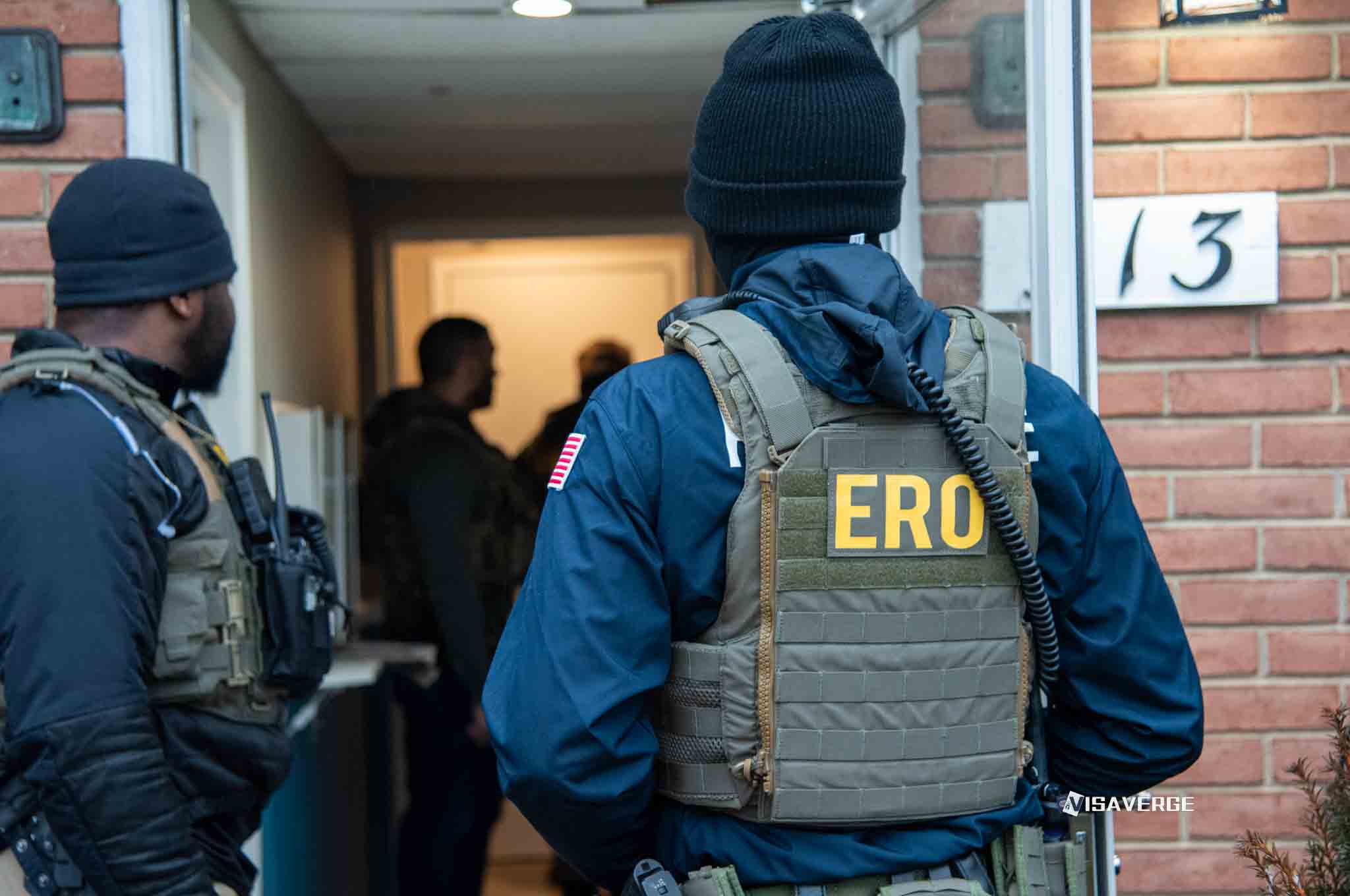
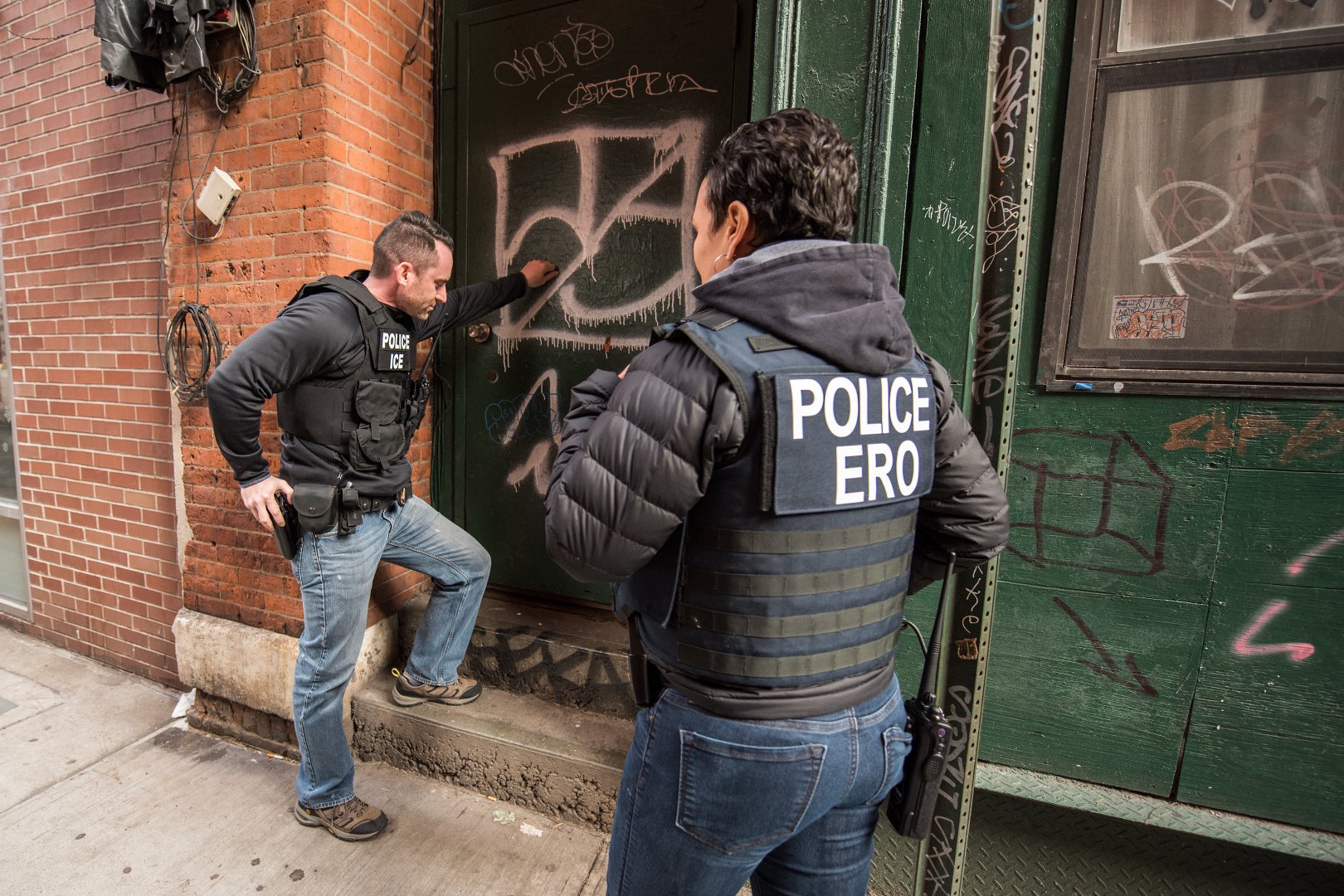
U.S. Immigration and Customs Enforcement (ICE) has conducted a focused enforcement operation in Chester County ??, Pennsylvania, leading to several arrests of undocumented immigrants. This operation, carried out by ICE’s Enforcement and Removal Operations (ERO) in Philadelphia, specifically targeted individuals who have criminal convictions and are violating U.S. immigration laws. The operation, which spanned five days, ran from January 24 to January 28, 2025, and included efforts across both Pennsylvania ?? and Delaware ??, with noteworthy arrests articulated for Chester County.
Thomas Decker, the field office director for ICE’s Philadelphia ERO, explained the motivation behind the operation, stating, “The Philadelphia Field Office makes a priority of identifying, locating and removing those who have committed crimes in our communities.” He emphasized that individuals in violation of immigration laws remain subject to removal, pending an appearance before an immigration judge. Among those arrested in Chester County was a Mexican national who had previously been convicted of simple assault in Chester County’s Court of Common Pleas. This individual had also been convicted of offensive touching in the New Castle County Family Court and had served a two-year jail sentence. Following the recent arrest, they were transferred to ICE custody to await removal proceedings.

The Scope of the Enforcement Operation
Across the five-day operation, ICE officers detained 44 individuals: 21 with criminal convictions and 23 for immigration law violations. These arrests reveal the dual objective of ICE efforts—targeting those with criminal records while addressing broader immigration violations. While the details for Chester County’s exact arrest numbers weren’t specified, one arrest in Chester County highlighted those with criminal records as a significant focus of the mission.
The offenders arrested during the operation were held accountable for crimes such as assault, theft, possession of child pornography, drug possession, driving under the influence, trespass, and other offenses. Two of the detainees had reentered the country illegally after deportation, while others were facing pending criminal charges at the time of their arrest. Despite the operation targeting individuals with criminal backgrounds, most arrests under broader immigration laws have brought forward significant discussions about the approach ICE employs.
ICE’s Criminal Alien Program and Support Systems at Work
This operation was heavily backed by the Criminal Alien Program, a vital ICE initiative aimed at identifying, arresting, and arranging deportation for individuals with significant criminal histories or outstanding deportation orders. The Criminal Alien Program took the lead in ensuring that those targeted had records of criminal conduct or violations, facilitating targeted enforcement. Additionally, assistance from the Fugitive Operations Support Center (FOSC) in Williston, Vermont, played a key role. The FOSC, created in 2006, conducted exhaustive database searches, ensuring accurate information regarding criminal records for each targeted individual. These efforts help maintain the integrity of ICE’s detention and removal practices nationwide.
Broader Context and Concerns for Immigrant Communities
This enforcement action is part of the Department of Homeland Security’s larger plan to address individuals deemed threats to public safety or who have violated U.S. immigration law. Statistics from ICE indicate that similar strategies were responsible for the removal of 136,126 criminal aliens in 2024 alone. However, enforcement operations like the one in Chester County have often raised concerns from immigrant advocacy groups and local communities, which fear the broader consequences of such actions.
For instance, local advocacy groups have pointed to increased anxiety among undocumented immigrants, who may be swept up in these raids despite lacking criminal histories. After the ICE raid at a North Philadelphia car wash earlier this year, which led to seven arrests, immigrant community leaders raised alarms about the methods and implications of widespread enforcement. History shows that mistrust between immigrant communities and enforcement agencies isn’t new. A similar event in 2017, involving raids at a Chester County farm, fueled years of community pushback and legal battles to prevent deportations. The current operation similarly struck sharp emotions, reigniting conversations around the challenges communities face during sweeping immigration enforcement actions.
Impact on Chester County’s Immigrant Community
The arrest of a Mexican national with a criminal record in Chester County speaks directly to ICE’s stated aim of taking action against those with criminal convictions. Yet, it is crucial to note that arrests of individuals without criminal backgrounds—in this case, 23 of the total 44 detained—cast a wider scope on such targeted operations. For immigrant residents of Chester County living without legal documentation, the possibility of being detained, even without criminal charges, contributes to fear and uncertainty.
Operations of this nature can lead to significant alterations in the community. Undocumented families, fearing ICE actions, may avoid accessing local resources or interacting with public services altogether. Businesses that employ undocumented workers might also become wary of potential targeting, thereby altering work routines or community relations. Meanwhile, individuals, irrespective of legal status, often feel the broader weight of these raids, as they ripple throughout communities by creating spaces of mistrust.
Balancing Enforcement with Community Needs
ICE has maintained that actions like the Chester County enforcement operation are necessary to remove individuals deemed dangerous to public safety. The agency’s accountability to immigration law remains a driving force behind its work; however, the legal and humanitarian implications of widespread enforcement actions remain heavily debated. Arresting individuals who solely violated administrative immigration rules—meaning they have no criminal records—has become one of the more contentious parts of ICE’s approach to such operations. Critics argue such arrests could isolate delicate community networks, reduce trust in local law enforcement cooperation, or prompt significant disruptions for families and workplaces.
Beyond Chester County, Pennsylvania’s immigrant communities as a whole have expressed growing concerns about ICE’s execution of its Criminal Alien Program and similar enforcement operations. While ICE emphasizes that enforcement targets those seen as threats to public safety, immigrant advocacy organizations argue this approach casts too broad a net, diminishing many people’s sense of protection in their local communities.
Future Implications and Next Steps
Cases like the Chester County operation reflect the complexity of executing federal immigration policy in local settings. While criminal aliens—those with criminal convictions—are the focus, numbers show that individuals without criminal records often outnumber those involved in felonies or violent crimes during these operations. These actions contribute to a larger debate about balancing national security and immigration law enforcement with the dignity and rights of individuals in immigrant communities.
Moreover, the harsher elements of these operations may inadvertently challenge the cooperation required for community safety. Undocumented residents may become more hesitant to report crimes or cooperate with local law enforcement due to fear of being scrutinized by federal authorities. As ICE continues its broader goals of targeting criminals through programs like the Criminal Alien Program, these questions will persist.
Final Thoughts
The Chester County enforcement operation executed by ICE reflects a concentrated attempt to remove individuals with criminal records or those violating immigration laws. The details speak to an intricate network underpinning the success of initiatives like the Criminal Alien Program. At the same time, tensions between enforcement goals and community well-being continue to surface. Arrests of individuals without criminal records raise concerns about the broader reach and lasting effects of these efforts on immigrant communities.
Discussions on immigration policies will play a pivotal role as communities, lawmakers, and advocates work toward solutions that respect both public safety concerns and the values of fairness and humanity. To learn more about ICE’s policies or related enforcement operations, visit the official ICE Enforcement and Removal Operations page here. As reported by VisaVerge.com, ensuring that immigration discussions remain balanced, accurate, and up-to-date is vital as these critical matters unfold in areas like Chester County and beyond.
Tensions surrounding enforcement actions like this will likely persist, leaving debate about their impact a matter for ongoing legal and social evaluation. The question remains: how do communities, local governments, and federal agencies ensure safety without compromising the well-being and trust of local residents?
ICE arrests escalate in Chester County immigration crackdown
ICE conducted a five-day enforcement operation in Chester County, PA, last week, resulting in the arrest of several undocumented immigrants, including individuals with criminal convictions.
Why it matters:
The operation is part of a broader federal crackdown targeting individuals identified as threats to public safety. However, it has stirred anxiety within immigrant communities and raised concerns from advocacy groups about the broader implications of such actions.
The big picture:
– The operation, led by ICE’s Enforcement and Removal Operations (ERO), spanned January 24-28 and included arrests in both Pennsylvania and Delaware.
– In total, 44 individuals were arrested, with 21 having prior criminal convictions.
– Crimes associated with those arrested included child pornography possession, assault, theft, drug offenses, and trespassing.
By the numbers:
– 23 individuals had no criminal records but were arrested solely for immigration law violations.
– ICE reported a record 136,126 criminal aliens removed from the U.S. last year as part of its broader enforcement strategy.
What they’re saying:
Thomas Decker, Philadelphia Field Office Director for ICE, said, “The priority is identifying and removing those who have committed crimes in our communities.” He added that all arrests will be subject to review before an immigration judge.
State of play:
– ICE’s Fugitive Operations Support Center conducted thorough database verifications to identify targets.
– This operation highlights the Department of Homeland Security’s focus on increasing the efficiency of targeting criminal aliens for removal.
Yes, but:
– Advocacy groups argue enforcement actions can sweep up individuals with no criminal convictions, heightening fear in immigrant communities.
– The arrest of 23 non-criminal undocumented individuals raises questions about the operation’s scope and its alignment with stated priorities.
Between the lines:
Advocacy groups point out that similar ICE actions in the past—such as arrests at a Chester County farm in 2017—have led to prolonged legal battles and mounting fear within immigrant populations.
The bottom line:
While ICE emphasizes public safety as the aim, the arrests in Chester County again ignite debates over the reach and consequences of federal immigration enforcement. For undocumented residents and their communities, these operations underscore an enduring tension between security policies and humanitarian concerns.
Learn Today
Criminal Alien Program: An ICE initiative to identify, arrest, and deport individuals with criminal records or outstanding deportation orders.
Enforcement and Removal Operations (ERO): A division of ICE responsible for detaining and deporting individuals who violate U.S. immigration laws.
Pending Removal Proceedings: The legal process where an immigration judge determines whether an individual should be deported from the United States.
Fugitive Operations Support Center (FOSC): An ICE unit conducting extensive research to track individuals with criminal records or deportation orders.
Undocumented Immigrants: People living in a country without legal permission or proper documentation, often subject to deportation actions.
This Article in a Nutshell
ICE’s recent Chester County operation highlights the tension between enforcing immigration laws and community impact. Targeting individuals with criminal convictions, the five-day action arrested 44 people, sparking debate. While ICE emphasizes public safety, critics argue broader detentions erode trust and create fear. Balancing enforcement with community well-being remains a critical challenge for policymakers.
— By VisaVerge.com
Read more:
• Indian Woman Arshia Joshi Dies in Pennsylvania Car Crash
• Trump Signs Laken Riley Act to Strengthen Immigration Enforcement
• States Sue Over Trump’s Birthright Citizenship Ban
• Indian-Origin Mahendra Darbar Arrested for Elderly Fraud in USA
• Judge Rules in Favor of Treez Inc. on H-1B Visa Case