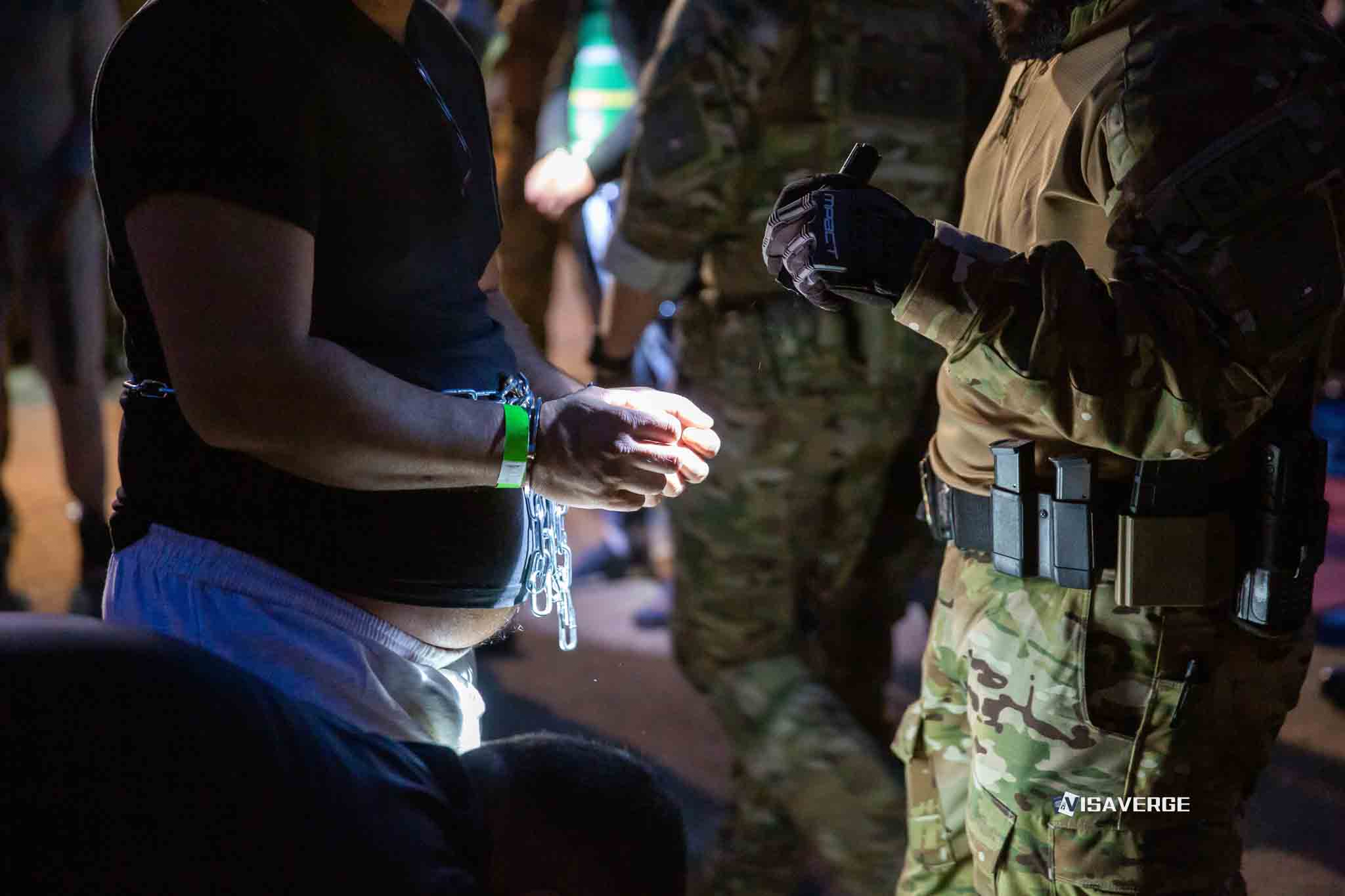
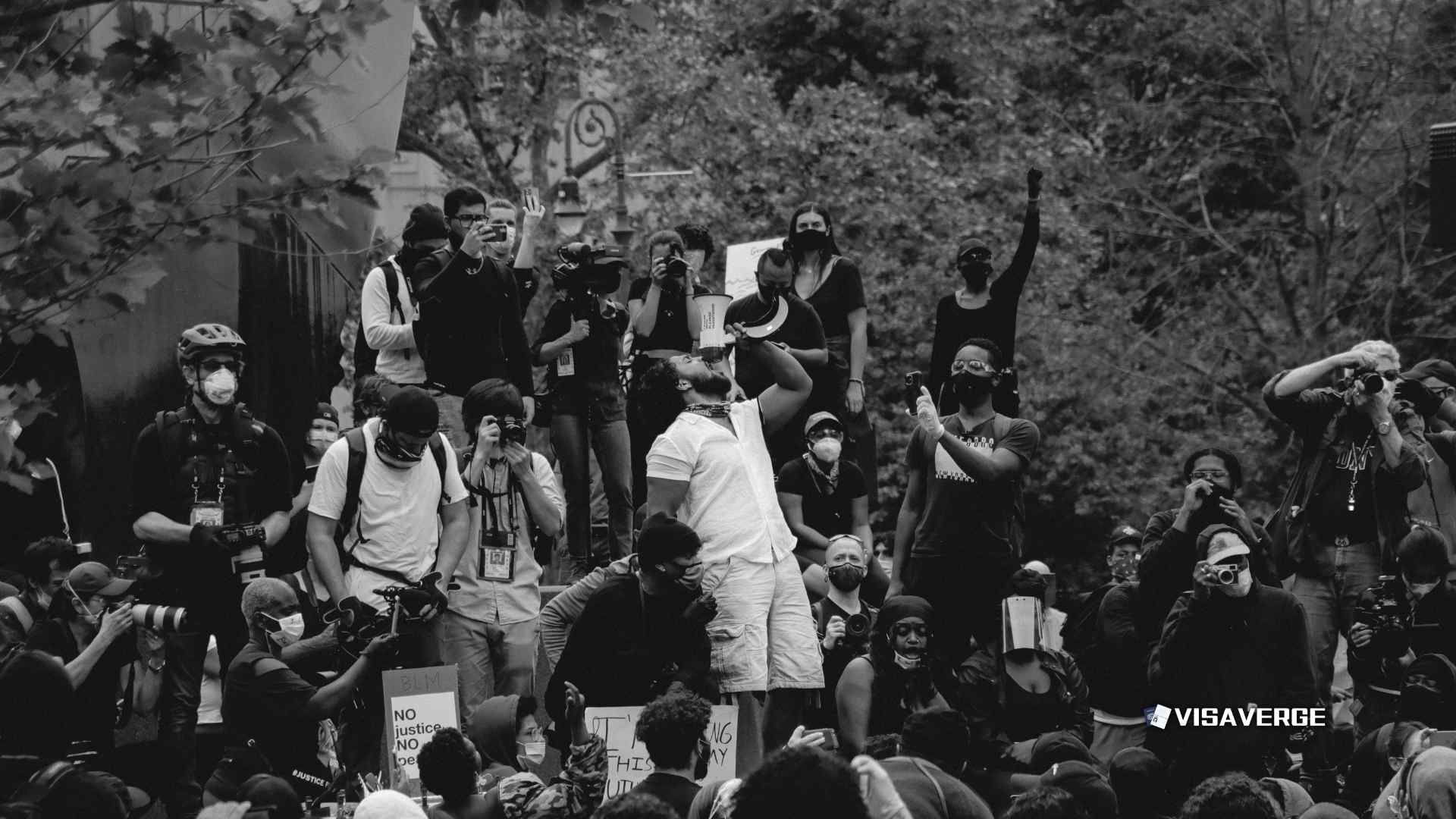
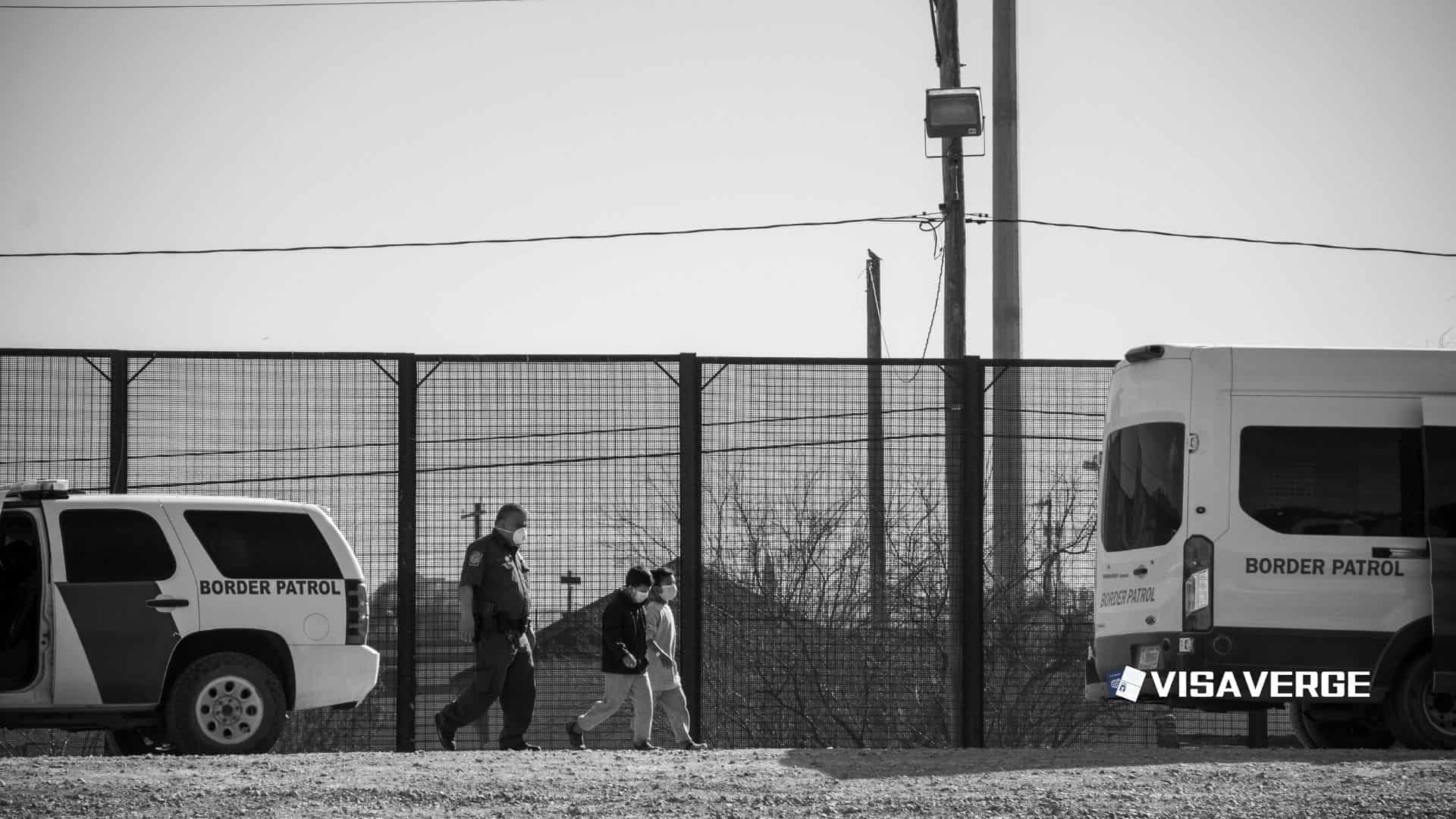
(LOS ANGELES, CALIFORNIA) Whistles, sirens, and raised voices are slowing federal immigration arrests across the city this summer, turning everyday street noise into an improvised alarm system that alerts residents before teams arrive to conduct removals. The on-the-ground tactic, which surged during mass operations in 2025, has added new friction to LA deportation efforts, with community members acting as informal first responders and buying crucial minutes for people targeted by Immigration and Customs Enforcement to move to safety or seek help.
How the audible alert system works
Organizers describe a simple chain reaction: someone spots an enforcement team, blows a whistle or triggers a siren sound from a phone or car, then others repeat the signal down the block. Neighbors shout warnings in multiple languages and call friends nearby.
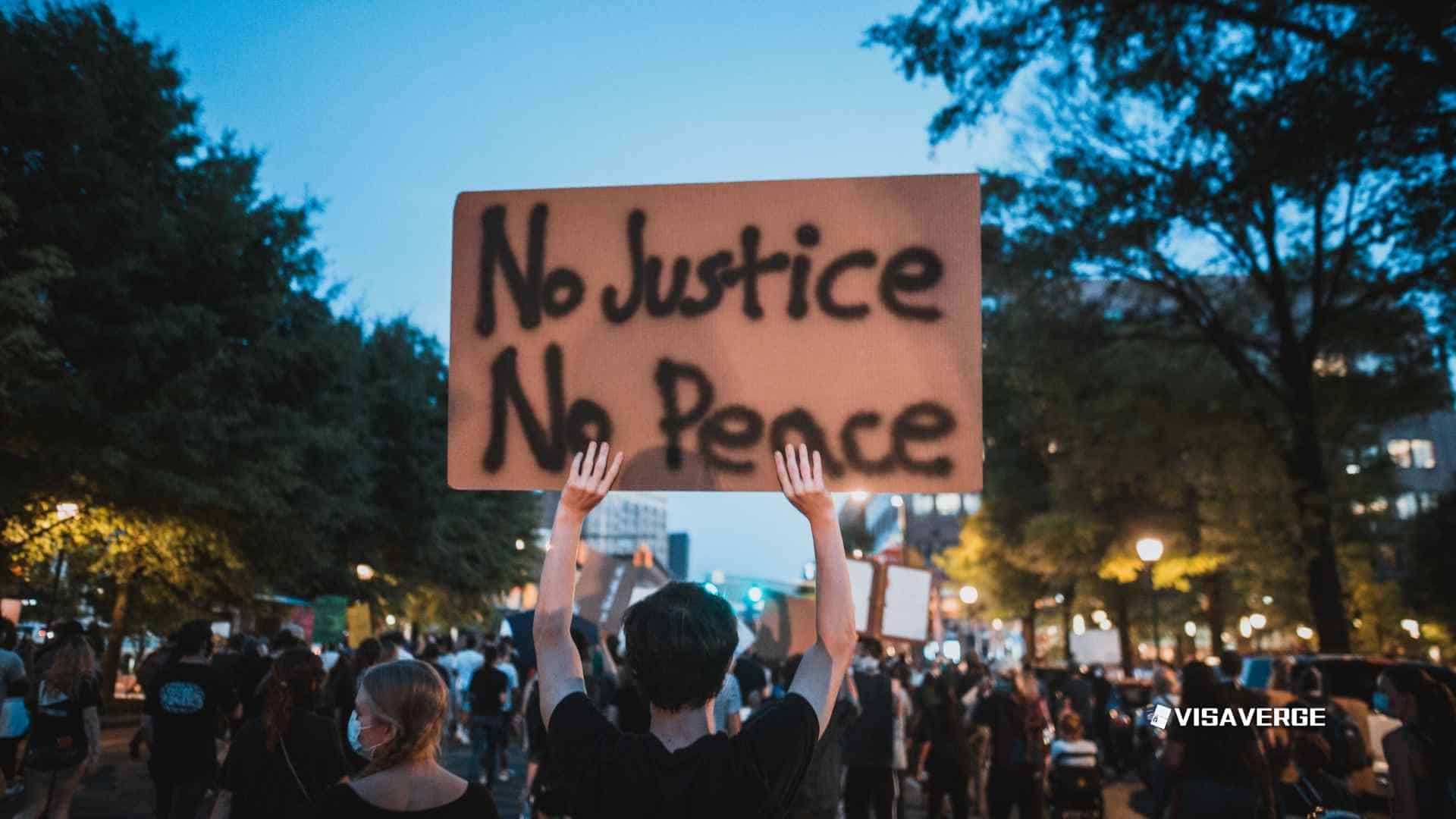
The signals are intentionally loud and simple so they cut through traffic noise and reach people before doors are knocked on. The effect is to disrupt rapid arrest sequences that rely on surprise and precise timing. As one volunteer put it at a weekend gathering, the goal is to “slow the machine,” and the method’s power lies in how quickly it scatters across dense neighborhoods.
Free toolUSCIS Receipt Number DecoderTimeline and escalation in June 2025
The rise of audible alerts coincided with heightened activity by immigration teams and mass deportation raids in Los Angeles during 2025. That surge sparked large protests and civil resistance starting in June 2025, as crowds began gathering outside staging areas and detention facilities soon after word spread of planned sweeps.
- On June 6 and June 7, 2025, mobilization reached a sharper edge.
- Demonstrators converged around Department of Homeland Security staging areas and rallied outside detention centers.
- The presence of crowds slowed arrests and prompted tense standoffs with law enforcement.
Organizers say that weekend confirmed their earlier suspicion: when crowds assemble quickly, officers must manage perimeters and transport in public view, which extends timelines and reduces arrest totals. The combination of whistles on nearby streets and massed voices outside facilities created a feedback loop—field teams faced delays, demonstrations grew, and each delay fed the next gathering.
When crowds assemble quickly, officers must manage perimeters and transport in public view, which extends timelines and reduces arrest totals.
Rapid communication networks and their effects
Beyond curbside warnings, residents now rely on rapid communication networks that move news about sightings from one block to another in minutes. The signals are loud and simple so alerts can spread even when phones are down or messages lag.
- People who hear a siren-like blast or sharp whistle bursts know agents may be nearby.
- They pass the signal along so potential detainees can:
- stay indoors,
- avoid certain streets, or
- contact a lawyer.
Volunteers emphasize that every minute officers spend searching for a person who is not present is a minute that slows the broader LA deportation push.
Documentation, court monitoring, and legal follow-through
Documentation has become part of the resistance. Activists and volunteers follow enforcement activity with cameras and notepads, logging locations, times, and outcomes. In court, volunteer monitors sit through hearings to track patterns.
Court Watch groups report:
- Observed due process concerns and language barriers that limit a detainee’s ability to explain their case or ask questions.
- Documentation of procedural gaps is shared publicly to challenge practices and advocate for changes.
- Their focus is not only on the moment of arrest but also on post-arrest processing—what a person is told and whether they can fairly present their case before a judge.
Organizers describe a cycle that links street action with legal follow-through:
- An audible alert sounds.
- A small group gathers.
- Word spreads and a crowd forms.
- Legal teams document and ask questions about what happened.
During the June 6–7 weekend, that cycle moved quickly and visibly, reinforcing the belief that speed and presence can alter events.
Impact on enforcement operations
Organizers argue the combined effect—audible alerts, rapid mobilization, public protests, and courtroom scrutiny—has created obstacles shaping the city’s enforcement landscape. While delays vary by neighborhood and may be temporary, they matter in a process that depends on speed and coordination.
- In a large, spread-out city, small disruptions can ripple outward:
- rescheduling appointments,
- altering transport routes, and
- diverting limited staff.
- Those disruptions can slow how quickly cases move from the street to detention centers and through subsequent procedural steps.
The government’s enforcement arm remains central to the picture. Official information about Enforcement and Removal Operations is available on ICE’s website, which outlines the agency’s mission and responsibilities in carrying out immigration arrests and removals across the United States. Readers can find that information at the agency’s page for Enforcement and Removal Operations.
Community perspective and broader attention
Residents describe the warning system as both a practical tool and a statement: it tells people to be alert and stay safe, and it signals that neighbors are watching and will show up. Because the alerts are public and loud, they reduce the advantage of surprise that enforcement teams rely on.
- Even if no arrest is planned on a given block, whistle blasts or siren-like tones can:
- deter visits,
- slow responses, and
- communicate readiness to respond.
The visibility of these tactics has drawn national attention to the methods used in Los Angeles and to the community response. Advocates frame the approach as a defense of rights and safety during what they describe as aggressive enforcement tactics. Protests have become a stage where families, workers, students, and faith leaders arrive with different roles—some as observers, some as neighbors, some as organizers—united to reduce arrests and insist on due process.
Analysis by VisaVerge.com summarizes the interplay:
– Audible alerts “buy time” on the street.
– Demonstrations and court monitoring widen procedural scrutiny.
– Together, they complicate efforts to process and remove people quickly.
What’s next
Both sides are likely to adapt. Community networks say they will continue to grow audible alert systems and sustain court monitoring through the year. They argue sustained presence on the street and in the courtroom is the best way to keep pressure on procedures and deter cutting corners.
Federal teams continue to operate while adjusting to noisy, crowded scenes and longer timelines. Regardless of how tactics evolve, the past months show that in Los Angeles, everyday sounds—whistles, sirens, and voices—have become more than background noise. They are signals that residents are watching closely, and that the timeline of LA deportation operations is no longer set by one side alone.
This Article in a Nutshell
Los Angeles communities have developed audible alert networks—whistles, sirens and vocal warnings—that spread quickly and reduce the element of surprise in ICE operations. The tactic intensified during June 6–7, 2025, when crowds at staging areas and detention centers slowed arrests. Volunteers document field activity and monitor court hearings to expose language barriers and procedural gaps. Organizers link street signals with legal follow-through, arguing combined actions lengthen timelines and complicate deportation processing.