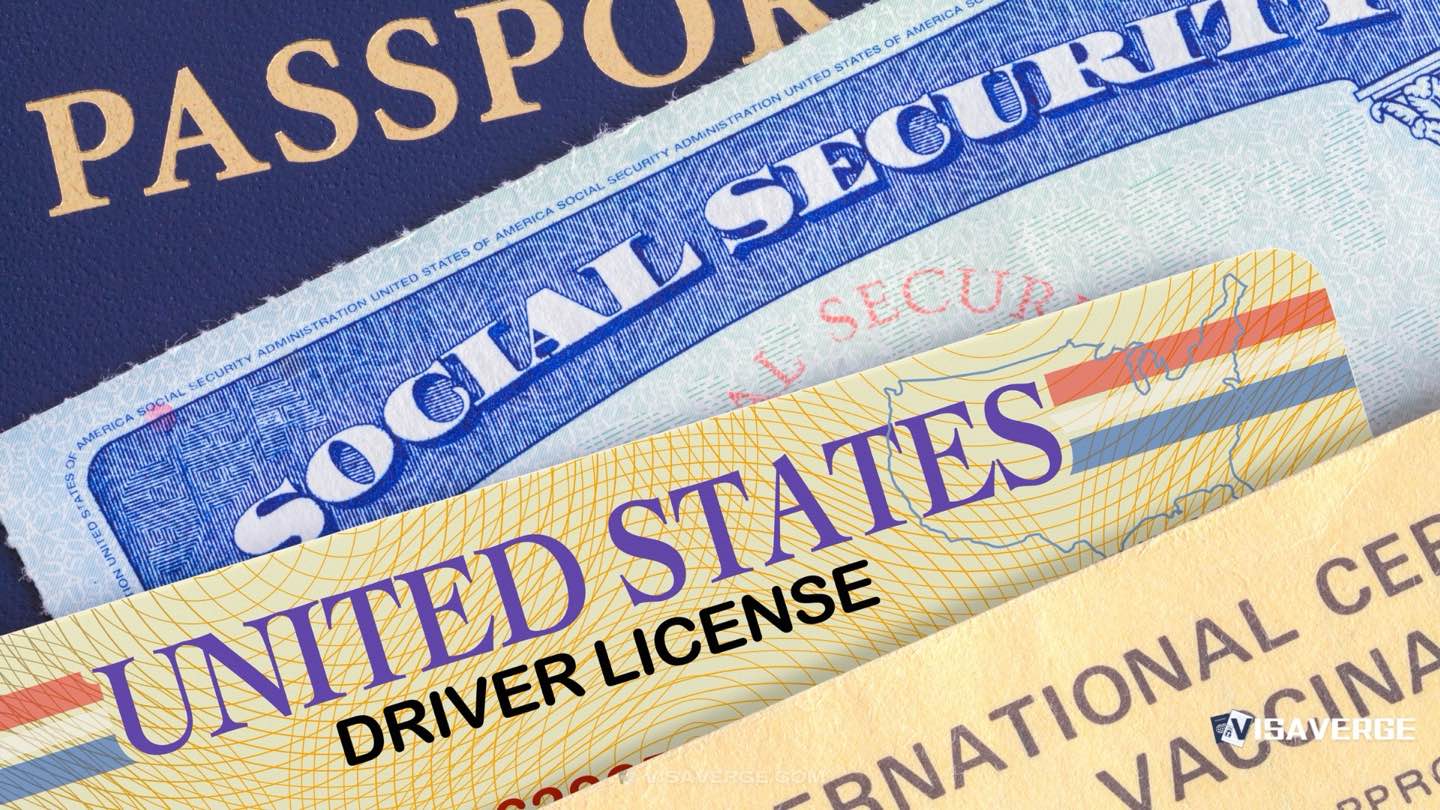
- TSA began enforcing REAL ID rules for all domestic U.S. flights starting May 7, 2025.
- A new $45 ConfirmID backup becomes available February 1, 2026, for those without proper identification.
- Adult travelers must provide proof of legal presence, identity, and residency to obtain the compliant card.
Starting May 7, 2025, TSA began enforcing REAL ID rules for domestic U.S. flights. On February 1, 2026, the agency adds a $45 ConfirmID option for travelers who still show up without acceptable identification. That change matters for anyone 18 or older flying inside the United States, including immigrants, workers, and families who rely on regular domestic trips.
REAL ID came from a 2005 federal law that raised the security bar for state IDs. The card is now used far beyond airport checkpoints. It also opens doors at certain federal facilities, including some military and nuclear sites. According to analysis by VisaVerge.com, the shift has turned a once-quiet DMV task into a travel issue with real consequences for residents and noncitizens alike.
Airport screening after May 7, 2025
At TSA checkpoints, adults must show a REAL ID-compliant license or state ID, or another accepted document. Children under 18 do not need identification when traveling with an adult on domestic flights. Travelers who arrived without proper ID after May 7, 2025, faced delays or denial. From February 1, 2026, TSA also offers ConfirmID, a fee-based backup that verifies identity before travel.
ConfirmID costs $45 and works for 10 days of travel. Payment can be made online with a bank account, PayPal, Venmo, debit card, or credit card. TSA says the process can take 10-30 minutes on site. For the official program page, see TSA’s ConfirmID information. The agency created the option for the small share of passengers who still use noncompliant IDs.
Some travelers do not need REAL ID at all. U.S. Department of Defense IDs, including Common Access Cards and dependent IDs, remain accepted. A U.S. passport or passport card also works. For immigrants and visa holders, that flexibility matters during long trips, family visits, and work travel. Frequent flyers who depend on domestic air routes should treat ID status as part of trip planning, not an afterthought.
Documents DMVs ask for
To get a REAL ID, applicants must prove identity, date of birth, Social Security number, U.S. residency, and legal presence if they are not U.S. citizens. States verify those records at the DMV, but the federal rules stay the same. Most states also require proof of any name change, such as a marriage certificate, divorce decree, or court order.
The usual document groups are straightforward:
- Identity and date of birth: unexpired U.S. passport, certified birth certificate, or, for noncitizens, a foreign passport with a U.S. visa and I-94 record.
- Social Security number: Social Security card, W-2, pay stub showing the full number, or an SSA ineligibility letter.
- Residency: two recent proofs of address, such as utility bills, bank statements, leases, or mortgage papers.
- Legal presence: Green Card, Employment Authorization Document, or another DHS record showing lawful status.
Expired papers are usually rejected. Originals or certified copies are normally required. Many states publish a checklist, and the DHS REAL ID document wizard helps people build a personal list before they visit. That preparation saves time and avoids repeat appointments.
State DMVs do not all work the same way
The REAL ID standard is federal, but the process still changes from state to state. Most compliant licenses carry a gold star in the upper right corner. Washington, Michigan, Minnesota, New York, and Vermont use other symbols for Enhanced Driver’s Licenses, which TSA also accepts. Those border-state cards work as REAL ID equivalents nationwide.
Some states issue compliant cards by default at renewal. Others require an explicit request. Fees also vary. A renewal or upgrade often costs $20 to $50, with extra charges for duplicates outside the normal renewal cycle. In high-demand states, appointments can fill up fast. New York and California have had waits of 2-3 months in urban offices, and some people still use AAA branches or USPS partner sites where state rules allow.
For immigrants, the local rules matter as much as the federal ones. New York, for example, asks for a Social Security card plus two residency proofs and identity records. States verify lawful presence, but they do not ask for more than the ID program requires.
The application visit, step by step
- Gather documents. Use the state DMV checklist or federal wizard and bring originals.
- Start online if your state allows it. California and Texas let many applicants begin before the office visit.
- Book an appointment. This helps avoid long waits, which can top four hours at busy locations.
- Visit the DMV. Staff scan documents, take a new photo, and may test vision during renewals.
- Wait for delivery. A temporary paper ID is often issued immediately. The permanent card usually arrives by mail.
Mailing times vary. Many states send the card in 7-21 days. New York often takes 10-14 days, while California can take up to 4 weeks when offices are backed up. A DMV worker in one state put it plainly: “Making sure you have all your documents in order can save you a lot of time.” That advice matters even more near holidays, when offices get crowded.
Costs, timing, and backups for noncitizens
Most people pay the normal license fee. That is usually $25 to $50 for a renewal and $10 to $30 for a duplicate. A few states add $5 to $30 for a REAL ID upgrade. The ConfirmID fee is separate and non-reimbursable, even for official travel.
Processing by mail averages about 2 weeks nationwide, but it can run from 7-10 days in faster states to 3-4 weeks in heavier-volume states. Travelers should plan at least 4-6 weeks ahead. A safer window is 8 weeks, especially if immigration papers need renewal first.
For non-U.S. citizens, REAL ID is useful but not the only answer. A valid passport with a U.S. visa and I-94 record can cover domestic travel in the short term. An EAD or Green Card gives more convenience for people who fly often. H-1B workers, green card applicants, and family visitors should check whether their current status documents already solve the airport problem before paying for a DMV visit. The I-94 record can be checked through CBP’s official I-94 page.
REAL ID is still optional, but TSA enforcement has made it hard to ignore. Anyone who waits until the week of a trip risks delays, extra fees, or a last-minute scramble at the checkpoint.