- West Bengal authorities have launched a detect, delete and deport policy targeting alleged illegal Bangladeshi migrants.
- Over 100 people gathered at the Hakimpur border checkpoint to return to Bangladesh following the state’s announcement.
- The policy includes temporary holding centres where suspects undergo biometric verification and document checks for 30 days.
(WEST BENGAL, INDIA) — West Bengal authorities moved to enforce a newly announced “detect, delete and deport” policy as more than 100 Bangladeshi men and women gathered at the Hakimpur checkpoint on Tuesday morning to cross back into Bangladesh.
Groups also formed at Malda and other border points, marking an immediate public response to a policy the state government presented as a drive against alleged illegal entrants. The movement put the issue into visible administrative territory after what had been described as political rhetoric.
Free toolUSCIS Receipt Number Decoder
The policy targets alleged illegal Bangladeshi migrants and aims to identify, detain and repatriate suspected illegal immigrants. State authorities have paired that approach with detention arrangements, document checks and coordination at the border.
Chief Minister Suvendu Adhikari declared that people outside the scope of the Citizenship (Amendment) Act would be treated as illegal entrants. Under the framework he outlined, state police would arrest them and hand them over to the Border Security Force, or BSF.
That definition places the Citizenship (Amendment) Act at the center of the state’s enforcement line. People who do not fall within that law’s scope are to face the state’s detect, delete and deport process, according to the announced policy.
Authorities have also moved to create holding centres to temporarily house suspected illegal immigrants and foreign prisoners awaiting deportation or repatriation. The centres form the core of the processing system now being built around the border crackdown.
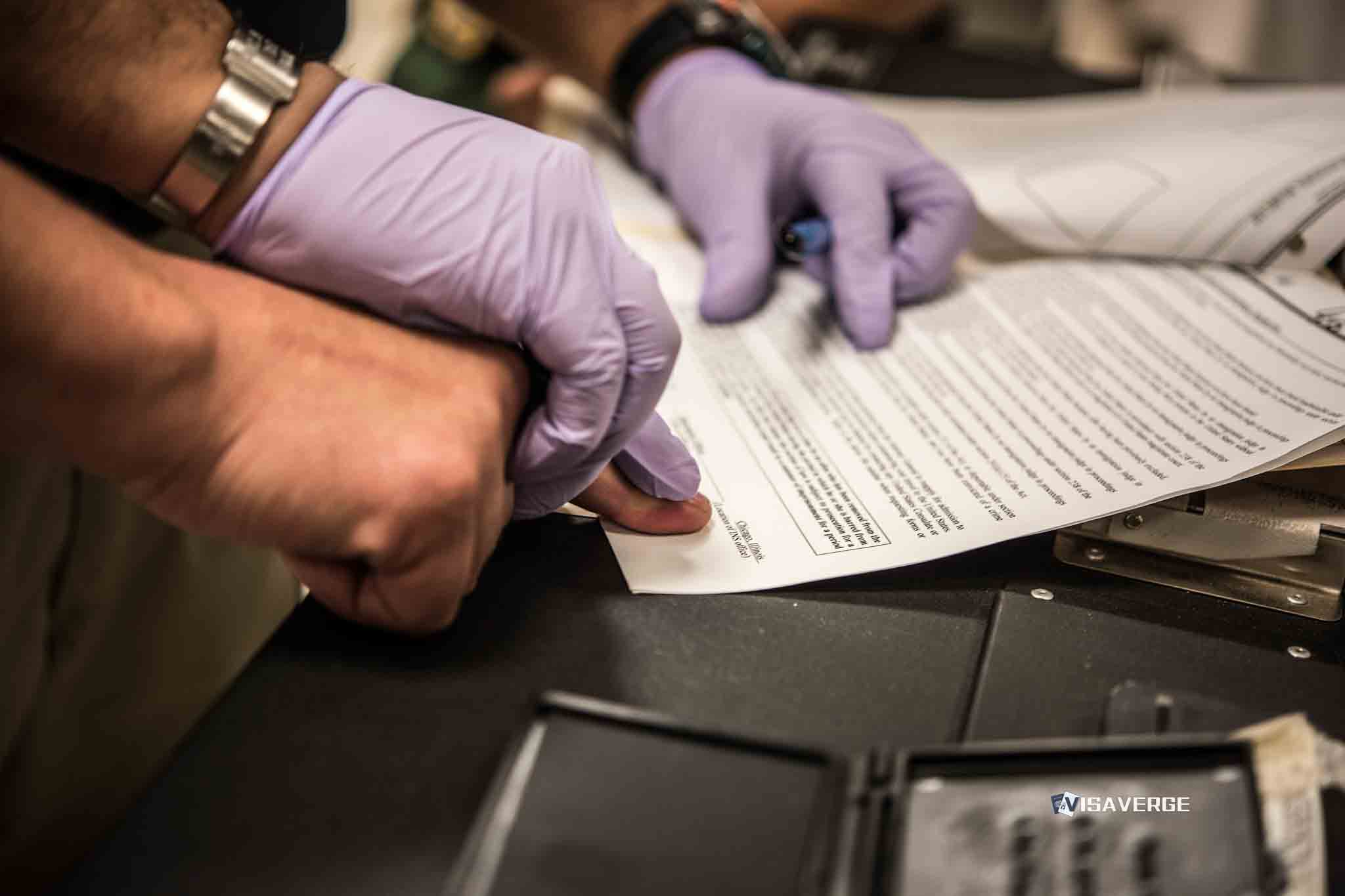
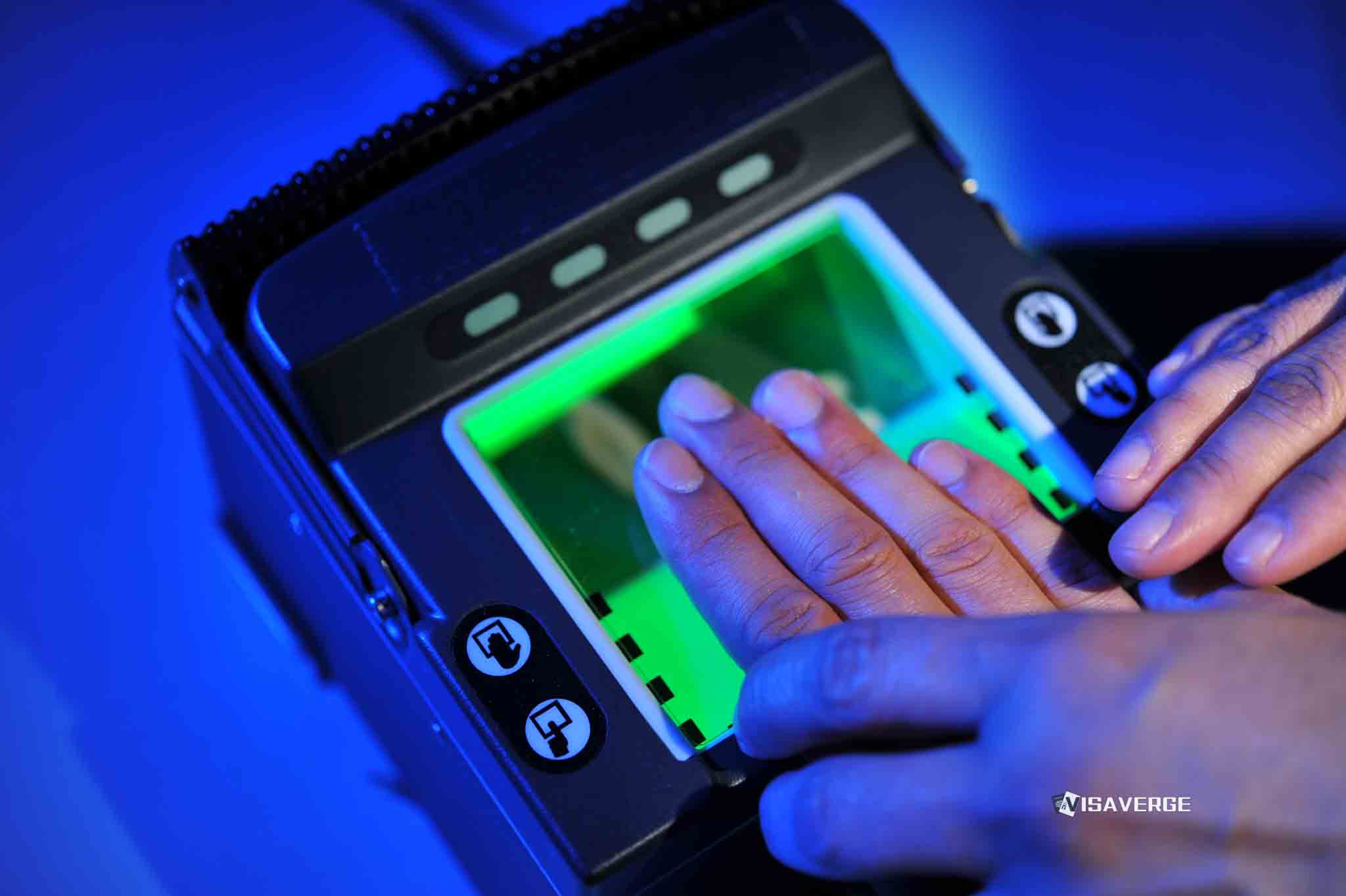
Suspected illegal entrants may be held for up to 30 days while district magistrates and designated officers verify documents, collect biometrics and upload records to central databases. Those steps are intended to support repatriation after identity checks and official processing.
The use of district magistrates and designated officers gives the policy a district-level administrative chain, rather than leaving it only to police action at the border. Central databases are part of the process for record-keeping and coordination tied to deportation or repatriation.
The gathering at Hakimpur offered the clearest sign yet of how quickly border populations reacted. More than 100 men and women assembled there on Tuesday morning, seeking to cross back into Bangladesh as the policy took shape.
Activity at Malda and other checkpoints suggested the response was not confined to one crossing. Crowds lining up at multiple points indicated that the state’s announcement had already altered behavior along the border, at least in the short term.
Officials have framed the action as an anti-infiltration enforcement phase. On the ground, that has translated into visible movement at checkpoints, expanded detention preparation and a system built to detect, delete and deport people the state classifies as illegal entrants.
Security around holding centres and border points is increasing as that machinery expands. The combination of crowding at crossings, district verification, biometric collection and BSF handovers has turned the policy from a slogan into a working state procedure.
The announced process begins with identification and detention, then shifts into verification. During the holding period, officers check documents, collect biometric data and place records into central databases before authorities move to repatriation.
State police and the BSF play separate roles under the framework described by Adhikari. Police make the arrest, while the BSF takes custody after handover, linking state enforcement with border management.
The policy’s language is blunt. Detect points to identification, delete points to removal from official rolls, and deport points to repatriation across the border, all within a structure that now includes temporary detention and database-based verification.
At the checkpoints, the immediate reality was more concrete than the slogan. Men and women gathered in visible numbers, waiting at the border as West Bengal’s administration began putting its announced system into effect.
Holding centres are intended to house two categories under the plan: suspected illegal immigrants and foreign prisoners awaiting deportation or repatriation. That expands the detention function beyond quick processing at the border itself.
The 30-day window gives district authorities time to match identities, collect biometrics and complete entries in central records. It also creates a formal pause between detention and repatriation, with local officials handling the verification stage.
Hakimpur has emerged as a focal point because of the size of the Tuesday gathering. The scene there, along with similar activity at Malda and elsewhere, captured the first visible effects of West Bengal’s detect, delete and deport drive on people now trying to leave.