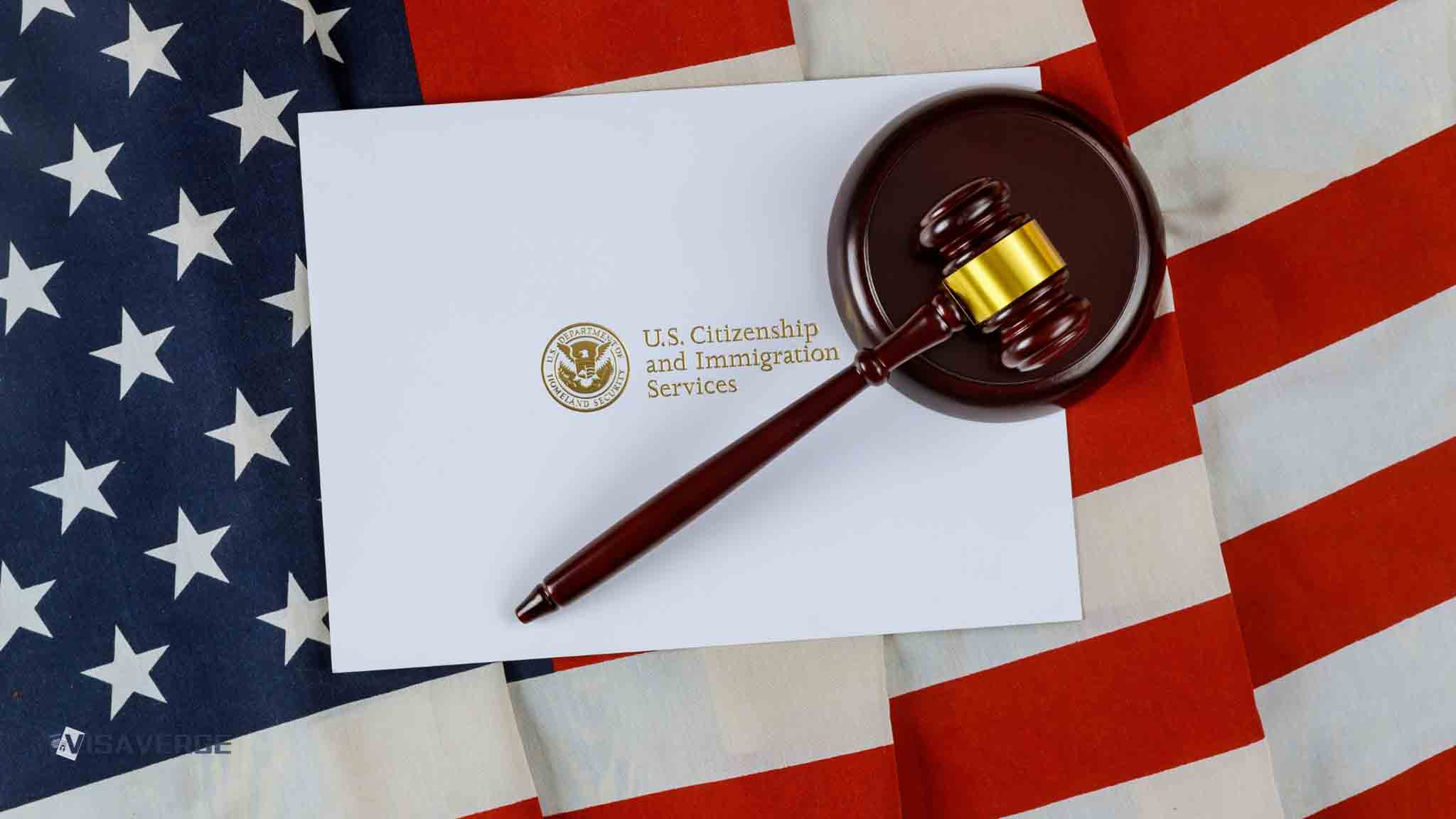
(INDIA) The United States has delayed a large number of H-1B and H-4 visa appointments in India after expanding its requirement for online presence / social-media screening to tens of thousands of skilled workers and their families. The rule, which took effect on December 15, 2025, now requires all H-1B professionals and H-4 dependents to open up their social media accounts for review, forcing consulates to slow visa processing and push many interviews into March and April 2026 or later.
What changed and how consulates are responding
Under the change, the U.S. Department of State has extended a vetting process that previously applied mainly to student and exchange visitor categories to H-1B workers and their spouses and children. Consular posts in India have begun sending notices to applicants, asking them to ensure that their social media profiles are set to public and warning that any applicant who arrives on the earlier, now-cancelled appointment date after being rescheduled will be denied entry at the consulate gate.
According to analysis by VisaVerge.com, this sudden shift has caught many Indian tech workers, their families, and U.S. employers off guard, especially those who had already planned travel or fixed joining dates.
What the social-media screening involves
The policy means that consular officers will now review an applicant’s online presence, including posts, comments, and public activity, to see whether anything appears inconsistent with the stated purpose of travel or could be viewed as a national security or public safety concern.
- This level of social-media screening has been applied to F and M students and J exchange visitors since June 2025.
- Applying it to H-1B and H-4 cases has created a fresh bottleneck because officers have less daily capacity to handle interviews.
As a result, consulates in cities such as Mumbai, Chennai, Hyderabad, Kolkata, and New Delhi are cutting back on daily appointment numbers and shifting existing bookings several months out.
Who is affected
The delays are hitting a wide range of Indian applicants:
- New H-1B workers who have already won USCIS approval and only need a visa stamp to relocate now face long waits, even if their U.S. employers are ready to put them on projects.
- H-4 dependents — mainly spouses and children — who traveled back to India for short visits or family events are stuck in limbo, unsure when they can return to the United States 🇺🇸.
- Children may miss U.S. school terms.
- Spouses with H-4 work authorization may be unable to resume jobs on time.
Employer and economic impacts
The knock-on effects for employers are growing.
- Indian IT services companies and U.S.-based tech firms that depend on Indian talent say project timelines and client delivery plans are at risk because employees cannot join on schedule.
- Example: A worker due to arrive in January 2026 may only secure an interview in April, forcing managers to reorganize teams or keep work offshore longer.
- Human resources departments face pressure to explain delays to clients, even though the root cause is U.S. consular processing.
Impact on recent graduates and interns
For recent graduates and interns, the timing could be especially painful.
- Many who transitioned from student status (OPT) to H-1B counted on a smooth handover.
- Traveling to India to stamp H-1B now risks postponing returns well beyond original joining dates.
- Employers might withdraw offers in tight budget climates; those who remain in India for months could face:
- Lapsed U.S. housing leases
- Increased storage costs
Consulate guidance and practical warnings
Consulates are asking applicants to closely watch email and appointment portals.
- Notices stress: Do not appear on the old interview date if you receive a rescheduling message — security staff will turn you away.
- Applicants are being told to expect long waits and to plan as though the earliest realistic appointment will be in spring 2026.
- Lawyers and advisers warn: avoid buying non-refundable air tickets or shipping household goods before visas are stamped.
Important: Treat every consular email or SMS as critical. Appearing on a cancelled date can cost months of delay.
Concerns about personal privacy and social-media scrutiny
For many Indian families, the most unsettling part is the direct focus on personal social media accounts.
- The State Department’s public explanation, in its guidance for temporary worker visas on the U.S. Department of State website, is that such checks help officers spot fraud, misrepresentation, or potential security threats.
- For ordinary applicants, this translates into anxiety over:
- Old posts or jokes taken out of context
- Political opinions that might be misunderstood
- Deleted accounts or name changes
Advisers urge applicants to:
– Review profiles carefully
– Remove or clarify anything that could be confusing
– Be honest if asked about gaps, deleted accounts, or name changes online
How applicants and families are coping
Indian workers are adjusting in various ways:
- Asking employers if they can start jobs remotely from India while waiting.
- Exploring backup immigration/employment options in Canada 🇨🇦, Europe, or hubs like Singapore.
- Considering split-family arrangements: one parent returning on an existing visa while the other stays in India with children.
These choices carry emotional and financial strain, especially for couples who have already uprooted their lives once to build a future in the U.S.
Political and policy context
The expansion of online presence / social-media screening to H-1B and H-4 categories aligns with a broader pattern of tighter checks under the current U.S. administration.
- Officials argue the screening is needed to protect security and ensure work visas are used legitimately.
- Critics say it adds red tape for highly skilled workers already subject to multiple checks.
Immigration lawyers expect:
- More delays, more questions, and more document requests as officers adjust to the expanded rules.
- Applicants should be prepared to explain side projects, freelance work, or online businesses visible on their profiles.
- Even travel photos and location tags could prompt follow-up questions if they suggest long stays in countries that raise security concerns.
Unknowns and information gaps
There are still significant information gaps:
- Consulates are sending reschedule notices, but no clear public data exists yet on how many H-1B and H-4 visa interviews have been postponed in India.
- There is no firm average delay estimate once the new screening routine stabilizes.
- Applicants without updates are left guessing whether appointments will proceed or be pushed back.
Some applicants check consular portals several times daily for fear of missing crucial messages; missing a reschedule action could cost months.
Practical advice (summary)
- Treat all consulate communications as urgent.
- Do not appear on an original interview date if you’ve been rescheduled.
- Plan assuming stamping could take three to six months longer than expected.
- Keep employers informed so they can adjust project plans or permit remote starts.
- Avoid locking in long-term commitments (leases, school enrollments, one-way tickets) until your passport returns with a visa.
Final note
The wave of postponements underscores how quickly rules around H-1B and H-4 visas can shift. Even applicants who completed paperwork correctly now find social-media scrutiny pushing American plans into uncertainty. For many, 2025 and 2026 will be a test of patience and flexibility as consulates sift through years of posts, likes, and comments before deciding whether to issue a visa stamp.
On December 15, 2025, the State Department extended social-media screening to H-1B and H-4 applicants, prompting Indian consulates to cancel and reschedule many interviews into spring 2026. Officers now review public online activity, reducing daily appointment capacity and creating backlogs. The delays affect new hires, dependents, recent graduates, and employers who may face postponed start dates or withdrawn offers. Applicants should monitor consulate notices, make profiles available for review, and avoid irreversible travel or housing commitments until visas are issued.